

Edwardian Ceramic Bowl
These Edwardian ceramic bowls range from practical wash sets to ornamental cabinet dishes, bringing period utility and hand-painted artistry into the home.
Edwardian Ceramic Bowl
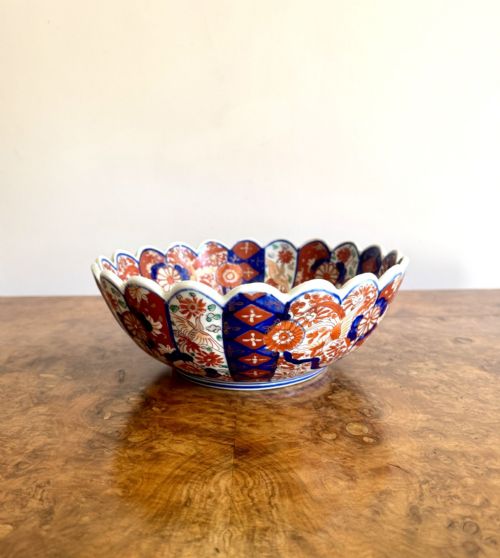
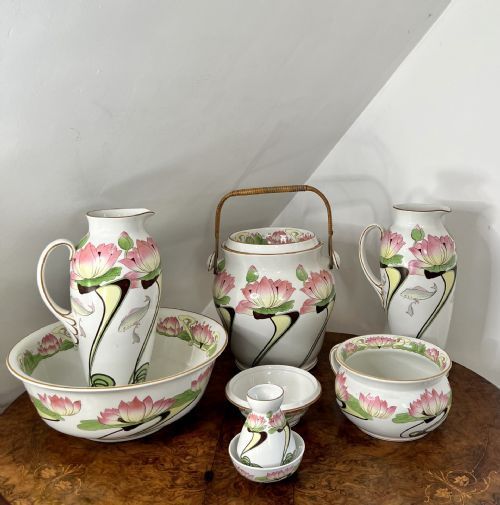
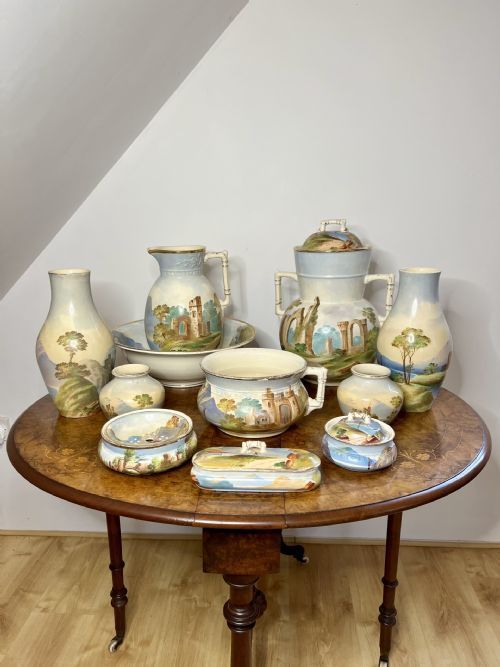
An edwardian ceramic bowl encompasses domestic wares and decorative table pieces created around the turn of the twentieth century. The selection spans utilitarian storage crocks and bathroom wash sets alongside cabinet dishes and centrepieces.
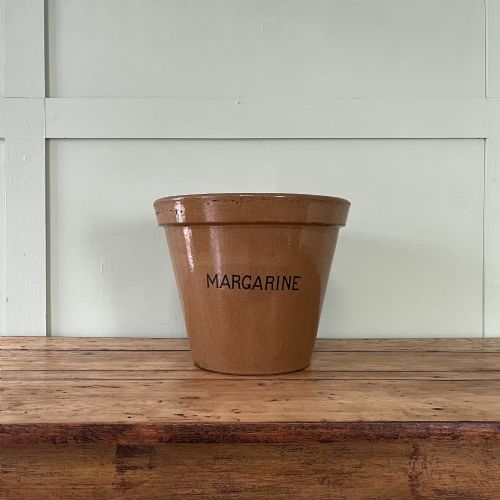
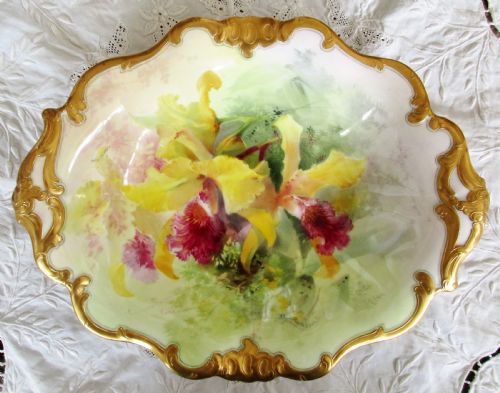
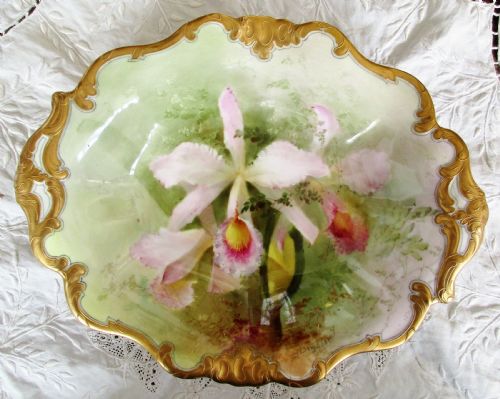
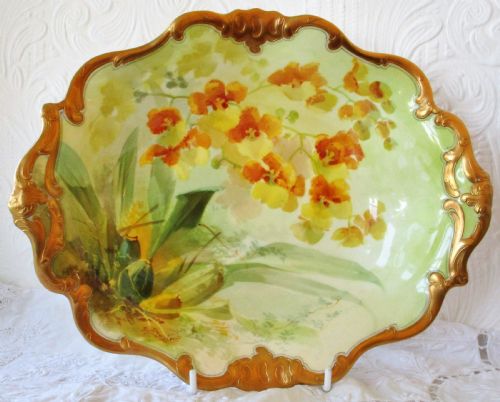
Buyers will encounter large glazed stoneware margarine bowls, bone china cabinet dishes, and porcelain centrepieces adorned with hand-painted flora and gilding. Pieces originate from traditional English potteries, continental factories, and Japanese export workshops.
The form adapts to many rooms, functioning as fruit dishes, trinket boxes, or complete jug and bowl combinations. Each object reflects the domestic habits and decorative tastes of the era.
How they were made
Potters shaped ceramic and earthenware bodies on the wheel or pressed them into moulds before applying foundational glazes. Stoneware pieces received heavy salt or slip glazes to ensure liquid-tight durability for daily kitchen use.
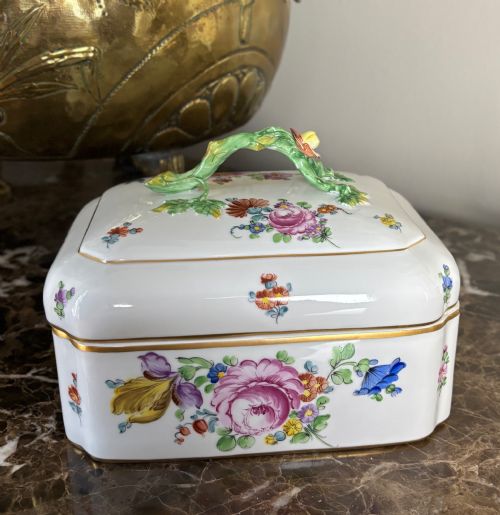
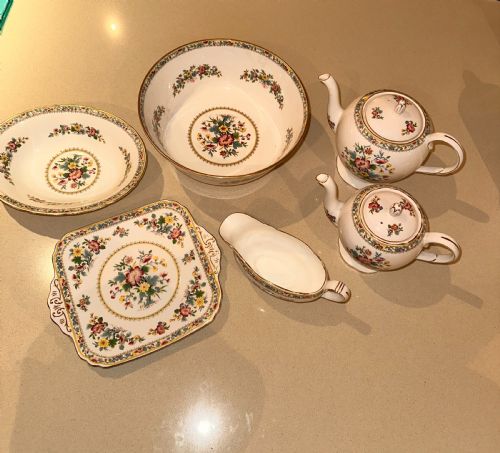
Fine cabinet pieces utilised bone china and porcelain, fired at high temperatures to achieve a bright white ground. Artists then applied enamel colours, transfer prints, and gold leaf highlights by hand.
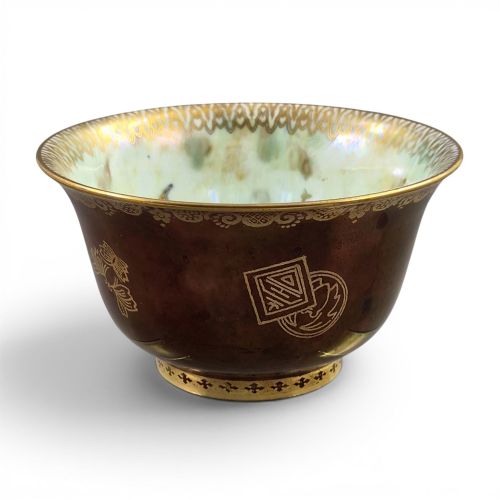
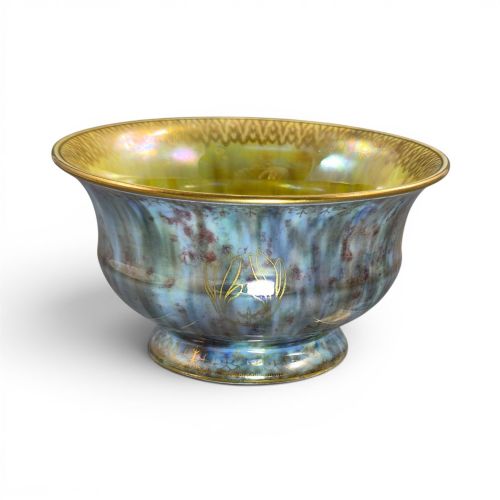
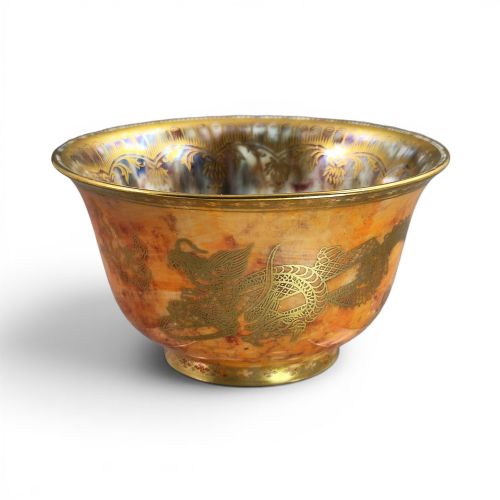
Specialist techniques included lustre glazes that produced iridescent surface effects, alongside applied clay details such as putti and roses modelled separately and attached prior to the final kiln firing.
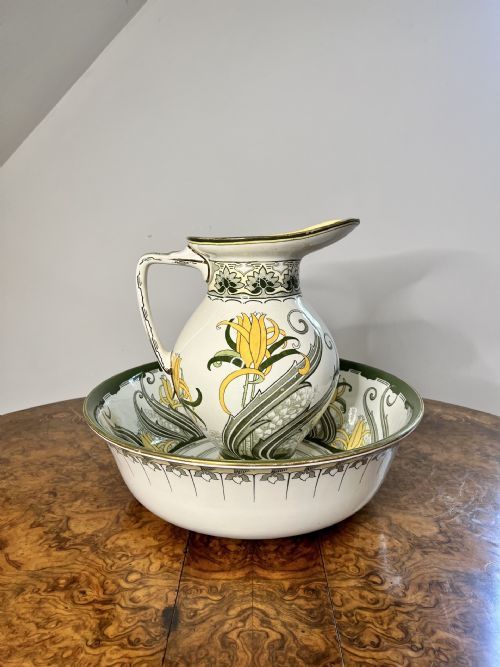
Object forms span decorative dishes, wash sets, cabinet pieces, chamber pots, and large table centrepieces.
What varies in quality
Quality rests upon the execution of the painting and the refinement of the ceramic body. Pieces featuring hand-painted floral sprays or intricate lustre effects by named designers stand apart from simple transfer-printed wares.
The crispness of moulded relief details, such as applied roses or sculpted cherubs, indicates the skill invested in the piece. Well-preserved gilding and even, unblemished glazes further separate superior domestic items from standard production.
Royal Doulton·Wedgwood·Royal Worcester·Schierholz·Kinkozan Kyoto
The Edwardian Ceramic Bowl Glossary
- Bone china
- A type of porcelain incorporating bone ash, known for its high strength, chip resistance, and translucent quality. It provides a smooth white surface ideal for intricate overglaze painting.
- Centrepiece
- A large decorative bowl or dish placed in the middle of a dining table or sideboard. These often feature elaborate modelling or hand-painted scenes intended for display.
- Lustre ware
- Pottery featuring a metallic glaze that creates an iridescent, shimmering surface effect. This technique produces shifting rainbow colours when viewed in different lights.
- Stoneware
- A heavy, dense ceramic fired at high temperatures until vitrified and completely non-porous. It is exceptionally durable and frequently used for kitchen and dairy storage.
- Imari
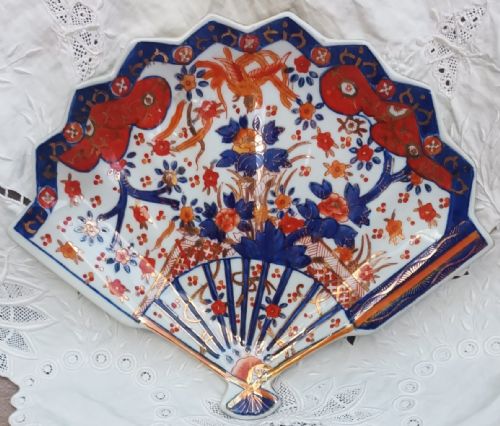
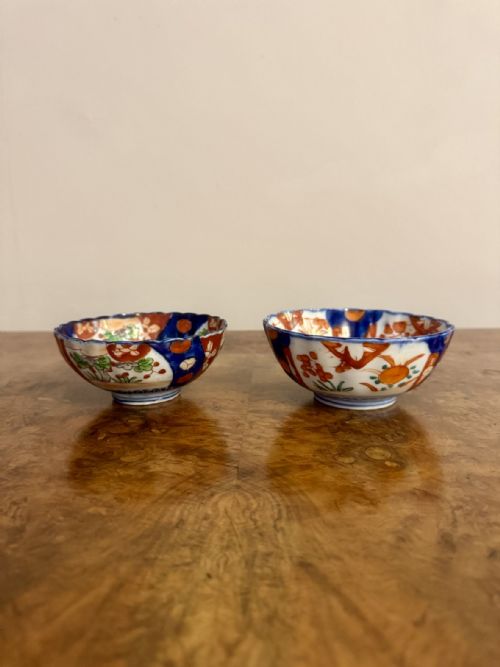
- A style of Japanese export porcelain characterised by a distinct palette of underglaze blue, iron red, and gold. European factories frequently imitated these striking patterns during the period.
Edwardian Ceramic Bowl: Frequently Asked Questions
Were these bowls used daily or displayed?
Many items served practical daily functions in the Edwardian home, including wash sets for bedrooms and stoneware crocks for the pantry. Other pieces, such as cabinet dishes and centrepieces, were strictly decorative objects reserved for formal rooms.
Sturdier earthenware and stoneware handled heavy use, while fine porcelain and lustre bowls were treated with greater care.
How do I identify an edwardian piece?
Examine the base for maker marks, impressed stamps, or pattern numbers that correspond to early twentieth-century production records. The stylistic crossover between late Victorian ornamentation and emerging Art Nouveau or Art Deco motifs also points to the era.
Forms like the large bathroom wash sets and specific lustre glaze techniques provide further chronological context.
Can I use these bowls for food?
Utilitarian stoneware and heavier earthenware crocks are generally safe for serving dry foods, though historic glazes may not meet modern standards for acidic items. Fine bone china cabinet dishes are best reserved for display rather than active dining.
Check the interior surface for any hairline cracks or crazing that might absorb moisture over time.