

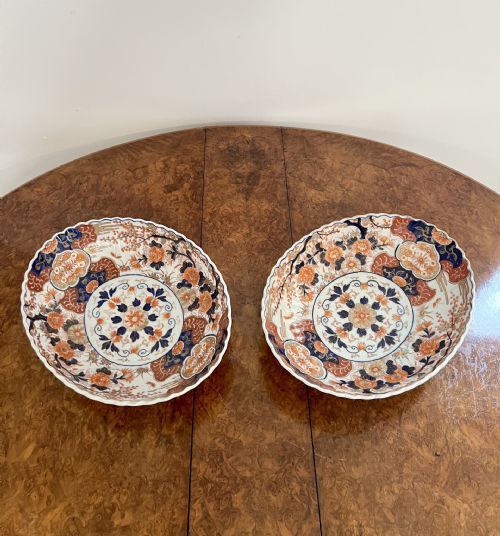


Decorative Porcelain Display Bowls
These decorative porcelain display bowls bring centuries of intricate glaze work and painted motifs straight into the home.
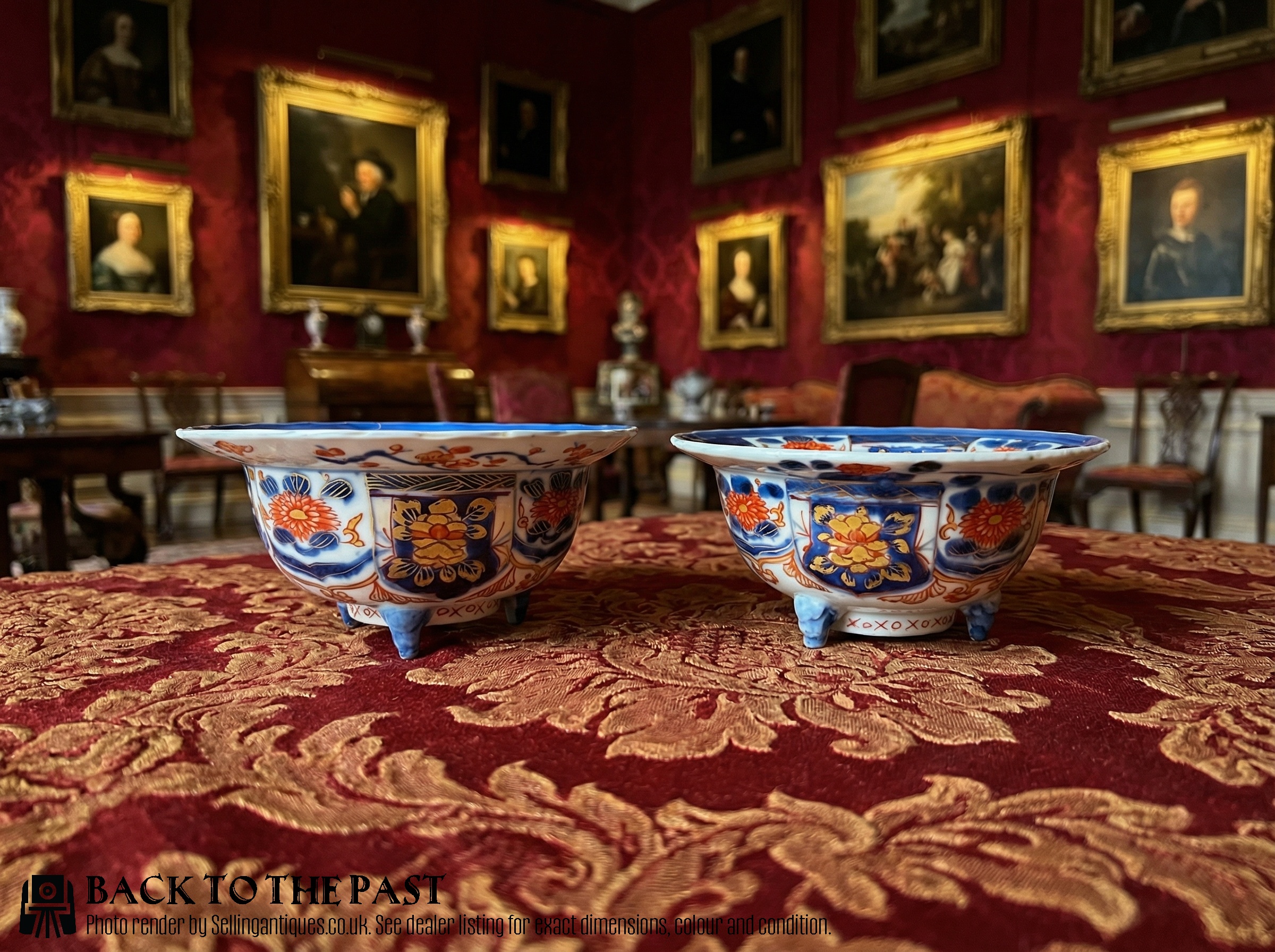
Decorative Porcelain Display Bowls
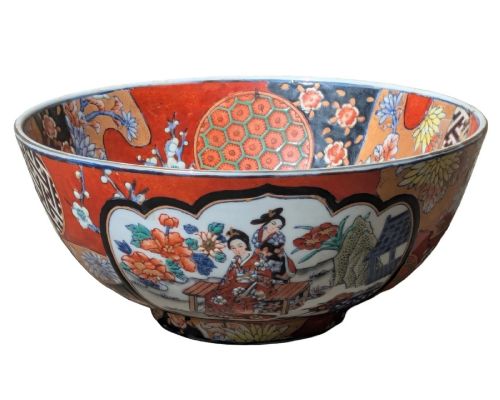
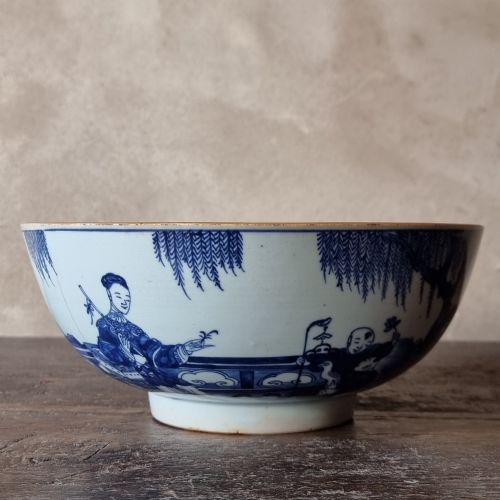
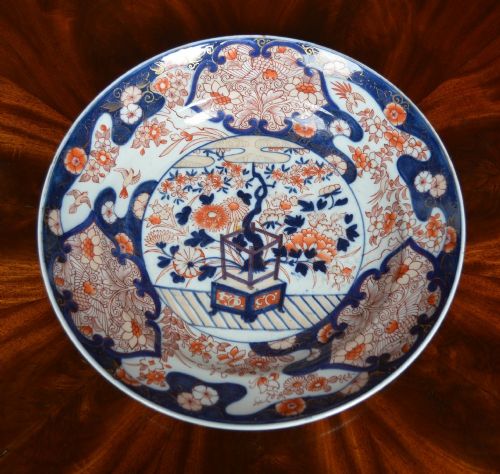
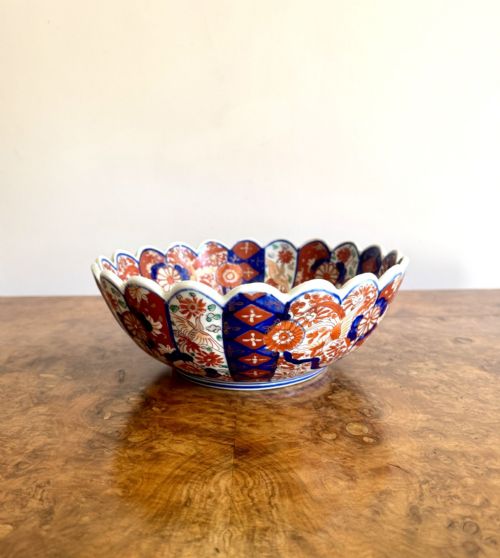
Decorative porcelain display bowls span centuries of international kiln production, ranging from early Asian export wares to English cabinet pieces. When searching for decorative porcelain display bowls, buyers encounter diverse forms such as punch bowls, shallow dishes, and tripod vessels. The selections here draw heavily upon Japanese Imari styles and Chinese export traditions, alongside Edwardian British examples.
Many of these vessels originate from the nineteenth and early twentieth centuries, capturing traditional hand-painted patterns designed specifically for interior exhibition. Scalloped edges, hexagonal profiles, and footed stands appear frequently among the pieces assembled here. Buyers find both individual statement vessels and matched pairs intended for prominent placement on furniture.
How decorative porcelain display bowls were made
Potters shaped fine clay bodies before applying elaborate mineral pigments, enamels, and transparent glazes to the surfaces. Subsequent kiln firings locked the vitreous layers into hard, glossy finishes capable of retaining rich colours over generations.
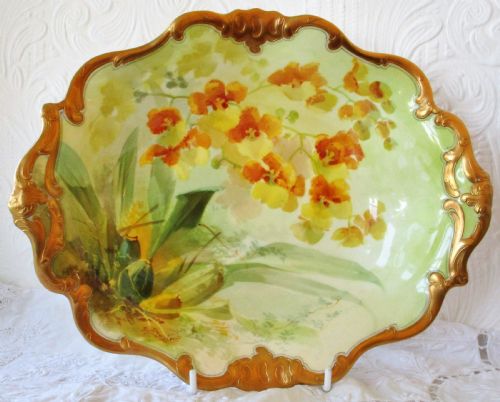
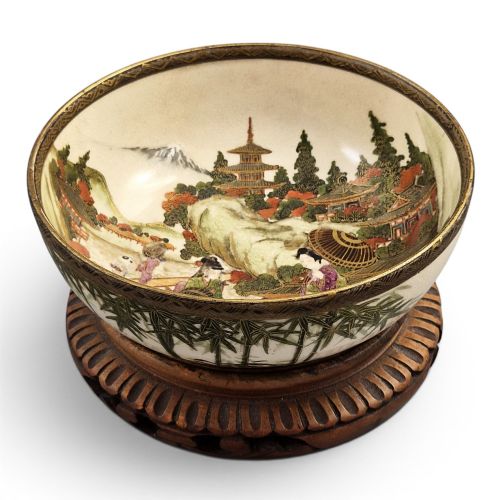
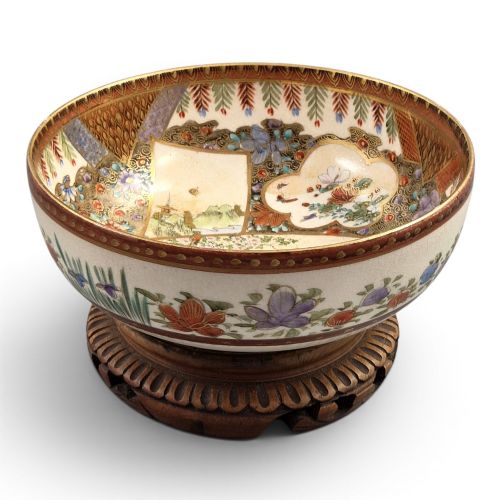
Many items incorporate applied gold leaf or detailed gilding to highlight painted motifs like florals, birds, and geometric borders. Artisans utilised hand-painting techniques to achieve the intricate detailing seen across Satsuma, Famille Rose, and Imari wares.
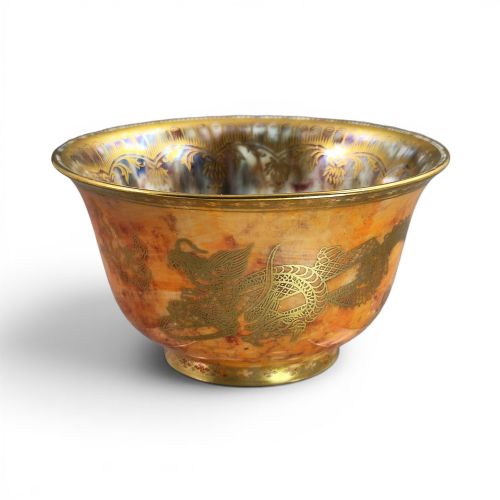
Several bowls here feature intricate hand-painted orchids and dragons that have been watching over rooms for over a century.
What varies in quality
The refinement of the painted brushwork and the precision of the underlying porcelain body largely determine the calibre of each piece. Skilled artists achieved greater depth in floral and figurative scenes, using controlled enamel applications that remain crisp and vivid.
Original artist signatures, reliable period attribution, and well-preserved gilding elevate certain bowls above standard production items. The structural integrity of the glaze and the clarity of the porcelain itself distinguish exceptional cabinet pieces from everyday vessels.
Royal Doulton·Wedgwood
The Decorative Porcelain Display Bowls Glossary
- Imari
- A style of Japanese porcelain featuring distinctive iron-red, cobalt blue, and gilt decorative schemes.
- Famille Rose
- A palette of opaque enamel colours dominated by pink hues, widely used on Chinese porcelain.
- Qingbai
- A type of Chinese ceramic featuring a translucent, pale greenish-blue glaze over incised motifs.
- Cabinet Dish
- A decorative porcelain plate or shallow bowl intended for display within a glass-fronted cabinet rather than everyday dining.
- Lustre
- A metallic glaze technique that produces an iridescent sheen on the ceramic surface.
Decorative Porcelain Display Bowls: Frequently Asked Questions
How should I display a large porcelain bowl?
These vessels suit placement on sturdy wooden tables, sideboards, or inside dedicated display cabinets where their painted interiors remain visible.
Using a stable stand helps support heavier pieces and protects delicate rims from accidental knocks during everyday movement.
Are these bowls suitable for serving food?
Most pieces function primarily as decorative items due to their age, delicate enamel work, and historical application as cabinet displays.
Historic glazes and applied gilding can suffer wear or degradation if exposed to acidic foods and frequent washing.
How do I identify Japanese Imari wares?
Japanese Imari typically displays a distinct colour palette combining underglaze cobalt blue with iron-red enamel and gold leaf accents.
Motifs frequently incorporate floral arrangements and brocade patterns applied across white porcelain bodies.
What is Fairyland Lustre?
Fairyland Lustre is a specialised Wedgwood ceramic line developed during the early twentieth century featuring fantastical scenes.
These pieces utilise rich mottled orange and iridescent glaze techniques designed by Daisy Makeig-Jones.