



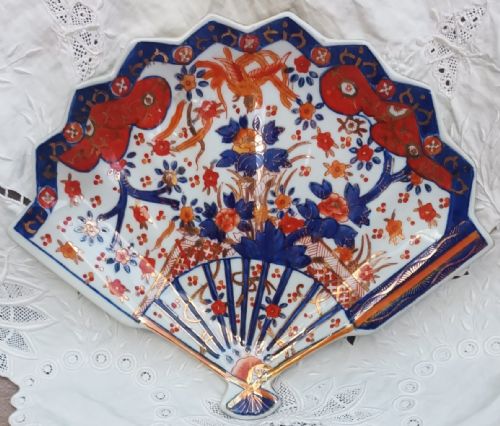
Gilded Japanese Ceramics
Gilded japanese ceramics bring together rich metallic leaf, enamel and painted porcelain from the Meiji, Taisho and Showa periods.
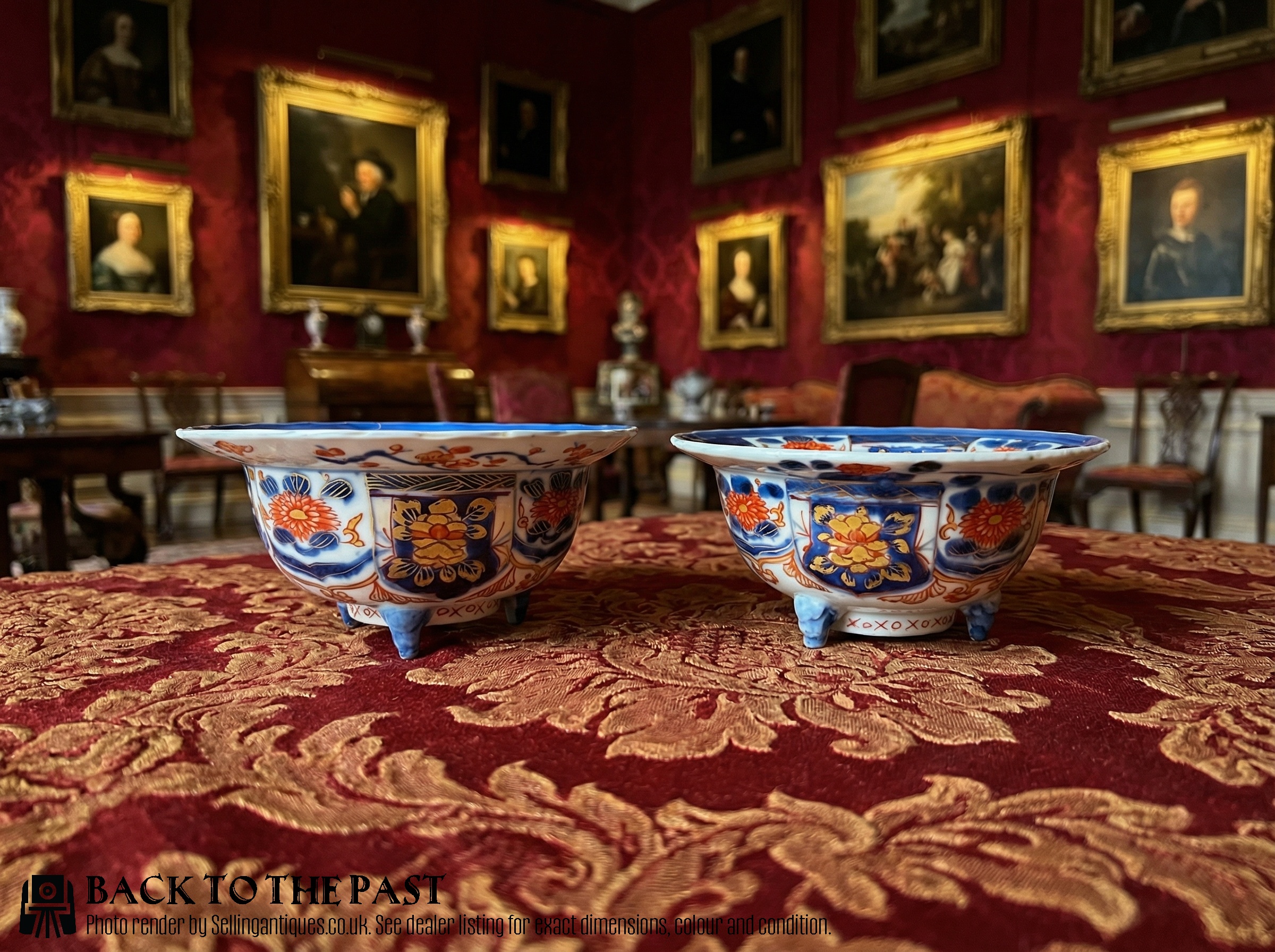
Gilded Japanese Ceramics
When you search for gilded japanese ceramics, you encounter a selection of vessels, plates and figures created during the nineteenth and early twentieth centuries.
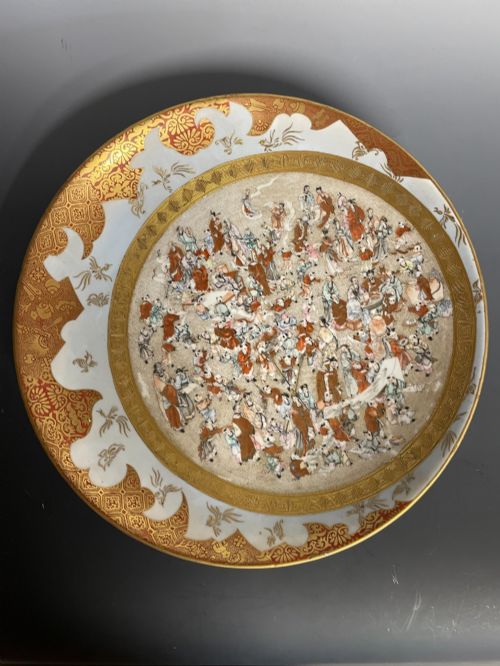
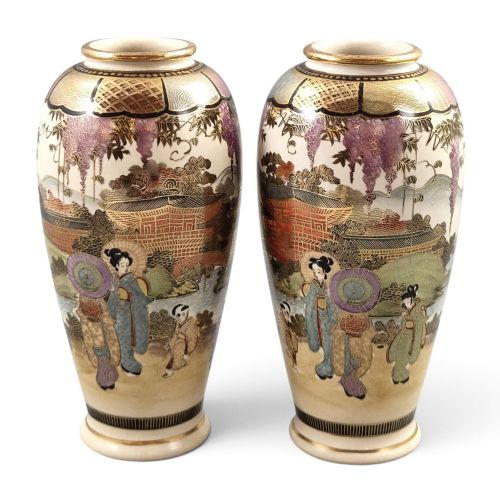
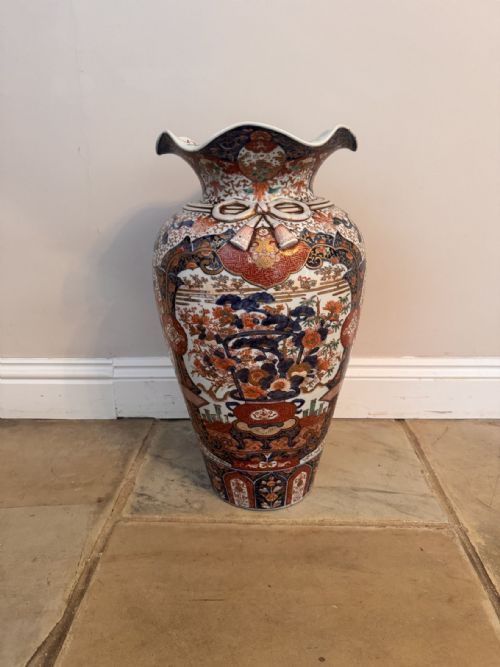
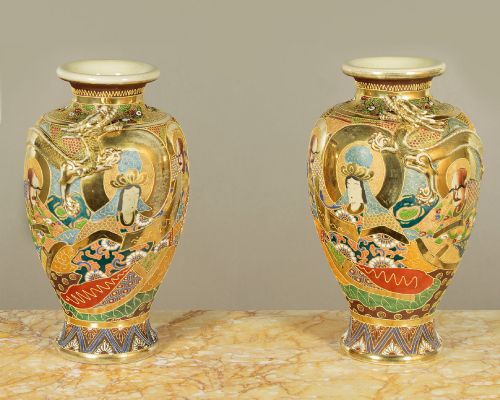
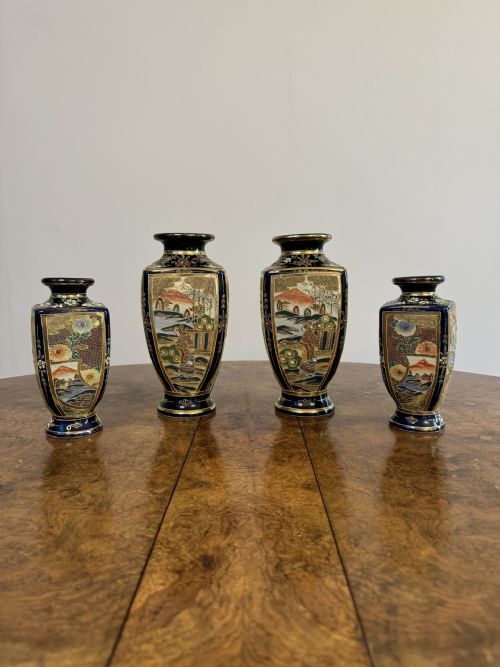
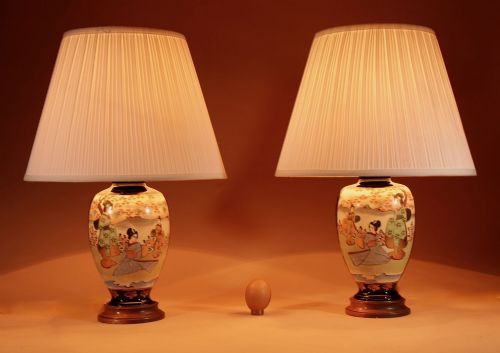
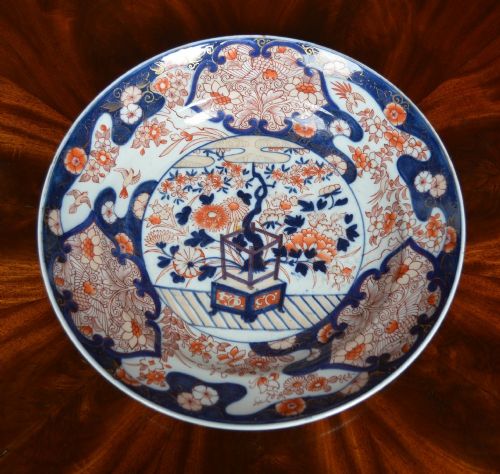
The objects on this page predominantly span the Meiji, Taisho and Showa periods, taking forms such as Satsuma and Kutani vases, Imari chargers and decorative bowls.
Makers utilised earthenware and porcelain bodies, applying intricate hand-painted designs alongside gold leaf and raised enamel detailing.
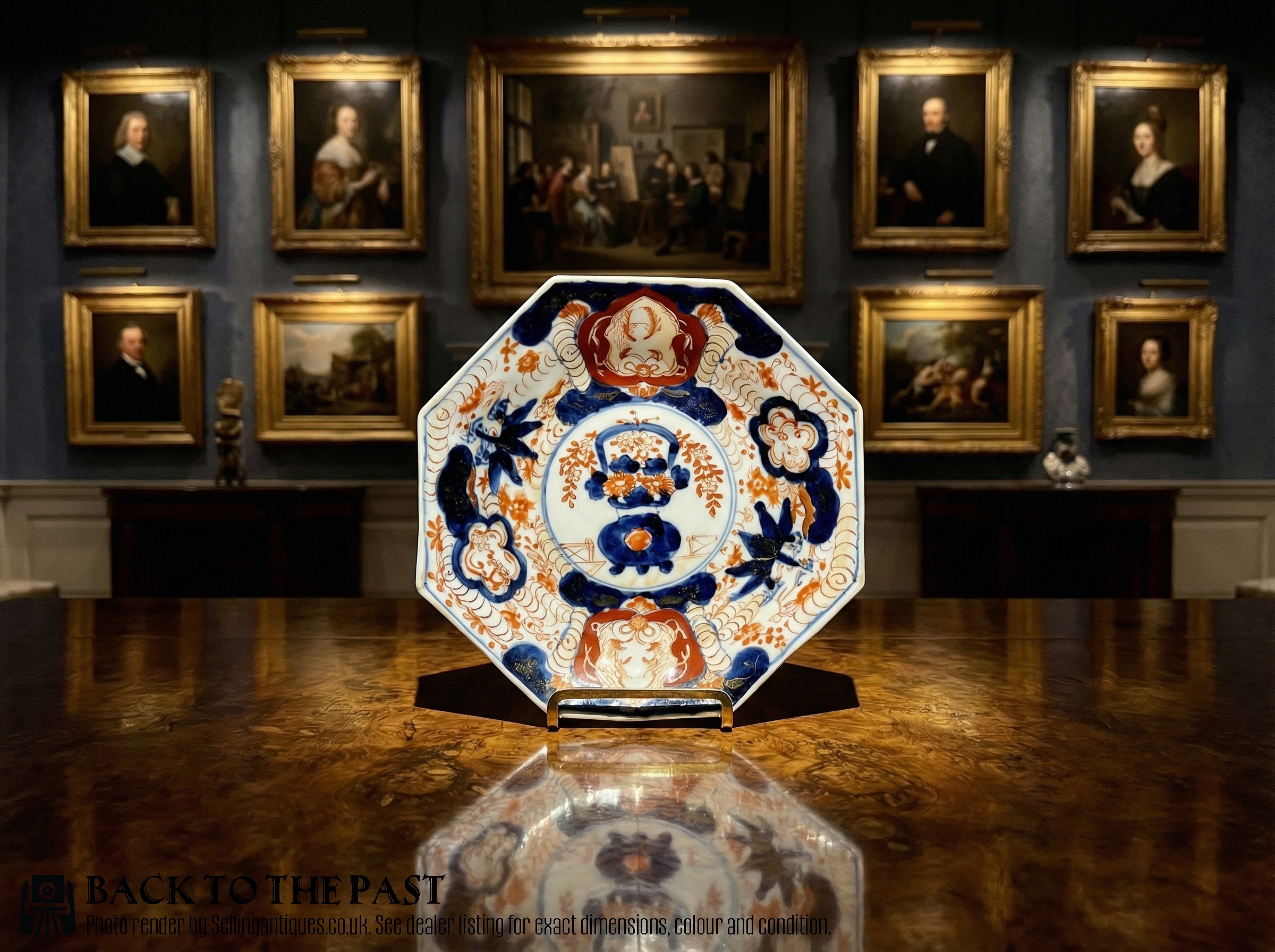
What varies in quality
The fineness of the brushwork and the precision of the painted figures separate standard production wares from master workshop pieces.
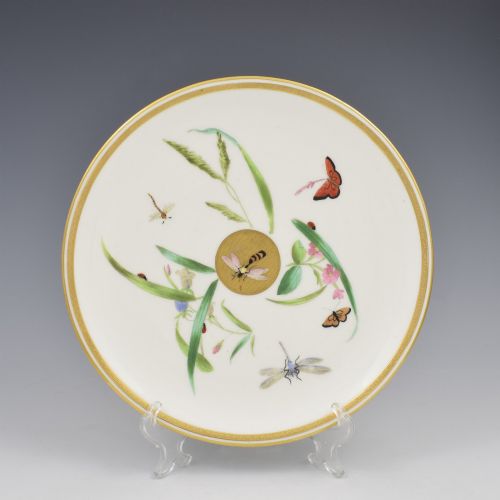
The density and brilliance of the gilding, alongside the complexity of decorative motifs like butterflies or arhats, dictate the overall standard of the piece.
The weight and purity of the porcelain or earthenware body, combined with the crispness of signature stamps, indicate the standing of the original maker.
The listings span from the mid-nineteenth century through the Meiji and Taisho eras into the Showa period, utilising porcelain, earthenware, enamel and gold leaf.
Koshida·Shozan·Kizan·Kinkozan·Kinkozan Workshop·Fukagawa Mark·Manpei·Kozan·Hotoda·Kinzan
The Gilded Japanese Ceramics Glossary
- Satsuma
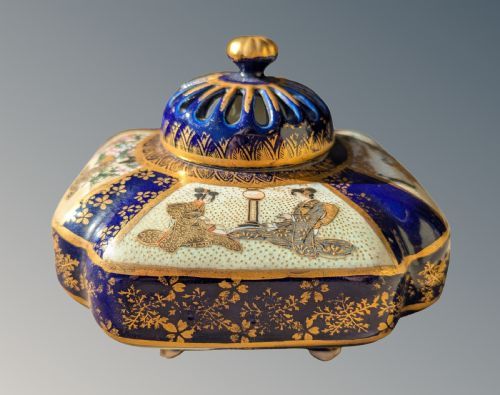
- Earthenware pottery originating from Satsuma Province, typically featuring a ivory crackle glaze decorated with polychrome enamels and heavy gilding.
- Imari
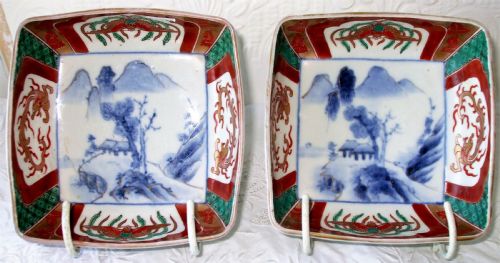
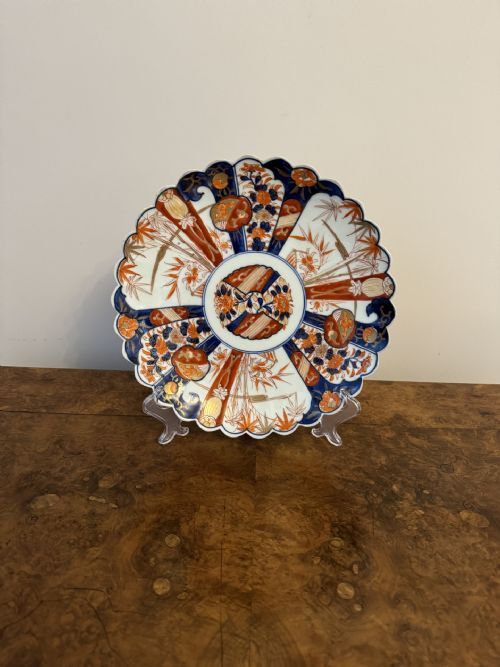
- Japanese porcelain decorated in underglaze blue and red, complemented by gold highlights, taking its name from the port of shipment.
- Kutani
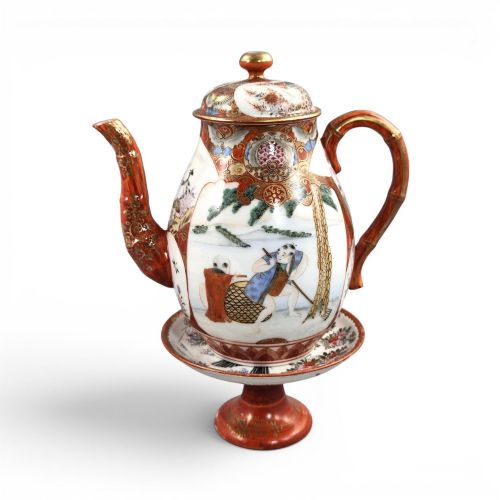
- Ware characterised by vibrant coloured glazes, predominantly green, yellow, purple and red, accented with extensive gold leaf work.
- Moriage
- A decorative ceramic technique using piped clay to build up raised relief patterns before painting and gilding.
- Natsume
- A small tea caddy used in Japanese tea ceremonies, often turned from wood or formed in ceramic with lacquer or gilt decoration.
Gilded Japanese Ceramics: Frequently Asked Questions
How do I identify Satsuma ware?
Satsuma pieces generally display a characteristic creamy, crackle-glazed earthenware body painted with detailed figures and heavy gold leaf.
Look for maker signatures on the base and intricate patterns depicting scenes with people, flowers or butterflies.
Were these pieces used daily?
Many items, such as tea caddies and decorative dishes, served functional roles in Japanese domestic life.
Larger chargers and floor vases were created primarily for display and export during the Meiji period.
How do I clean gilded ceramics?
Dust gently with a soft, dry cloth to protect the delicate enamel and gold leaf surfaces.
Avoid using water, chemical cleaners or abrasive materials that can permanently damage the historic gilding.
What is the difference between Imari and Kutani?
Imari porcelain relies heavily on a palette of underglaze blue, iron red and rich gold leaf across structured floral and geometric layouts.
Kutani ceramics utilise a broader range of bold enamel colours, especially greens and yellows, often featuring pictorial scenes.