


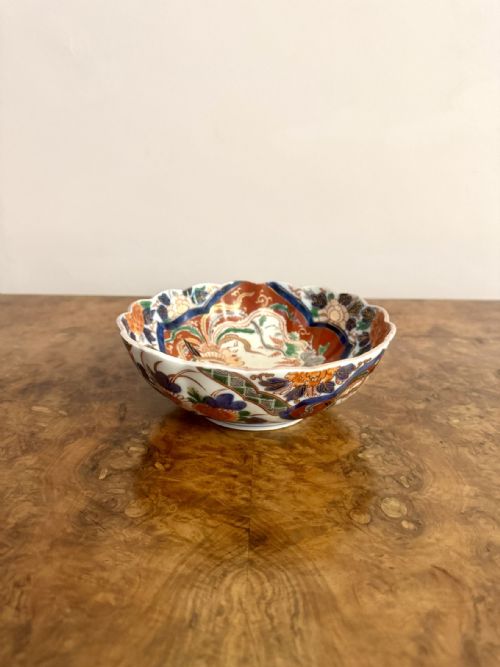
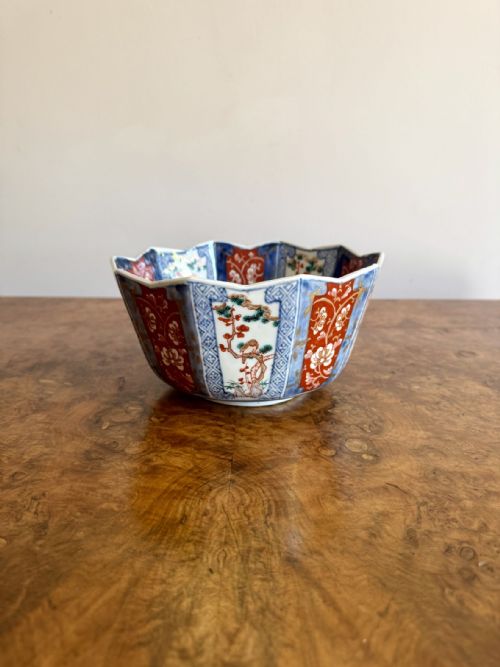


Iron Red Imari Bowl
An iron red imari bowl brings together iron red, cobalt blue and gold leaf on porcelain, offering a striking display of historic craftsmanship.
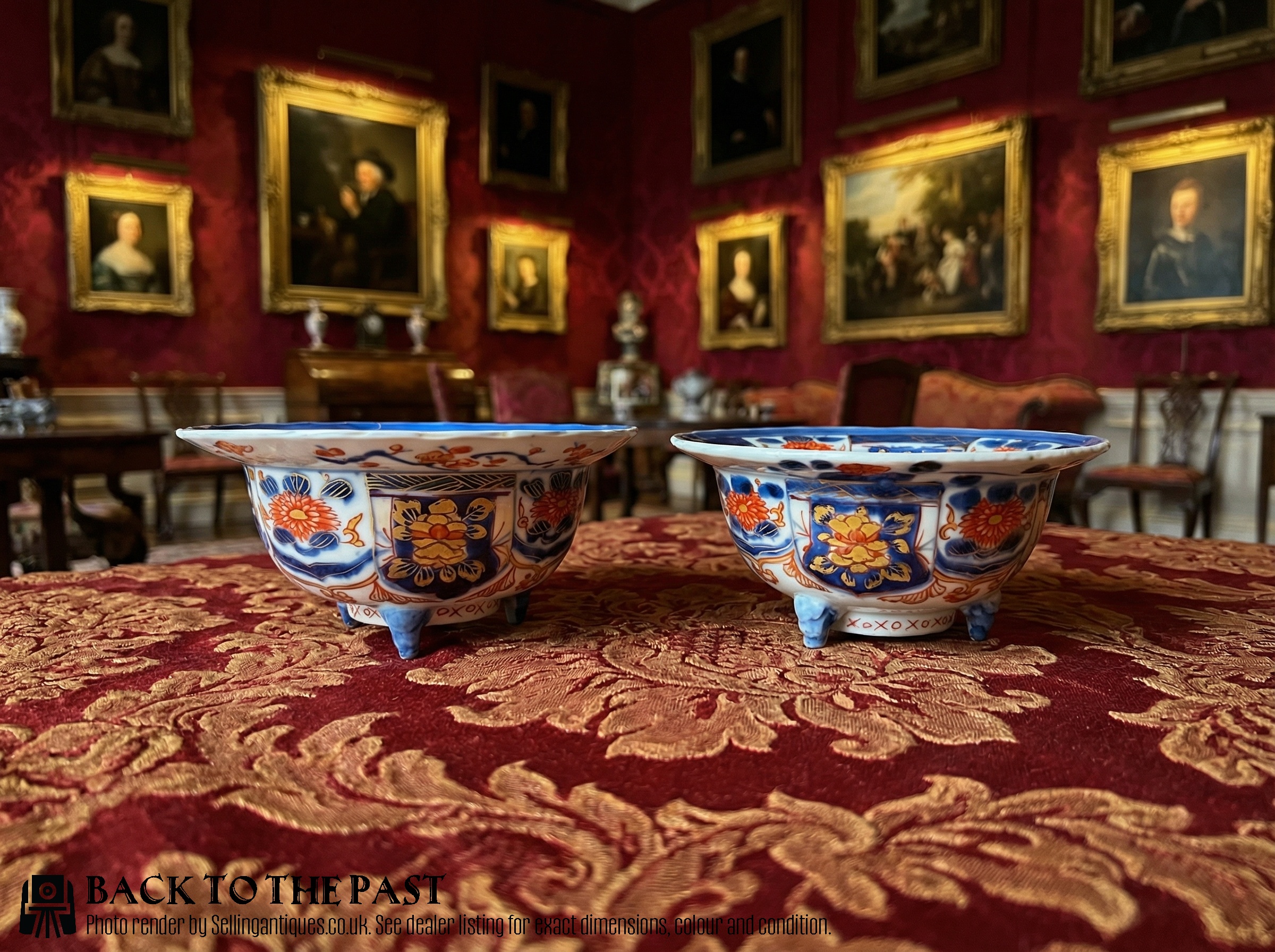
Iron Red Imari Bowl
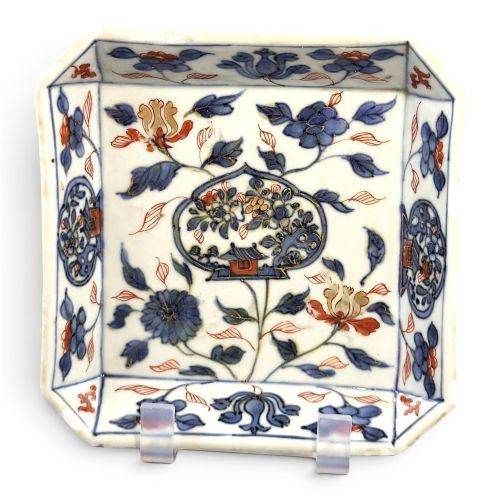
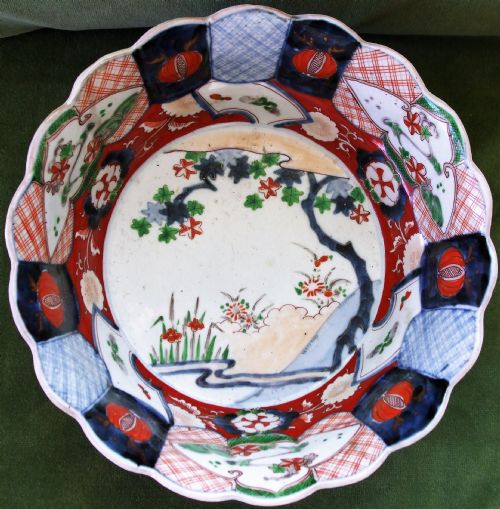
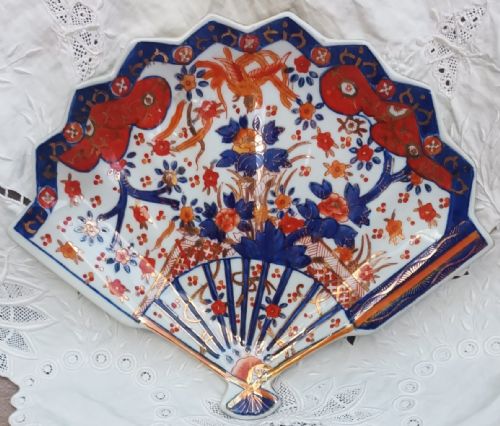
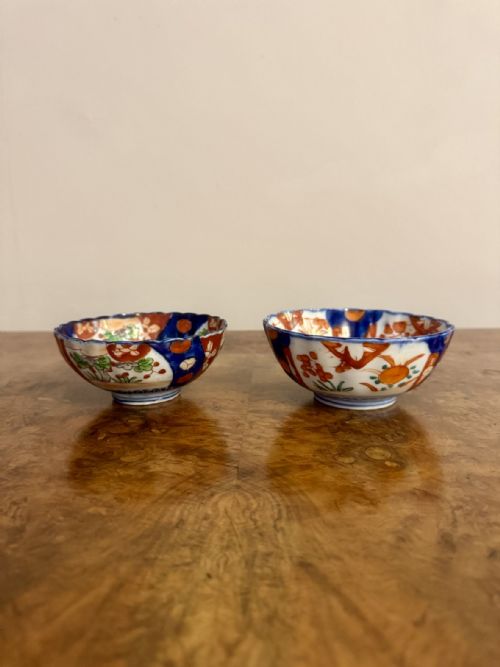
An iron red imari bowl is a decorative vessel made in porcelain, often featuring characteristic cobalt blue glaze alongside iron red and enamel detailing. When searching for this phrase, collectors encounter various forms ranging from standard bowls to scalloped dishes, hexagonal pieces and larger jardiniere vessels.
The pieces available span several eras, including the eighteenth century alongside later Meiji period and Edwardian examples. Many of the earlier works originate from Chinese export or Arita production, while the turn of the twentieth century yields numerous decorative bowls with scalloped or fluted edges.
What varies in quality
Quality in these porcelain vessels rests on the precision of the hand-painted brushwork and the vibrancy of the cobalt blue and iron red pigments. Finer examples display crisp detailing in the gilding and well-defined forms, such as sharp hexagonal angles or neatly scalloped edges.
The weight of the porcelain and the balance of the decorative motifs distinguish standard production pieces from finer studio or export works. Preservation of the overglaze enamel and gold leaf also influences the overall appeal of any given piece.
Some nineteenth-century makers could not resist adding scalloped edges to almost everything, turning a simple bowl into an edible-looking tart shell.
The Iron Red Imari Bowl Glossary
- Imari
- A style of Japanese porcelain decorated in underglaze blue, iron red and gold, originating in the town of Arita. This aesthetic spread widely through export markets in Europe.
- Cobalt blue
- A deep blue pigment used under the glaze to create the foundational patterns on porcelain. It withstands high kiln temperatures without losing its colour.
- Meiji Period
- A period of Japanese history spanning from 1868 to 1912, associated with significant craft production and export. Pieces from this era often feature intricate enamel work.
- Jardiniere
- A large ornamental pot or bowl designed to hold plants or flowers. These vessels form part of the wider range of decorative ceramic shapes.
- Enamel
- Opaque glass-like material applied over the fired glaze and heated again to fix the colours. Iron red frequently appears as a primary tone in this overglaze palette.
Iron Red Imari Bowl: Frequently Asked Questions
How do I date an iron red imari bowl?
Dating relies on stylistic markers, potting techniques and the characteristics of the cobalt blue and iron red pigments. Earlier pieces often date to the eighteenth century or the Kangxi period, showing distinct body weight and brushwork.
Later Meiji period and Edwardian examples tend to exhibit brighter overglaze enamels and different potting signatures. Comparing the base and glaze texture against known periods helps confirm the era of manufacture.
Where were these bowls made?
The majority of these ceramics originate from Japan, particularly the town of Arita, which served as the primary ceramic hub for imari ware. Some early pieces also derive from Chinese export kilns producing imari-style wares for Western markets.
Production centres in both regions adapted their designs for international trade, combining traditional local motifs with forms suited to European homes.
How should I display an antique bowl?
These decorative bowls suit placement on stable surfaces where natural light can catch the iron red enamel and gold leaf detailing. Using a dedicated display stand helps support heavier or unusual shapes like hexagonal or boat-shaped dishes.
Keep pieces away from direct heat sources and areas of heavy traffic to protect the overglaze decoration from accidental knocks.
What shapes do these bowls come in?
Beyond standard round bowls, listings frequently include pieces with scalloped edges, fluted sides and geometric forms such as hexagons. Specialised shapes like shaving bowls and larger jardinieres also appear within the selection.
Each form reflects the versatility of the potter's art, whether intended for functional use or pure display.