


Antique Footed Porcelain Bowl
An antique footed porcelain bowl brings height and presence to a table, combining ceramic form with decorative glaze or gilding.
Antique Footed Porcelain Bowl
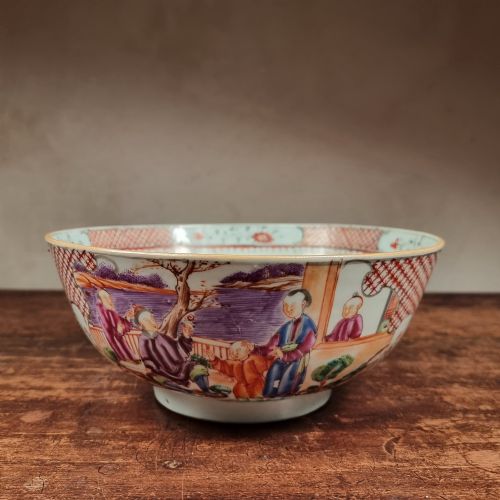
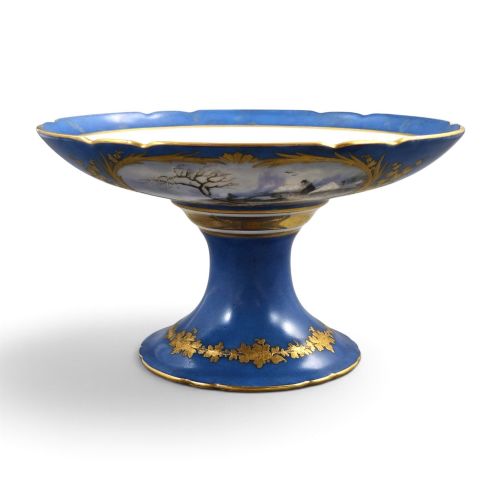
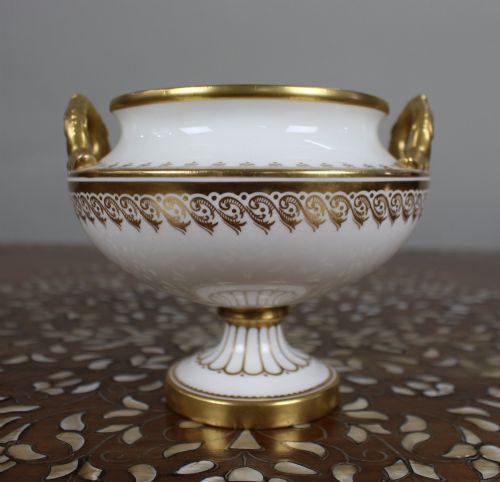
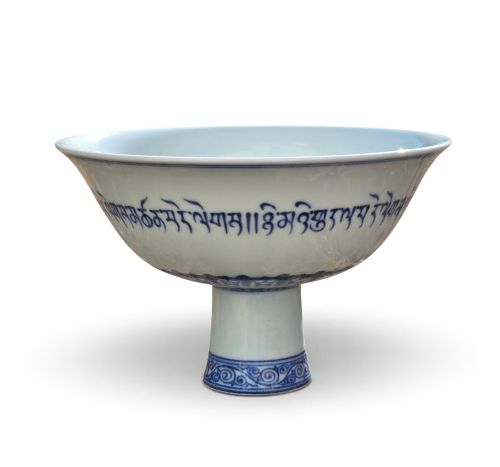
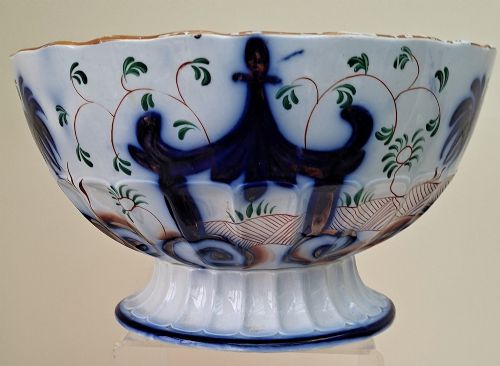
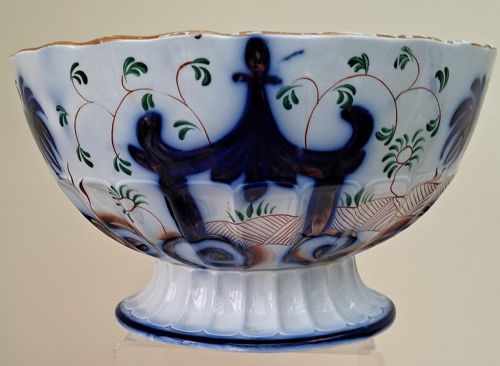
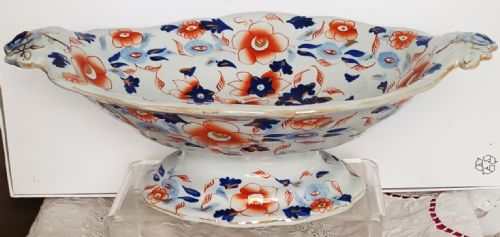
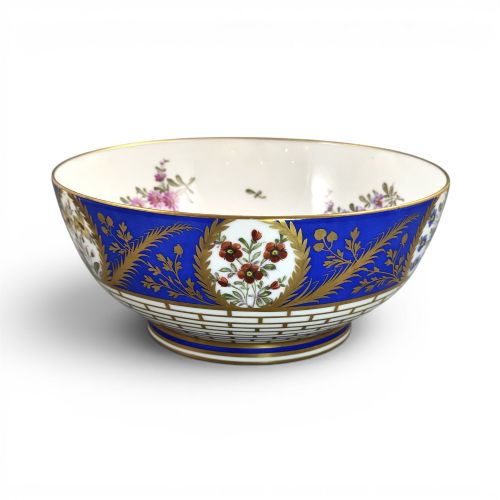
An antique footed porcelain bowl sits on a raised base, pedestal, or feet, lifting the ceramic vessel above the surface. These pieces range from Georgian and Victorian comports to Chinese export wares and twentieth-century lustre designs.
The versions most commonly met on this page date from the nineteenth century, including English ironstone comports, French porcelain baskets, and elaborate centrepieces. Form follows function across varied types, from small stem cups to large fruit bowls.
Makers and potteries across Europe and Asia produced these raised bowls using local styles, from Rococo Revival curves to crisp Qing Dynasty lobbed shapes. Each period leaves distinct marks on the paste, glaze, and decorative motifs.
How they were made
Potters shaped these vessels using porcelain and ironstone, sometimes combining ceramic bodies with gilt bronze mounts or enamel decoration. The raw clay was thrown or moulded before receiving initial firing.
Glazes, lustre finishes, and gold leaf were applied by hand and fired multiple times to fix the colours and metallic sheens. Applied elements like roses and putti required separate modelling and careful attachment before the final kiln run.
Listings feature porcelain, earthenware, and ironstone decorated with enamel, glaze, and gold leaf across the Georgian, Victorian, and Edwardian periods.
What varies in quality
The refinement of the porcelain paste and the crispness of moulded details set finer examples apart from simpler utilitarian vessels. Thinner walls, balanced proportions, and careful weight distribution indicate a higher standard of manufacture.
Hand-painted enamel work, controlled lustre application, and precise gilding elevate the visual impact of a piece. Finer bowls display deliberate brushwork and secure application of applied decorative elements rather than hurried mass production.
Wedgwood·Royal Worcester·Minton·Mason·Schierholz Plaue
The Antique Footed Porcelain Bowl Glossary
- Comport
- A raised dish or bowl used for serving fruit or sweets at the table. These pedestal vessels often feature wide, shallow basins supported by substantial stems.
- Lustre
- A metallic ceramic glaze that creates an iridescent, shimmering surface finish. Wedgwood utilised this technique extensively on decorative bowls with patterned motifs.
- Tazza
- An ornate shallow bowl or cup mounted on a stem and foot. Originating in the Renaissance, these pieces served decorative or ceremonial functions.
- Doucai
- A Chinese porcelain decorating technique combining underglaze blue outlines with overglaze enamels. Artisans fill in the blue-lined compartments with contrasting colours.
Antique Footed Porcelain Bowl: Frequently Asked Questions
What is a footed bowl used for?
These elevated vessels served multiple purposes in historic dining and display settings, often holding fruit, sweetmeats, or floral arrangements on sideboard tables.
The raised foot lifted the contents into view, allowing elaborate glazes and painted patterns to catch the light during formal meals.
How do I identify a Victorian piece?
Victorian examples often feature heavy gilding, vibrant enamel colours, and robust forms influenced by historic revival styles like Rococo or Gothic.
Pottery marks stamped into the paste or painted underneath help narrow down the production decade within the nineteenth century.
Are these bowls safe for food?
While historic porcelain and ironstone are chemically stable, older glazes and gold leaf can wear down with frequent acidic contact or modern dishwasher heat.
Most collectors prefer to use these pieces for dry display or gentle service rather than everyday dining to preserve the fragile hand-painted surfaces.