



Orange Lustre Ceramic Bowl
An orange lustre ceramic bowl brings metallic sheen and brilliant colour to a room, catching the light in a way ordinary ceramics cannot match.
Orange Lustre Ceramic Bowl
When you search for an orange lustre ceramic bowl, you encounter pieces spanning the nineteenth century through to the early twentieth century. These vessels range from footed pottery basins in traditional patterns to striking art wares produced during the Edwardian period and the decades immediately following.
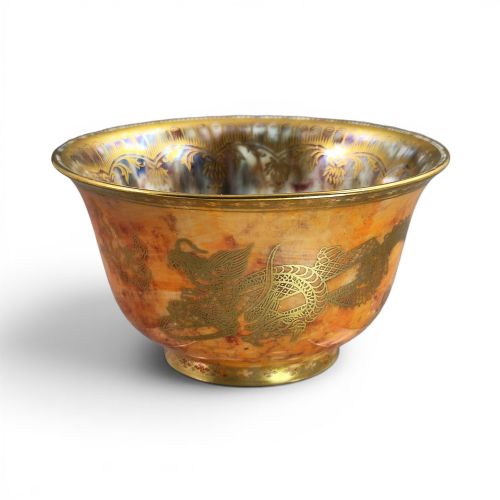
You are most likely to meet pieces associated with Wedgwood and decorated by Daisy Makeig-Jones, featuring distinctive lustre glazes and copper lustre effects. These items include octagonal forms, miniature sets, and decorative bowls adorned with butterflies, birds, and intricate motifs.
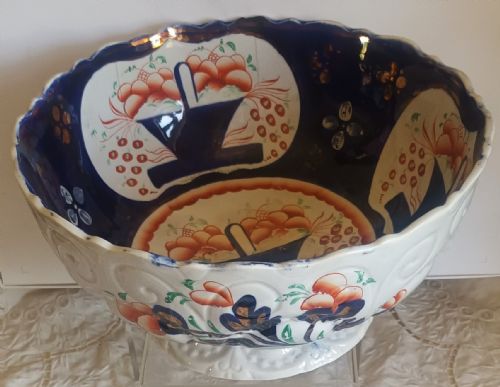
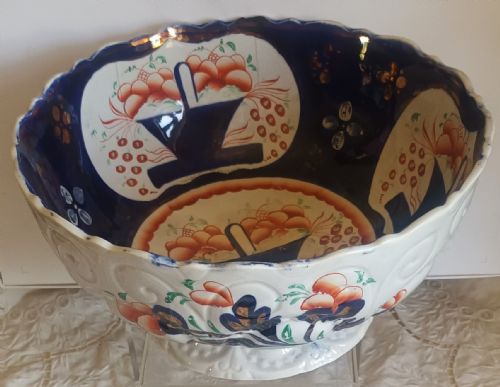
Alongside these twentieth-century pieces, the selection includes nineteenth-century Victorian earthenware such as Gaudy Welsh footed bowls decorated in the Basket of Flowers and Celyn patterns. These earlier wares provide a contrasting aesthetic rooted in regional pottery traditions rather than factory-designed art lustre.
Materials and Technique
The foundation of these pieces relies on ceramic bodies including porcelain, bone china, and earthenware. Potters shaped these materials into bowls, basins, and octagonal forms before applying initial glazes and decorative patterns.
The distinctive finish comes from the application of lustre glaze, often combined with enamel and gold leaf. Firing these metallic oxides in a reduced oxygen kiln creates the iridescent, reflective surface characteristic of lustre ware.
Listings span the nineteenth century, the Edwardian era, and the 1910s to 1920s, utilising earthenware, porcelain, bone china, glaze, and gold leaf.
Judging Quality
Quality in these ceramics depends on the precision of the glaze and the clarity of the transferred or hand-painted motifs. Finer examples display an even, shimmering iridescence across the surface without dull patches or pooling in the recesses.
The complexity of the design also separates standard production from exceptional work. Pieces featuring detailed pictorial elements, such as butterflies or complex geometric diaper patterns, demonstrate a higher degree of artistic control during decoration.
Wedgwood·Daisy Makeig-Jones
The Orange Lustre Ceramic Bowl Glossary
- Lustre glaze
- A type of pottery glaze containing metallic salts that produce an iridescent sheen upon firing. This technique creates the reflective metallic finish seen on the surface of the bowls.
- Earthenware
- Porous pottery fired at a relatively low temperature. It forms the solid body for many nineteenth-century bowls before glazing and decoration.
- Bone china
- A type of soft-paste porcelain incorporating animal bone ash. It produces a strong, slightly translucent ceramic body used for fine tableware and decorative pieces.
- Gaudy Welsh
- A style of colourful pottery produced in the nineteenth century, typically featuring cobalt blue, iron-red, copper lustre, and green on a white earthenware body.
- Octagonal bowl
- A vessel possessing eight distinct sides or angles. This geometric form appears in specific art pottery lines to showcase reflective lustre glazes.
Orange Lustre Ceramic Bowl: Frequently Asked Questions
What period are most lustre bowls from?
The pieces seen here primarily date from the nineteenth century through to the 1920s. Victorian examples often feature traditional regional earthenware patterns, while Edwardian and later pieces showcase specialised art lustre techniques.
Exact dating relies on factory marks and stylistic conventions associated with the specific maker. Examining the base of the bowl usually reveals stamps or pattern numbers that help narrow down the production era.
Can I use these bowls for food?
These decorative bowls are best reserved for display rather than daily dining use. Older ceramic glazes and decorative metallic applications may not meet modern food safety standards.
Displaying them on a table or shelf protects the fragile enamel and gold leaf from wear. Using them dry preserves the integrity of the antique surface.
How do I identify a Makeig-Jones lustre piece?
Look for the distinctive Wedgwood factory marks combined with imaginative, highly detailed motifs such as butterflies, stylized landscapes, or abstract patterns. These designs often utilise vibrant orange lustre glazes that catch the light dynamically.
The inclusion of specific pattern numbers or the designer's association with the firm's notable lustre lines confirms the origin. The artistic style is distinct from standard utilitarian pottery of the same era.