


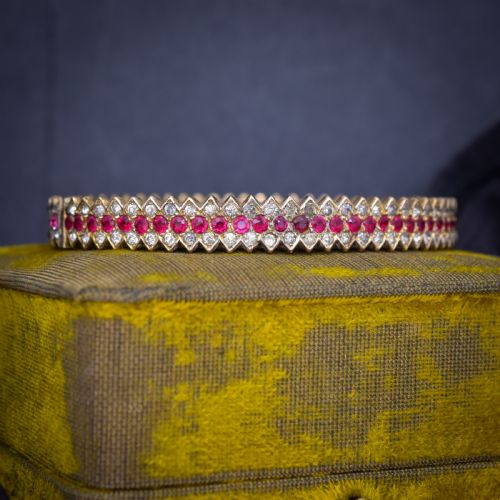
Edwardian Art Glass
When you search for edwardian art glass, you find vessels that combine period styling with the fluid forms of the era.
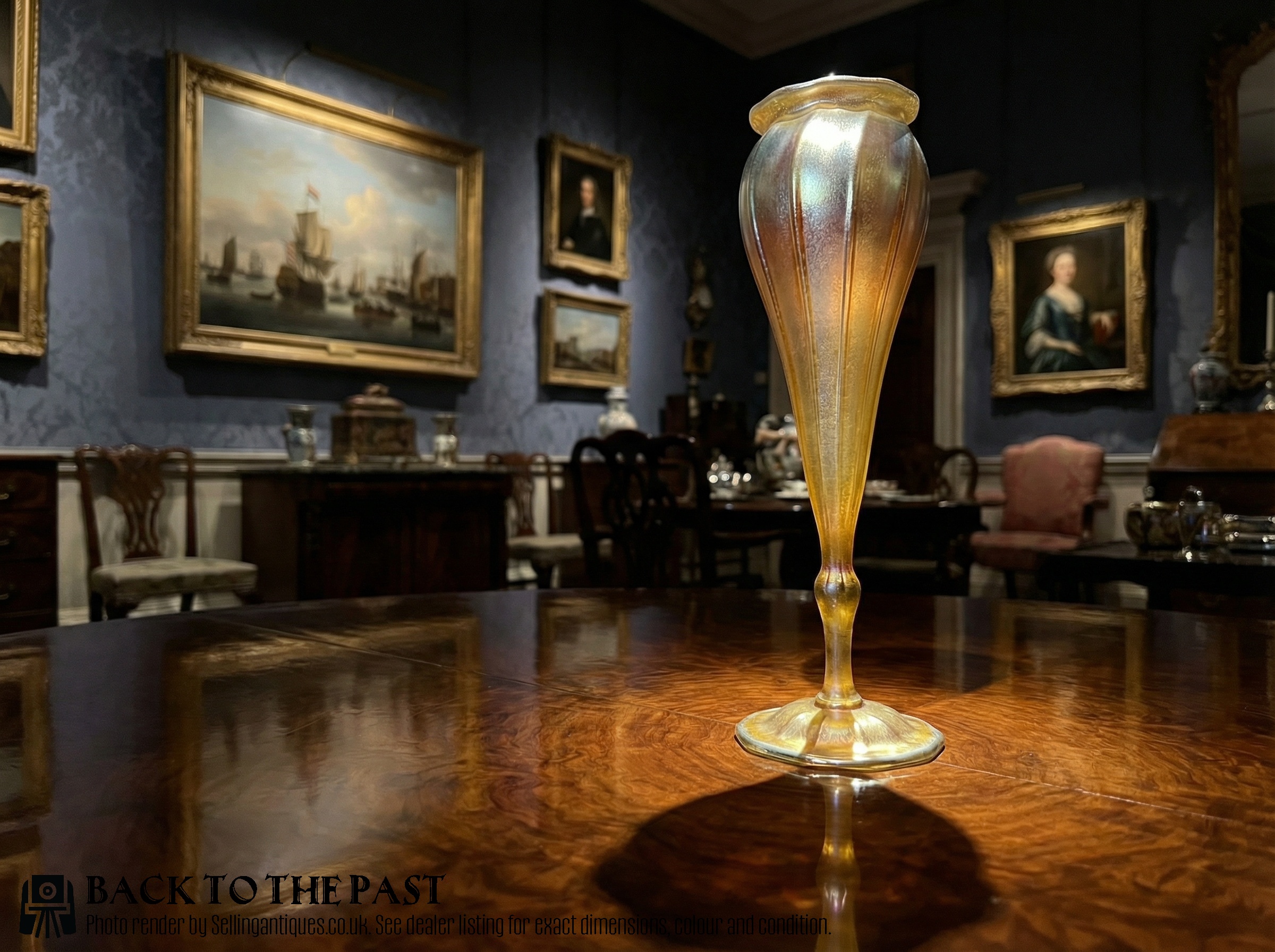
Edwardian Art Glass
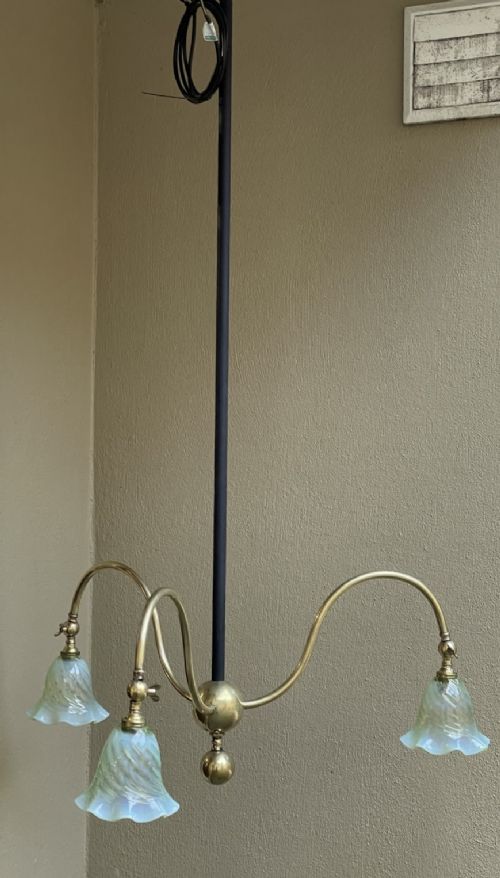
Buyers seeking edwardian art glass encounter decorative vessels, scent bottles, and decanters shaped by the aesthetic movements of the early twentieth century. These pieces often feature organic silhouettes associated with Art Nouveau alongside the structural restraint of the Edwardian period.
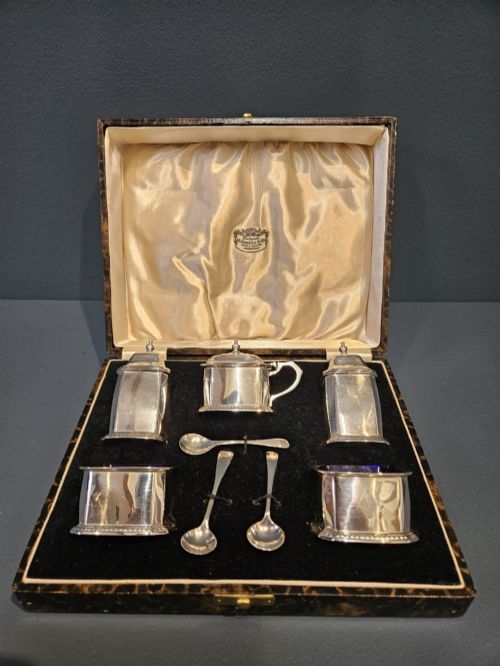
The selection includes cameo glass vases and silver-mounted scent bottles that reflect the collaborative craftsmanship between glassmakers and silversmiths. Such items demonstrate how utilitarian containers were elevated into decorative objects during the Edwardian era.
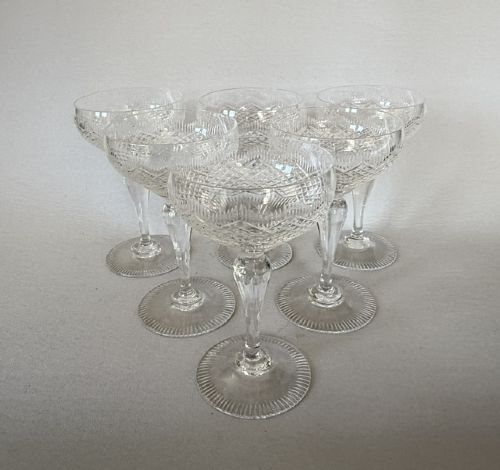
Many examples integrate cut glass bodies with precious metal mounts, bridging the gap between domestic utility and cabinet display. This category captures a distinct moment when traditional glass cutting met fluid, nature-inspired design.
Assessing quality
Quality rests upon the depth and precision of the glass cutting or cameo carving, where crisper details and balanced proportions distinguish superior items. The integration between glass bodies and metal mounts also dictates standard.
The weight of the metal and the clarity of the glass ground reveal the ambition of the original maker. Finer items exhibit a harmonious balance between the decorative metalwork and the underlying glass form.
Several scent bottles survive because Victorian and Edwardian ladies carried them constantly inside velvet-lined travelling cases.
Galle·R Lalique·Loetz·Henry Clifford Davis·Arthur Fenwick·Mappin & Webb
The Edwardian Art Glass Glossary
- Cameo glass
- A vessel formed of multiple layers of differently coloured glass fused together, with outer layers carved away to create a raised design. This technique requires considerable skill to achieve consistent depth and contrast.
- Hobnail cut
- A distinct geometric pattern featuring rows of protruding diamond shapes cut into the glass surface. This style maximises the refractive qualities of heavy lead glass.
- Guilloche
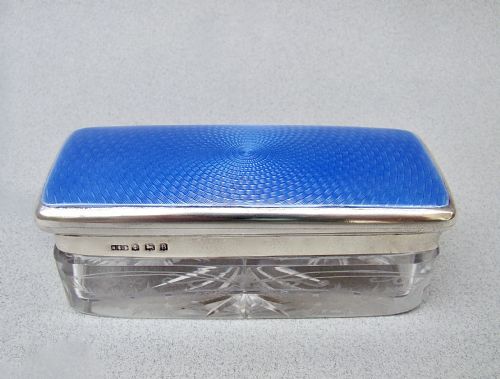
- An intricate decorative engine-turned pattern engraved into metal beneath a translucent layer of enamel. It frequently appears on dressing table jars and scent bottle caps from the period.
- Silver mount
- A fitted collar, lid, or base fashioned from sterling silver that encases or reinforces a glass vessel. These mounts often carry full hallmarks that assist in dating the piece.
Edwardian Art Glass: Frequently Asked Questions
Were these glass items purely decorative?
Many pieces served practical functions on dressing tables, dining rooms, and drawing rooms. Scent bottles held perfumes, while decanters and jugs served wine and liqueurs.
Over time, their decorative qualities led owners to display them in cabinets rather than use them daily. Their survival in good condition reflects this shift toward preservation.
How can I tell Edwardian glass from Victorian pieces?
Edwardian items typically embrace lighter colour palettes and flowing Art Nouveau motifs compared to the heavier, ornate styles of the Victorian era. The integration of cleaner lines often signals the turn of the century.
Silver hallmarks on the mounts provide a definitive date for many pieces. Comparing the weight and cutting style also helps differentiate the decades.
What should I display edwardian art glass in?
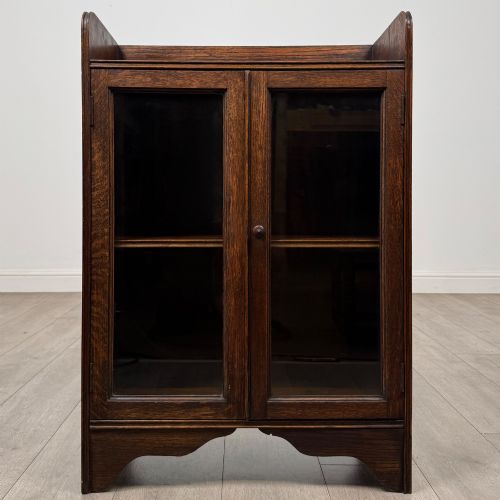
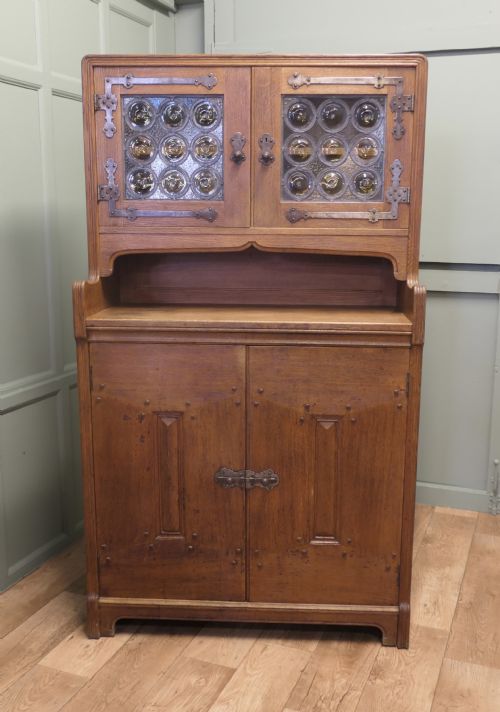
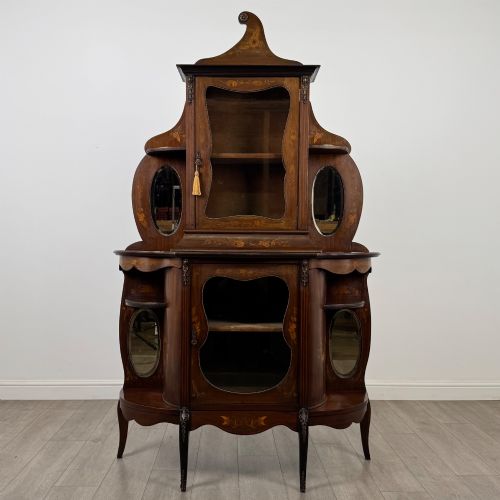
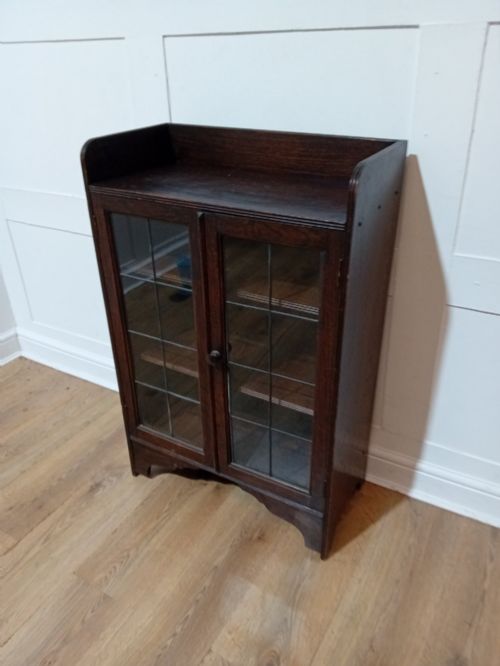
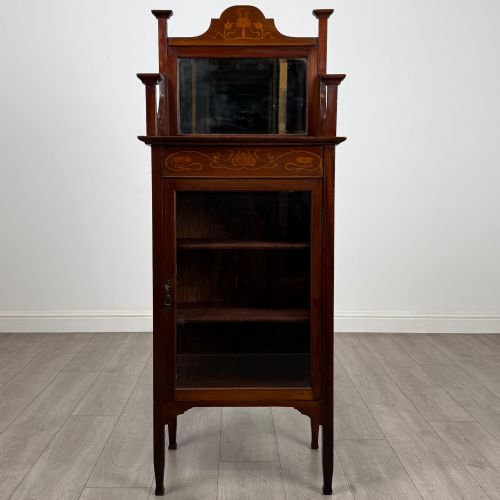
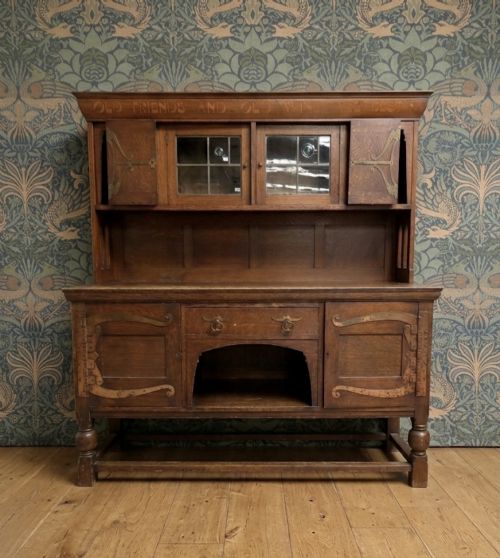
Glass vessels benefit from placement inside glazed cabinets where natural light can pass through them. Oak and mahogany display cases from the same period provide a sympathetic backdrop.
Ensure shelves are stable and avoid exposing coloured glass to direct, intense sunlight for prolonged periods. Adequate spacing allows individual forms to be appreciated properly.