



Edwardian Green Glass
Edwardian green glass brings a vibrant, rich hue to domestic interiors through vessels, lighting and tableware made at the start of the twentieth century.
Edwardian Green Glass
Edwardian green glass encompasses a diverse array of utilitarian and decorative objects produced predominantly in the early twentieth century. Pieces ranging from heavy apothecary bottles to delicate hock glasses and wine sets demonstrate the period's fondness for saturated colour.
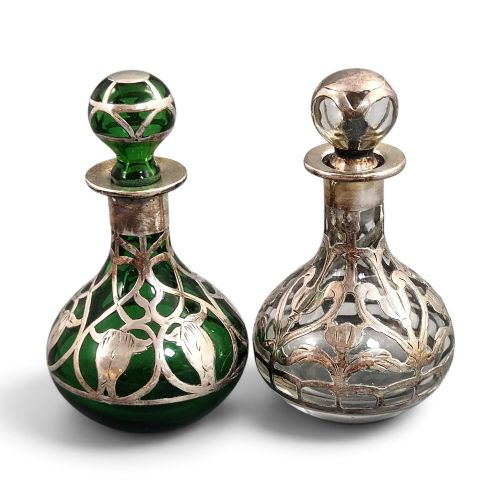
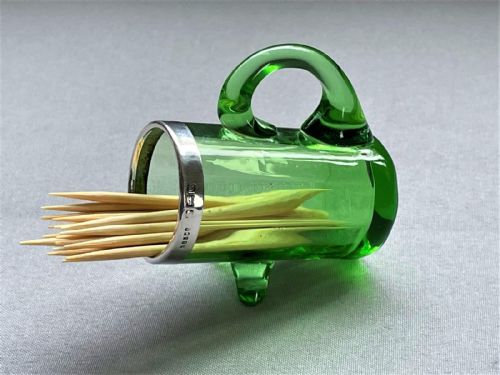
Vessels designed for the table and vanity are the forms most frequently encountered on this page. These include matched sets of wine glasses, finger bowls, scent bottles and silver-mounted match strikers intended for Edwardian parlours and dining rooms.
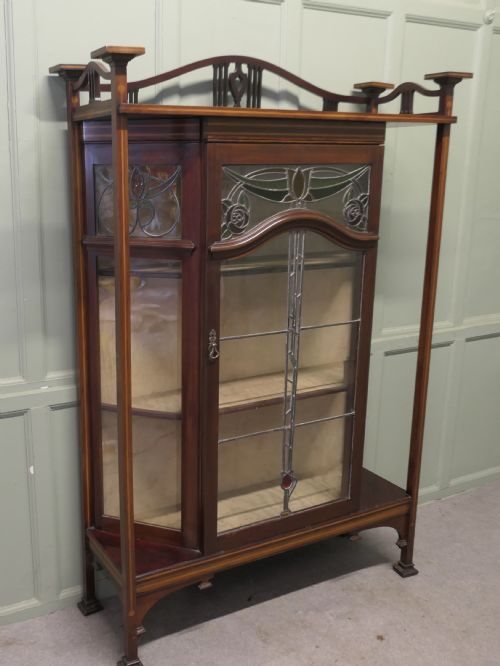
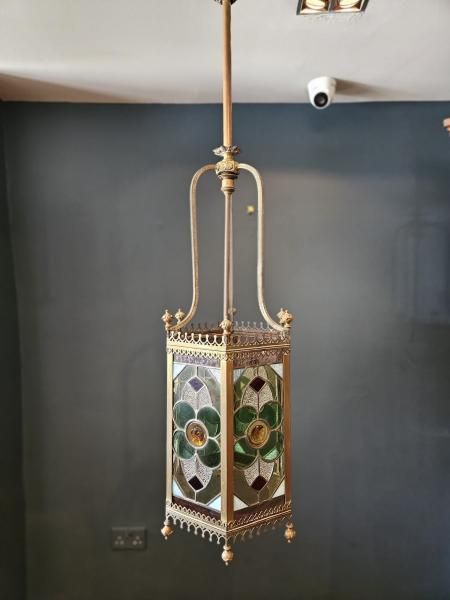
Beyond tableware, the material found application in structural and decorative contexts. Stained glass panels, leaded windows and lighting fixtures incorporate green glass to diffuse light and introduce organic motifs into domestic architecture.
Materials and Techniques
Makers utilised free-blowing, optical blowing and mould-blowing techniques to shape the molten material. These methods produced both smooth, translucent surfaces and textured finishes with internal bubbles or optical ripples.
Several items designed for lighting domestic spaces incorporate green glass bulbs and shades.
Evaluating Quality and Craftsmanship
Differentiation in quality rests upon the sophistication of the glass-making process and the artistry of surface decoration. Hand-blown pieces with deep, even colouration and precise optical effects sit above mass-produced utilitarian containers.
The inclusion of precious metal mounts alters the standing of an object. Sterling silver collars bearing clear hallmarks by established silversmiths elevate standard glass vessels into luxury goods of the period.
Shapland and Petter·Loetz·James Powell·Archibald Knox·William Comyns·Henry Matthews
The Edwardian Green Glass Glossary
- Bristol green
- A deep, vibrant shade of dark green commonly used for Victorian and Edwardian wine glasses and apothecary bottles.
- Hock glass
- A tall-stemmed wine glass traditionally used for German white wines, often featuring coloured bowls and cut or enamelled decoration.
- Match striker
- A heavy glass container with a textured or ribbed lower section designed for igniting safety matches.
- Carboy
- A large, bulbous glass bottle or container, frequently hand-blown, used historically for holding liquids in bulk.
Edwardian Green Glass: Frequently Asked Questions
How were green glass apothecary bottles used?
Apothecary bottles served as storage containers for medicines, chemicals and tinctures in pharmacies and doctors' surgeries. The dark pigmentation protected light-sensitive compounds from degradation.
Today, these functional bottles survive as decorative objects, valued for their deep colour and tactile, heavy glass walls.
How do I care for antique glass?
Antique glass requires gentle handling and should be washed by hand in lukewarm water using mild detergent. Avoid sudden temperature changes to prevent cracking.
Items with silver mounts or hand-painted details need special care to protect the metal and pigment from harsh cleaning agents.
How can I tell Edwardian glass from Victorian pieces?
Edwardian glass often reflects lighter, more fluid Art Nouveau aesthetics, moving away from heavy Victorian ornamentation towards stylised floral motifs and brighter tones. Examining accompanying silver hallmarks provides precise dating.
Archival records and maker signatures also help distinguish pieces produced after 1901 from earlier nineteenth-century manufacture.