

Antique Gold Glass
Antique gold glass brings together the warm shimmer of gilded frames, reflective mirrors, and gold-mounted trinkets that catch the eye across centuries.
Antique Gold Glass
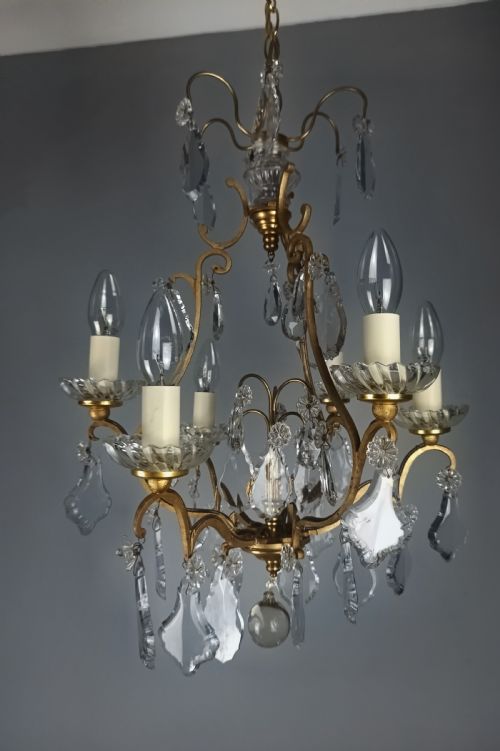
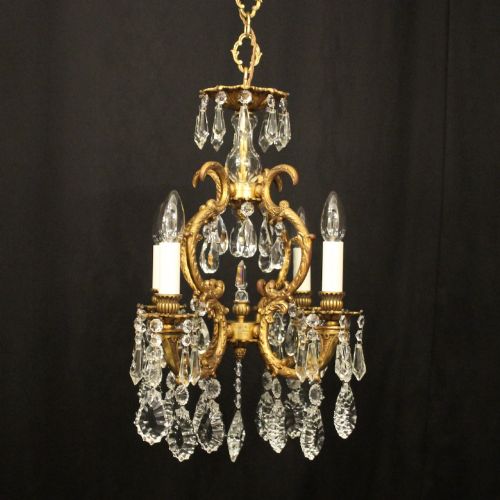
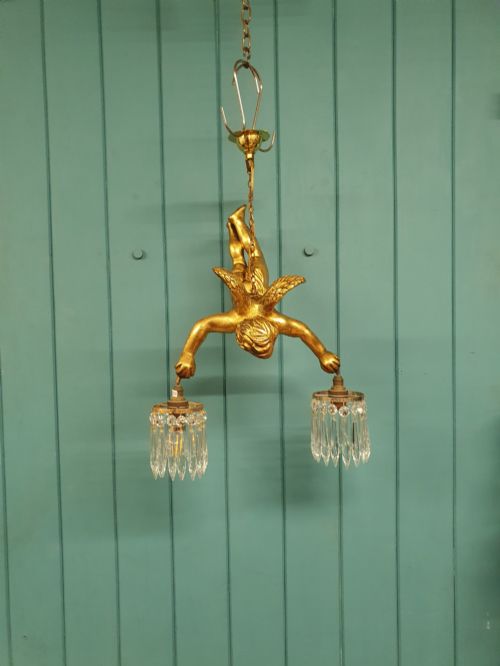
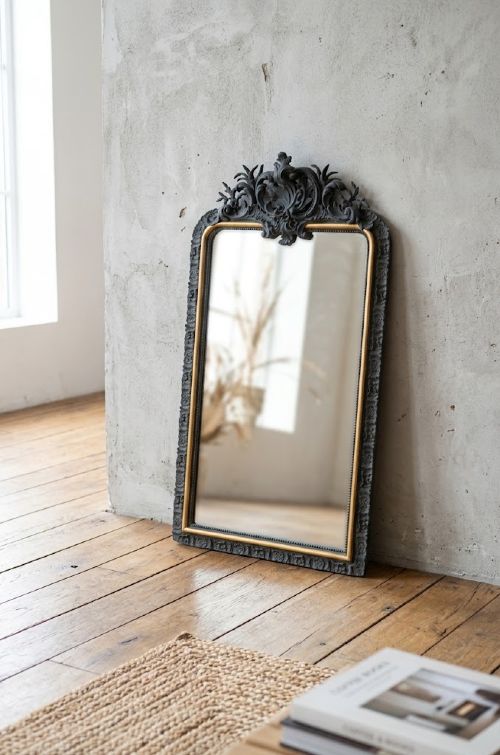
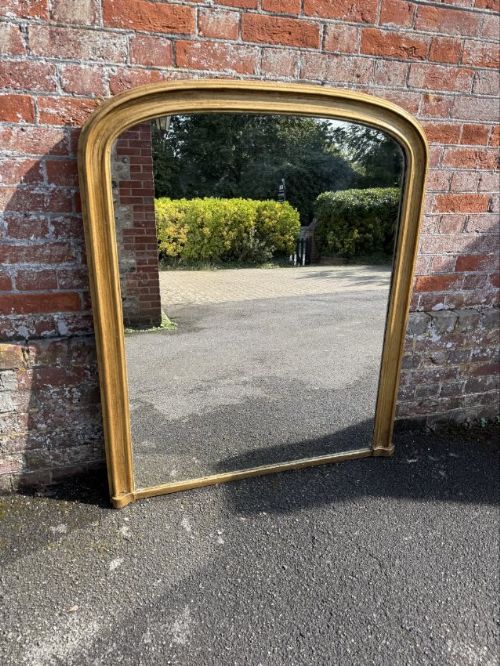
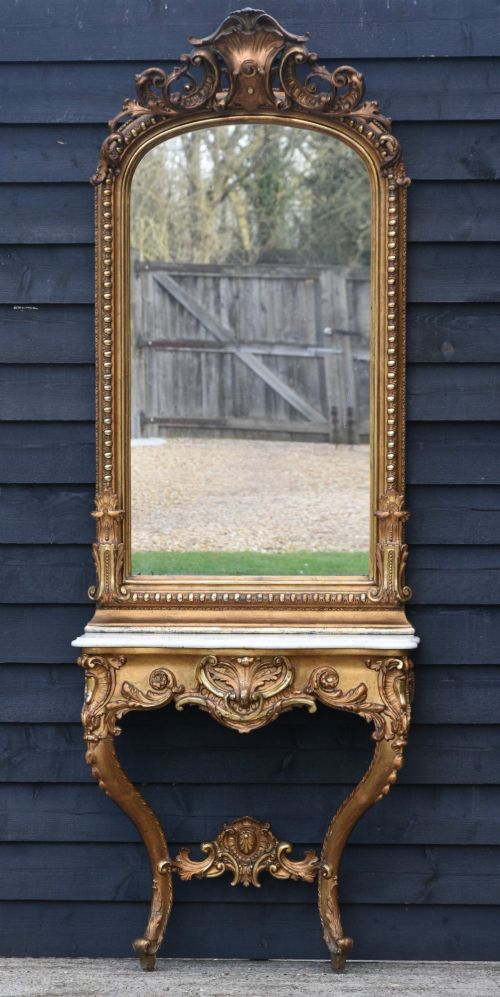
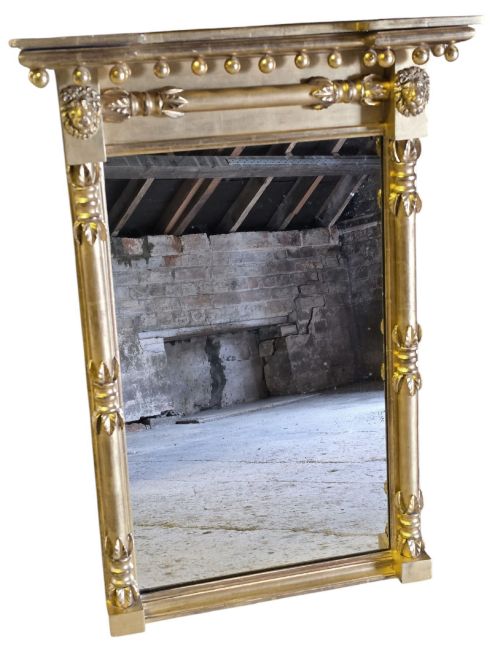
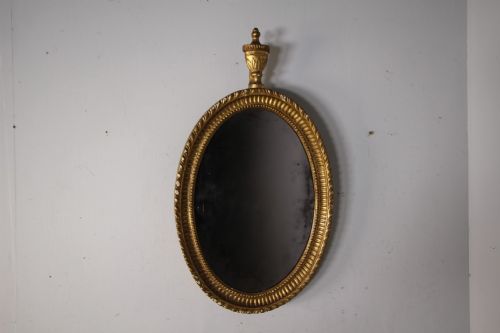
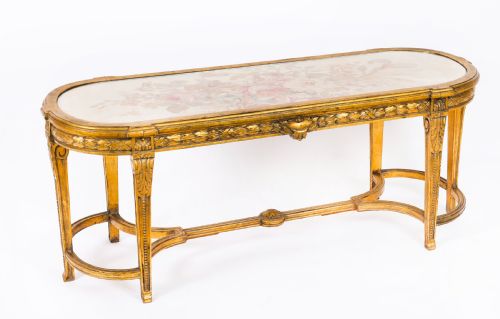
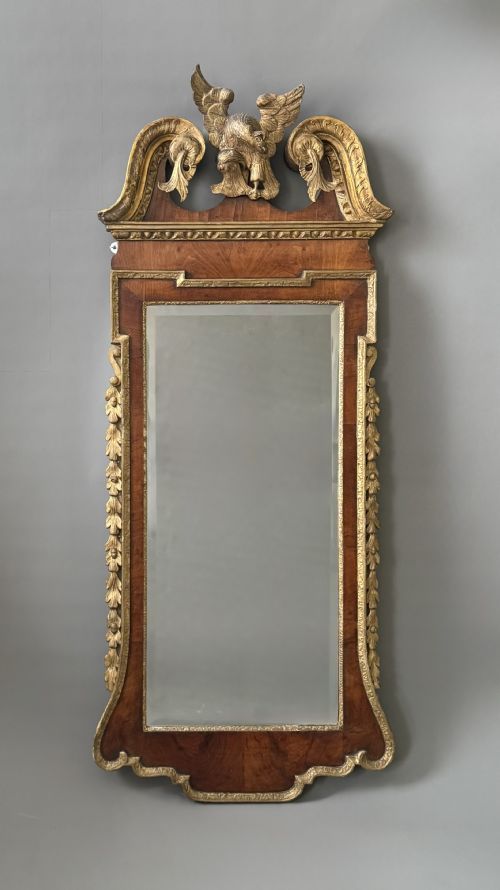
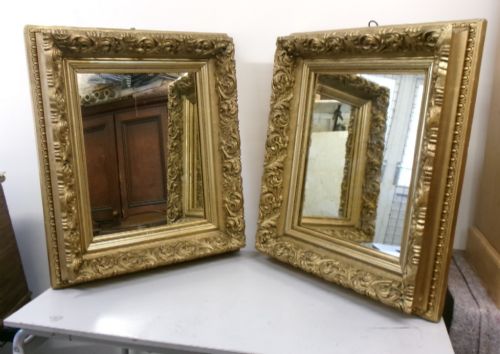
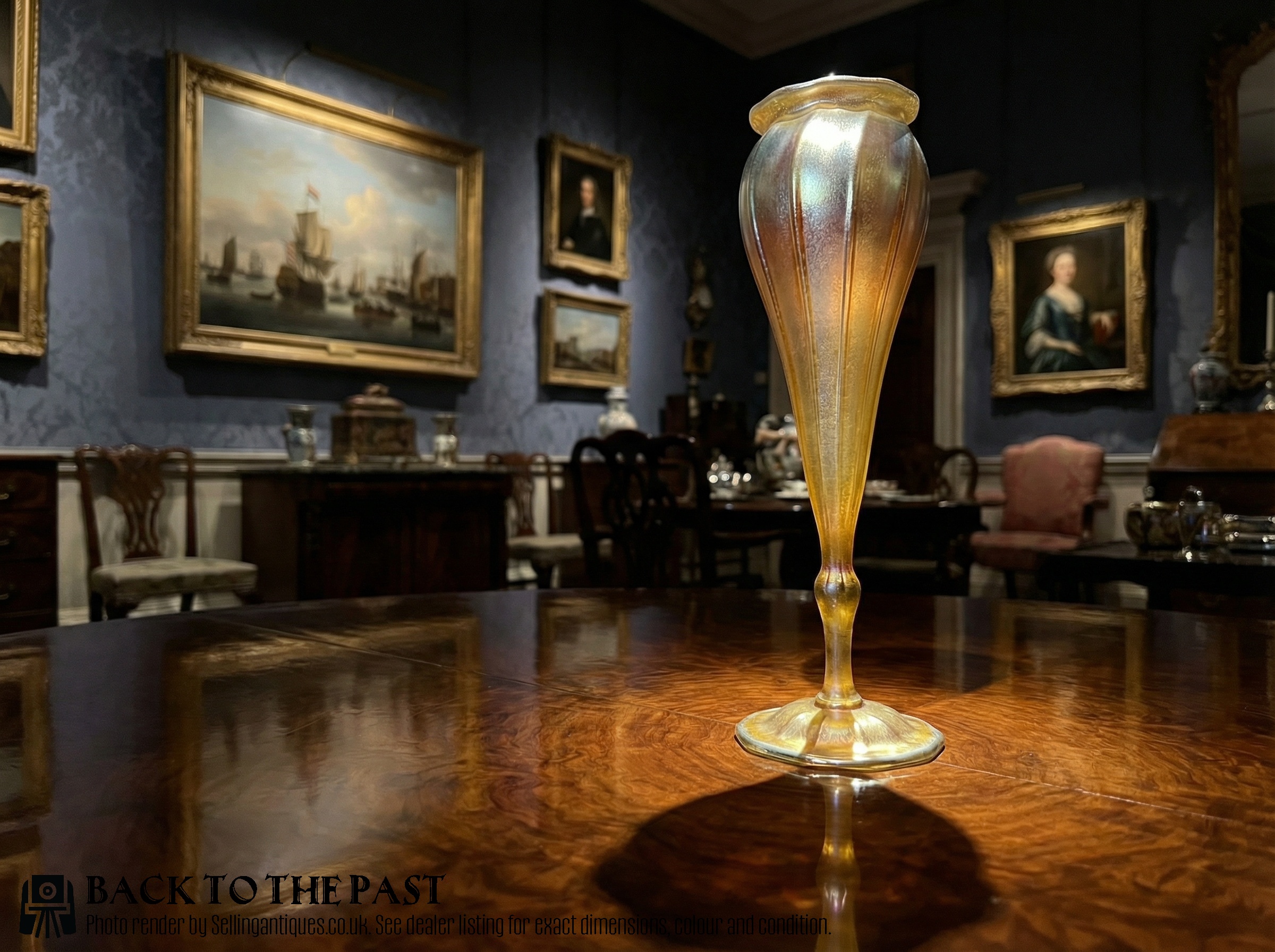
When searching for antique gold glass, collectors encounter a diverse selection of items including mirrored wall pieces, decorative scent bottles, jewellery, and lighting. The most common manifestations on this page are grand nineteenth-century giltwood and gesso mirrors, alongside smaller nineteenth-century glass vessels featuring hand-painted gilt details.
The objects span multiple periods from the eighteenth century through the Edwardian era and the 1930s, reflecting changing domestic tastes in Britain and France. Wall mirrors and overmantel glasses dominate the selection, often rendered in Regency, Victorian, or French Rococo revival styles.
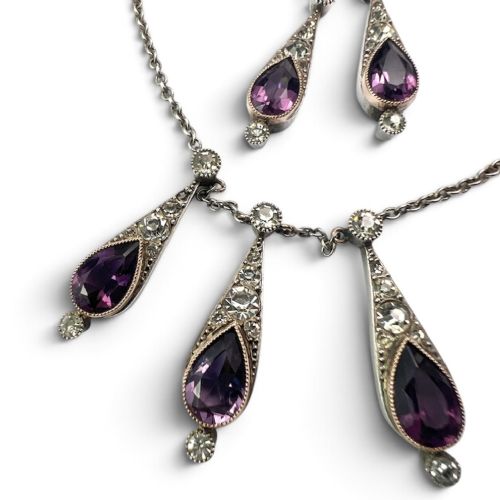
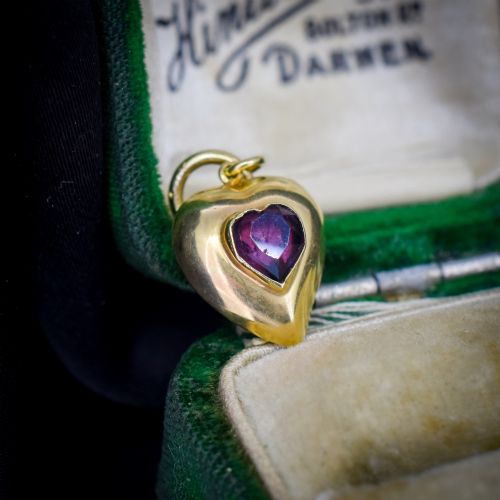
Beyond wall furnishings, smaller items such as paste and gold jewellery sets, chatelaine scent bottles, and glass pitchers provide touches of period craftsmanship. These varied forms share a reliance on reflective surfaces and gold accents to brighten period interiors.
Materials and Techniques
The creation of these pieces relies on traditional woodwork, metalwork, and glass-blowing techniques combined with surface gilding. Carved wooden frames utilise gesso and composition layers to hold intricate relief decoration before receiving applications of gold leaf or gilt paint.
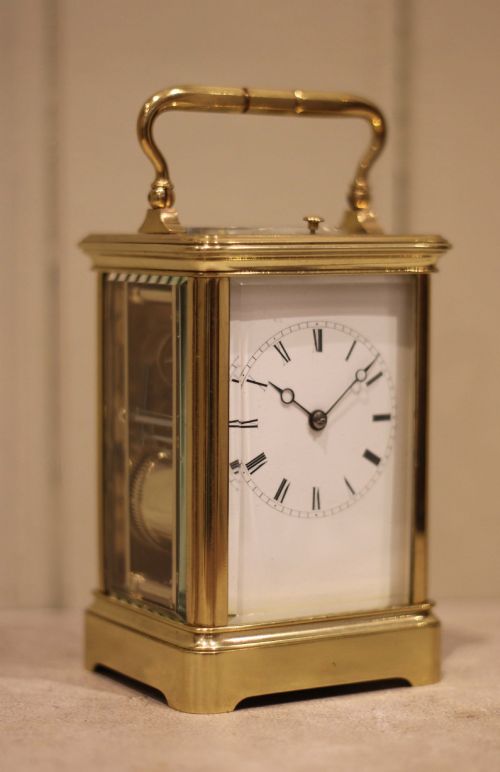
Glass elements range from blown pitchers with hand-painted gilt applique to mercury glass plates and cut scent bottles mounted in gold or brass. Metal components incorporate cast brass, gilt bronze, and various carats of gold used in jewellery settings and chatelaines.
Several items feature glass eyes staring back from unexpected places, including novelty desk tidies shaped like lizards.
Assessing Quality
Quality in these objects rests upon the depth of the carving, the crispness of the gilding, and the preservation of the original materials. Superior frames exhibit hand-carved wooden details rather than heavy moulded composition, while glass items show clarity and precise hand-applied gilding.
The integrity of the mercury glass or mirror plate also dictates the standard of the piece, alongside the finesse of metal mounts on jewellery and scent bottles. Well-preserved pieces retain their original surface patination without excessive restoration to the gold leaf or glass body.
The Antique Gold Glass Glossary
- Giltwood
- Wood that has been coated with a thin layer of gold leaf or gold paint. This technique is frequently seen on eighteenth and nineteenth-century mirror frames.
- Gesso
- A plaster-like mixture applied to wooden frames to create a smooth surface for carving and gilding. It allows for intricate relief ornamentation.
- Mercury glass
- A double-walled blown glass filled with a silvering liquid and sealed, popular in the nineteenth century. It produces a reflective, mirror-like sheen.
- Overmantel mirror
- A large mirror designed to be hung specifically above a fireplace mantel. These often feature arched tops and elaborate gilt frames.
- Paste
- Cut and polished glass used as an affordable substitute for gemstones in antique jewellery. It is frequently set in gold or silver mounts alongside glass stones.
Antique Gold Glass: Frequently Asked Questions
What is mercury glass?
Mercury glass is a type of blown glassware featuring a double-walled construction. A liquid silvering solution was introduced between the walls through a pontil hole and then sealed to create a reflective finish.
Despite the name, mercury was rarely used in the process after the early nineteenth century, replaced instead by safer silver nitrate mixtures.
How can I date an antique mirror?
Examine the construction of the wooden frame, the backing boards, and the characteristics of the glass plate itself. Older mirrors often display hand-beveled edges, slight distortions in the glass, and traditional joinery methods on the reverse.
Style indicators such as Regency neoclassical motifs or Victorian gesso decoration also help narrow down the period of manufacture.
Where should I place a gilt wall mirror?
Hang the mirror on a wall where it can capture and reflect natural light from windows to brighten the room. Placing one above a fireplace mantel or a console table follows traditional nineteenth-century interior arrangements.
Ensure the wall fixings are robust enough to support the weight of heavy wood and gesso frames.