


Edo Period Japanese Ceramics
These pieces of edo period japanese ceramics bring centuries of kilns, hand-painted cobalt underglaze, and iron-red enamel directly to a room.
Edo Period Japanese Ceramics
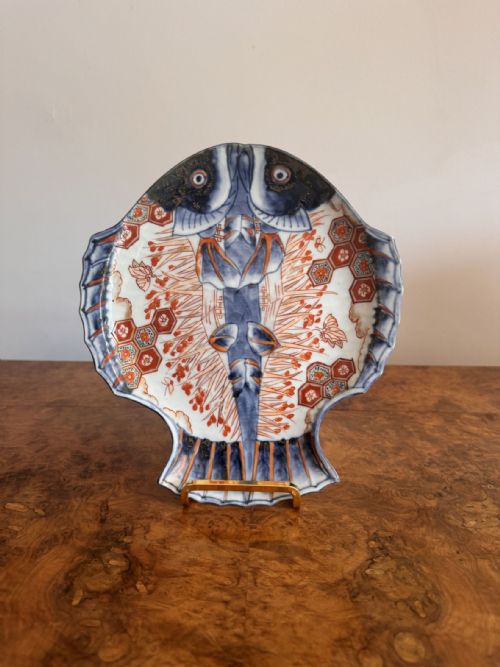
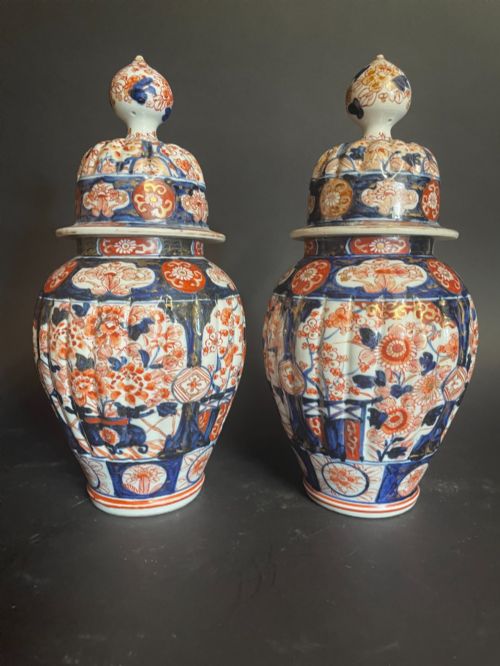
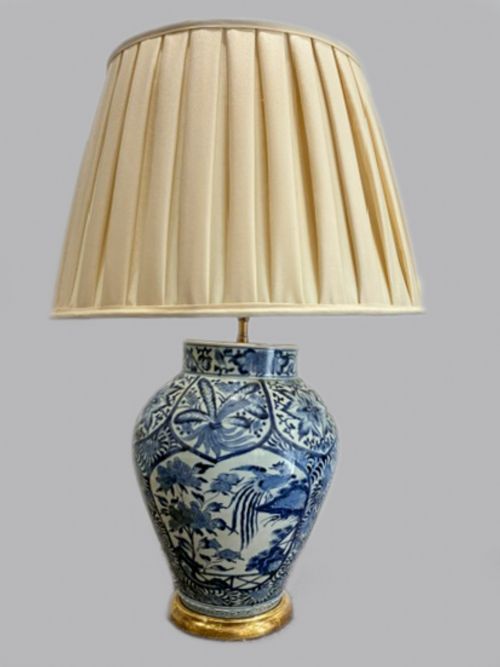
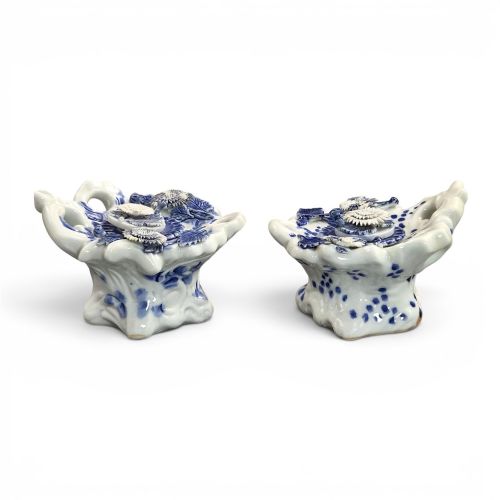
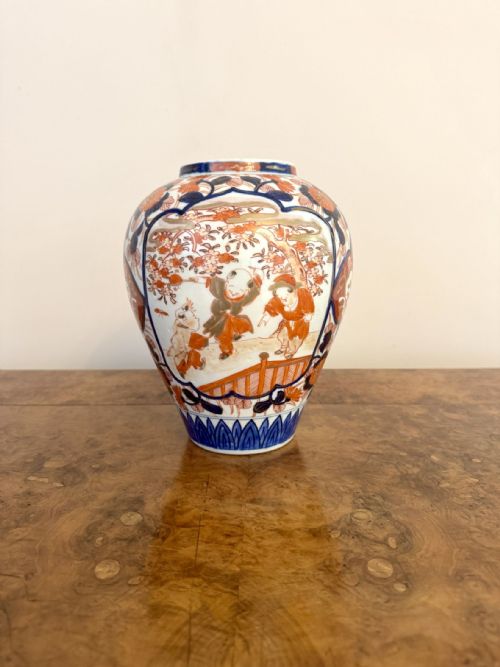
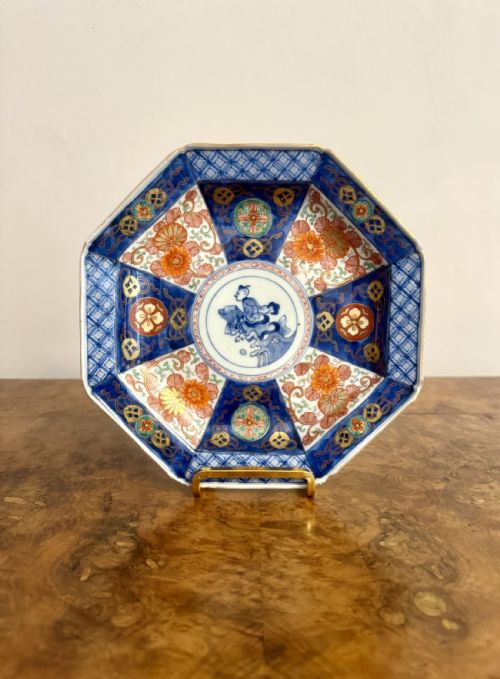
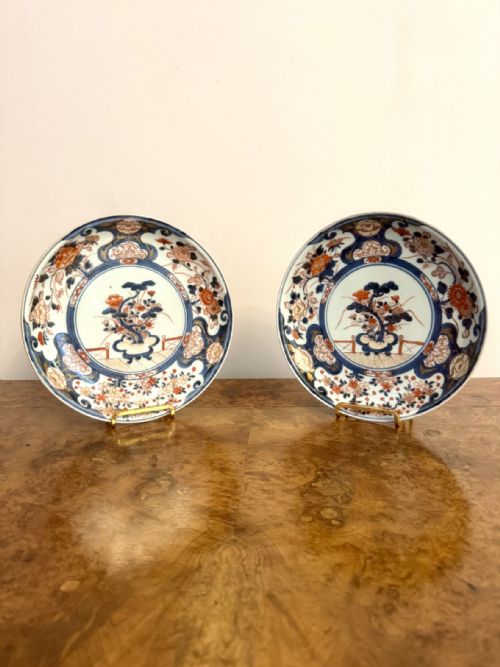
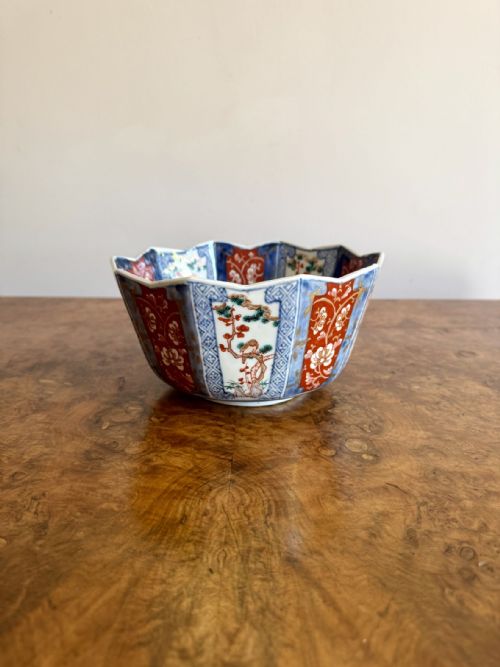
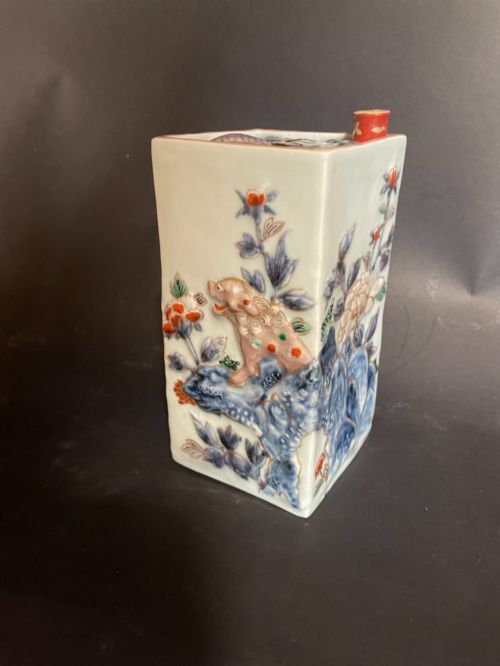
Edo period japanese ceramics encompass wares made across centuries of Japanese history, ranging from small inkwells to large lidded vases. Buyers searching this phrase encounter decorative plates, chargers, bowls, and jars shaped like fish, shells, or squares.
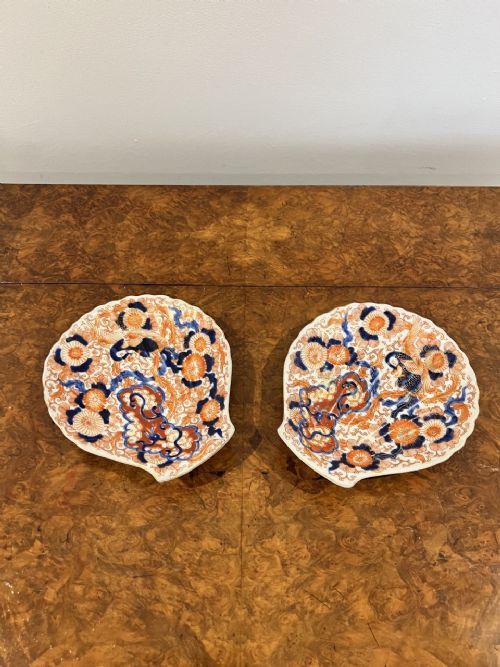
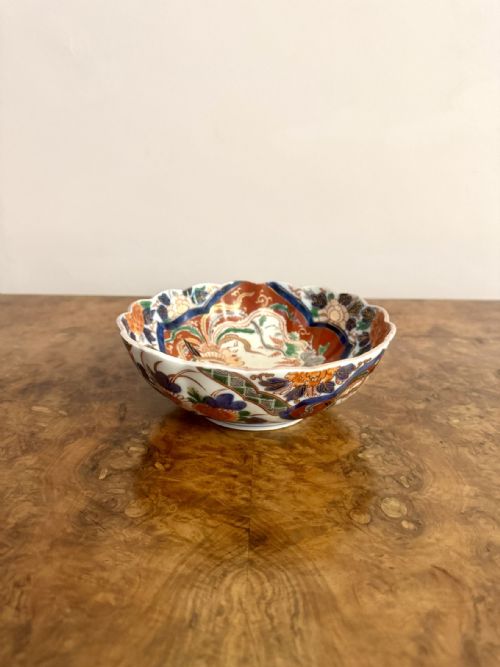
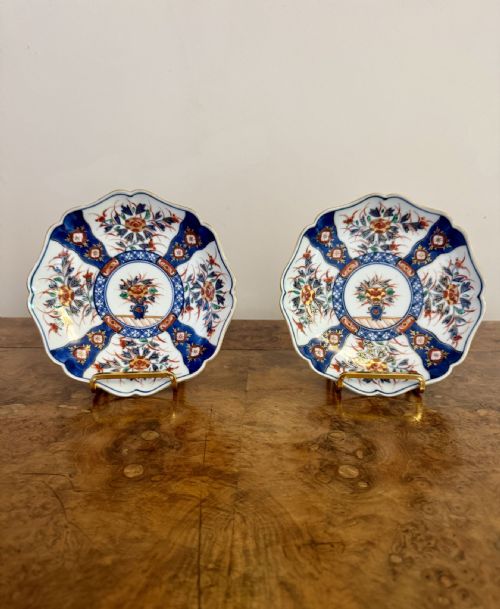
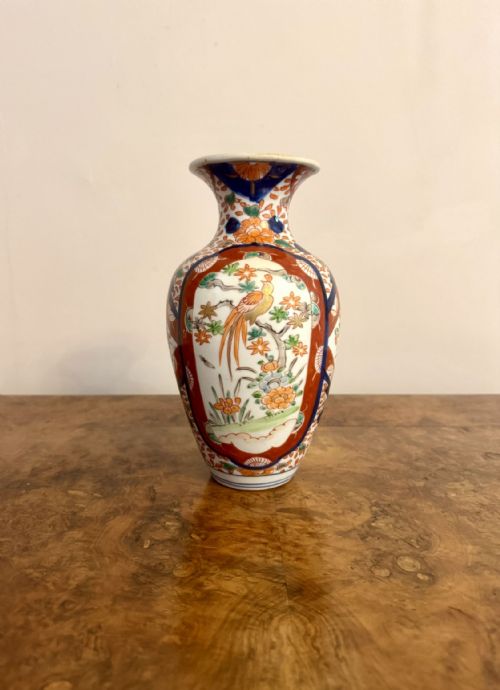
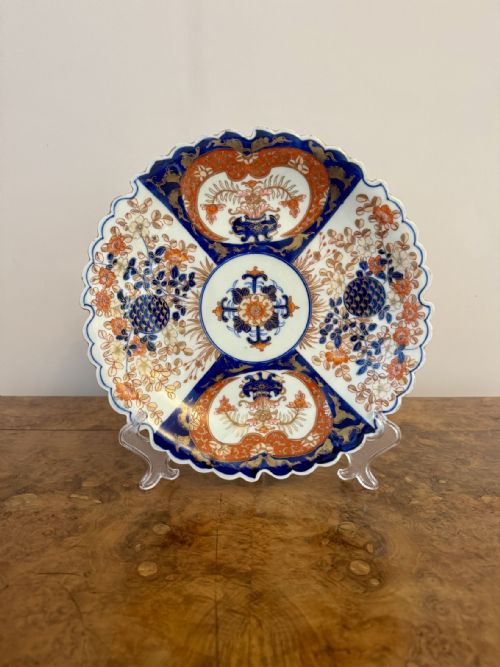
The objects seen here lean heavily toward Imari and Arita wares, often featuring scalloped edges and shaped bodies. These vessels served both decorative functions and daily utility in historical Japanese settings.
Materials and Techniques
Potters built these pieces from porcelain, applying cobalt underglaze beneath clear finishes before adding enamel and gold leaf accents. Kiln workers utilised cobalt glaze and gilding to enrich the surface details of bowls and chargers.
Makers shaped clay into specific forms like clam shells and hexagonal plates, firing the pieces to vitrify the porcelain body. Hand painting brought chrysanthemums, cranes, and intricate patterns to dishes and vases.
Materials recorded across the inventory include cobalt underglaze, enamel, gold leaf, and glaze.
Judging Quality
The tier of a piece rests on the precision of the hand-painted brushwork and the complexity of the palette. Crisp cobalt underglaze combined with well-preserved enamel and gold leaf separates standard items from exceptional ones.
Unusual forms, such as fish or shell shapes and large scalloped chargers, demand greater skill from the potter. Condition and structural completeness also influence the standing of an object within this range.
The Edo Period Japanese Ceramics Glossary
- Imari
- A style of Japanese porcelain exported from the port of Arita, typically decorated in underglaze blue, iron red, and gold.
- Arita
- The town in Japan central to the production of porcelain wares during the Edo period.
- Koro
- A traditional Japanese incense burner, often manufactured in porcelain during the Edo era.
- Tokuri
- A traditional Japanese flask or bottle used primarily for serving sake.
- Gilding
- The application of gold leaf or gold powder to the surface of ceramic bodies for decoration.
Edo Period Japanese Ceramics: Frequently Asked Questions
How do I date these ceramics?
Dating relies on stylistic evidence, kiln marks, and the specific combination of underglaze blue and enamel colours.
Comparing the painting style against documented examples from the seventeenth, eighteenth, and nineteenth centuries helps place a piece accurately.
Were these pieces used daily?
Many larger chargers and decorated plates served as display items in Japanese interiors rather than utility tableware.
Smaller bowls, dishes, and flasks saw practical use for food service and sake drinking during the period.
How should I clean my porcelain?
Dusting gently with a soft, dry cloth is usually sufficient for maintaining the glazed and gilded surfaces.
Harsh chemical cleaners and abrasive scrubbing will damage the delicate enamel and gold leaf decorations.
What is the difference between Imari and Arita?
Arita refers to the geographical production centre where the porcelain clay was mined and fired.
Imari is the port from which these finished wares were shipped, giving the distinct colour-palette style its name.