




Japanese Porcelain Flower Vase
A japanese porcelain flower vase brings centuries of delicate craftsmanship into a room, offering both quiet artistry and functional beauty.
Japanese Porcelain Flower Vase
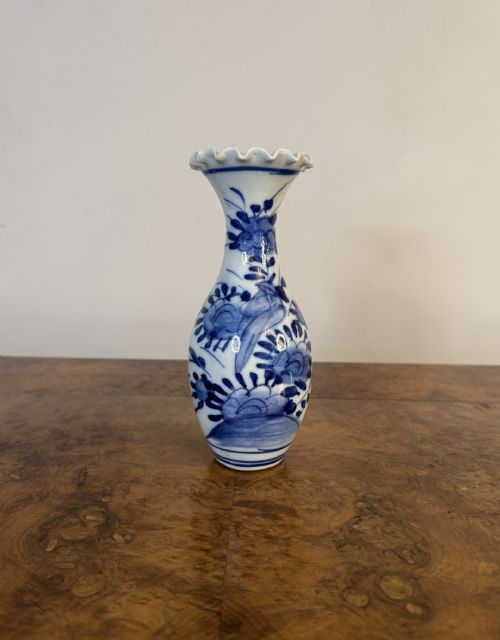
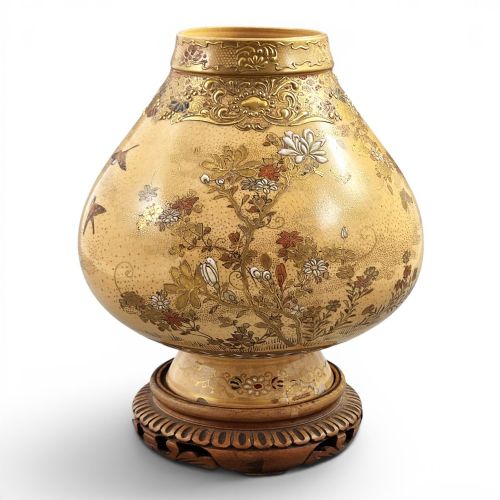
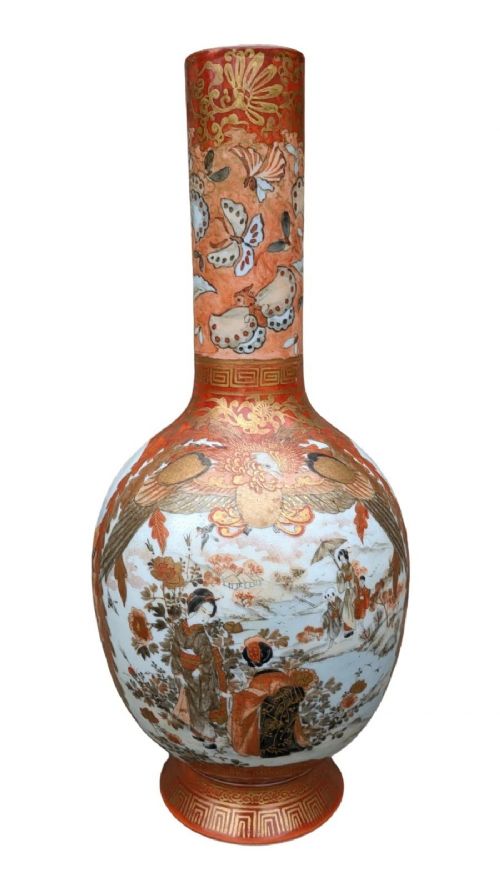
A japanese porcelain flower vase encompasses pieces originating from the nineteenth and early twentieth centuries, spanning the Victorian and Edwardian eras as well as the Meiji period. Collectors encounter distinct regional styles such as Imari, Satsuma, and Kutani, each displaying signature palettes and motifs.
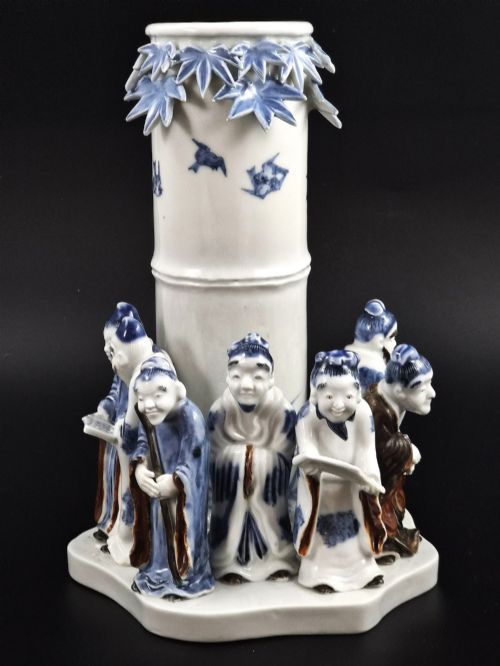
The forms vary from hexagonal shapes and fluted bodies to garlic head vessels and figural bamboo designs. Many examples reflect traditional Japanese aesthetics while others intersect with British Victorian tastes through domestic productions influenced by eastern design.
Materials and Techniques
Makers shaped refined white clay into sturdy vessels before applying mineral pigments, cobalt oxide, and intricate enamel work. Artisans frequently integrated gold leaf and gold gilt to highlight detailed panels depicting samurai scenes or dense floral patterns.
Kiln firing transformed the raw bodies and glazes into durable ceramics, sealing the vibrant pigments beneath protective glass surfaces. Specialised workshops employed hand-painted brushwork to achieve the rich saturation seen across Satsuma and Imari wares.
Japanese Porcelain Flower Vase Retail Price Guide 2026
Typical asking prices for japanese porcelain flower vase among the pieces listed under this phrase on Sellingantiques today, from the lower quarter to the upper quarter. They describe what is for sale here now, not the wider market.
Some vessels feature one thousand individual flowerheads painted by hand, ensuring the artist needed immense patience before tea time.
Assessing Quality
The distinction between standard vessels and exceptional pieces rests upon the precision of the hand-painted brushwork and the complexity of the composition. Superior examples exhibit tightly controlled enamel work and balanced integration of gold leaf rather than heavy, hurried application.
Finer pieces demonstrate greater sculptural ambition through formed bodies like garlic heads, fluted profiles, or intricate figural modelling. The depth of the cobalt oxide and the clarity of the underlying porcelain define the upper tier of the range.
Kinkōzan Workshop·Stevenson and Hancock
The Japanese Porcelain Flower Vase Glossary
- Imari
- A traditional style of Japanese porcelain characterised by a distinctive palette of underglaze blue, iron red, and gold. These pieces often feature complex geometric and floral panels.
- Satsuma
- A type of earthenware or porcelain featuring a cracked ivory glaze richly decorated with polychrome enamels and gilding. Figural scenes and dense botanical motifs frequently appear on these vessels.
- Cobalt Oxide
- A mineral pigment used beneath the glaze to produce deep blue tones during high-temperature firing. It forms the foundation of classic blue and white ceramics.
- Gold Gilt
- A thin layer of gold applied to the surface of ceramics for decorative embellishment. Artisans utilise this technique to accent outlines and key design elements.
Japanese Porcelain Flower Vase: Frequently Asked Questions
How do I care for my vase?
Dust the porcelain gently with a soft, dry cloth to prevent accumulation on the delicate enamel and gold leaf decorations. Avoid using chemical cleaners or submerging the vessel in water.
Keep the piece away from direct sunlight to preserve the richness of the hand-painted pigments over time.
What is the difference between Satsuma and Imari?
Satsuma wares typically display a characteristic ivory glaze with dense polychrome enamels and heavy gilding, often depicting figural scenes. Imari pieces rely upon a contrasting palette of cobalt blue and iron red.
Imari ceramics usually feature crisp geometric and floral patterns directly on the white porcelain body rather than the softer crackle glaze of Satsuma.
How do I identify Meiji period pieces?
Meiji period items correspond to the late nineteenth and early twentieth centuries, a time when Japanese export ceramics reached high levels of technical refinement. Look for intricate hand-painted details and signature workshop names.
These pieces often combine traditional eastern motifs with forms tailored for international collectors of the era.
Can I use these vases for fresh flowers?
Many antique vessels were originally created as decorative cabinet pieces rather than functional water holders. Historic glazes and earthenware bodies can be porous or sensitive to moisture.
It is safer to place a small glass liner inside the vase if you intend to display fresh water and stems.