

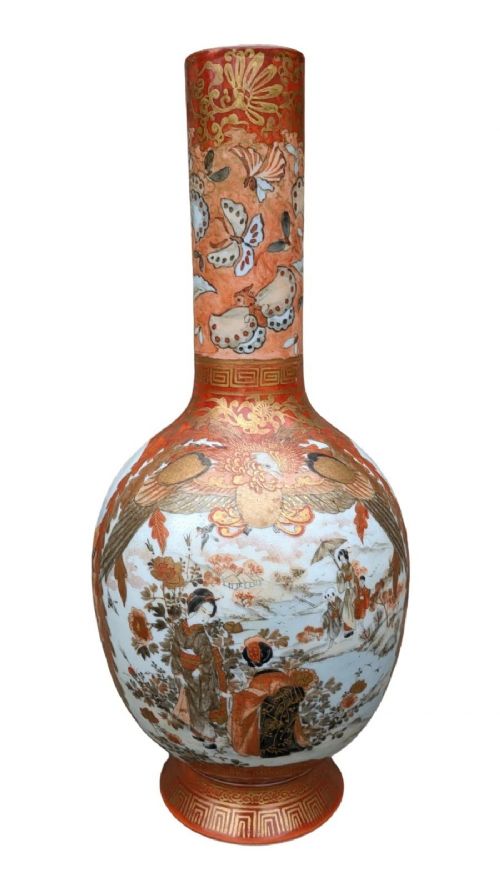
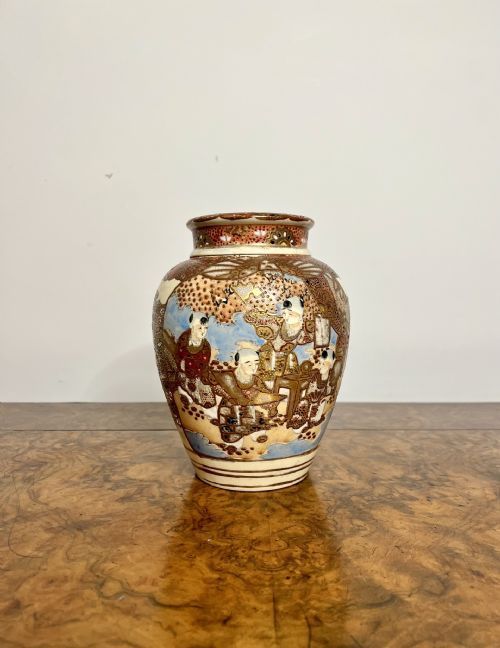
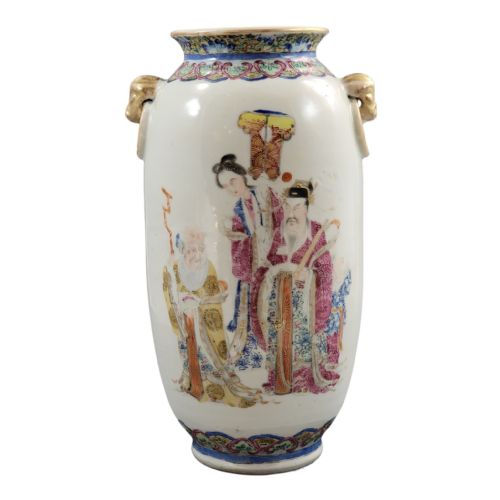


Oriental Figural Porcelain Urn
Oriental figural porcelain urn examples bring painted narrative scenes and historic ceramic traditions straight into your interior.
Oriental Figural Porcelain Urn
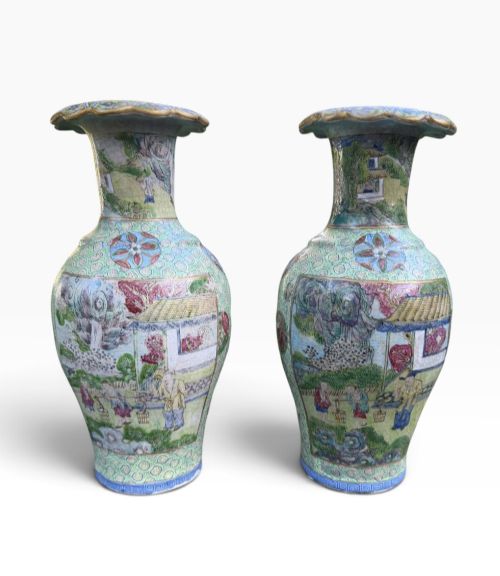
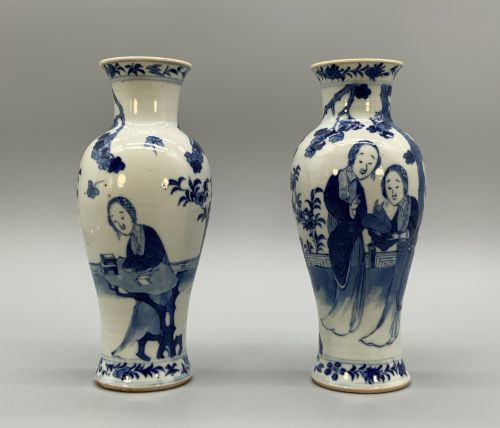
When you search for an oriental figural porcelain urn, you encounter historic decorative vessels originating from Japanese and Chinese workshops. The selection here spans the nineteenth and early twentieth centuries, capturing periods such as the Meiji era and the Qing dynasty.
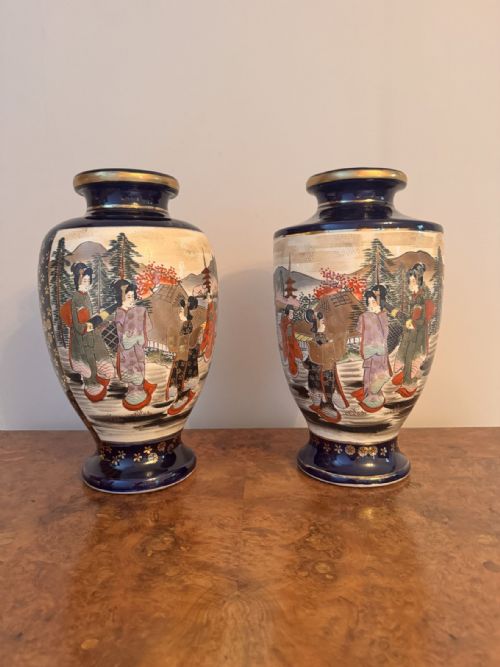
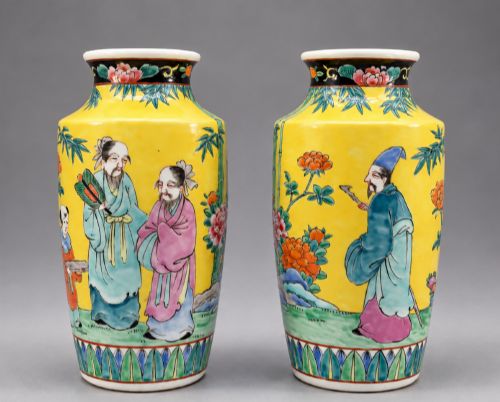
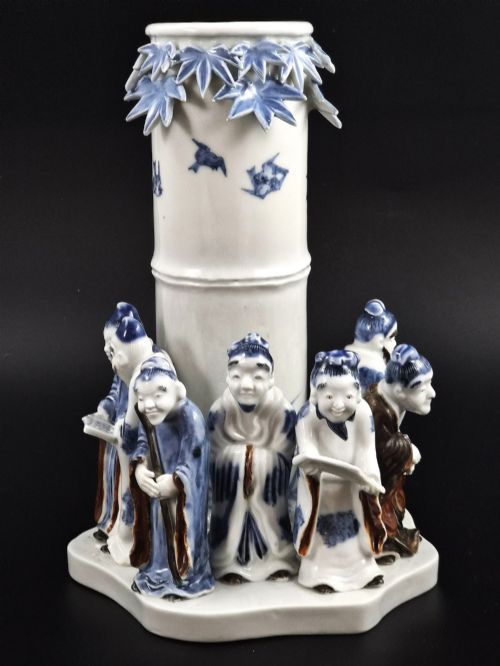
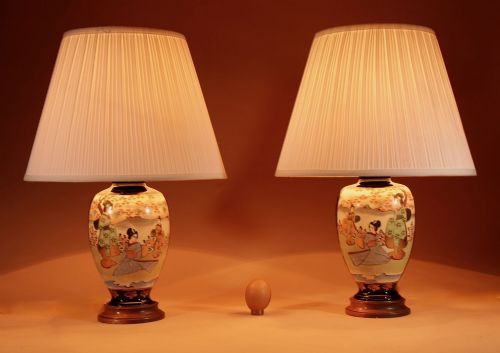
The objects take various forms including vases, ginger jars, lidded vessels, and adapted table lamps. Satsuma ware and blue and white porcelain dominate the physical evidence, often depicting traditional figures, sages, and processions.
Buyers meet both individual display pieces and matched pairs, ranging from miniature cabinet items to large floor-standing containers. Each specimen reflects the specific aesthetic conventions of its regional pottery centre, whether Jingdezhen, Mikawachi, or Kutani.
What varies in quality
The standard of execution separates workshop production from standard commercial output. Finer examples display precise brushwork in the facial expressions of figures and meticulous control over gilding and enamel saturation.
Signed pieces and marked bases from recognised makers elevate the standing of a vessel. The crispness of moulded details like lion handles and the harmony of the palette distinguish the upper tier of the range.
Oriental Figural Porcelain Urn Retail Price Guide 2026
Typical asking prices for oriental figural porcelain urn among the pieces listed under this phrase on Sellingantiques today, from the lower quarter to the upper quarter. They describe what is for sale here now, not the wider market.
Materials documented across the inventory span porcelain, earthenware, enamel, gold leaf, and cobalt oxide.
Kinkozan·Chosei Mark
The Oriental Figural Porcelain Urn Glossary
- Satsuma
- Japanese earthenware featuring a crackle glaze decorated with polychrome enamels and extensive gilding. This style gained massive popularity for export during the Meiji period.
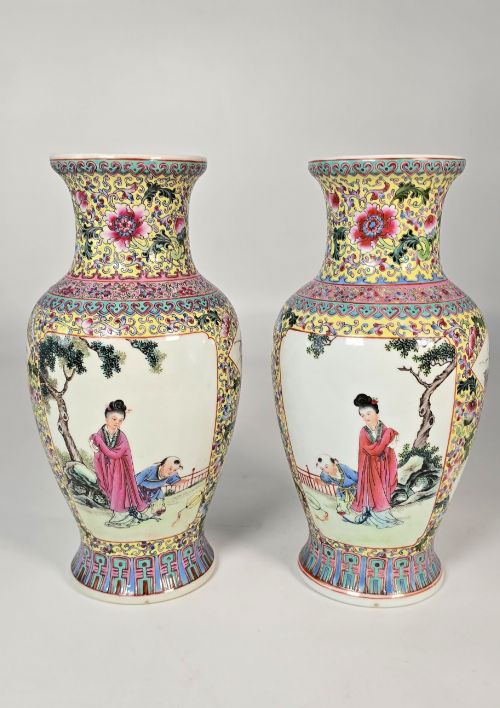
- Famille Rose
- A major palette of Chinese ceramic glazes introduced in the Qing dynasty, characterised by opaque pink or purple enamel derived from colloidal gold. It allowed for subtle tonal gradations in figural robes and floral motifs.
- Moriage
- A Japanese ceramic technique using piped slip to create raised, beaded, or textured relief patterns on the surface. Potters often accented these raised lines with gold paint.
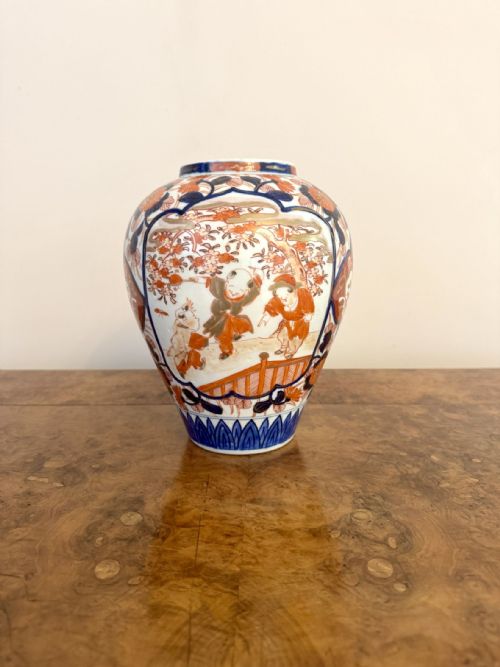
- Imari
- A traditional Japanese style of porcelain decorated in underglaze blue, iron red, gold, and supplementary colours. The aesthetic originated in Arita and heavily influenced European kilns.
- Kangxi Style
- A classification referencing the artistic standards of the Qing emperor Kangxi, known for brilliant cobalt blue pigments and refined white porcelain bodies. Later makers often reproduced these classic aesthetic traits.
Oriental Figural Porcelain Urn: Frequently Asked Questions
How do I identify satsuma ware?
Satsuma ceramics typically present an ivory-coloured, crackled earthenware body decorated with intricate hand-painted figures and dense gilding. They originate primarily from Japanese workshops intended for the export market.
Examine the base for artist signatures or workshop marks, which frequently appear on Meiji period pieces.
What is the difference between kutani and satsuma?
Kutani wares usually feature bold colour palettes dominated by iron red and green, often showing pictorial scenes of sages or lions. Satsuma relies on a softer, crackled cream-coloured background densely covered in gilded figural processions.
Both Japanese traditions flourished concurrently during the late nineteenth century.
Were these urns used as lamps originally?
Most of these vessels served originally as decorative vases, ginger jars, or display urns rather than functional lighting fixtures. Many were subsequently converted into table lamps during the twentieth century by adding electrical fittings.
This adaptation allows historic ceramics to function in modern interiors.
How do I date Chinese porcelain pieces?
Dating relies on stylistic markers such as enamel palettes, reign marks, and the quality of the ceramic body. Pieces associated with the Qing dynasty or Republican period display specific pigment formulations and brushwork styles.
Comparing base markings and decorative motifs against known historical examples helps establish the era of manufacture.