



White Porcelain Figural Vase
These white porcelain figural vase pieces combine sculptural figures with ceramic vessels, offering collectors distinct snapshots of 17th century to 19th century craftsmanship.
White Porcelain Figural Vase
A white porcelain figural vase marries sculptural human forms directly with ceramic vessels, presenting figures ranging from scholars and officials to cherubs and mythical figures like Magu and Shoulao. Buyers seeking a white porcelain figural vase will encounter both European Victorian continental pieces and Asian works originating from Chinese Qing Dynasty workshops and the Japanese Edo Period.
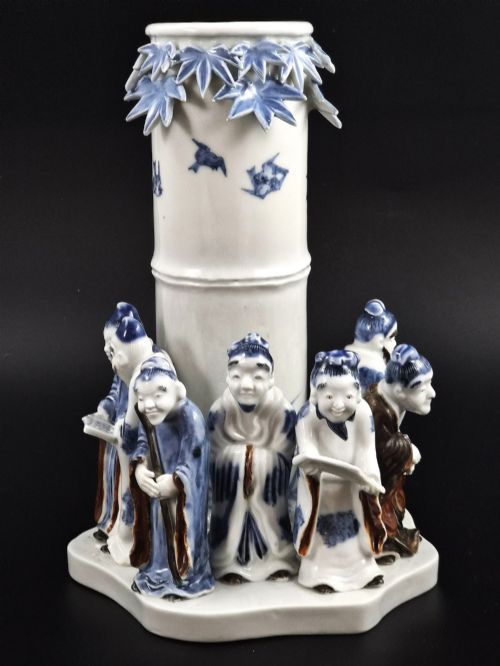
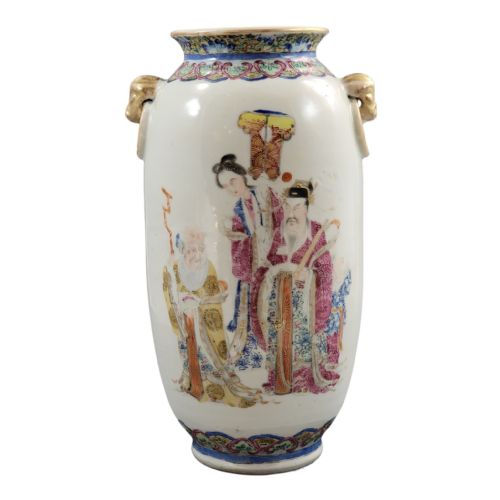
The forms vary widely across the inventory, stretching from baluster vases and ginger jars to brush pots, wine bottles, and lidded urns. Pieces such as the Japanese Hirado bamboo vase or the Chinese famille rose brush pot demonstrate how makers integrated figural narratives into functional ceramic forms during the 19th century and earlier periods.
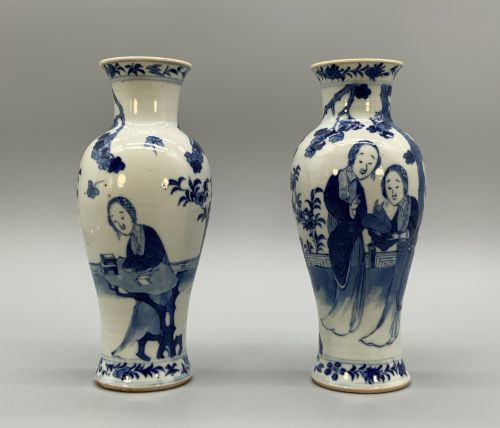
Continental Victorian items sit alongside Kangxi style blue and white vases and famille rose or famille verte baluster vessels. This mix provides collectors with diverse stylistic routes into the category, uniting European figural porcelain with Asian ceramic traditions under a single search.
Materials and production methods
Makers shaped these items primarily from ceramic and porcelain, applying cobalt blue glaze, cobalt oxide, and cobalt underglaze for classic blue and white decoration. These foundational mineral components created durable bodies suited to both delicate brush pots and substantial decorative vases.
Overglaze enamel and gilt additions frequently enriched the surface, bringing vibrant polychrome detail to famille rose and famille verte scenes. Artisans also utilised hand-painted techniques to render intricate scholar scenes, ladies, and sages across various historical periods.
White Porcelain Figural Vase Retail Price Guide 2026
Typical asking prices for white porcelain figural vase among the pieces listed under this phrase on Sellingantiques today, from the lower quarter to the upper quarter. They describe what is for sale here now, not the wider market.
Current listings span the 17th century, 18th-century Edo period, and 19th century, utilising porcelain, enamel, gilt, and cobalt blue glaze.
Factors that separate tiers of quality
The refinement of the hand-painted brushwork dictates much of the distinction between standard production and masterwork pieces. Crisp delineation of facial expressions on figures like scholars or cherubs indicates superior control by the artisan.
Control over the high-temperature firing process and the purity of the white porcelain body further divides the range. Uniform glaze application and precise placement of enamel or gilt highlights demonstrate the elevated skill found in official or exhibition-grade pieces.
The White Porcelain Figural Vase Glossary
- Famille Rose
- A major palette of Chinese ceramic glazes introduced during the Qing Dynasty, distinguished by opaque pink or rose enamel colours. It allowed artisans to render complex figural robes and floral motifs with subtle tonal gradation.
- Famille Verte
- An earlier Qing Dynasty palette dominated by green enamel hues, often combined with iron red, blue, and yellow. This vibrant scheme frequently appears on baluster vases depicting historical or mythical scenes.
- Bitong
- A traditional Chinese brush pot used by scholars to hold writing brushes. These cylindrical containers frequently feature carved or painted figural narratives from literature and folklore.
- Baluster
- A vase shape characterised by a rounded body that tapers towards the base and flares slightly at the neck. This silhouette provides a stable and visually balanced canvas for elaborate figural compositions.
- Edo Period
- A historical division of Japanese history lasting from 1603 to 1867, noted for distinct ceramic output including Arita porcelain and Hirado ware. Pieces from this era often display restrained naturalism and meticulous brushwork.
White Porcelain Figural Vase: Frequently Asked Questions
What periods do these pieces date from?
The inventory spans the 17th century through the 19th century, incorporating Japanese Edo Period items alongside Chinese Qing Dynasty examples and 19th-century European continental works.
Specific production dates extend from early Japanese wine bottles to late Victorian continental lidded vases and 1880s ginger jars.
How do Chinese and European pieces differ?
Chinese pieces often draw on distinct dynasties and imperial styles, such as Kangxi style blue and white work or famille rose scenes featuring scholars, sages, and figures like Magu.
European examples from the Victorian era tend to feature continental porcelain forms, including cherubs with baskets, focusing on sculptural figural integration.
What functions did these ceramic vessels serve?
Many served as decorative vases and urns designed to display floral arrangements or stand as ornamental focal points within scholar's retreats and drawing rooms.
Other items fulfilled specific practical roles, such as brush pots for writing implements, lidded jars for storage, and wine bottles.
How is colour applied to these surfaces?
Makers employed cobalt blue glaze and cobalt underglaze beneath the clear finish for traditional blue and white designs.
Overglaze enamel and gilt layers were added on top of the fired glaze to introduce vibrant multi-coloured figural scenes and metallic accents.