



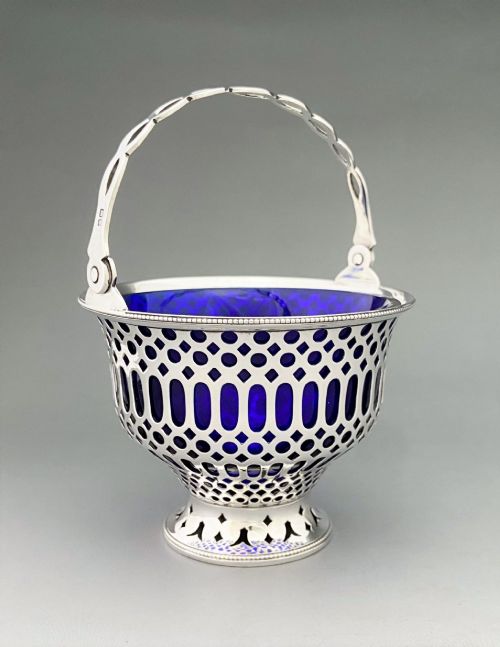
Antique Cobalt Blue Basin
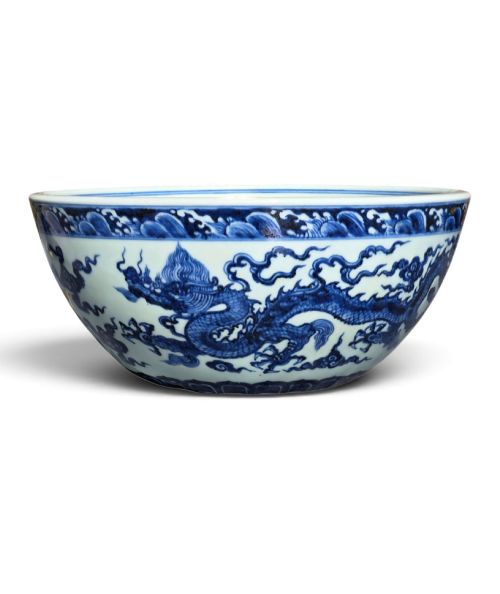
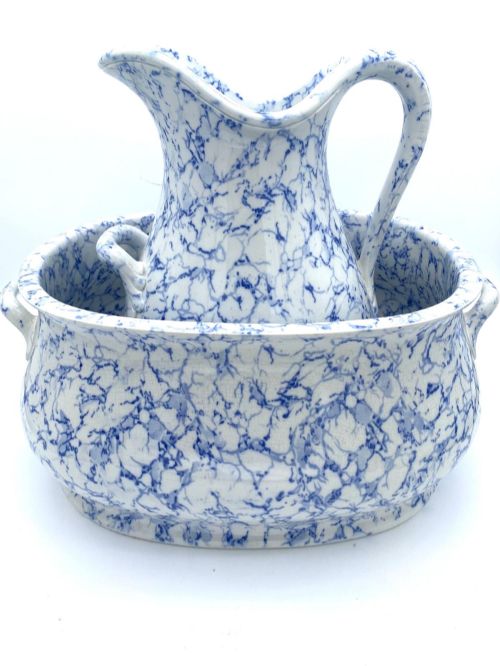
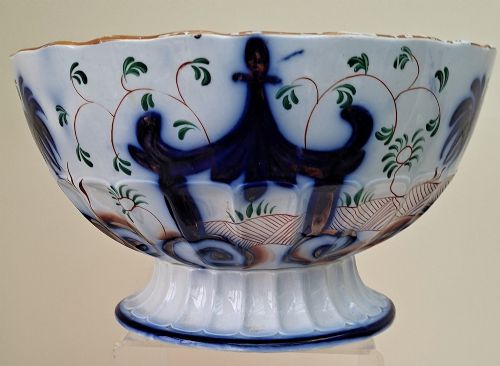
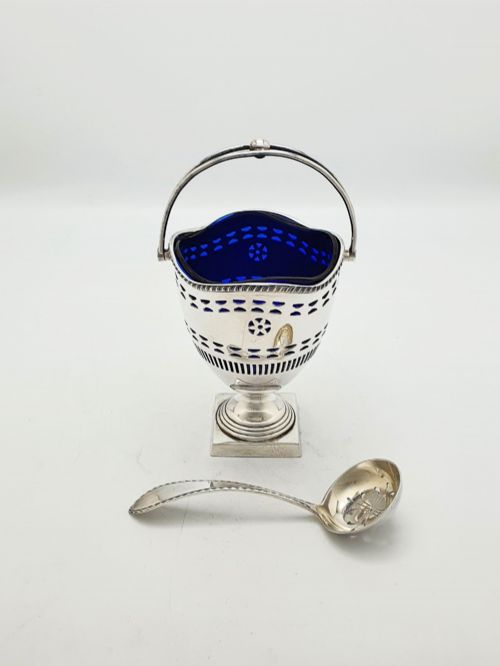
An antique cobalt blue basin brings depth of colour and historical weight to a room, ranging from large earthenware punch bowls to porcelain toilet sets.
Antique Cobalt Blue Basin
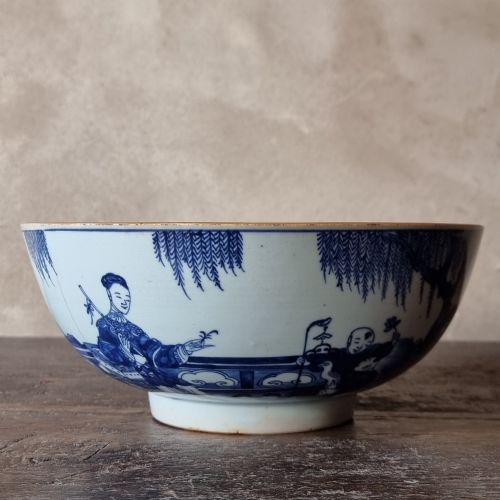
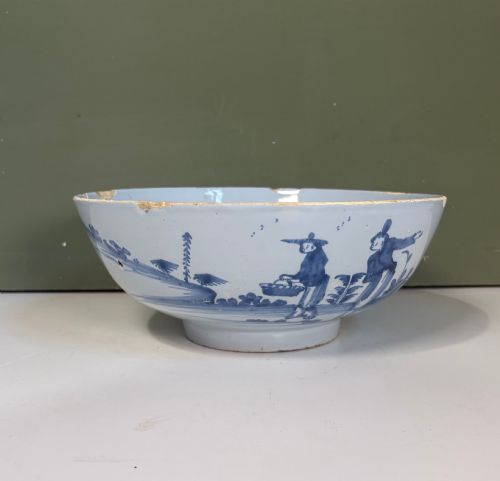
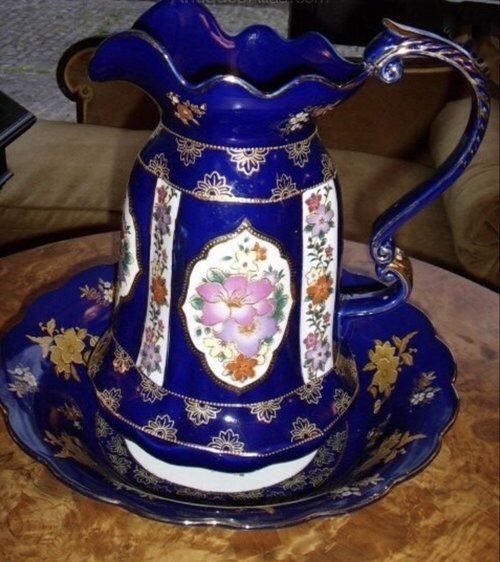
When searching for an antique cobalt blue basin, buyers encounter a diverse range of forms including large punch bowls, jardinieres, and complete jug and basin sets.
Vessels span from domestic washstand sets in earthenware and porcelain to decorative table bowls glazed in deep cobalt hues.
Materials and Techniques
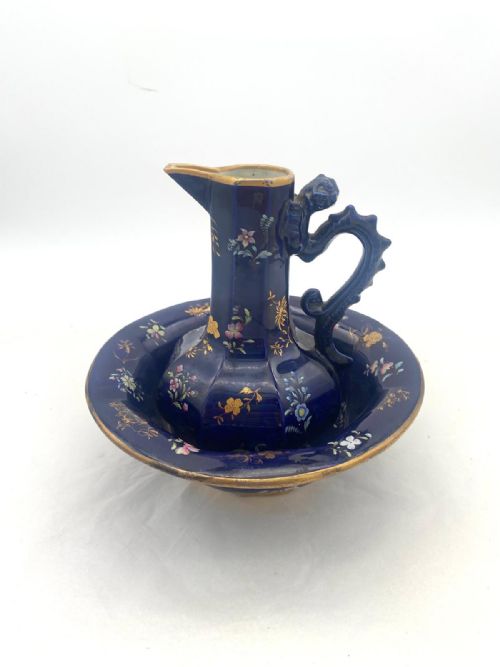
Potters achieved the characteristic deep blue colouring by applying cobalt glaze to clay bodies before firing, often combining the pigment with intricate hand-painted floral or figural designs.
Ironstone and porcelain provided durable surfaces for nineteenth-century domestic sets, while earlier Chinese and Japanese pieces utilised fine-grained clays finished with meticulous brushwork.
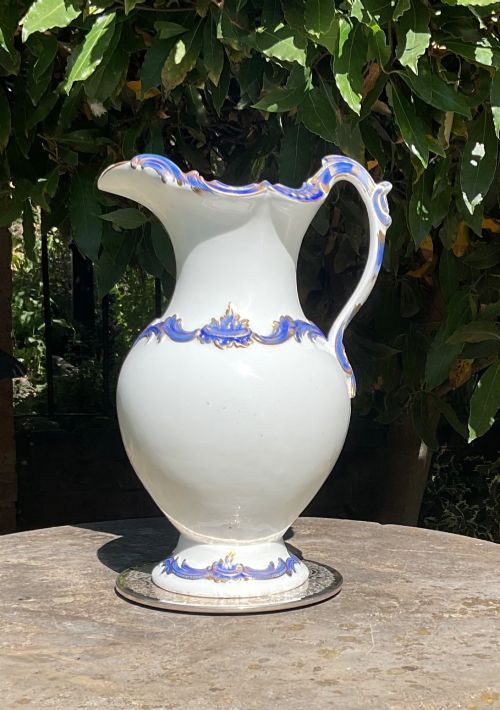
Many ceramic examples incorporate applied gold leaf or gilt details to highlight moulded rims and panels.
Some nineteenth-century basins likely witnessed morning routines involving very cold water and dramatic porcelain wash jugs.
Assessing Quality
Quality in these basins depends primarily on the crispness of the cobalt glaze application and the precision of the hand-painted motifs.
Superior examples display balanced proportions, clean potting without warping, and rich, deep blue tones that remain consistent across the entire surface of the vessel.
Minton·Masons Ironstone·Royal Crown Derby·Doulton Burslem·Ridgway
The Antique Cobalt Blue Basin Glossary
- Cobalt Glaze
- A metallic oxide pigment applied to ceramics to produce an intense blue colour during firing. It withstands high temperatures without losing its characteristic hue.
- Jardines
- Ornamental pots designed to hold large indoor plants or flowers. They often take the form of heavy ceramic bowls.
- Imari
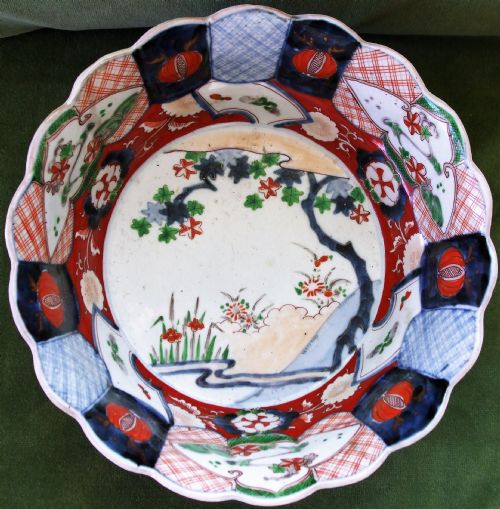
- A style of Japanese porcelain decorated in underglaze blue and overglaze red, gold, and other colours. Production centred on the port of Arita.
- Punch Bowl
- A large, deep bowl traditionally used for mixing and serving communal drinks at social gatherings. Eighteenth-century examples frequently feature hand-painted oriental scenes.
- Ironstone
- A type of durable earthenware patented in the nineteenth century. It combined the strength of stoneware with the refined appearance of porcelain.
Antique Cobalt Blue Basin: Frequently Asked Questions
What were cobalt basins used for?
These vessels served various domestic and decorative functions, from large punch bowls used at social tables to washstand sets in bedrooms.
Jardinieres also held indoor plants, while smaller bowls functioned as tableware.
How do I date a blue and white basin?
Dating relies on examining the characteristics of the ceramic body, glaze consistency, and any maker marks on the base.
Stylistic shifts between eighteenth-century hand-painted motifs and nineteenth-century transfer printing also help determine age.
Where were these ceramics made?
The pieces originate from major European potteries in England alongside significant contributions from Chinese and Japanese kilns.
Asian export wares often travelled to Europe through established trade routes during earlier centuries.
How should I display an antique basin?
Large basins and jardinieres work well on sturdy side tables or pedestals where their painted interiors remain visible.
Placing them away from heavy foot traffic protects the glazed edges from accidental impact.