




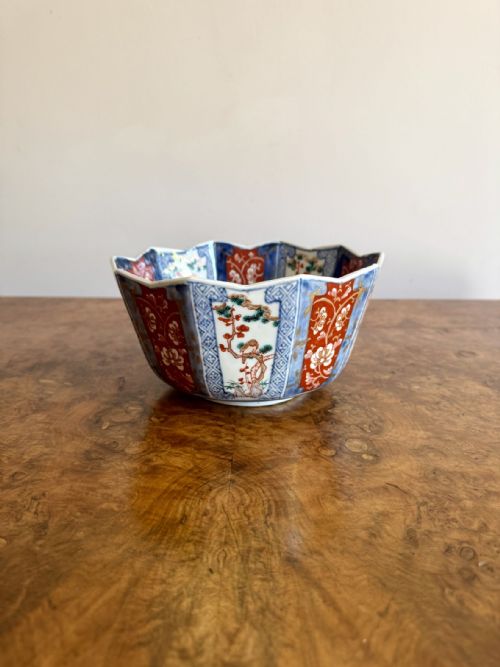


Imari Arita Porcelain Bowl
An imari arita porcelain bowl brings centuries of Japanese kiln tradition into a room, prized for rich iron-red and cobalt underglaze decoration.
Imari Arita Porcelain Bowl
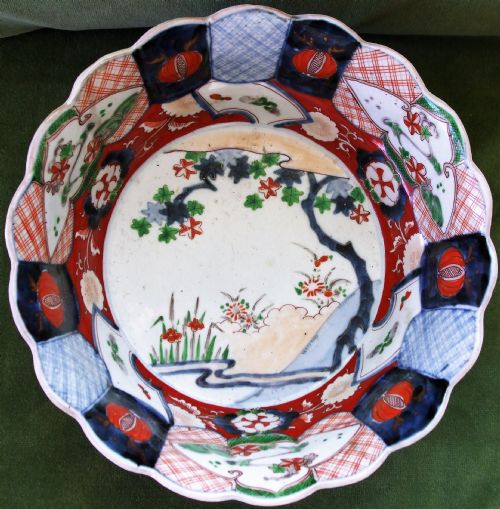
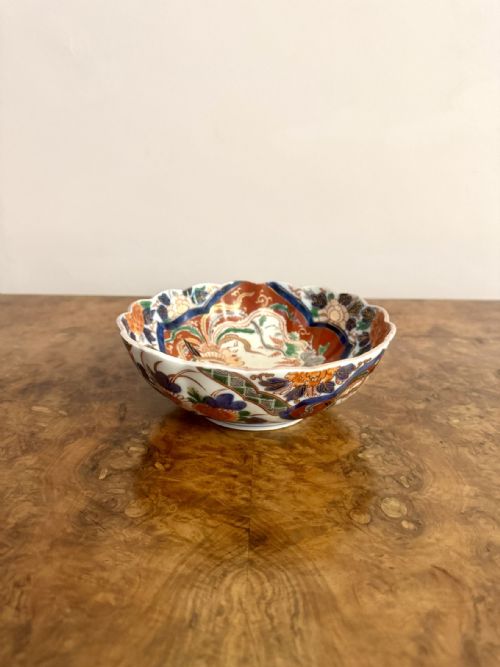
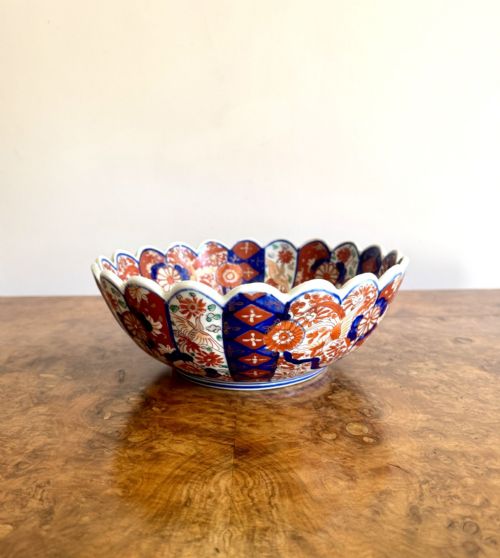
When you search for an imari arita porcelain bowl, you encounter vessel forms that span several centuries of production from the Hizen province. The examples available range from deep jardiniere planters and shallow serving vessels to scalloped edge bowls and clam shell dishes. These ceramic pieces cross periods from the Edo and Genroku eras through to the Meiji period and the early twentieth century.
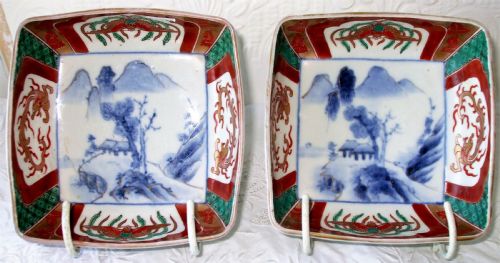
Most entries on this page represent the later nineteenth and early twentieth centuries, alongside select seventeenth and eighteenth century vessels. Forms include large centrepieces, tripod bowls, and smaller decorative dishes that display traditional Japanese aesthetics. Buyers find both individual items and matched pairs recorded across these listings.
How They Were Made
The makers formed these vessels from ceramic paste and fired them to create a durable porcelain body. Artisans then applied cobalt underglaze to the raw or biscuit-fired clay before glazing and firing the piece at high temperatures.
Painters added surface decoration using enamel colours and gold leaf over the glaze, resulting in the characteristic palette associated with Japanese Imari ware. Some pieces also integrate gilt highlights to accent the intricate floral and geometric motifs.
Some seventeenth century makers even turned clam shells into porcelain dishes, proving nature needed a little ceramic help.
What Varies in Quality
The standard of a vessel depends upon the precision of the hand-painted brushwork and the vibrancy of the enamel and gold leaf application. Finer pieces demonstrate careful control over cobalt underglaze lines and harmonious colour placement across the ceramic surface.
Form and moulding also distinguish the range, particularly where workshops produced complex shapes like hexagonal bodies, scallop-shaped edges, or clam shell contours. Well-preserved glazes and crisp details separate standard production items from superior examples.
The Imari Arita Porcelain Bowl Glossary
- Imari
- Japanese export porcelain traditionally decorated in underglaze cobalt blue, iron red, and gold. This style originated in the town of Arita during the Edo period.
- Arita
- The Japanese town in Hizen province where porcelain production centred from the early seventeenth century onwards. Kilns here produced wares for both domestic use and European export.
- Meiji Period
- The era of Japanese history lasting from 1868 to 1912, associated with increased trade and detailed decorative arts exported to Western markets.
- Genroku Period
- A Japanese sub-period within the Edo era, dating from 1688 to 1704, noted for refined craftsmanship in early porcelain.
- Cobalt Underglaze
- A blue pigment applied to ceramic bodies beneath a transparent glaze before the high-temperature kiln firing.
Imari Arita Porcelain Bowl: Frequently Asked Questions
How were imari arita porcelain bowls used originally?
These vessels served functional roles for serving food, washing, or displaying items within traditional interiors, alongside use as decorative centrepieces.
Over time, many pieces transitioned into decorative display objects for households both in Japan and abroad.
How do I care for an antique porcelain bowl?
Wash the ceramic gently by hand using mild soap and lukewarm water, avoiding abrasive sponges that might harm the enamel or gold leaf.
Keep the vessel away from direct sunlight and sudden temperature shifts to protect the glaze and surface decorations.
How do I tell Edo period pieces from Meiji period ones?
Seventeenth and eighteenth century pieces from the Edo or Genroku periods typically exhibit heavier potting and distinct early cobalt tones.
Meiji period items often display finer brushwork, brighter enamel palettes, and occasionally machine-assisted finishing or different base marks.
What is a jardiniere?
A jardiniere is a large decorative ceramic bowl or planter designed to hold potted plants or floral arrangements.
In historical interiors, these substantial vessels occupied prominent positions on tables or pedestals.