






Ceramic Arita Charger
Ceramic arita charger pieces are large, decorative plates carrying centuries of Japanese kiln tradition, prized for their rich patterns and bold presence on display.
Ceramic Arita Charger
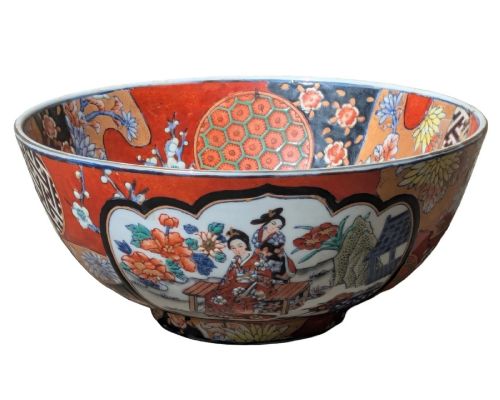
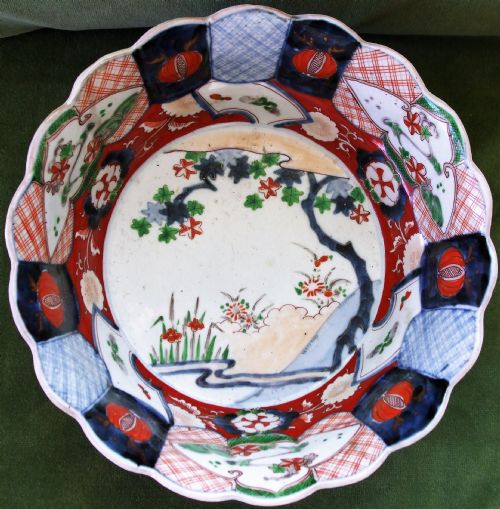
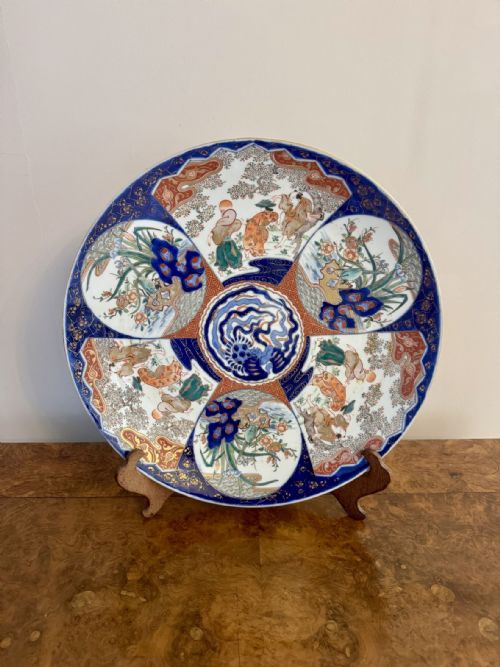
A ceramic arita charger represents a pinnacle of Japanese ceramic art, taking the form of a wide, shallow dish meant for display rather than dining. These pieces arrive from various periods, with the Meiji period and the nineteenth century strongly represented in the selection.
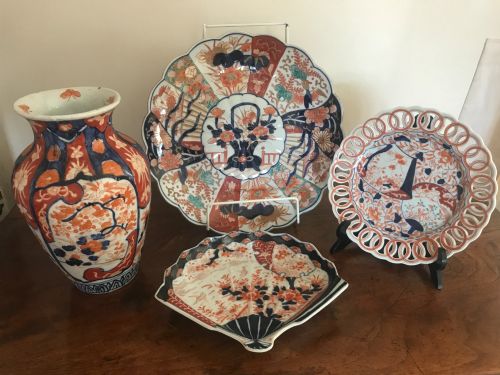
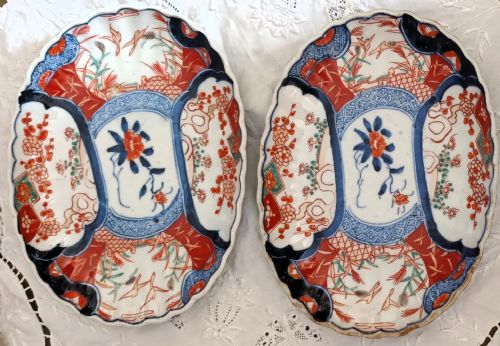
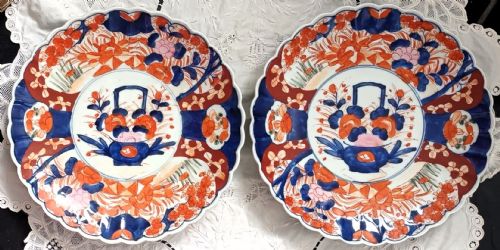
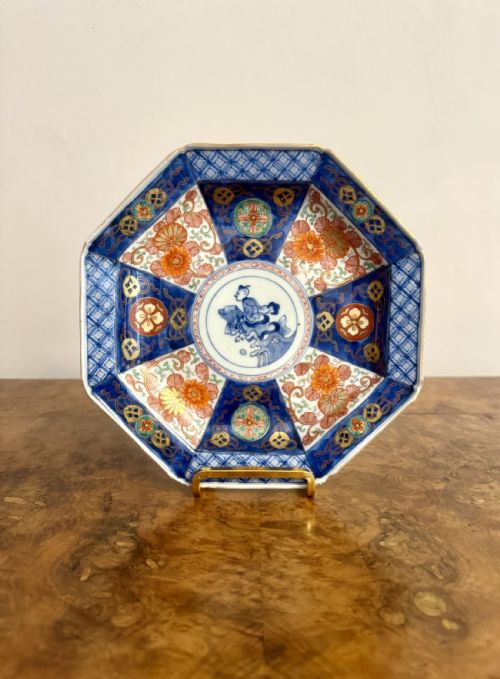
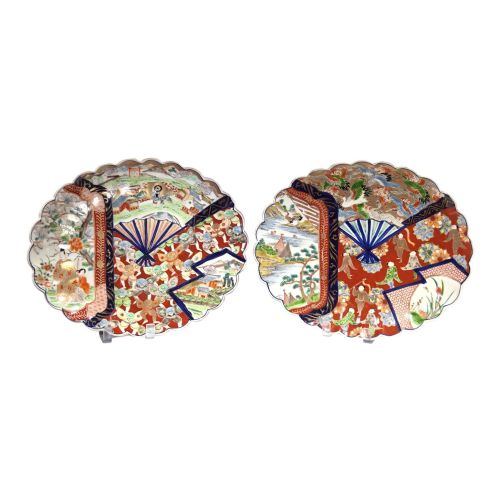
The objects span multiple shapes beyond the standard round form, including hexagonal, octagonal, square, fan-shaped and scalloped edges. Alongside chargers, the selection includes decorative plates, bowls and platters in blue and white or the classic Imari palette.
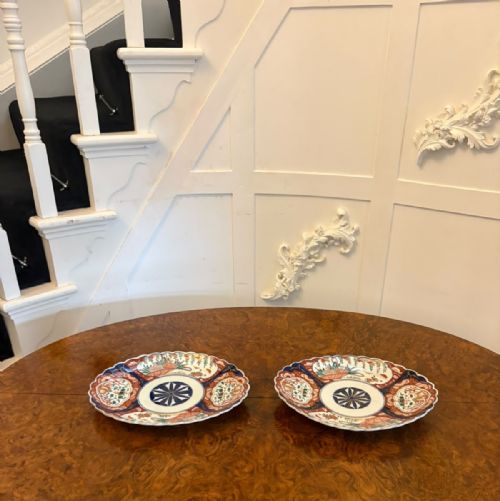
Origins trace back through the Edo and Meiji periods, showcasing traditional motifs such as exotic birds, floral designs, cranes and koi carp. Buyers encounter both single statement chargers and matched pairs reflecting historic kiln output.
Materials and construction
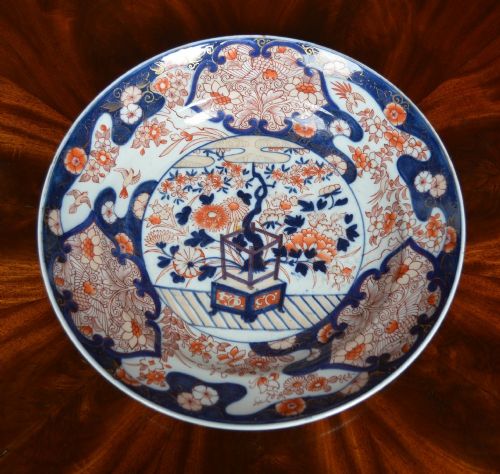
These works rely on fine porcelain clay formed into broad plates and bowls, fired to achieve a dense, durable body. Cobalt underglaze provides the deep blue foundations seen across many designs.
Enamel colours and gold leaf or gilding are applied over the glaze to introduce vibrant red, green and metallic highlights. Hand-painted details complete the decoration, executed with precise brushwork across complex pictorial scenes.
Listings span multiple eras including the eighteenth, nineteenth and twentieth centuries, featuring both blue and white designs and polychrome Imari palettes.
Assessing quality and execution
The distinction between standard items and superior examples lies in the crispness and complexity of the hand-painted decoration. Finer pieces display exceptionally detailed birds, floral arrangements or koi carp rendered with confident, fluid brushwork.
Unusual shapes, such as fan-shaped plates or octagonal rims, alongside balanced symmetry in pairs, elevate a piece above routine production. The richness of the enamel palette and the careful placement of gilding also signal superior workshop output.
The Ceramic Arita Charger Glossary
- Arita
- A Japanese town and the historic centre of porcelain production where these wares originated. Kilns in this region shaped the development of Japanese export ceramics.
- Imari
- A traditional style of Japanese porcelain decorated in underglaze blue, iron red, and gold. The name derives from the port from which these ceramics were shipped.
- Meiji Period
- A historic era in Japan spanning from 1868 to 1912, known for prolific ceramic production aimed at both domestic and international markets.
- Cobalt Underglaze
- A blue pigment applied to the raw porcelain body before glazing and firing. This technique ensures the colour remains permanent and protected beneath the glassy surface.
- Charger
- A large ornamental plate traditionally used for ceremonial display rather than serving food. Their broad surfaces provided artisans with an expansive canvas for elaborate motifs.
Ceramic Arita Charger: Frequently Asked Questions
What is a ceramic arita charger?
A ceramic arita charger is a large, decorative porcelain plate produced in the Japanese town of Arita. These wide pieces were created primarily for display, featuring elaborate hand-painted designs.
They serve as striking wall or table ornaments, showcasing historic Japanese artistry and skilled kiln techniques.
How do I date a ceramic arita charger?
Dating relies on stylistic clues, historic periods such as the Meiji or Edo eras, and the specific palette used. Meiji pieces often feature dense polychrome enamel and gilding.
Examination of the porcelain body, glaze characteristics and underglaze blue tones further helps narrow the period of manufacture.
Were these chargers used for dining?
These large plates were intended for display and ceremonial presentation rather than everyday dining. Their substantial size and delicate painted surfaces made them status objects.
Historic households placed them on stands or hung them on walls to showcase wealth and taste.
How should I display a charger?
Displaying a charger safely requires a sturdy wall mounting bracket designed for heavy plates or a dedicated cabinet display stand. Placement away from direct sunlight preserves the enamel and gilding.
Allowing adequate surrounding space helps highlight the complex patterns and unusual shapes of the piece.