

Earthenware Wall Dish
When you handle an earthenware wall dish, you hold centuries of tin glaze, cobalt pigment, and hand-painted Dutch and English ambition.
Earthenware Wall Dish
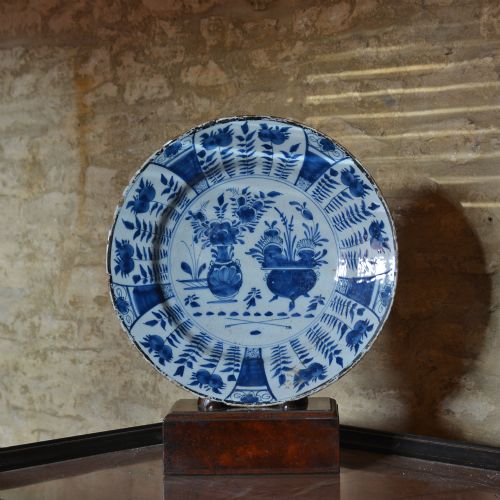
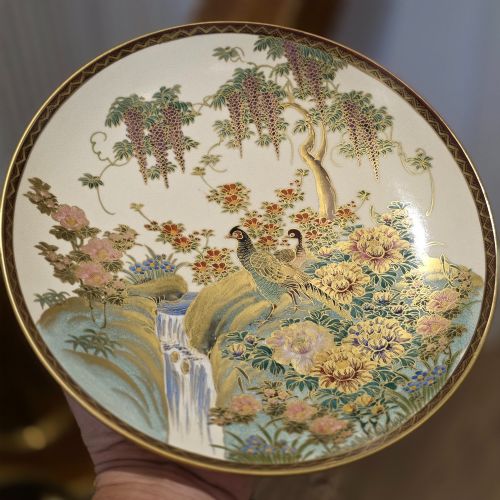
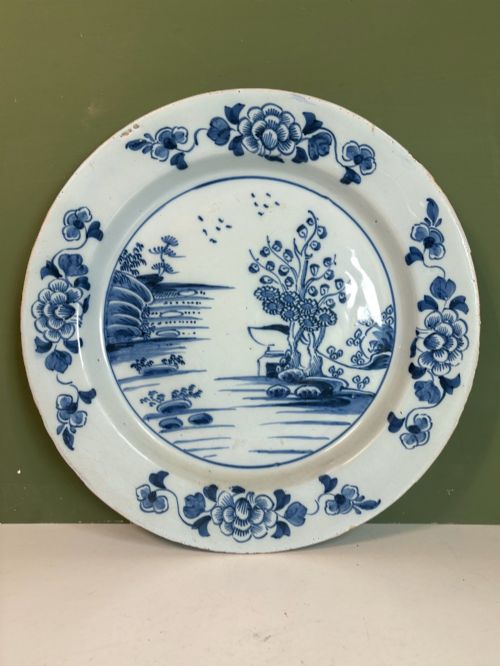
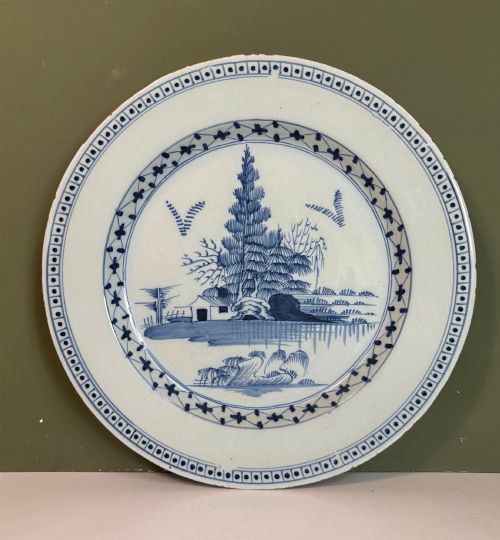
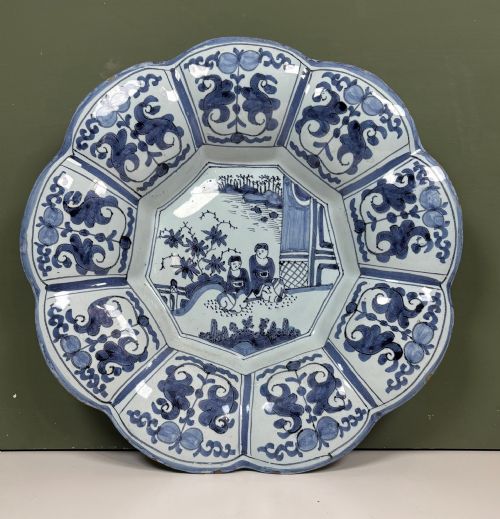
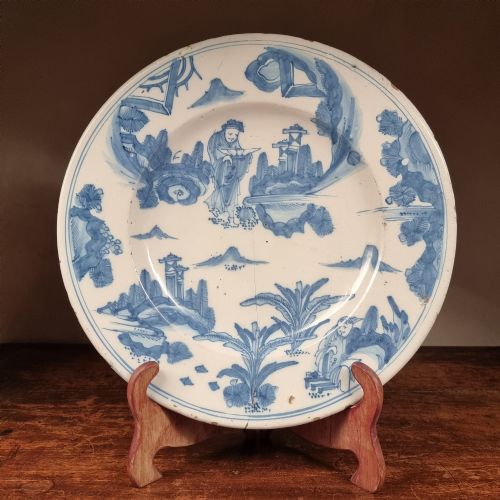
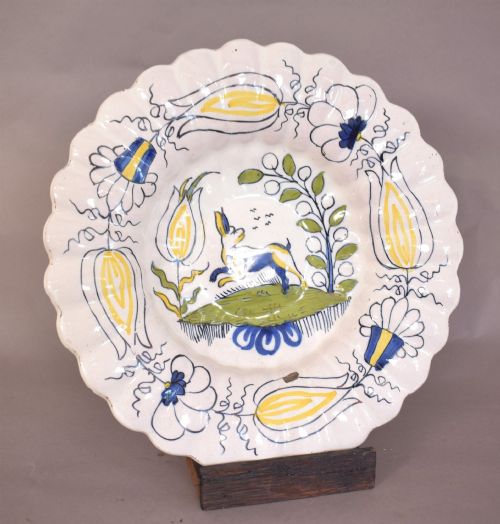
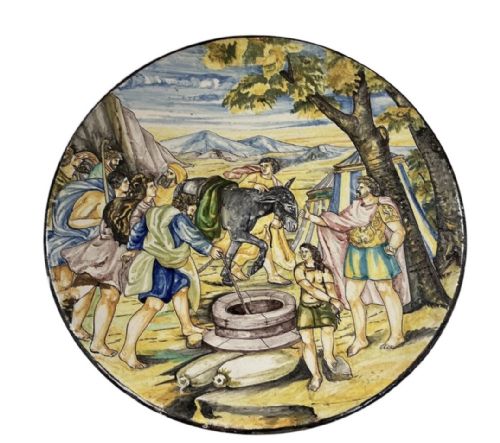
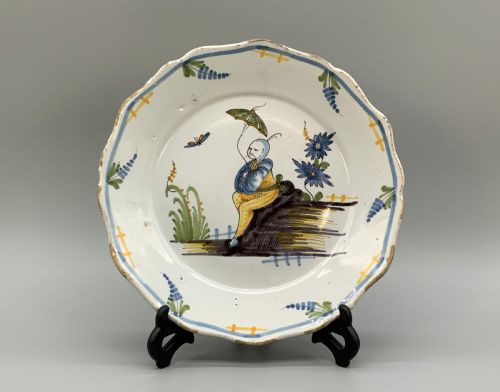
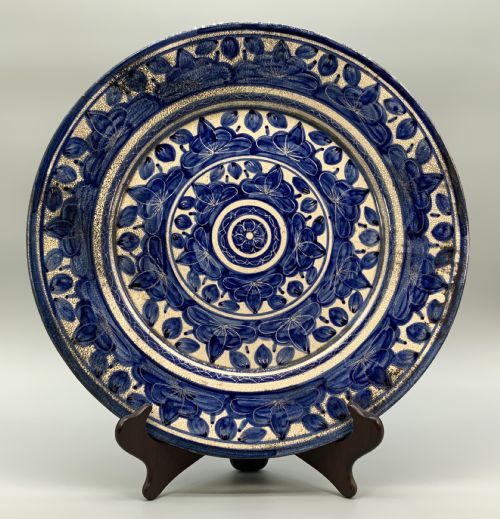
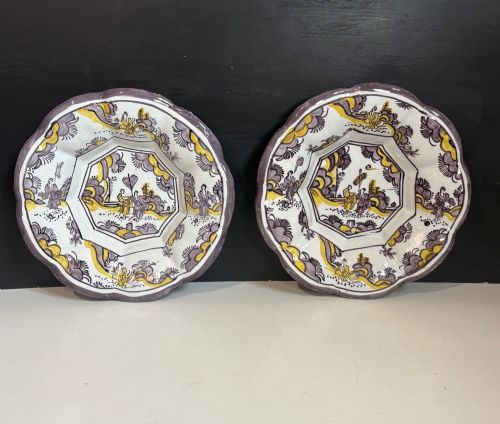
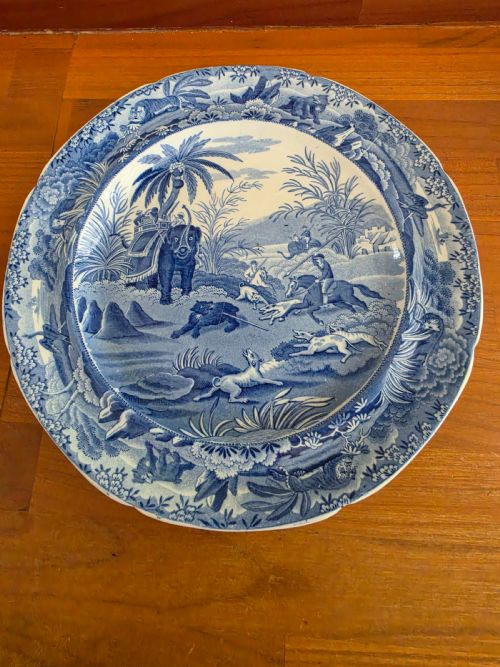
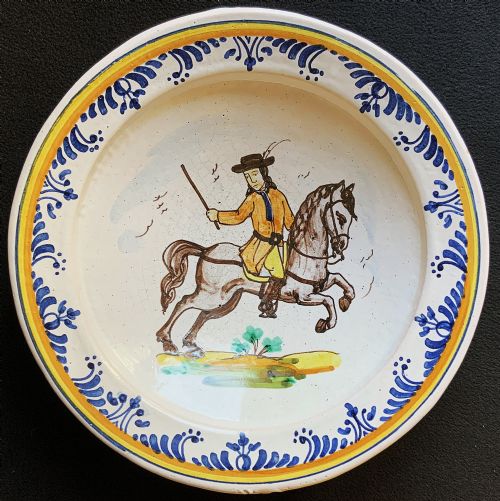
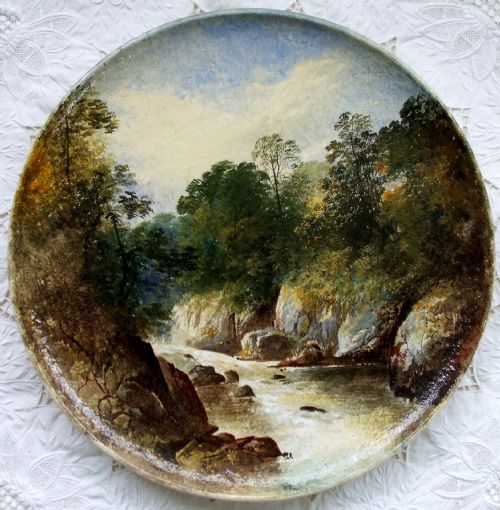
An earthenware wall dish spans large chargers, shallow bowls, and decorative plates designed primarily for display rather than the dining table. When searching for an earthenware wall dish, buyers frequently encounter seventeenth and eighteenth-century Delftware alongside nineteenth-century Italian maiolica and Japanese Satsuma.
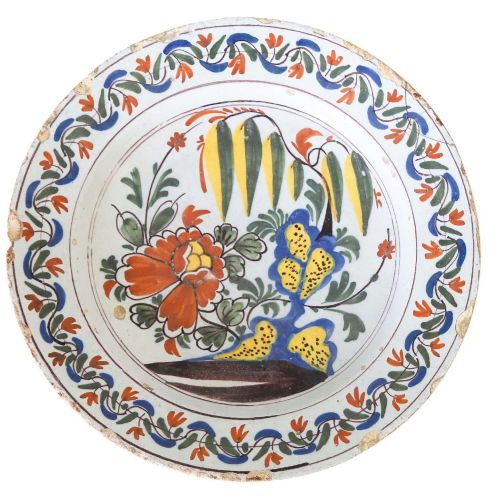
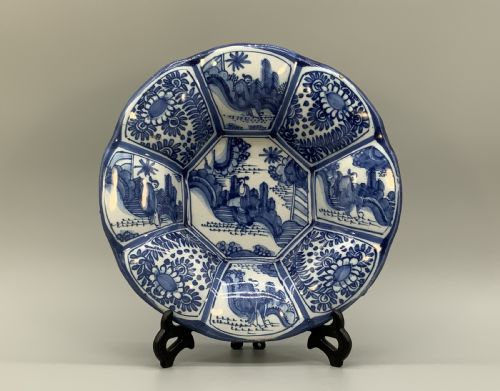
The forms range from deep chargers spanning over forty centimetres to lobed dishes and wall plaques. English and Dutch examples dominate the seventeenth and eighteenth centuries, often featuring blue and white or polychrome floral and Chinoiserie motifs.
How they were made
Potters shaped earthenware bodies on the wheel or pressed them into moulds before applying an opaque tin glaze that created a smooth white surface for painting. Artisans then brushed cobalt pigment, manganese, yellow, and other ceramic enamels directly onto the raw glaze before firing.
Some later pieces incorporated specialist techniques such as Japanese moriage relief work or Art Deco tubelining, where raised clay lines contained the vibrant enamel colours.
Earthenware Wall Dish Retail Price Guide 2026
Typical asking prices for earthenware wall dish among the pieces listed under this phrase on Sellingantiques today, from the lower quarter to the upper quarter. They describe what is for sale here now, not the wider market.
Early Dutch potters occasionally painted deceptive oriental-style marks on the back of chargers simply to confuse ambitious local rivals.
What varies in quality
The skill of the hand-painted brushwork dictates the visual strength of the piece, separating rapid workshop production from master execution. Crisp cobalt definition, harmonious polychrome palettes, and confident pictorial composition elevate certain chargers well above standard domestic output.
Condition and glaze stability also influence standing, particularly where centuries of display have caused historical edge chipping or glaze flaking on softer earthenware bodies.
C.J. Mason·Charlotte Rhead Crown Ducal·Meizan
The Earthenware Wall Dish Glossary
- Charger
- A large decorative plate traditionally used for display on sideboards or hung upon walls. These substantial dishes often feature the finest painted scenes.
- Tin-Glaze
- A lead glaze made opaque by the addition of tin oxide, providing a white background for painted decoration. It is characteristic of Delftware and maiolica.
- Polychrome
- Decoration employing multiple colours rather than a single pigment. On these dishes, it typically combines blue, yellow, manganese, and green enamels.
- Kraak Style
- A Chinese porcelain design style imitated by European potters featuring panelled borders and central aquatic or floral motifs. It heavily influenced seventeenth-century Dutch production.
- Maiolica
- Tin-glazed earthenware produced in Italy and other European regions, celebrated for rich historical and narrative painting known as istoriato.
Earthenware Wall Dish: Frequently Asked Questions
How were earthenware wall dishes displayed?
Historically, large chargers were stood on dresser plate rails or pierced through the footring to take a hanging wire for wall presentation.
Today, modern wall hangers with protective coated springs secure the rim safely without damaging the fragile earthenware body.
Are these dishes safe for food use?
Early tin-glazed earthenware and soft paste ceramics are generally unsuited for modern culinary use due to porous bodies and historical lead content.
They remain decorative objects meant for visual appreciation rather than practical dining.
How do I distinguish English Delft from Dutch Delft?
English factories like Lambeth often utilised slightly heavier earthenware bodies and distinct soft blue palettes compared to sharper Dutch execution.
Markings are uncommon on early pieces, so attribution relies heavily on clay characteristics, glaze tint, and floral brushwork style.
What causes crazing on tin-glazed earthenware?
Crazing occurs when the surface glaze contracts at a different rate than the underlying earthenware body, creating a fine network of microscopic lines.
Age, environmental temperature shifts, and natural moisture absorption over centuries commonly produce this stable web across the glaze.