



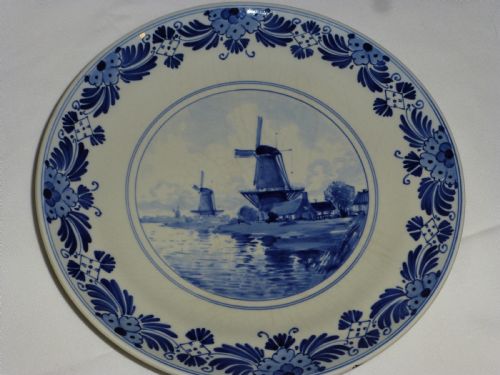
Delftware Decorative Plate
A delftware decorative plate brings centuries of tin-glazed earthenware and cobalt pigment into a room, offering striking blue and white designs for daily display.
Delftware Decorative Plate
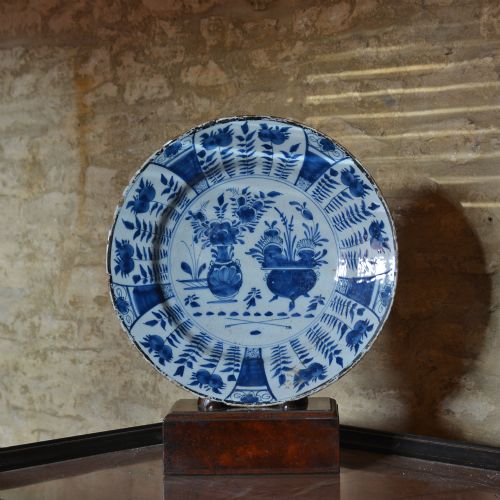
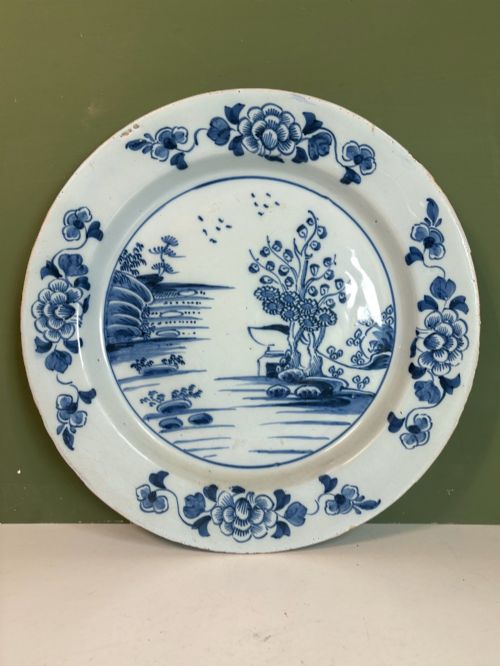
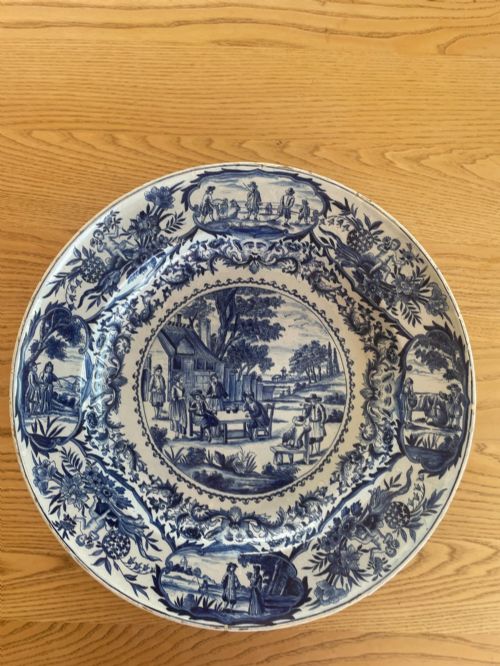
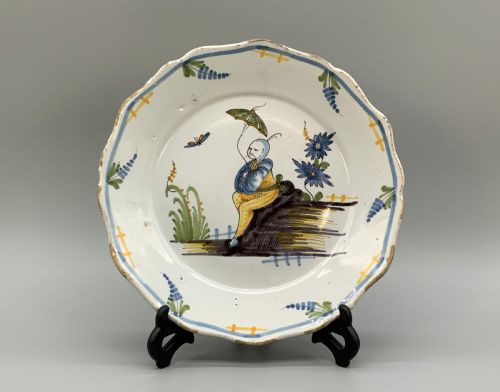
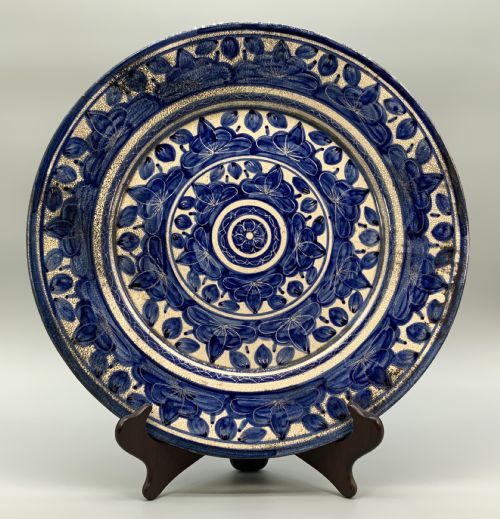
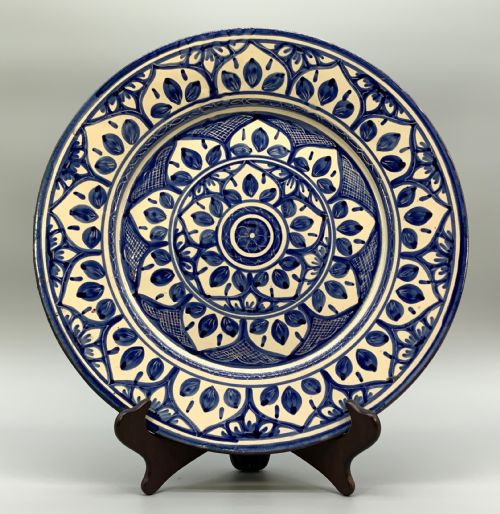
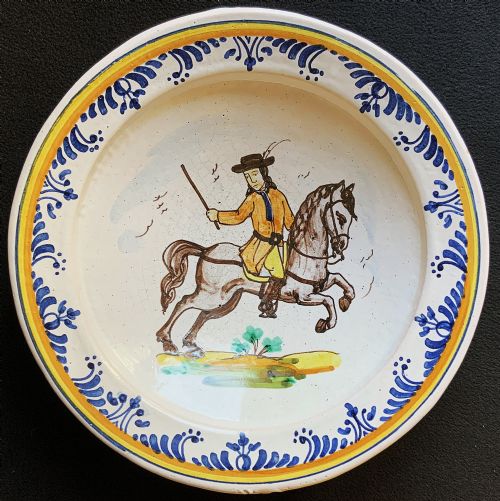
A delftware decorative plate encompasses chargers, platters, and dishes spanning the seventeenth, eighteenth, and nineteenth centuries. Buyers searching for a delftware decorative plate frequently encounter large chargers alongside standard plates in blue and white, manganese, and polychrome palettes.
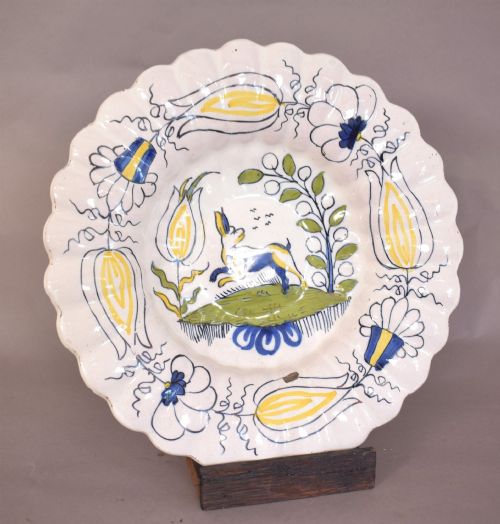
The objects recorded here include Dutch Delftware, English Delft, French faience, and Spanish catalana pieces. Continental examples from nineteen forty demonstrate later Moorish styles executed in tin-glazed earthenware.
Forms range from sets of three eighteenth-century plates to substantial charger plates measuring well beyond standard dining ware. These pieces function primarily as decorative items for walls or dresser displays rather than active tableware.
Materials and construction
Makers formed each delftware decorative plate from earthenware covered in an opaque tin glaze that provided a smooth white background for painting. Artisans applied cobalt oxide, cobalt pigment, and manganese directly onto the unfired or raw glaze.
Grand feu techniques fixed the pigments into the glaze during a high-temperature firing, fusing the colours permanently. Polychrome examples incorporate yellow and additional mineral pigments alongside traditional blue tones.
Continental and English workshops utilised local clays shaped by hand on the potter's wheel before glazing and firing. The resulting ceramic body varies in thickness and weight according to the period and regional tradition.
Delftware Decorative Plate Retail Price Guide 2026
Typical asking prices for delftware decorative plate among the pieces listed under this phrase on Sellingantiques today, from the lower quarter to the upper quarter. They describe what is for sale here now, not the wider market.
Assessing quality and character
Quality in a delftware decorative plate rests upon the crispness of the painted brushwork and the stability of the tin glaze. Early seventeenth-century and eighteenth-century examples display fluid motifs, whereas later pieces sometimes show stiffer execution.
The complexity of the palette distinguishes simpler blue and white wares from rich polychrome and manganese specimens. Grand feu production yields a depth of glaze and brilliance that separates standard utility pieces from ambitious decorative chargers.
The Delftware Decorative Plate Glossary
- Tin Glaze
- An opaque white ceramic glaze containing tin oxide, which creates the pale surface characteristic of delftware. This glaze acts as the canvas for cobalt and manganese painting.
- Charger Plate
- A large ornamental plate typically measuring over twelve inches across, designed for display on walls or sideboards rather than dining. These large vessels showcase elaborate painted scenes.
- Grand Feu
- A high-temperature firing technique used in ceramics to fuse pigments directly into the raw glaze. This method produces vibrant colours and a glossy finish.
- Polychrome
- Decoration utilising multiple distinct colours rather than a single pigment like blue or manganese. Spanish and English workshops frequently employed this multi-coloured approach.
- Faience
- European tin-glazed earthenware produced outside of Italy and the Netherlands, encompassing French and Spanish regional wares. The term describes the same fundamental technique as Delft.
Delftware Decorative Plate: Frequently Asked Questions
How do I hang a charger safely?
Chargers require specialised spring-loaded brass wall hangers that distribute the weight evenly across the rim without pinching the ceramic body.
Ensure the wall fixing anchors securely into masonry or studwork rather than depending solely on plaster.
Can I use these plates for food?
Historic tin-glazed earthenware possesses a softer ceramic body and a fragile glaze that absorbs moisture and food acids over time.
Display these pieces strictly as decorative objects rather than utilising them for serving meals.
What causes crazing on the glaze?
Crazing appears as a fine network of microscopic cracks in the tin glaze, caused by the different expansion rates of the earthenware body and the surface glaze over centuries.
This natural ageing process develops through normal environmental temperature fluctuations rather than structural damage.