



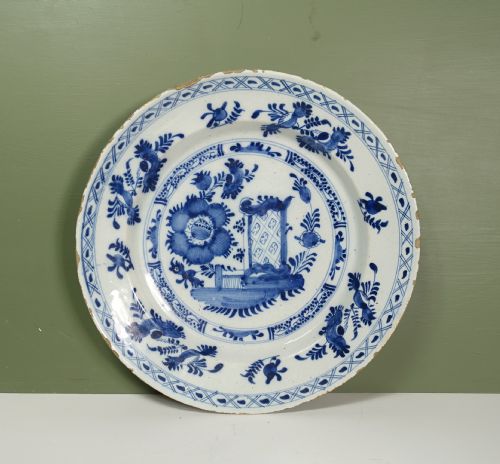

Delft Faience Platter
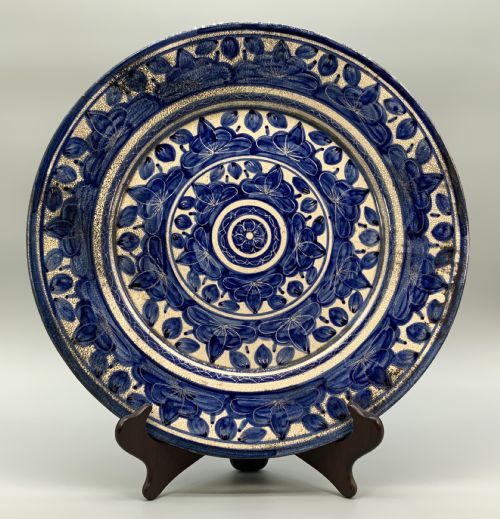
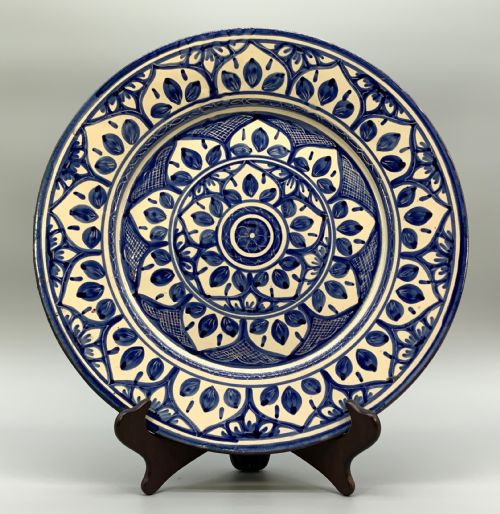
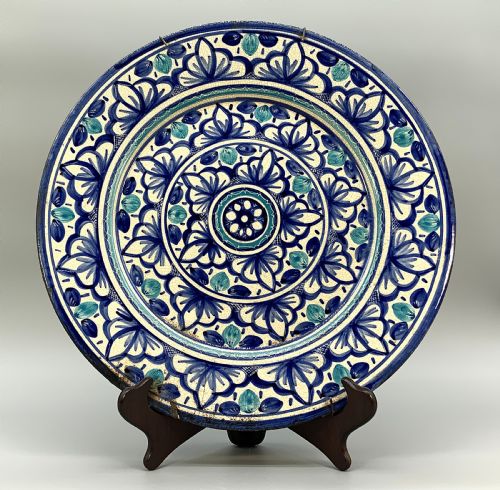
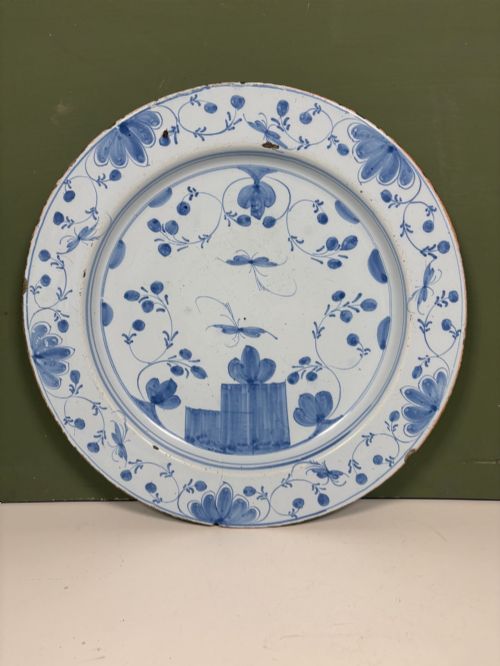
A delft faience platter is a tin-glazed earthenware dish offering bold blue-and-white patterns that anchor a traditional wall display.
Delft Faience Platter
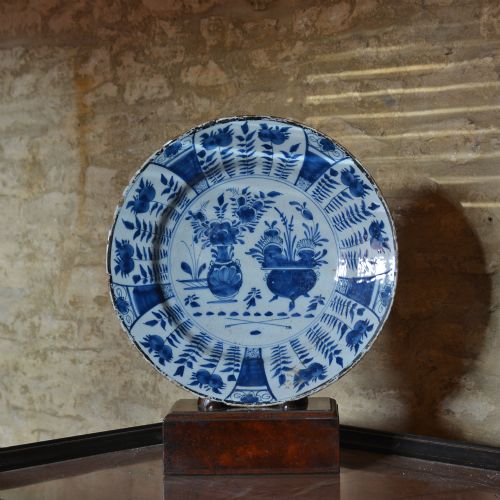
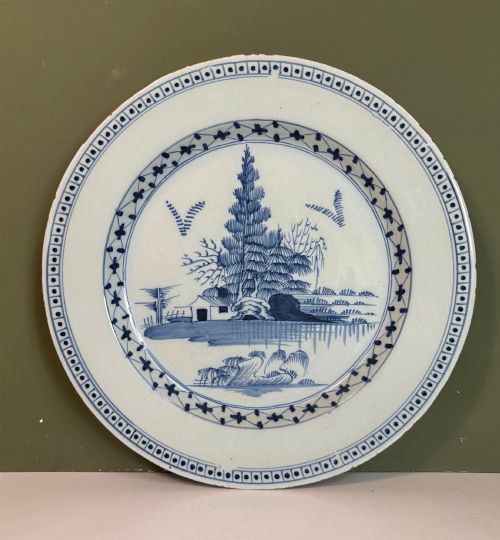
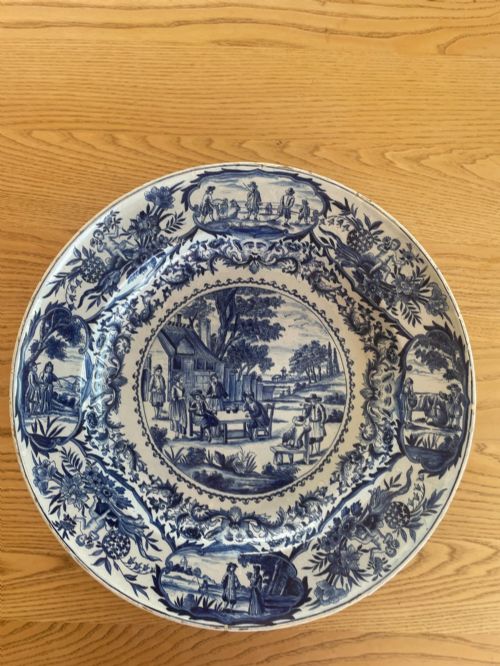
When you search for delft faience platter, you encounter large charger plates and decorative dishes spanning several centuries. The selections range from straightforward 18th-century English and Dutch pieces to mid-20th-century Moorish Revival interpretations.
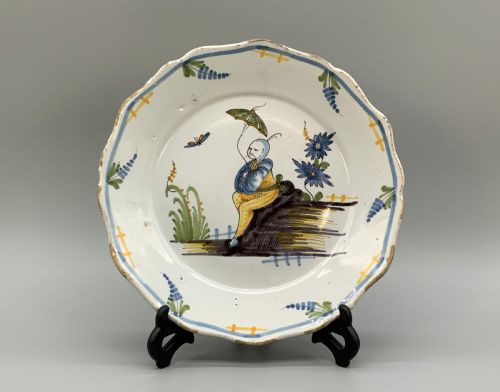
Most examples take the form of broad chargers designed for display on walls or dresser plate racks. The predominant aesthetic relies on blue-and-white palettes, though manganese and yellow variants occasionally appear among French pieces.
Origins stretch across Dutch, English, and Continental workshops, with the 18th century supplying the bulk of the traditional blue-and-white output. Later 1940 interpretations lean into Moorish styles while retaining the fundamental tin-glazed earthenware body.
How they were made
Makers formed these platters from basic earthenware clay, shaping them into broad chargers and decorative plates. The primary method relied on coating the porous ceramic body in an opaque tin glaze.
Decorators applied cobalt oxide and cobalt pigment directly onto the unfired white glaze to create intricate patterns. This technique required a steady hand, as the absorbent surface immediately locked the pigment into place before the final kiln firing.
Delft Faience Platter Retail Price Guide 2026
Typical asking prices for delft faience platter among the pieces listed under this phrase on Sellingantiques today, from the lower quarter to the upper quarter. They describe what is for sale here now, not the wider market.
Listings feature tin-glazed earthenware chargers spanning the eighteenth century up to nineteen-forty, utilising cobalt pigment and glaze.
What varies in quality
Quality rests primarily in the crispness of the cobalt painting and the stability of the tin glaze across the broad surface of the charger. Stronger pieces exhibit confident brushwork and a smoother, more even glaze coat.
The sophistication of the design execution separates standard utility work from finer decorative examples. Earlier 18th-century specimens display an assured handling of pigment that differs noticeably from the heavier decorative intent seen in later revival pieces.
The Delft Faience Platter Glossary
- Tin-Glazed Earthenware
- Pottery fired with a lead glaze made opaque by the addition of tin oxide. This white surface serves as the background for painted decoration.
- Charger
- A large decorative plate traditionally used for display on a sideboard or wall rather than for serving food at the table.
- Cobalt Oxide
- A metallic pigment used to produce deep blue decoration on ceramic wares. It withstands high kiln temperatures without losing its intense colour.
- Moorish Revival
- An architectural and decorative style popular in the twentieth century that reinterpreted Islamic design motifs. Items in this style often use traditional tin-glazing techniques.
Delft Faience Platter: Frequently Asked Questions
What is a delft faience platter?
A delft faience platter is a broad earthenware dish coated in a white tin glaze and decorated with painted pigments. These pieces function primarily as decorative wall chargers rather than tableware.
Most examples date from the eighteenth century through to mid-twentieth-century revivals, capturing distinct regional styles from Dutch, English, and Continental makers.
How were these platters used?
Historical evidence and physical form indicate that large chargers served mainly for display on walls, dressers, or sideboards. Their generous diameters and decorative painted surfaces made them centrepieces in domestic interiors.
While technically earthenware, their primary role was visual rather than functional dining use.
How do I hang a charger safely?
Hanging a heavy tin-glazed earthenware platter requires a specialised wire plate hanger that distributes weight evenly across the rim. Ensure the wall fixing is secure and avoid locations subject to vibration.
Regularly check the tension of the spring clips to maintain a secure grip on the ceramic edge.
How do I date an 18th-century piece?
Dating relies on examining the characteristics of the earthenware body, the tone of the tin glaze, and the style of the cobalt painting. Eighteenth-century specimens typically show specific potting traits and hand-painted motifs distinct from later revival work.
Comparing the footrim and glaze consistency with known examples helps establish the period.