

Antique Tin Glazed Dish
An antique tin glazed dish brings centuries of European pottery traditions directly to your table, prized for vibrant hand-painted pigments on a smooth opaque surface.
Antique Tin Glazed Dish
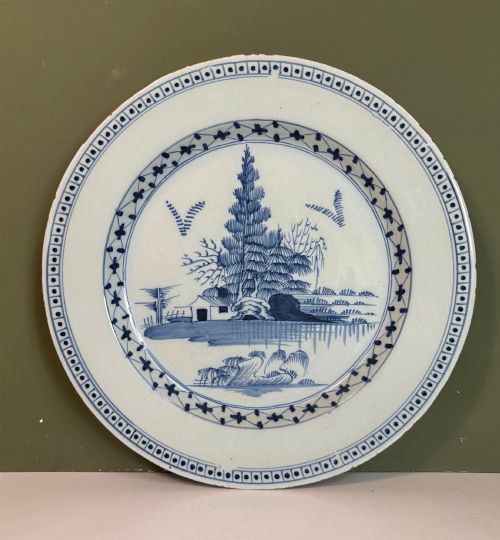
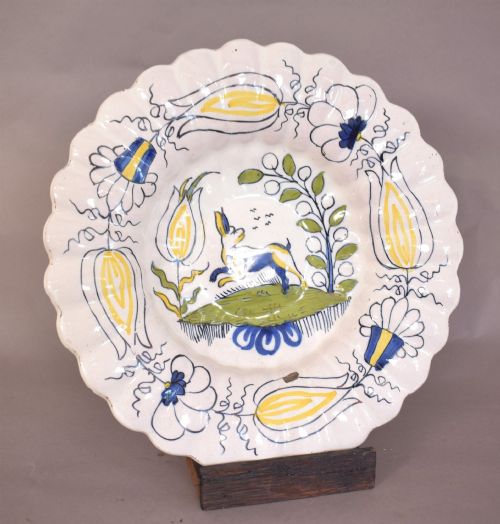
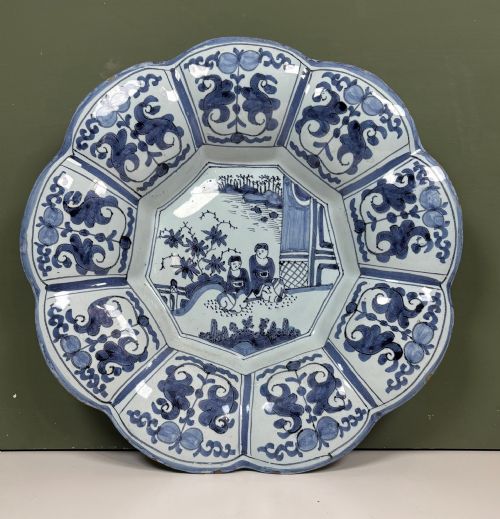
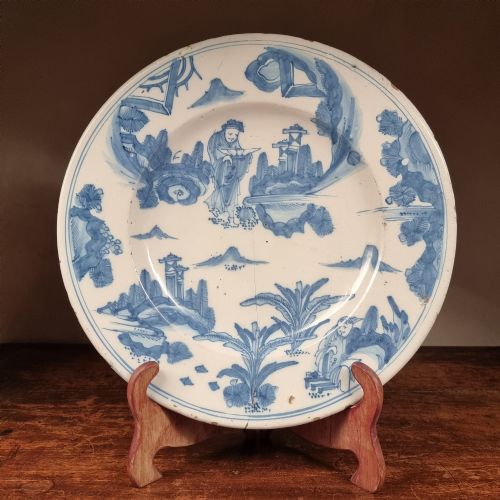
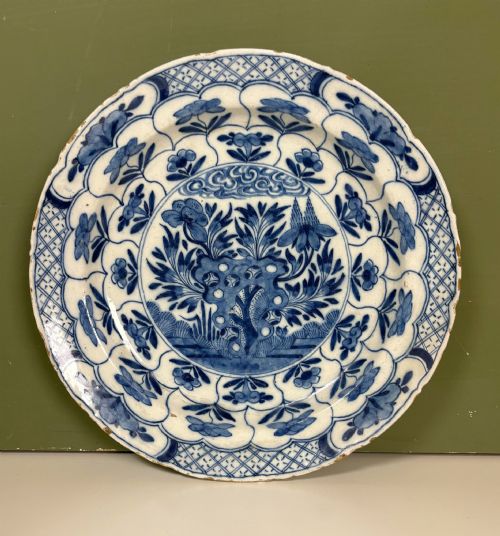
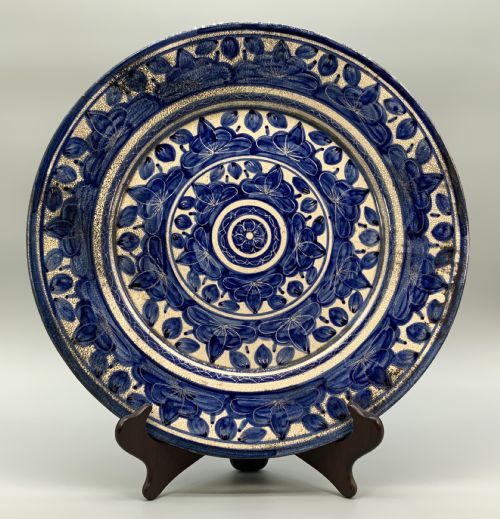
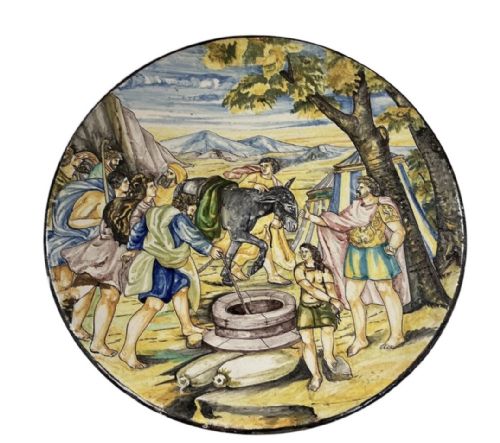
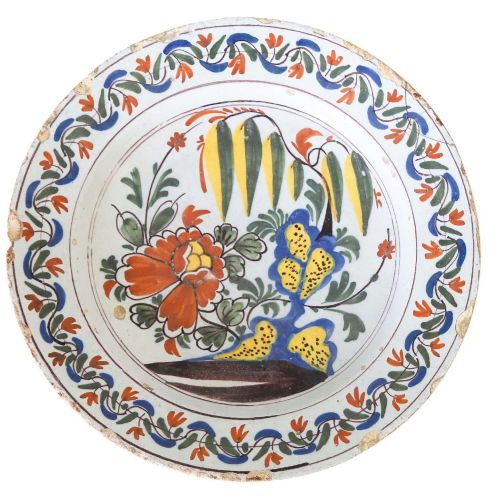
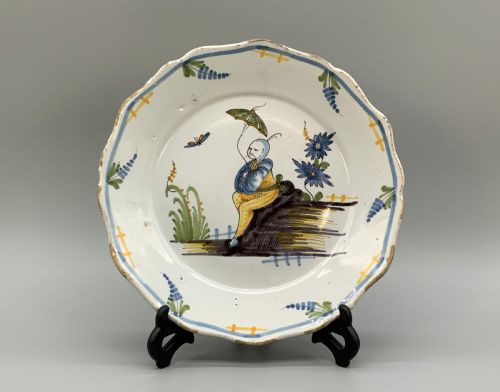
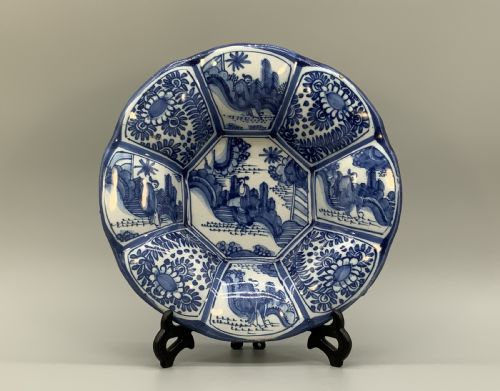
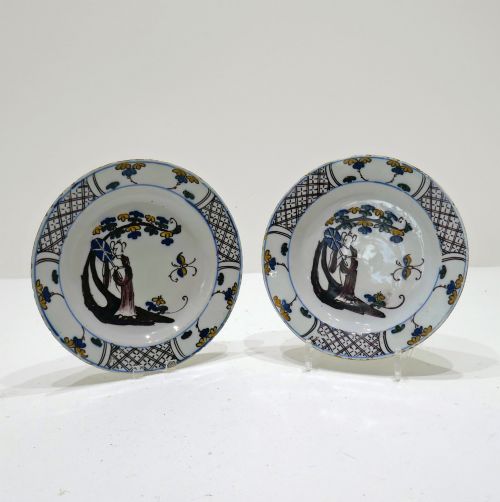
When you search for an antique tin glazed dish, you encounter earthenware forms ranging from broad chargers and deep bowls to smaller plates and utilitarian vessels like barber's bowls. The most common form on this page is the large charger or shallow plate, historically meant for display or serving.
The origins stretch across centuries and regions, encompassing Dutch Delftware, English delftware, French faience, Italian maiolica, and Spanish styles. Pieces span from the seventeenth century through to later revivals, displaying diverse regional aesthetics.
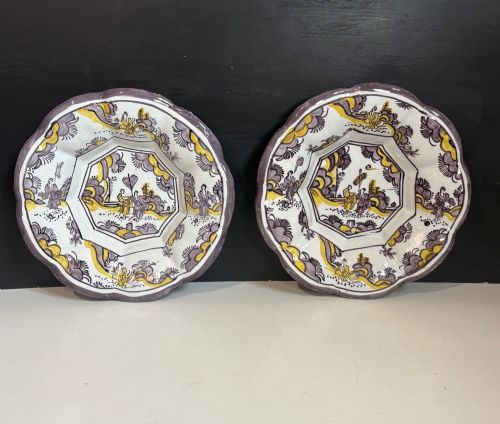
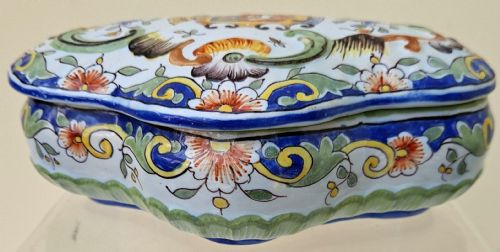
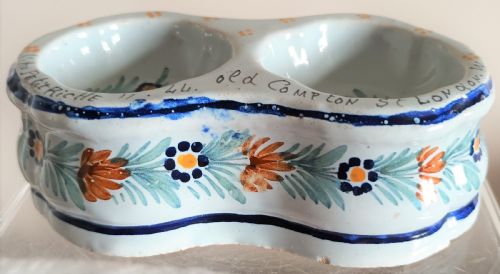
Makers utilised various palettes, from classic blue and white to rich polychrome combinations involving manganese, yellow, and green pigments. Functional table items sit alongside purely decorative wall plates, reflecting how deeply these wares integrated into historic domestic life.
Materials and Technique
Potters shaped local earthenware clay into plates and chargers, which were fired to create a porous bisque body. This body received an opaque tin oxide glaze that turned milky white and smooth upon firing, providing a bright ground for decoration.
Artisans painted pigments directly onto the unfired or raw glaze using metallic oxides like cobalt for blue, absorbing the colour permanently during the high-temperature kiln firing. This technique required immense skill because the porous glaze absorbed the liquid pigment instantly, allowing no room for correction.
Listings feature earthenware forms spanning the seventeenth to the twentieth centuries, utilising cobalt pigment, tin glaze, and polychrome decoration across diverse European traditions.
Assessing Quality
Quality rests upon the confidence and fluidity of the brushwork, distinguishing hurried commercial output from master painter execution in floral, Chinoiserie, or historical scenes. The crispness of the tin glaze application and the vibrancy of surviving cobalt or polychrome pigments dictate visual impact.
The structural integrity of the earthenware body matters, as heavy kiln warping or extensive glaze crazing alters the balance of a charger. Pieces retaining clear tonal depth and balanced composition demonstrate superior workshop standards.
The Antique Tin Glazed Dish Glossary
- Tin glaze
- An earthenware glaze rendered opaque by the addition of tin oxide, creating a white surface ideal for painting. This finish defines the entire tradition.
- Charger
- A large decorative or serving plate designed to sit centrally on a table or hang upon a wall. These substantial pieces often showcase the most ambitious painted scenes.
- Polychrome
- Decoration employing multiple distinct colours rather than a single pigment. Painters utilised hues like yellow, manganese purple, and green alongside standard blue.
- Chinoiserie
- European interpretations of Chinese artistic motifs, popular on seventeenth and eighteenth-century ceramics. These designs depict fantastical landscapes, figures, and foliage.
- Faience
- European tin-glazed earthenware produced primarily in France, Italy, and Spain. The term groups together continental traditions distinct from English and Dutch delftware.
Antique Tin Glazed Dish: Frequently Asked Questions
How were these dishes used historically?
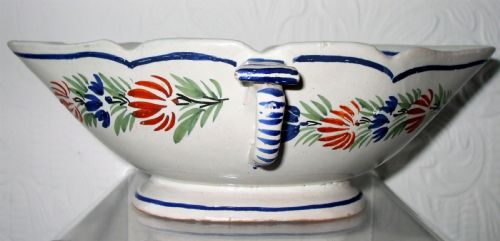
Historic households utilised large chargers for formal dining displays or serving meats and fruits at feasts. Smaller plates and specialised vessels like barber's bowls or sauceboats served specific domestic and grooming functions.
Over time, many larger chargers transitioned exclusively to wall decoration, hung by pierced footrings to display their painted designs.
How do I care for an antique tin glazed dish?
Keep these earthenware pieces away from modern dishwashers and harsh cleaning chemicals, as the historic tin glaze is prone to moisture absorption and surface wear. Dust gently with a dry cloth and avoid exposing them to sudden temperature fluctuations.
If displaying a charger on a wall, ensure the mounting bracket securely supports the weight without stressing the ceramic body.
What is the difference between delftware and faience?
Delftware primarily refers to tin-glazed earthenware made in England and the Netherlands, famous for cobalt blue or bright polychrome palettes. Faience is the broader continental term encompassing similar glazed pottery produced in France, Italy, and Spain.
While the underlying technique of tin glazing over earthenware remains identical, regional painting styles and clay bodies create distinct visual characteristics.
How can I tell the age of a dish?
Dating relies upon stylistic markers such as floral motifs, Kraak borders, or specific regional colour palettes like manganese and yellow. Examining the unglazed footrim and the characteristics of the earthenware body also provides clues regarding period manufacture.
Comparative study of documented workshop patterns helps narrow down production to specific centuries or decades.