


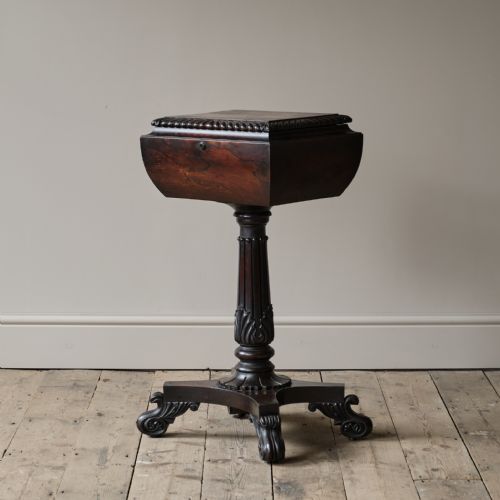
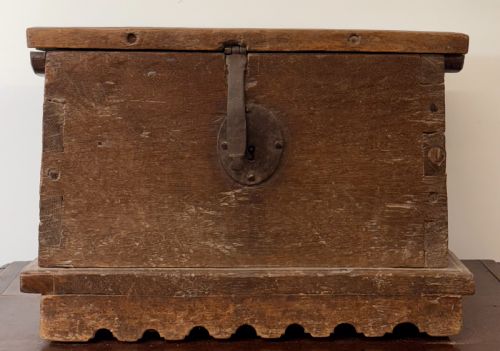
Early Wooden Box
An early wooden box is a tangible piece of domestic history, prized by collectors for its honest construction, patinated surfaces, and enduring utility.
Early Wooden Box
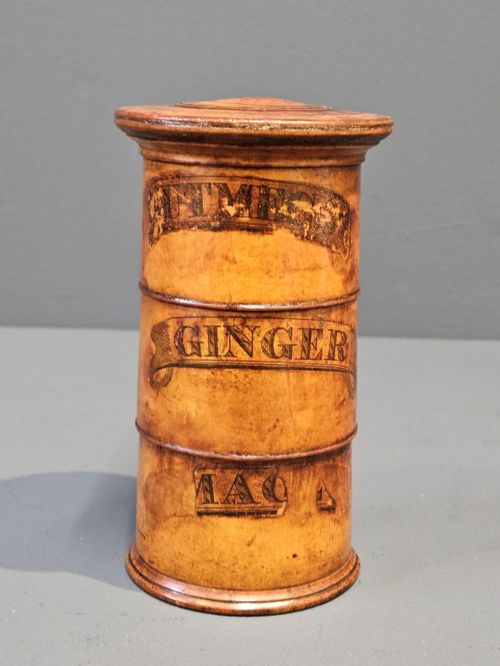
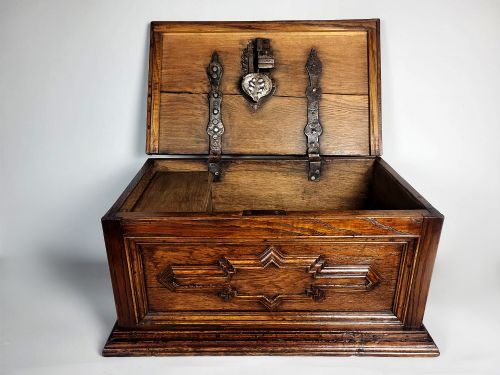
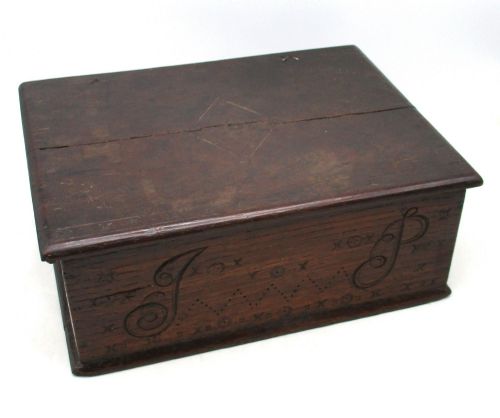
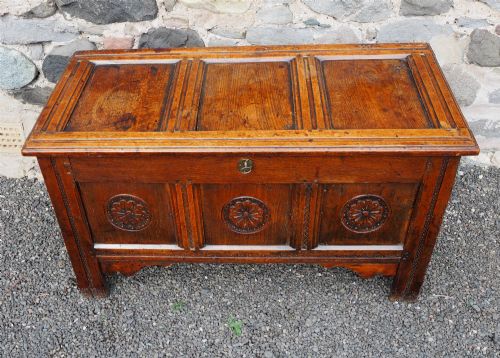
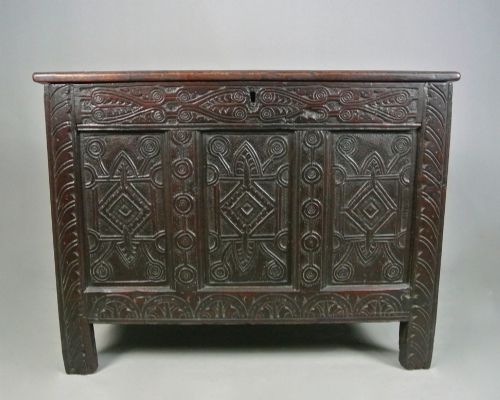
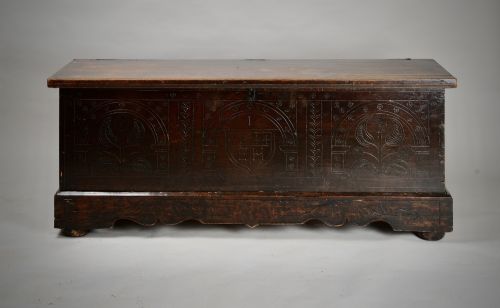
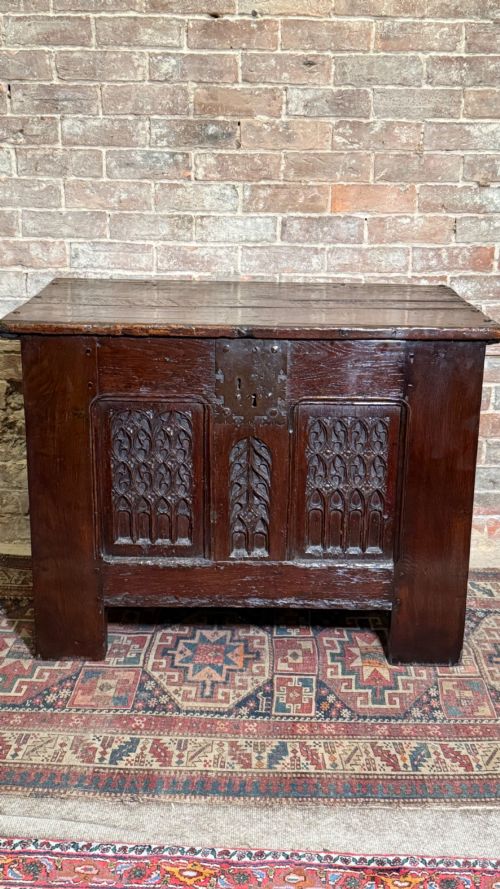
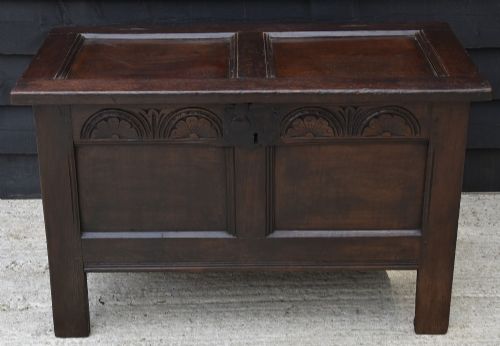
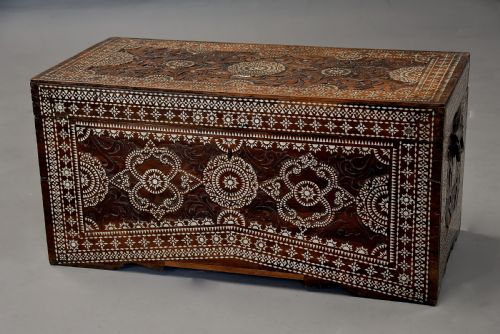
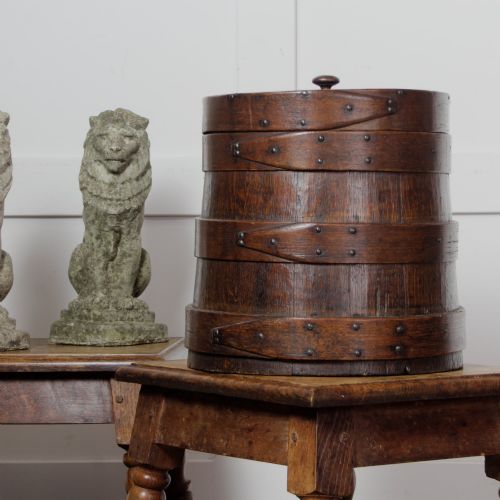
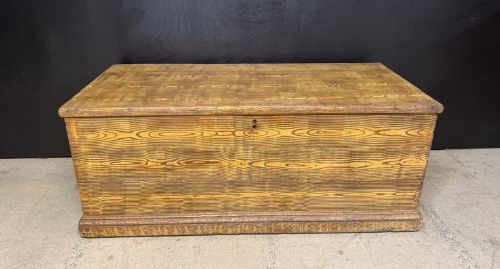
When searching for an early wooden box, buyers encounter a diverse selection of forms spanning multiple centuries, from small tabletop receptacles to large floor-standing coffers. The most frequent examples appearing here are robust oak coffers and chests originating from the seventeenth and eighteenth centuries, alongside smaller specialised containers such as document boxes, bible boxes, and snuff boxes.
The material palette of these early pieces reflects regional availability and historical function, with English and European oak dominating the earlier periods, followed by pine, mahogany, walnut, and exotic woods in subsequent centuries. Styles range from plain utilitarian country pieces to intricately carved Jacobean panels, geometric Tunbridge Ware, and folk art tramp art boxes.
Materials and Construction
Makers constructed these pieces using solid timber boards assembled with traditional joinery such as dovetails, tongue and groove, or mortise and tenon joints, often reinforced with hand-forged iron or brass hinges, straps, and complex steel locks. Surfaces were frequently left untreated to age naturally, though some examples feature hand-applied paint, wax finishes, or elaborate decorative elements like bone inlay, mother of pearl, and engine turning.
The choice of wood dictated the structural approach, utilising durable native hardwoods like oak and walnut for heavy-duty storage chests, while softer pines and fruitwoods served for painted bins, travel cases, and delicate treen snuff boxes.
Several boxes still retain their original keys, offering a direct physical link to the seventeenth-century keyholders.
Assessing Quality
Quality in an early wooden box rests heavily upon the integrity of the original construction, the depth of the timber's patination, and the survival of contemporary hardware such as locks and hinges. Pieces that retain their original surfaces without aggressive restoration command greater attention from discerning collectors.
The fineness of hand-carved detailing, such as fluted panels or geometric mouldings, distinguishes superior workshop production from simpler vernacular pieces, though both hold distinct appeal depending on the intended decorative context.
The Early Wooden Box Glossary
- Coffer
- A large sturdy chest traditionally used for storing valuables or household goods. These heavy storage pieces frequently display period panel construction.
- Treen
- Small handmade wooden domestic objects produced prior to the modern era. These items encompass items like snuff boxes and small containers valued for their tactile qualities.
- Bible Box
- A small desk-like box designed to hold sacred texts and writing materials securely. They often feature sloping lids and compact interior compartments.
- Mule Chest
- A storage chest fitted with one or more drawers at the base. This form bridges the evolution between the simple coffer and the modern chest of drawers.
- Tunbridge Ware
- Intricate woodwork decorated with minute wooden mosaics to form geometric patterns. This decorative technique appears on small nineteenth-century boxes.
Early Wooden Box: Frequently Asked Questions
How old is an early wooden box?
Pieces described as early generally date from the sixteenth century through to the nineteenth century, encompassing periods like the Elizabethan, Jacobean, Georgian, and Victorian eras.
Dating relies upon construction methods, tool marks, joinery styles, and the natural oxidation of the timber over hundreds of years.
What were small wooden boxes used for?
Smaller containers served specialised domestic purposes, holding documents, Bibles, loose tobacco, snuff, or writing implements securely.
Their portable nature allowed owners to transport valuable personal papers and small commodities safely from room to room or during travel.
How do I care for antique wood?
Maintain antique boxes by keeping them away from direct sunlight and sudden humidity changes that cause timber to warp or split.
Apply microcrystalline wax sparingly to nourish the wood and preserve the historic patina without sealing the surface.
Are original locks common?
Original iron and brass locks do survive on many sixteenth and seventeenth-century pieces, often accompanied by complex hand-forged mechanisms.
Replacement hardware is frequently encountered on utility chests, so the presence of original working locks adds notable collector interest.