



Renaissance Wooden Chest
These heavy timber boxes bridge the sixteenth and nineteenth centuries, offering serious storage built from walnut, oak, and cypress with iron mounts.
Renaissance Wooden Chest
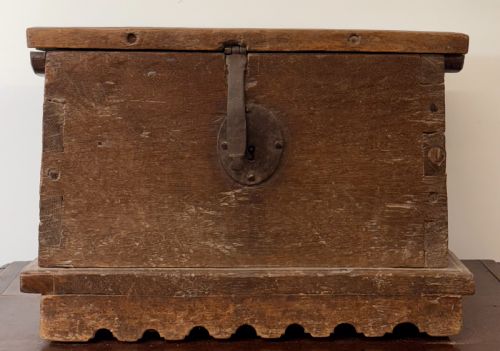
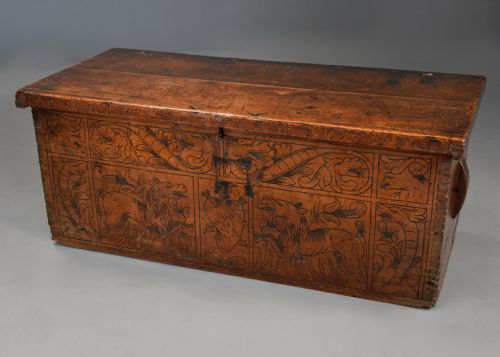
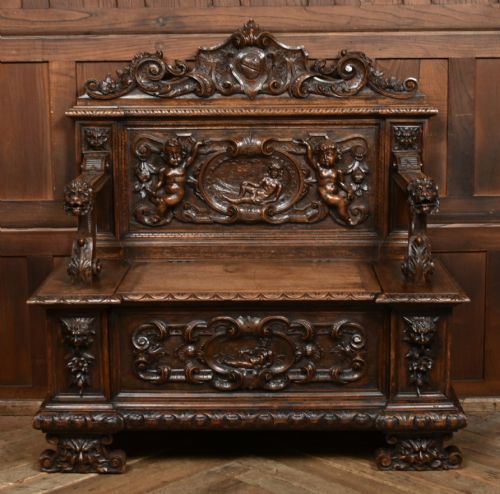
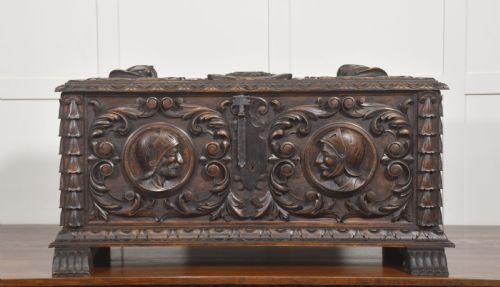
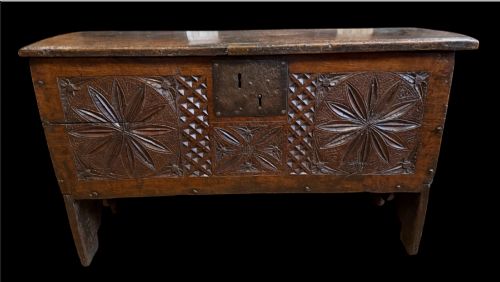
A renaissance wooden chest provides sturdy storage through heavy timber construction, appearing here in forms ranging from sixteenth-century oak coffers to nineteenth-century revival cassapanca benches.
Buyers encounter solid walnut, oak, and cypress boxes, alongside functional hall settles and inlaid cabinets built in Italian, German, and Flemish workshops.
The selection covers genuine sixteenth- and seventeenth-century survivals alongside nineteenth-century revival pieces that adopt the heavy carving and figural medallions of earlier centuries.
What varies in quality
Depth of carving and clarity of figural medallions separate standard utility boxes from monumental pieces commissioned for noble houses.
The integrity of the original timber and the survival of period hardware, such as wrought iron hinges and locks, determine the historical weight of the piece.
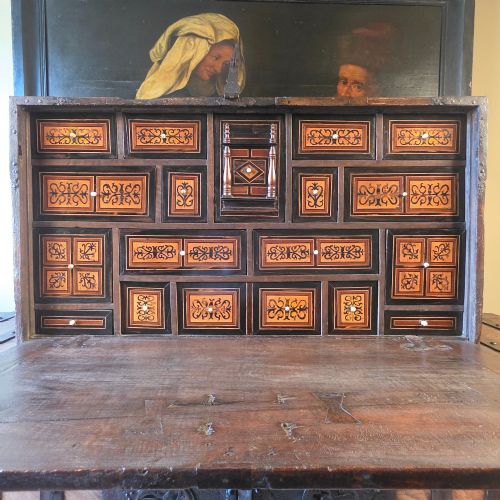
Intricacy of surface decoration, including bone inlay and marquetry panels, dictates the standard of execution across both period items and later revivals.
Several sixteenth-century coffers arrive with complex internal locking mechanisms designed to outwit Tudor-era pickpockets.
The Renaissance Wooden Chest Glossary
- Cofer
- A heavy wooden box used for storage and travel, typically reinforced with iron bands. It serves as the primary precursor to the modern chest.
- Cassone
- A large Italian marriage chest often decorated with elaborate carving, gilding, or marquetry. Wealthy families commissioned these to hold bridal linens.
- Cassapanca
- An Italian bench formed by placing a high back and arms onto a chest base. It combines seating with secure household storage.
- Marquetry
- The art of applying small pieces of different coloured wood veneer to a surface to create pictorial patterns. Craftsmen utilised fruitwood and ebony for contrast.
- Patina
- The surface sheen and darkening that develops on wood over centuries of exposure and handling. It indicates age and consistent maintenance.
Renaissance Wooden Chest: Frequently Asked Questions
How do I date a wooden chest?
Examine the construction methods, tool marks, and timber species used in the base and inner panels. Hand-riven boards and forged iron nails generally point to earlier periods.
Compare the decorative motifs, such as figural medallions or linenfold panels, against known stylistic periods. Revival pieces from the nineteenth century often betray their later date through machine-cut timber edges and uniform interior surfaces.
Where were these chests placed originally?
These heavy boxes stood mainly in the great halls and bedchambers of wealthy households. They held valuable textiles, documents, and personal wealth.
Cassapanca benches functioned in grand hallways as both seating for guests and secure storage for family goods.
How do I care for antique walnut furniture?
Keep the timber away from direct heat sources and sudden temperature shifts to prevent the wood from splitting. Maintain a stable indoor humidity.
Apply a microcrystalline wax occasionally to nourish the dry grain and protect the historic patina. Avoid modern silicone polishes entirely.
What is a Nuremberg casket?
This term describes a portable metal-bound wooden box designed for securing valuables during travel. German metalworkers specialised in these reinforced strongboxes.
They feature complex internal locking mechanisms hidden beneath engraved steel plates.