

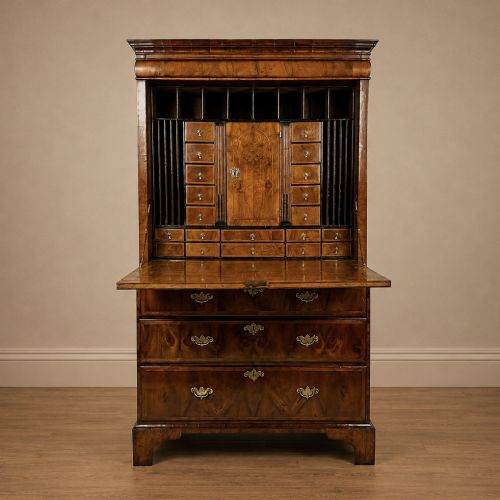
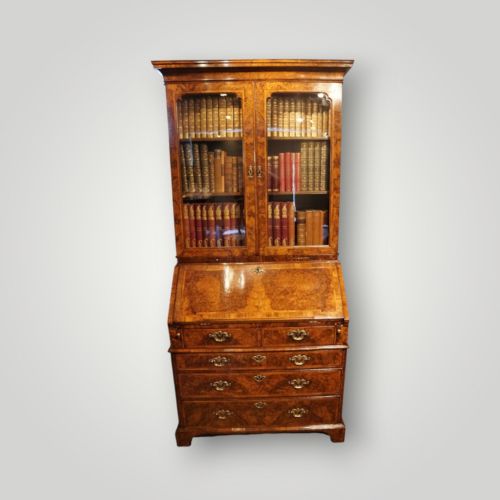

Early Georgian Writing Desk
An early georgian writing desk brings centuries of walnut and oak craft into a room, offering fitted interiors and fall fronts for daily use.
Early Georgian Writing Desk
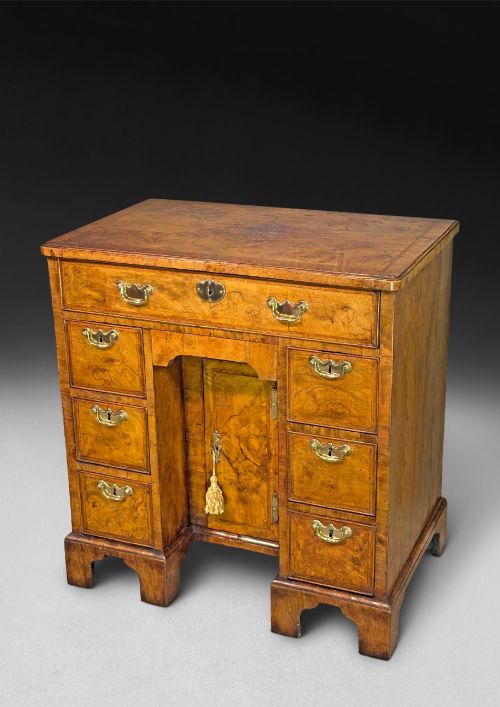
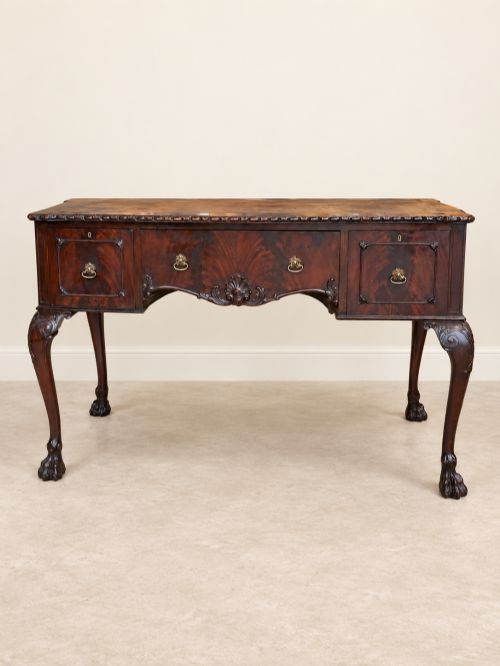
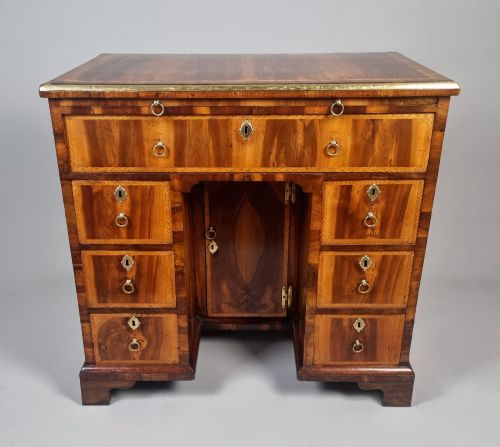
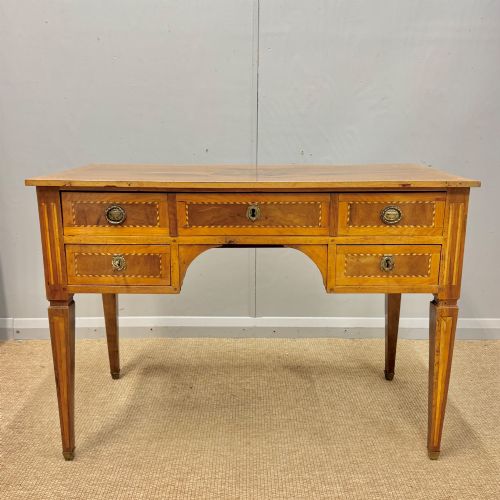
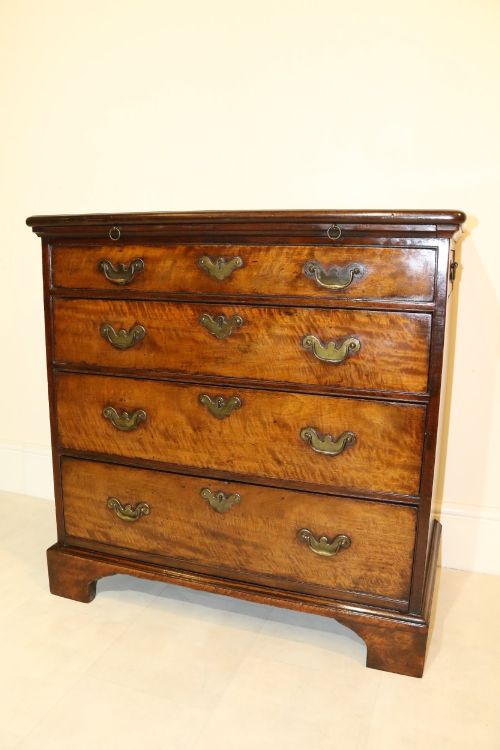
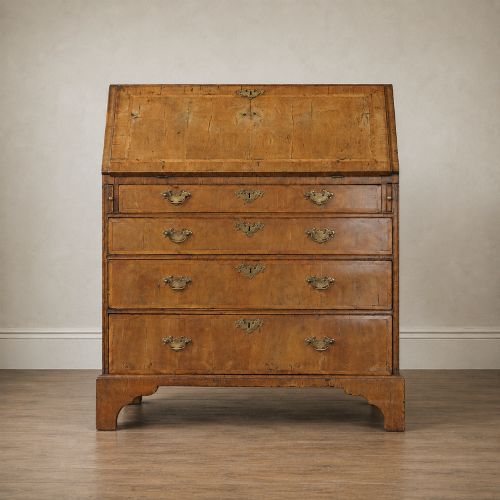
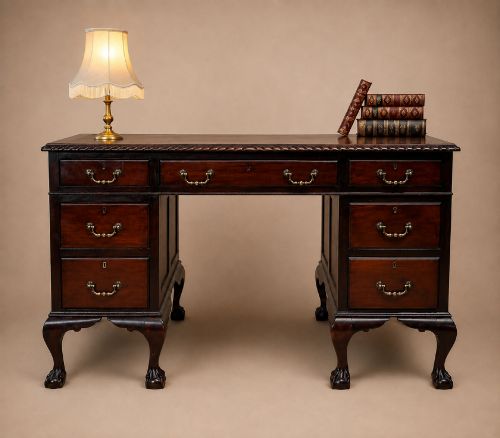
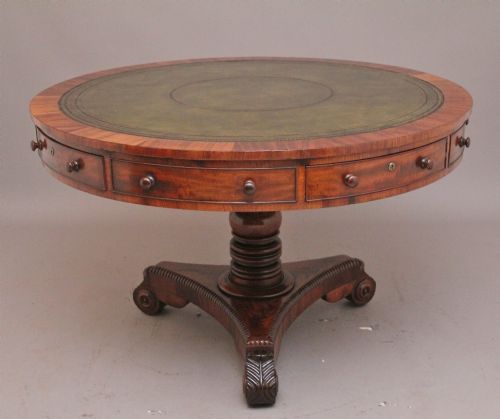
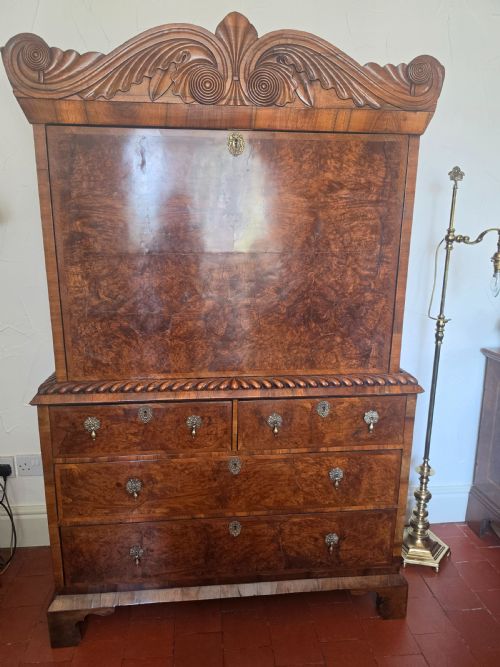
When you search for an early georgian writing desk, you encounter bureaux, kneehole desks, and bureau bookcases spanning the 17th and 18th centuries. Walnut and oak dominate these forms, appearing alongside mahogany and yew wood in formats ranging from lowboys to towering escritoires.
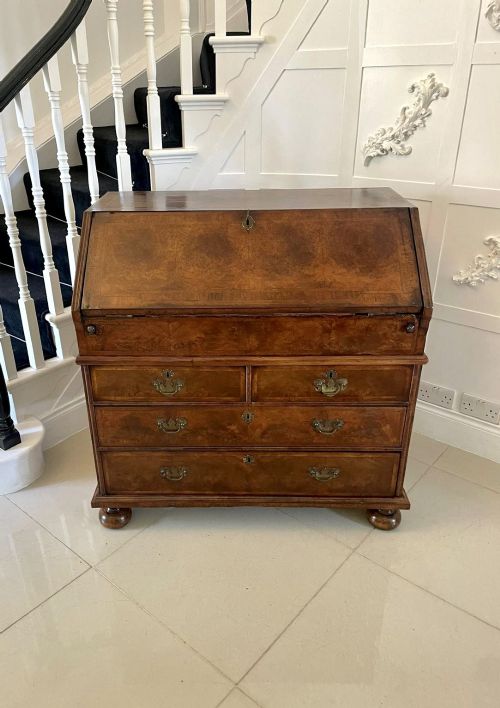
The selections on this page lean heavily towards walnut and oak examples from the Georgian, Queen Anne, and George I periods. These pieces include fall-front writing surfaces, fitted interior compartments, and structural variants like the bureau on stand or kneehole desk.
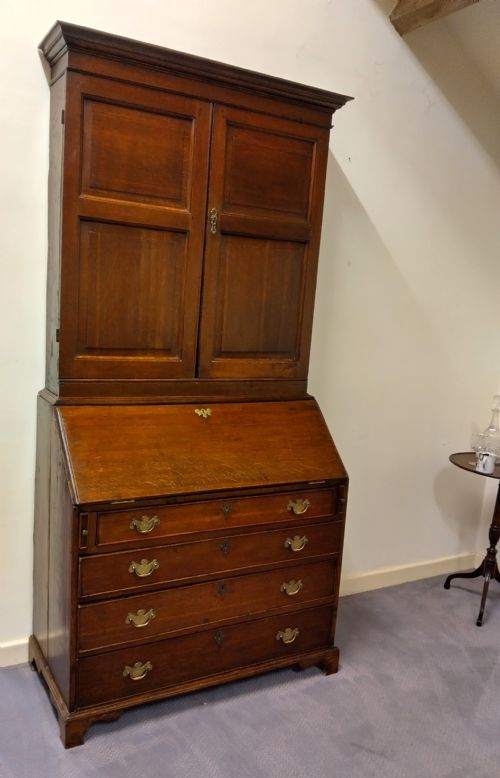
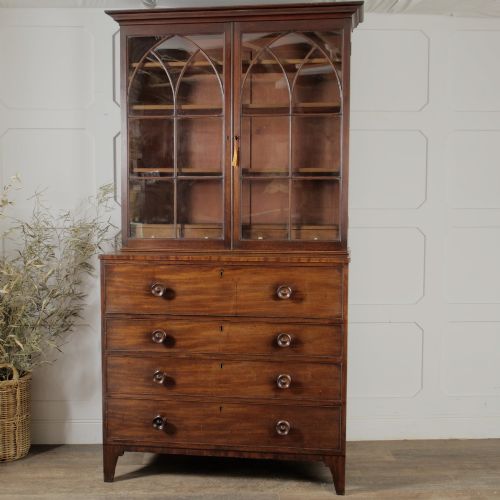
Makers and cabinetmakers of the 18th century constructed these pieces for domestic correspondence and estate management. The survivals show diverse regional interpretations, from small oak desks to large burr walnut bureau bookcases with glazed upper sections.
What varies in quality
The refinement of the timber selection dictates much of the distinction between examples, particularly where figured walnut or burr walnut veneers meet across a fall front. Grain matching and the preservation of original brasses or ironwork elevate certain pieces above standard production.
Internal complexity also separates the tiers, with fitted pigeonholes, secret drawers, and candle slides demonstrating superior cabinetwork. The integrity of the original construction, down to the drawer linings and stand supports, shapes the standing of each survivor.
Listings feature walnut, oak, and mahogany across the 18th and 19th centuries, spanning forms from kneehole desks to tall escritoires.
The Early Georgian Writing Desk Glossary
- Bureau
- A writing desk featuring a sloping fall-front that opens to reveal a fitted interior of small drawers and pigeonholes.
- Kneehole desk
- A compact pedestal desk with a central recess for the sitter's legs, flanked by banks of small drawers.
- Escritoire
- A tall cabinet incorporating a writing flap that drops down to form a desk surface.
- Lowboy
- A small side table or dressing table with one or more rows of drawers beneath the top surface.
- Herringbone inlay
- A decorative wood banding arranged in a V-shaped pattern, commonly seen in walnut furniture of the early 18th century.
Early Georgian Writing Desk: Frequently Asked Questions
How do I use an early writing desk?
The fall front drops down to provide a stable writing surface, while the internal pigeonholes and small drawers organise papers and stationery.
Lower drawers hold larger documents and writing materials, keeping the desktop clear when the fall is closed.
What is a bureau bookcase?
A bureau bookcase combines a lower writing desk with an upper shelving section, often enclosed by glass doors.
This two-part form maximises storage capacity by uniting a workspace with a cabinet for books or display.
How do I distinguish walnut from mahogany pieces?
Walnut furniture typically displays rich brown tones with darker figuring, often featuring burr patterns or herringbone inlay from the early 18th century.
Mahogany surfaces tend to exhibit a denser reddish-brown hue that became more common later in the Georgian era.
Where were these desks placed?
These pieces sat in libraries, withdrawing rooms, and bedchambers where estate accounts and personal letters were managed.
Freestanding models allowed placement away from walls, while smaller examples fitted easily into private closets.