
Antique Furniture Bureau Desk
An antique furniture bureau desk offers a practical workspace combined with concealed storage that suits a traditional study.
Antique Furniture Bureau Desk
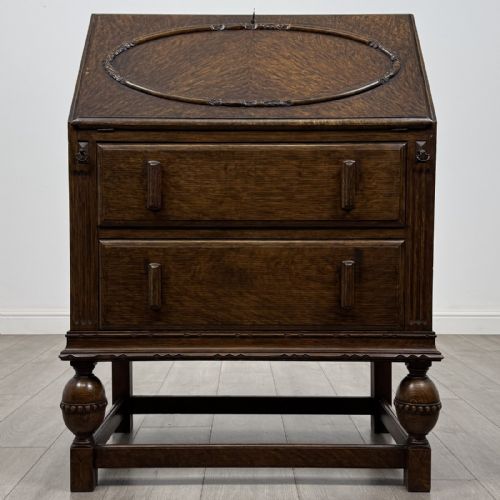
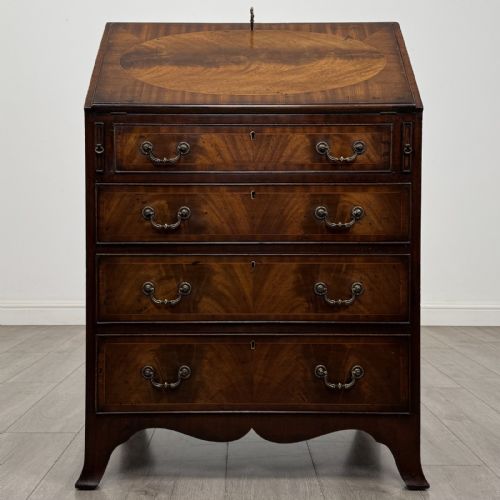
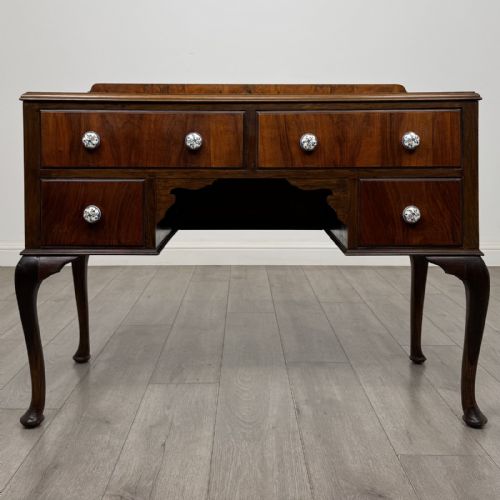
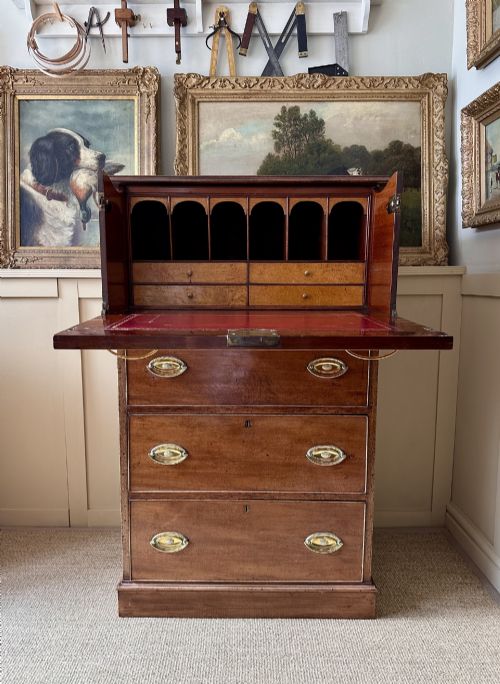
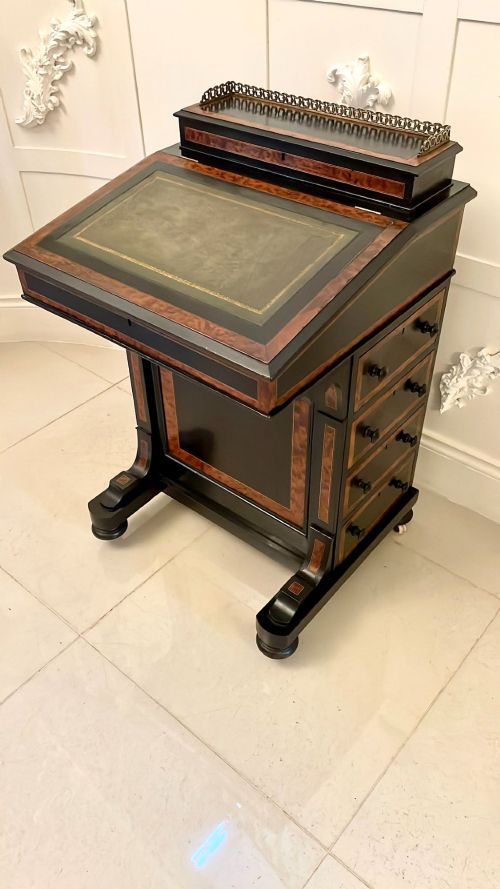
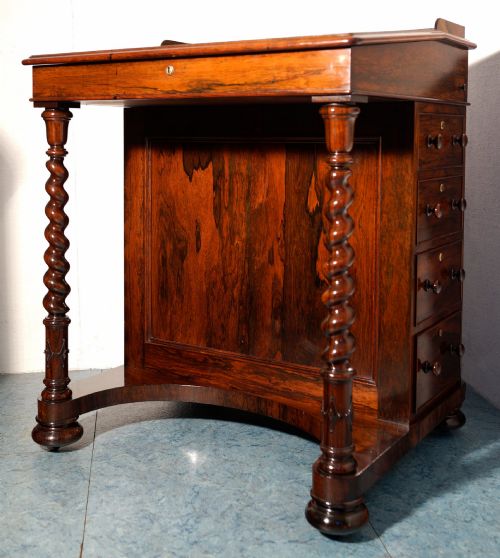
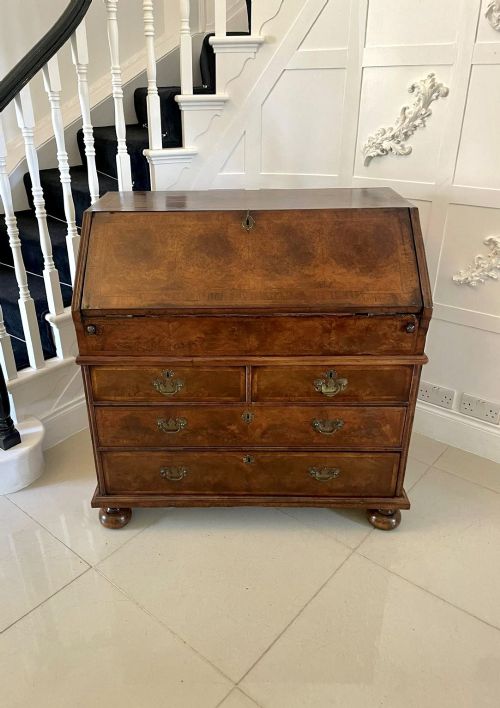
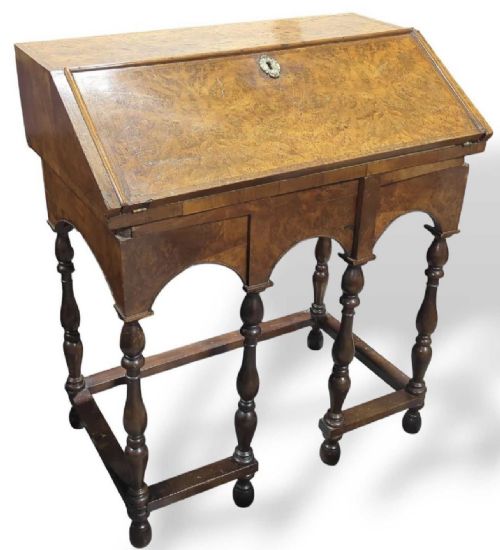
An antique furniture bureau desk combines a sloping fall-front writing flap with internal pigeonholes and drawers beneath. Buyers seeking this form will encounter Georgian and Victorian examples most frequently on this page, alongside Edwardian variations.
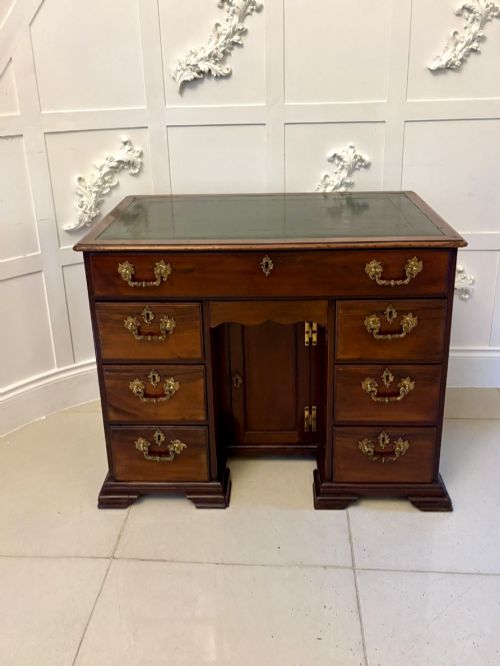
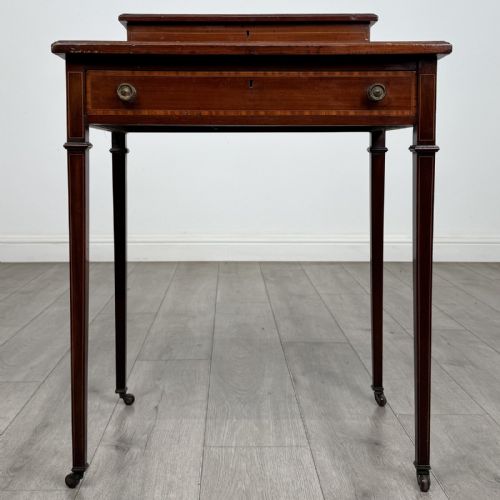
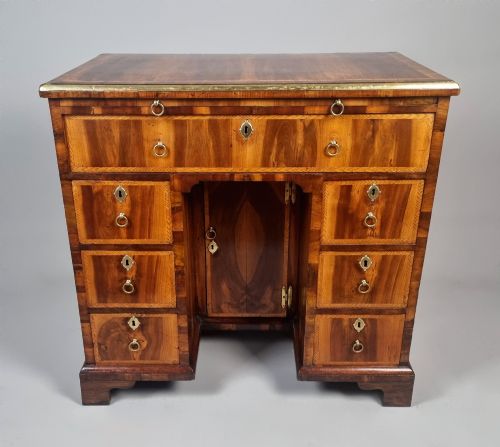
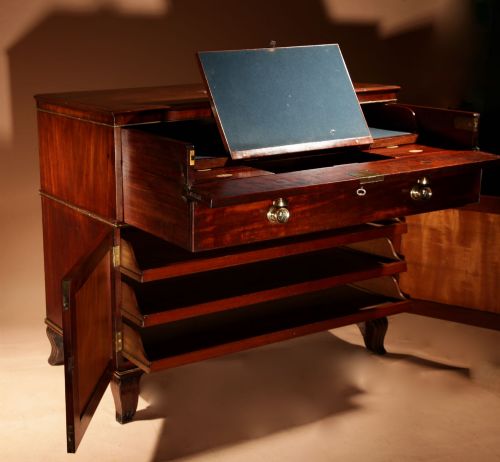
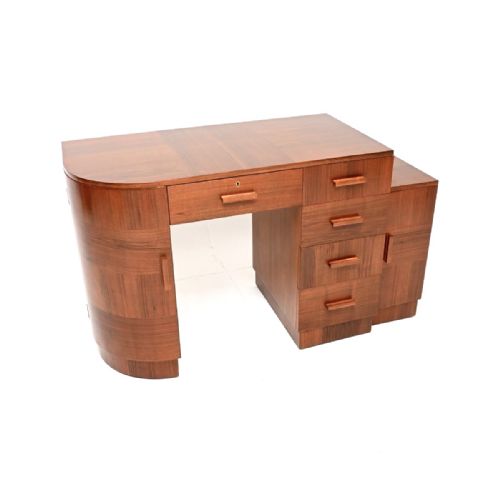
The category spans multiple writing forms including kneehole desks, bureau bookcases, and secretaire cabinets. These pieces originate across the eighteenth, nineteenth, and early twentieth centuries, reflecting changing domestic requirements for correspondence and storage.
Materials and Construction
Cabinet makers utilised dense hardwoods such as mahogany, oak, and walnut, frequently applying burr walnut or satinwood veneers to exterior surfaces. Brass hardware, including handles and escutcheons, secures the drawers and fall fronts.
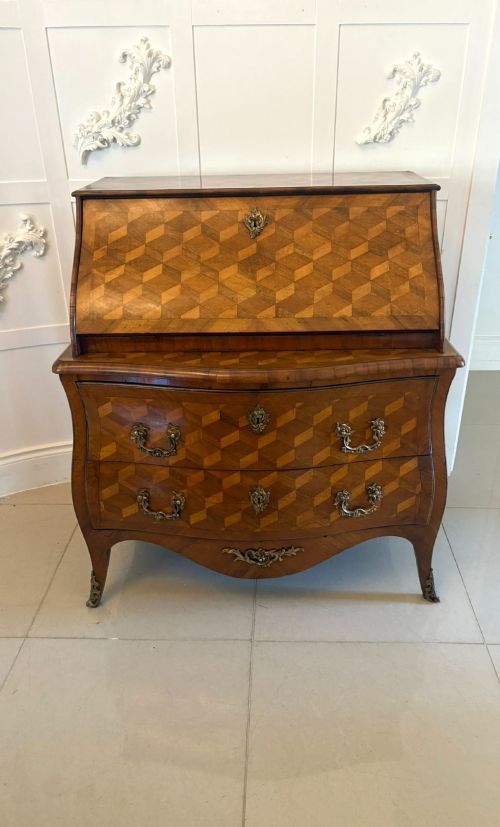
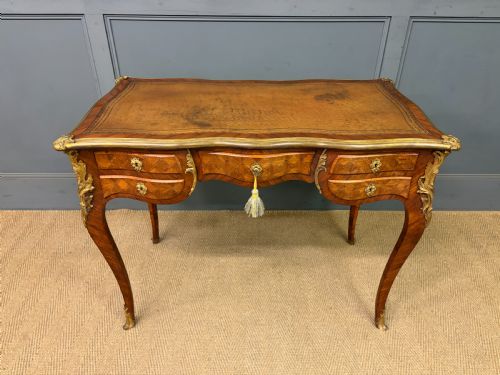
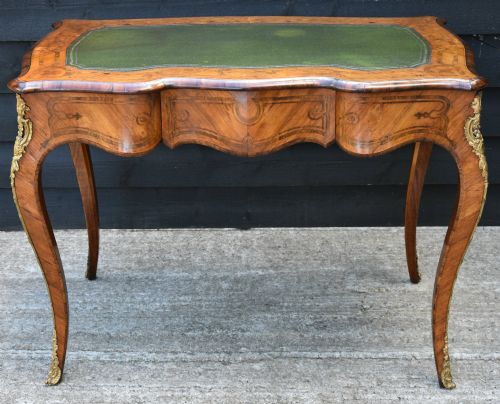
Inlaid decoration incorporates techniques like floral marquetry and parquetry geometric patterns using contrasting timbers. Certain French and English pieces also feature ormolu mounts or brass stringing to accentuate the primary wood grain.
Secret compartments hidden within the pigeonholes kept family secrets safe from curious household staff.
Assessing Craftsmanship
Quality rests in the handling of timber selection, particularly where matched veneers or burr walnut grains wrap continuously across drawer fronts and fall flaps. Finer examples display meticulous internal compartment layouts with secret drawers and fitted pigeonholes.
Structural integrity shows in traditional joinery methods, such as hand-cut dovetails on drawer construction and the stability of bracket or pedestal feet. The retention of original brasses and working locks further distinguishes superior specimens from later alterations.
Gillows Oxford Street Workshop·JAS Shoolbred·James Mein of Kelso·Heals of London·George Oakley·Arthur Basil Reynolds
The Antique Furniture Bureau Desk Glossary
- Bureau
- A writing desk featuring a sloping lid that opens to reveal fitted drawers and pigeonholes. It typically sits above a set of full-width external drawers.
- Fall-front
- A hinged writing flap that drops into a horizontal position for use. When closed, it conceals the interior stationery compartments.
- Secretaire
- A cabinet or chest containing a concealed writing drawer or drop-front section. These pieces often mimic the appearance of standard chests of drawers or bookcases.
- Marquetry
- Decorative woodwork where pieces of veneer are assembled to form pictorial or floral designs. Artisans embed these contrasting woods into the primary carcase surface.
- Ormolu
- Gilded bronze mounts applied as ornamentation on furniture pieces. This technique appears frequently on nineteenth-century French writing desks.
Antique Furniture Bureau Desk: Frequently Asked Questions
What is a bureau desk?
A bureau desk is a compact writing cabinet featuring a sloping lid that opens to form a writing surface. Inside, users find an arrangement of small drawers and pigeonholes for stationery.
Beneath this writing compartment, standard drawer configurations provide general storage. This dual purpose made them central items in historical studies and bedchambers.
How do I date a bureau desk?
Dating relies on observing timber choices, construction methods, and hardware styles across different eras. Georgian pieces often employ solid mahogany or walnut with bracket feet, while Victorian examples frequently show heavier oak or ebonised finishes.
Secondary woods inside drawers and the complexity of internal pigeonholes also offer chronological clues. Makers' labels or stamps, when present, provide definitive origin periods.
Where were bureau desks used?
These desks served primarily in private studies, libraries, and withdrawing rooms of substantial homes. Their enclosed storage kept personal correspondence and financial records private.
In later periods, smaller variations appeared in domestic bedrooms and drawing rooms. The lockable fall-front ensured documents remained secure when unattended.
How do I maintain wood surfaces?
Maintenance involves applying occasional natural wax to nourish aged timbers and preserve the polished sheen. Avoid placing wooden writing furniture near direct heat sources or strong sunlight to prevent veneer splitting.
Dusting regularly with a soft, dry cloth prevents particulate accumulation. Leather writing inserts benefit from specialised conditioning to remain supple.