

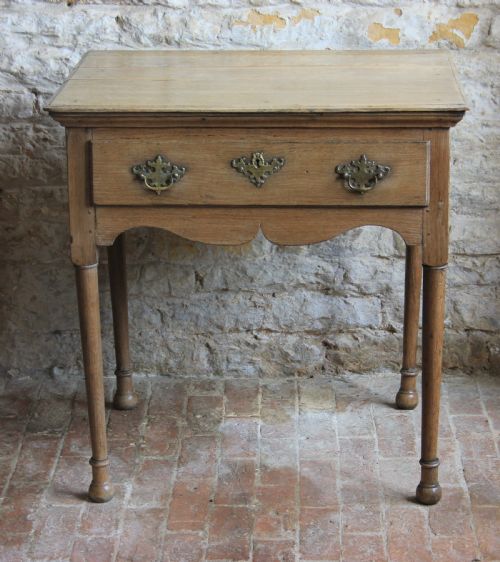


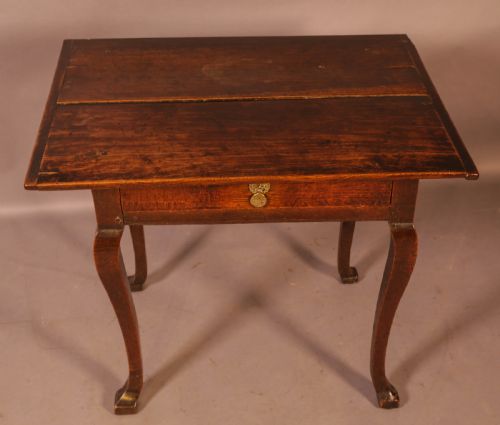
Early English Oak Table
An early English oak table is a sturdy domestic survivor, built from hearty native timber to endure centuries of daily use.
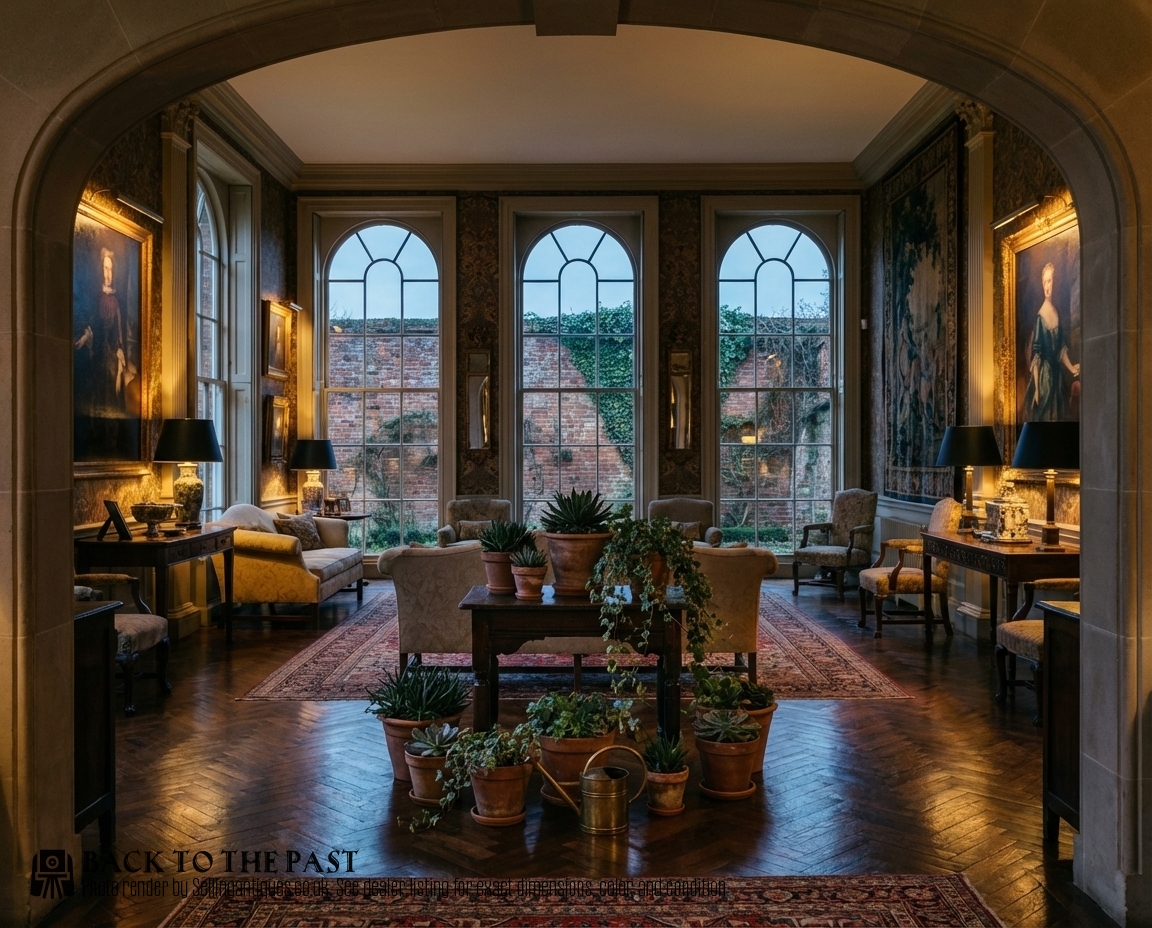
Early English Oak Table
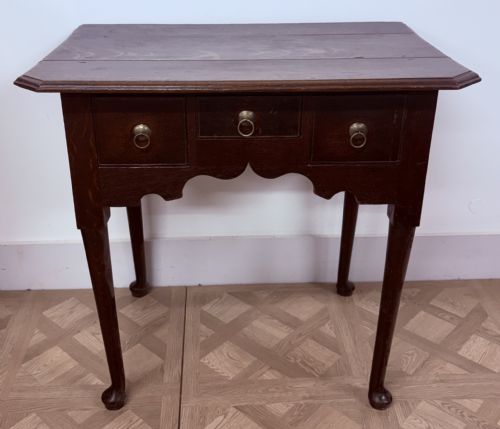
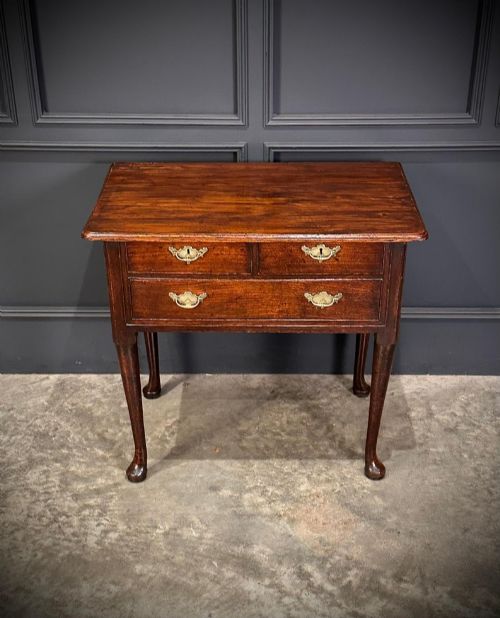
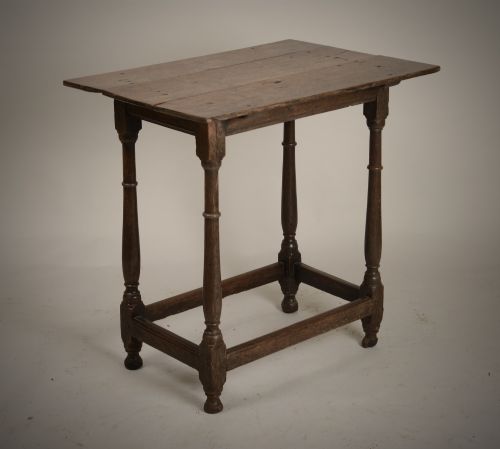
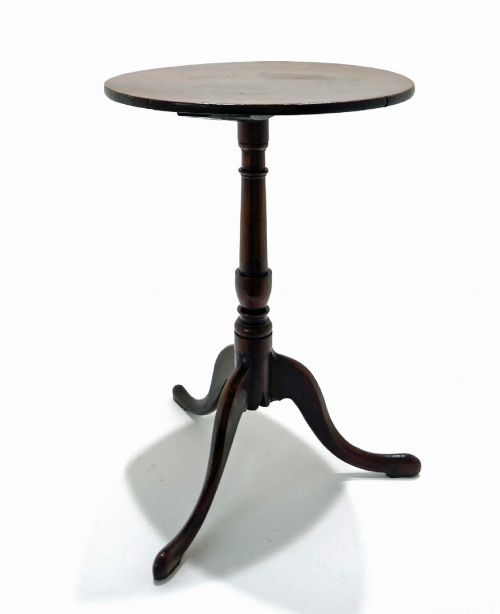
An early English oak table encompasses a robust variety of forms designed for practical living, ranging from compact side tables and lowboys to expansive gateleg and refectory dining tables. When searching for an early English oak table, buyers frequently encounter pieces dating from the seventeenth and eighteenth centuries, alongside country tripods and joint stools.
The selection ranges from tavern tables and drop-leaf designs to dresser bases and cricket tables, reflecting centuries of domestic utility. Regional cabinetmakers utilised local materials to construct these resilient pieces, ensuring their survival across generations of household service.
Materials and construction
Makers relied primarily on native oak, often combined with secondary woods such as fruitwood, elm, pine, and brass or iron hardware for hinges and stretchers. Planks were typically joined with sturdy pegged joints and simple framing methods suited to the dense nature of the timber.
Surface preparation involved hand-planing and joining solid boards, leaving natural grain patterns and tooling marks visible. Over time, traditional polishing methods and daily wear built up deep surface patinas on the timber.
Listings feature oak alongside fruitwood, elm, pine, brass, and iron across periods spanning the seventeenth century to the twentieth century.
Assessing quality and character
Quality rests in the integrity of the original construction and the preservation of the surface timber rather than excessive ornamentation. Pieces that retain their unblemished structural proportions and undisturbed patinas demonstrate superior craftsmanship.
The harmony between the primary oak boards and secondary woods, such as fruitwood legs or pine supports, dictates the overall character. Surviving tables that maintain their original joinery and authentic surface depth stand apart from heavily restored examples.
Heals of London
The Early English Oak Table Glossary
- Lowboy
- A small oak table equipped with one or more drawers, typically used as a dressing table or side table. These pieces often feature cabriole or straight legs.
- Gateleg table
- A drop-leaf table with hinged flaps supported by swing-out legs. This design allowed tables to expand for dining and fold down to save space.
- Joint stool
- A sturdy wooden seat constructed with mortise and tenon joints. These early seating pieces were solid enough to double as small side tables.
- Tripod table
- A small occasional table supported by a central pillar and three splayed legs. Many examples include tilting mechanisms for convenient storage.
- Refectory table
- A long, narrow dining table built on trestles or heavy legs with supporting stretchers. These communal tables were designed to seat large households.
Early English Oak Table: Frequently Asked Questions
What defines an early English oak table?
An early English oak table is defined by its use of native British timber, sturdy joined construction, and domestic utility dating from the seventeenth or eighteenth centuries.
These pieces were built for everyday household tasks, resulting in robust forms like gateleg, refectory, and side tables that survived through centuries of use.
How were these tables used originally?
These tables served central roles in domestic life for dining, food preparation, writing, and general household storage.
Smaller variants functioned as side tables or dressing surfaces, while larger gateleg and refectory formats accommodated communal meals in great halls and country homes.
How should I live with an antique oak table?
Living with an antique oak table requires simple care, such as placing it away from direct heat sources and sudden humidity changes to protect the timber.
Regular dusting and occasional waxing help preserve the historic surface patina without masking the natural grain and character of the wood.
How can I tell periods apart?
Distinguishing between periods involves examining construction methods, leg styles, and hardware details characteristic of seventeenth-century joined work versus eighteenth-century cabriole legs.
Earlier pieces often display heavier framing and pegged joints, while later eighteenth-century examples introduce lighter tripod columns and refined proportions.