
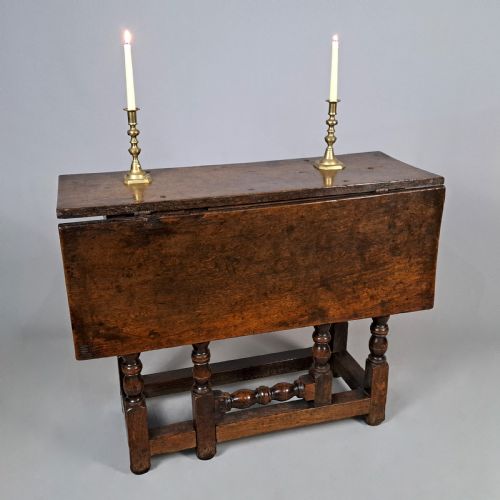

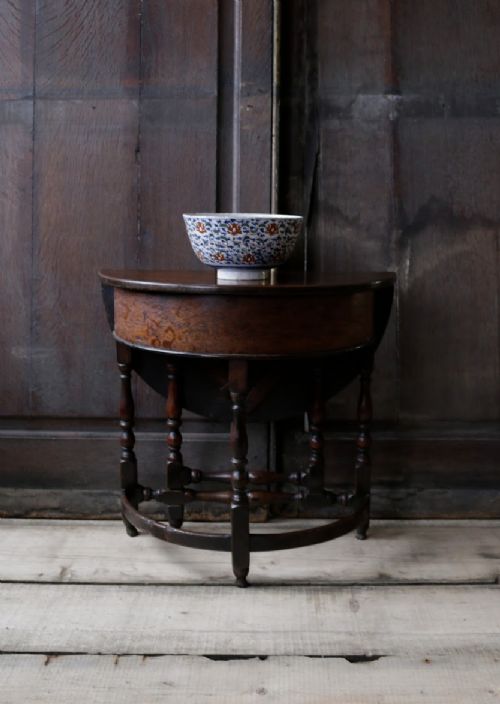


Charles I Oak Table
A charles i oak table anchors an interior with deep seventeenth-century character, offering solid timber construction and honest period utility.
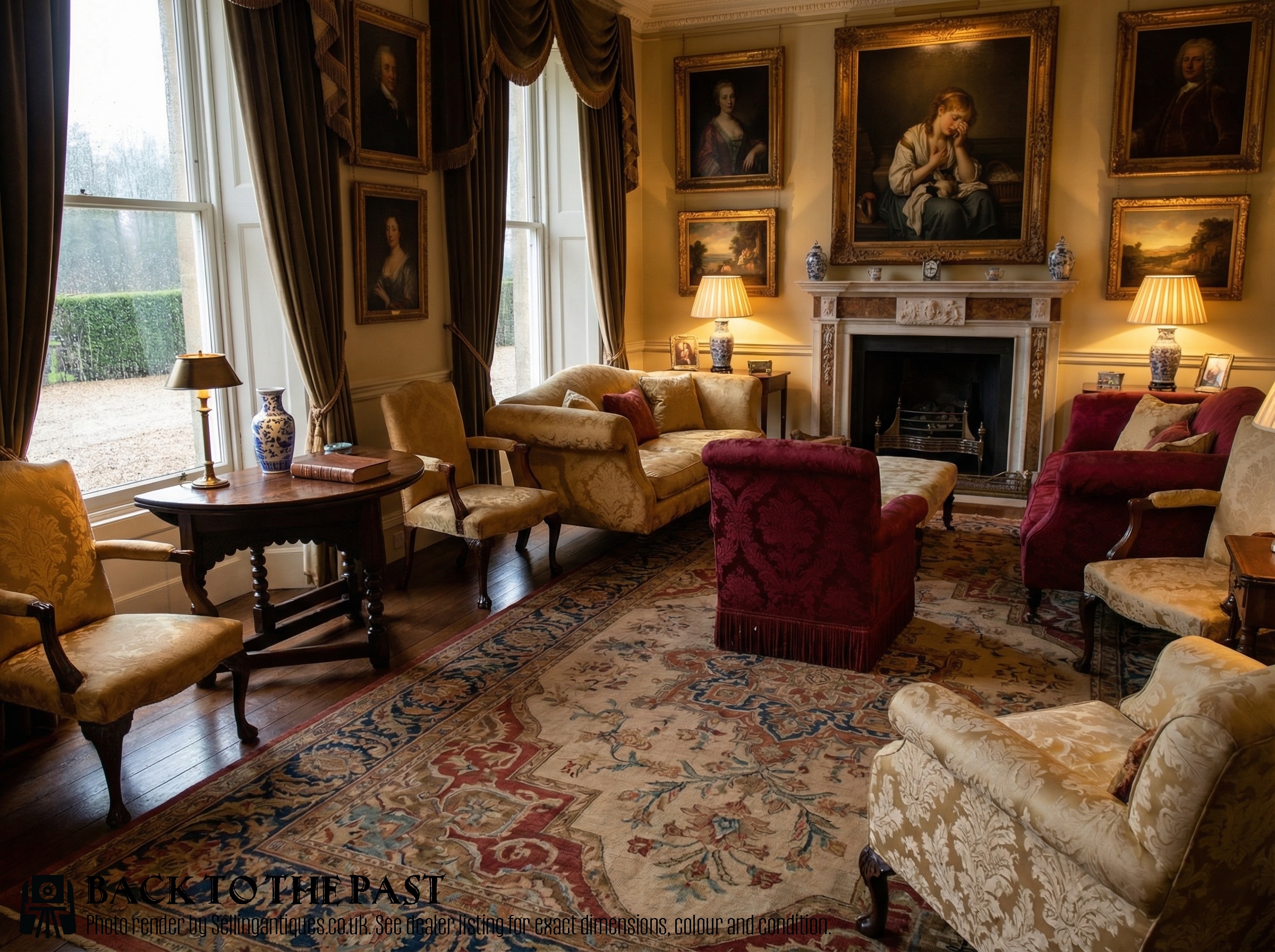
Charles I Oak Table
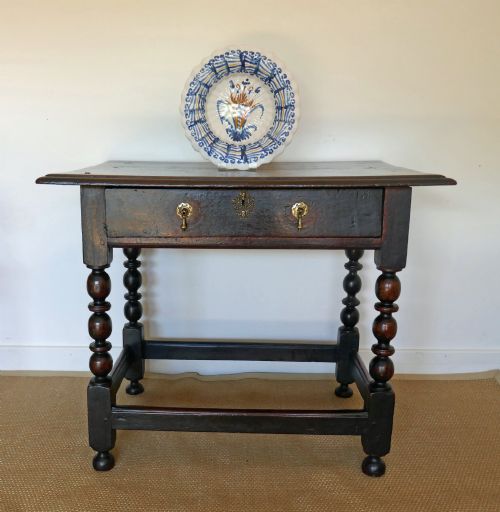
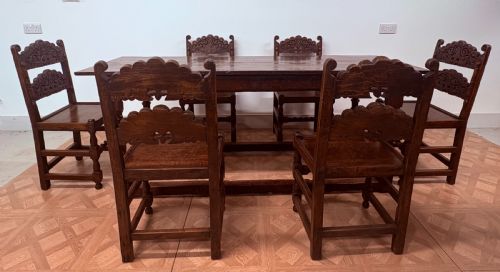
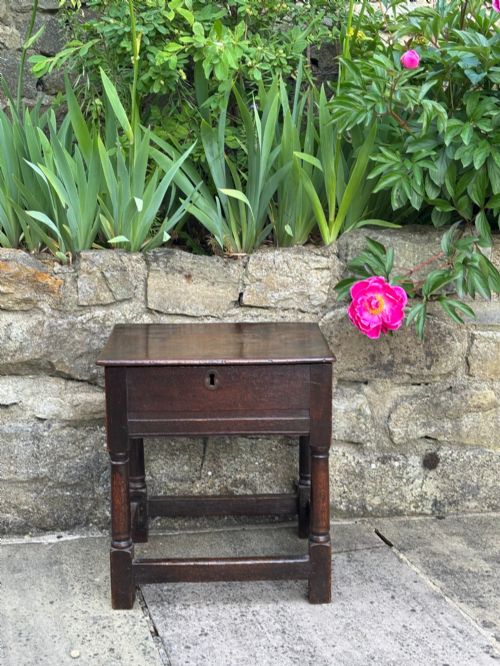
A charles i oak table search reveals robust seventeenth-century furniture forms, encompassing side tables, refectory dining tables, gatelegs, and smaller box tables. These pieces reflect the sturdy domestic requirements of English households during the 17th Century and later revival periods.
Most examples encountered here date from the mid to late seventeenth century, often aligning with the Charles II and Jacobean styles. They range from compact occasional tables and joint stools to expansive six-seater dining tables.
Makers and craftsmen of the period utilised native timber to construct functional furniture designed for daily household use. Collectors appreciate the straightforward joinery and historical depth these forms bring to contemporary and traditional spaces alike.
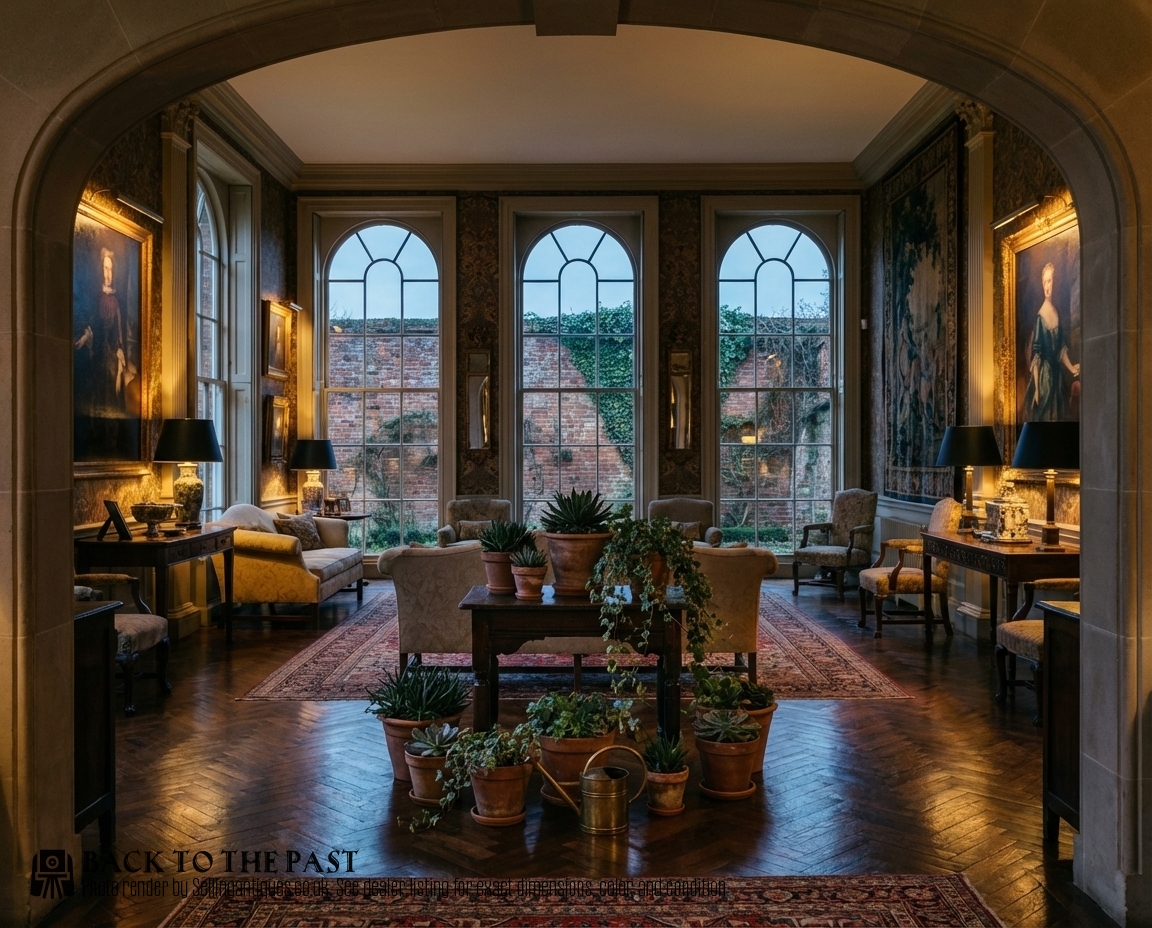
How they were made
Construction relies heavily on solid oak, selected for durability and strength, sometimes combined with secondary woods such as elm or accented with ebonised wood details. Joinery was achieved through traditional pegged mortise and tenon joints, ensuring structural stability without modern adhesives.
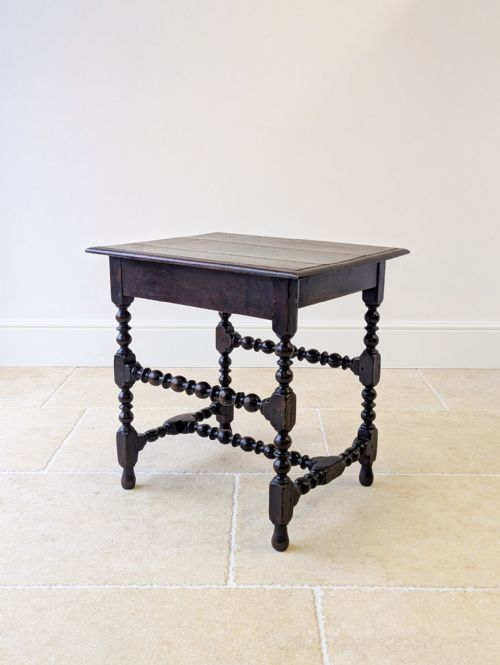
Turnery formed a central part of the decorative repertoire, producing distinctive bobbin-turned or pillar legs on side tables and gatelegs. Metal hardware, including brass and iron hinges or drawer pulls, was functional and hand-forged.
Listings feature solid oak and ebonised wood across side tables, refectory tables, and joint stools spanning the 17th Century.
What varies in quality
Quality in these early tables is defined by the proportion of the timber, the integrity of the original joints, and the depth of the surface patina accumulated over centuries. Examples retaining their original tops, unblemished stretchers, and untouched surface finishes stand apart from those with extensive timber replacement.
The sophistication of the turnery on legs and supports also dictates tier, with crisp, well-defined bobbin or spiral turning indicating superior workshop output compared to simpler, coarser execution.
Charles Dudouyt·Charles Bevan·Charles Eastlake
The Charles I Oak Table Glossary
- Refectory table
- A long dining table historically used in monasteries and large domestic halls. These pieces provide substantial surface area and often feature heavy stretcher bases for added stability.
- Gateleg table
- A drop-leaf table with hinged flaps supported by swing legs that pivot outward like a gate. This design allows the table to expand for dining and contract for compact storage.
- Joint stool
- A sturdy, low wooden stool constructed with mortise and tenon joints rather than turned legs inserted into a seat. They served as versatile seating and occasional surfaces in seventeenth-century homes.
- Patina
- The surface sheen and mellow colour developed by wood over decades through handling, polishing, and oxidation. A fine patina indicates age and gentle care.
- Bobbin turning
- A form of lathe-turned decoration consisting of a series of rounded, spool-like shapes repeated along the length of a leg or stretcher. It is characteristic of mid to late seventeenth-century seating and tables.
Charles I Oak Table: Frequently Asked Questions
How do I care for an old oak table?
Maintain a stable indoor humidity and avoid placing timber furniture near direct heat sources or strong sunlight, which can dry out the wood.
Apply traditional beeswax periodically to nourish the grain and preserve the surface sheen without building up synthetic residues.
Were these tables used for dining?
Larger formats such as refectory and gateleg versions served primarily as communal dining surfaces in seventeenth-century households. Their substantial proportions accommodated multiple guests for daily meals.
Smaller side and occasional tables functioned around the home for holding objects, writing, or display rather than seated dining.
How can I tell a seventeenth-century piece from a later revival?
Examine the timber shrinkage, tool marks, and construction methods used in the frame and underside. Hand-cut pegs, uneven board widths, and authentic surface wear point toward seventeenth-century origins.
Later Victorian Gothic Revival or 20th-century interpretations often display machine uniformity, standardised fixings, and cleaner internal joinery.
What is a gateleg table used for?
A gateleg design offered versatile living space by remaining folded against a wall until needed for meals or gatherings. The hinged leaves extended quickly to form a stable surface.
These tables adapted well to smaller rooms and country cottages where floor space was at a premium.