
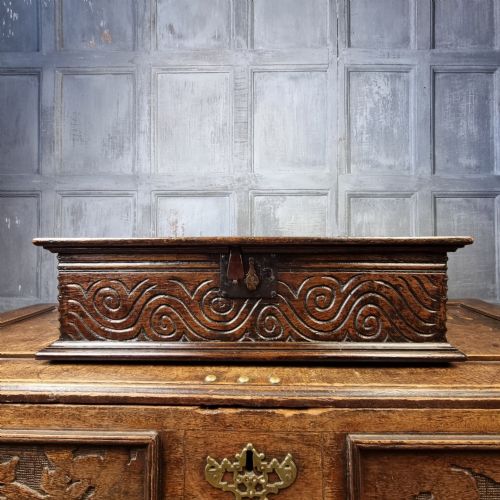


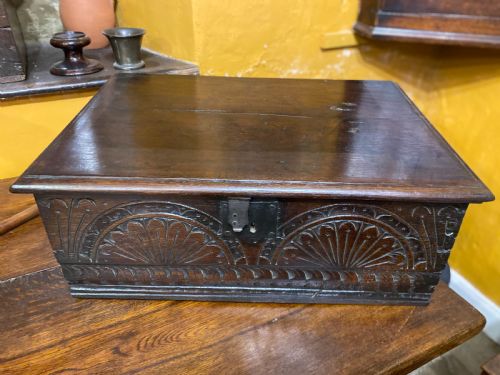

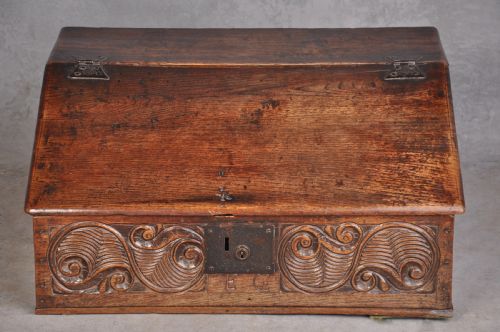
Seventeenth Century Oak Desk
These seventeenth century oak desk examples and related boxes offer tangible links to early domestic writing habits.
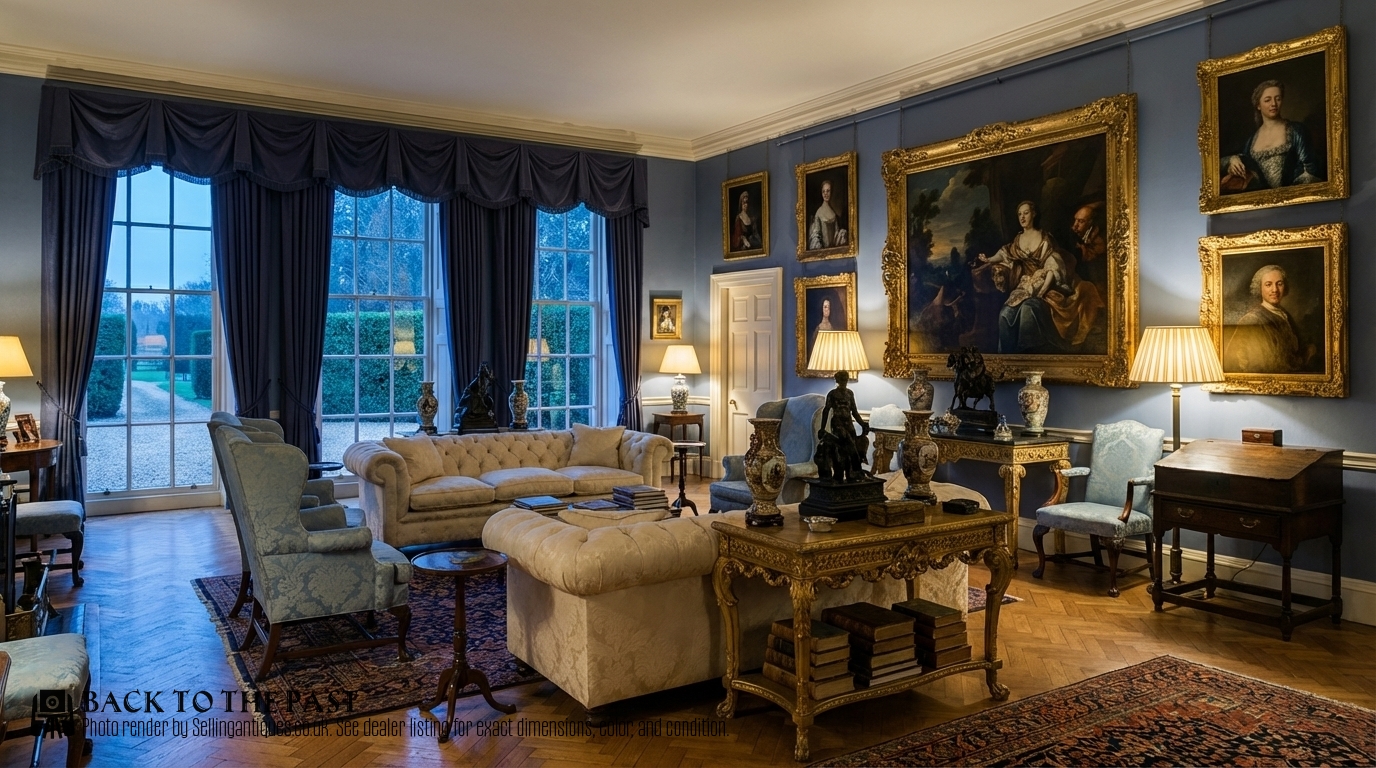
Seventeenth Century Oak Desk
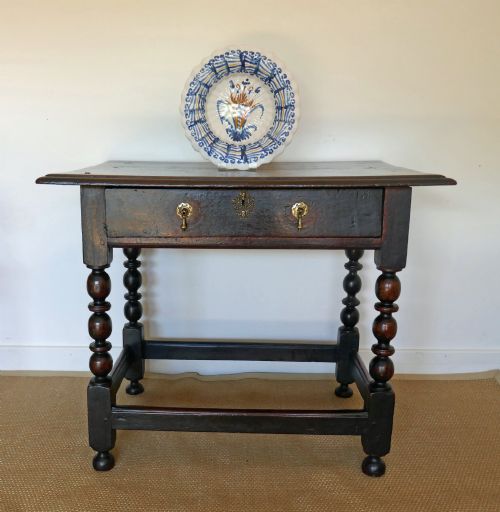
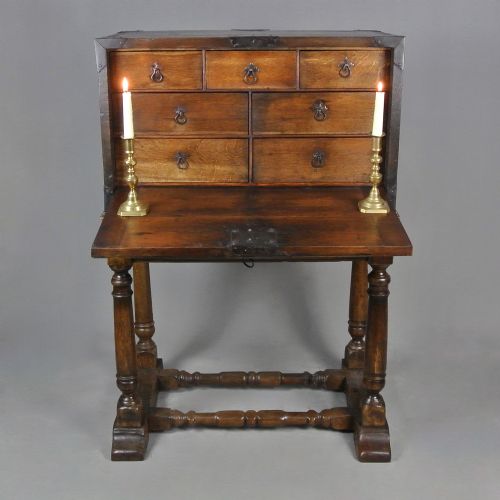
When you search for a seventeenth century oak desk, you encounter a variety of forms including desk boxes, bible boxes, and side tables that served as writing surfaces before dedicated standing bureaus became common. The pieces on this page span the seventeenth century alongside later revival periods from the nineteenth and early twentieth centuries, reflecting enduring tastes for early English furniture.
Smaller portable writing containers and desk boxes with internal drawers represent the most frequent formats encountered alongside side tables and chairs from the same eras. These functional objects reveal how writing materials were stored securely in household environments before the widespread adoption of fixed study furniture.
Materials and construction methods
Construction relies heavily on solid oak, utilising traditional joinery methods appropriate for domestic utilitarian objects of the period. Iron and brass hardware, including complex steel locks and hinges, secure these pieces and demonstrate contemporary metalworking capabilities.
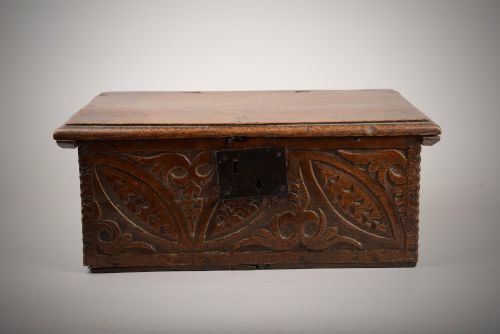
Surface decoration incorporates chip carving, panel moulding, and wood inlay, giving texture and visual interest to the dense timber surfaces. Textile elements and cane appear in related seating found within the listings, showing the varied materials utilised alongside structural wood.
Several survival boxes retain complex original steel locks intended to keep household secrets safe from wandering eyes.
Distinguishing quality in early furniture
Quality reveals itself in the boldness of proportions, the crispness of chip carving on front panels, and the integrity of original internal drawers and compartments. Superior examples retain their original complex steel locks and historical hardware rather than replacement fittings.
The choice of timber grain and the precision of the primary joinery separate standard utility boxes from pieces commissioned for wealthier households. Surface patination accumulated over centuries adds depth that mechanical cleaning or excessive restoration diminishes.
The Seventeenth Century Oak Desk Glossary
- Bible Box
- A small wooden container with a sloping or flat lid, originally built to hold large family Bibles and later utilised for writing implements and documents.
- Jacobean
- A design style spanning the reign of James I, characterised by sturdy proportions, dark oak timber, and geometric panel carving.
- Charles II
- A decorative period following the Restoration, noted for more exuberant carving, spiral turning, and refined joinery in domestic tables and seating.
- Kneehole Writing Desk
- A large desk configuration featuring a central recess for the user's legs, flanked by pedestals of drawers.
- Chip Carving
- A primitive yet effective decoration technique where small chips are removed from a wooden surface to create geometric patterns.
Seventeenth Century Oak Desk: Frequently Asked Questions
What is a bible box?
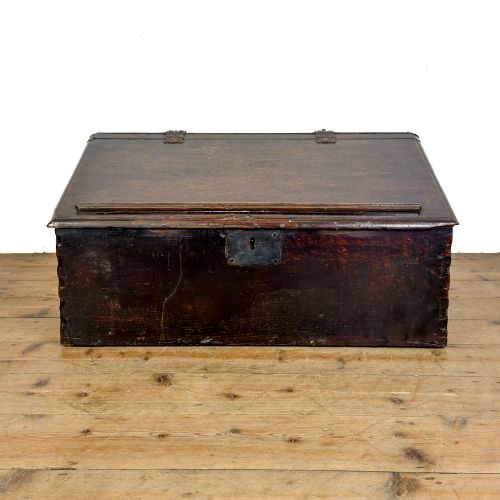
A bible box is a small portable wooden chest featuring a hinged lid, originally designed to protect sacred texts from dust and dampness in early homes.
Over time, households repurposed these sturdy containers as portable writing desks by placing them on tables to provide a sloping surface for paperwork.
How do I use a desk box?
These historical boxes sit securely on top of modern tables or sideboards, functioning as compact writing surfaces for letters and notes.
Lift the hinged lid to access internal drawers and compartments designed to organise stationery and small documents.
How do I identify Jacobean style?
Jacobean furniture displays heavy solid oak construction, restrained geometric mouldings, and robust proportions that reflect seventeenth century building traditions.
Revival pieces produced centuries later often emulate these same characteristics, making timber analysis and construction inspection essential for dating.
Are revival pieces authentic antiques?
Revival pieces date from later periods such as the nineteenth or early twentieth centuries, reproducing earlier styles for contemporary domestic interiors.
While they lack the age of seventeenth century originals, these later interpretations offer solid construction and historical design interest.