
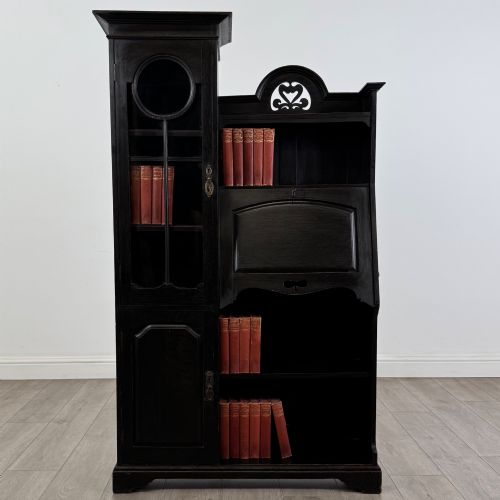
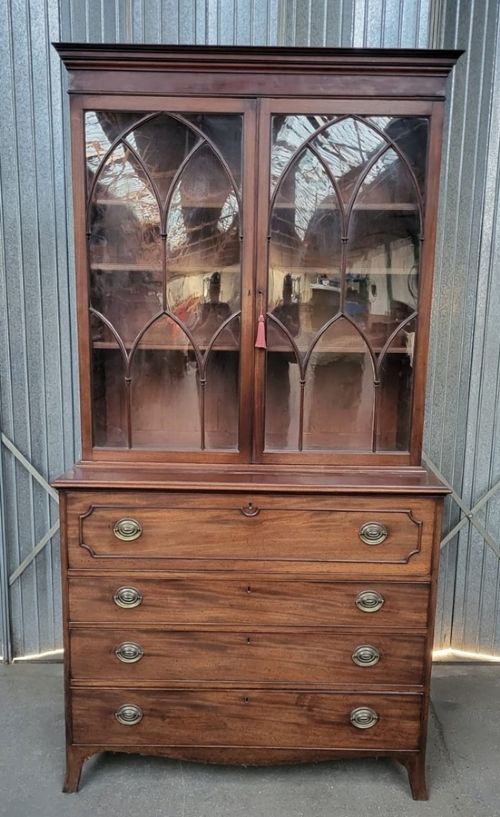

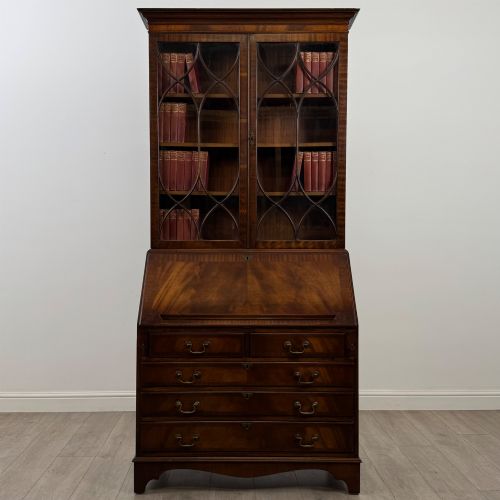
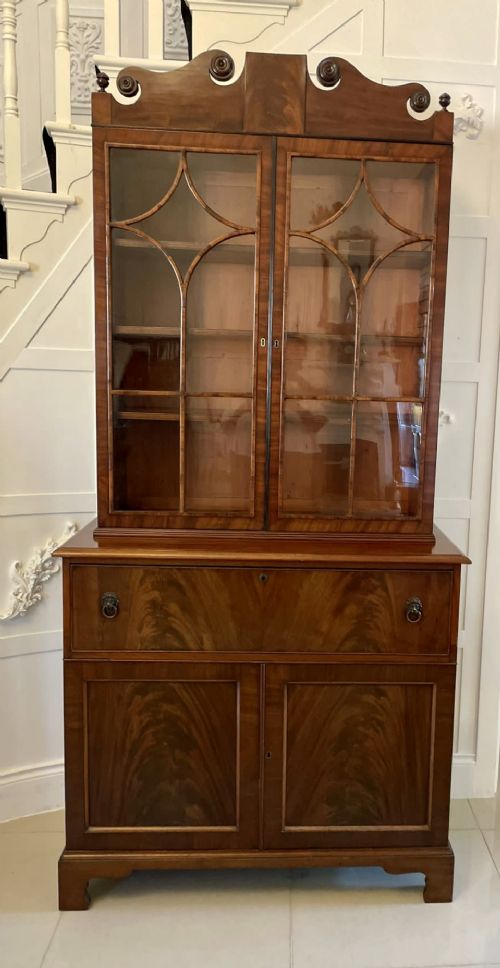
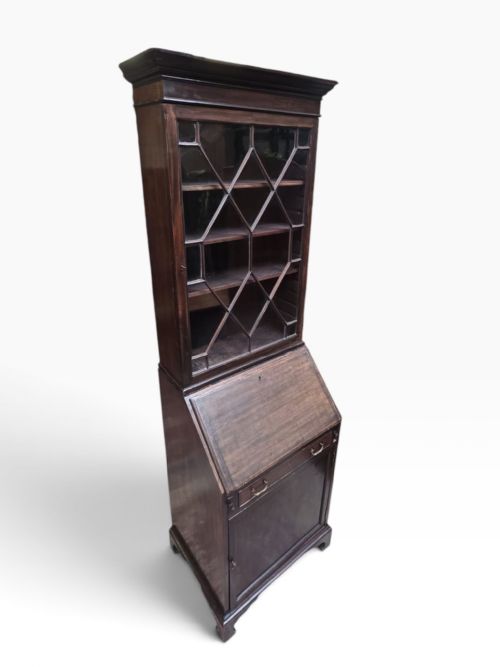
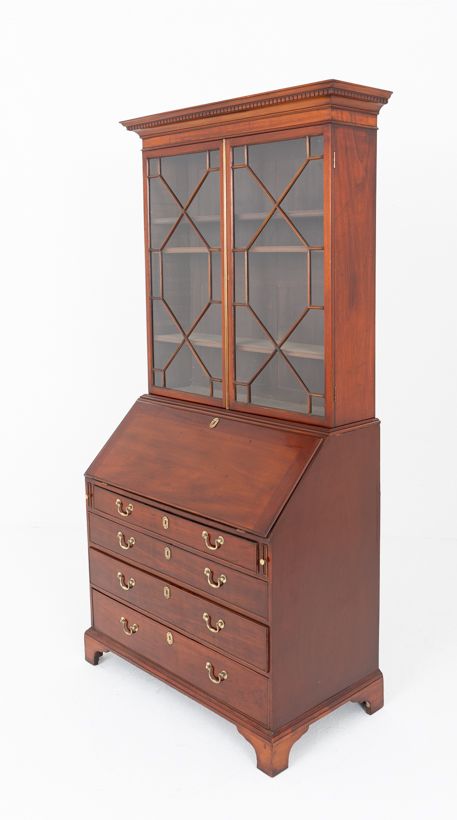
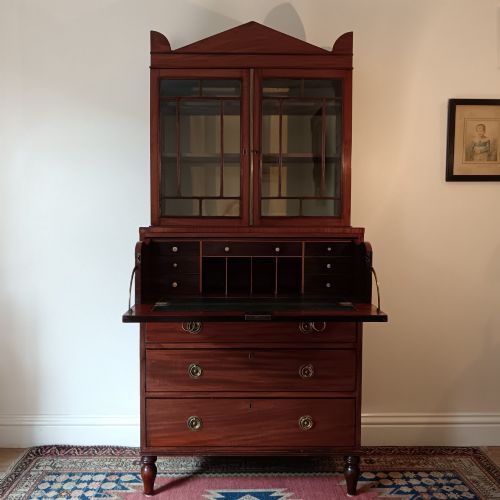
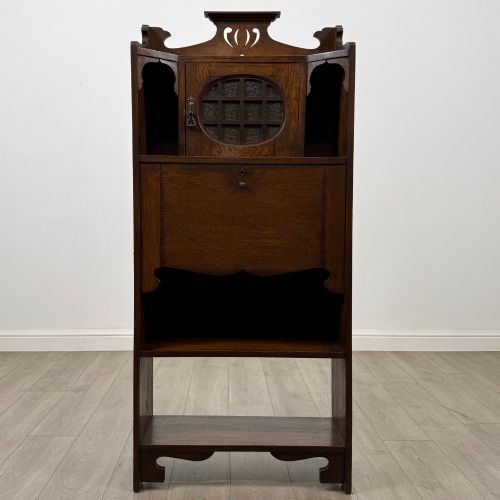
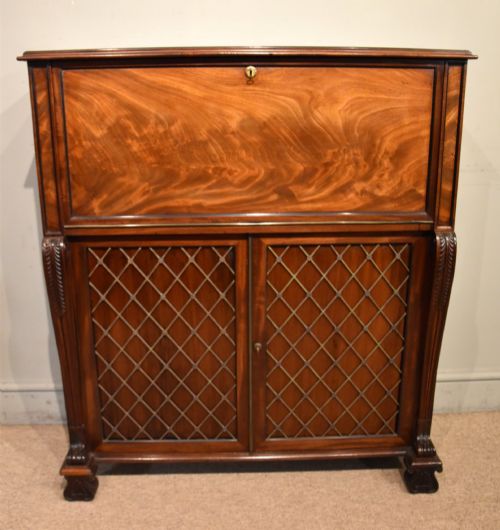
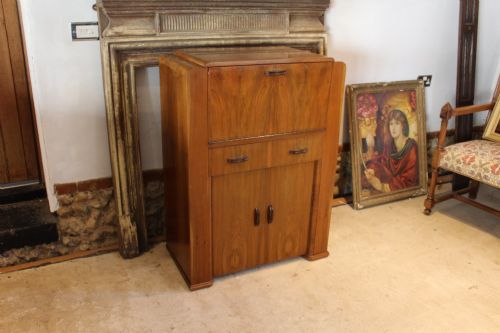
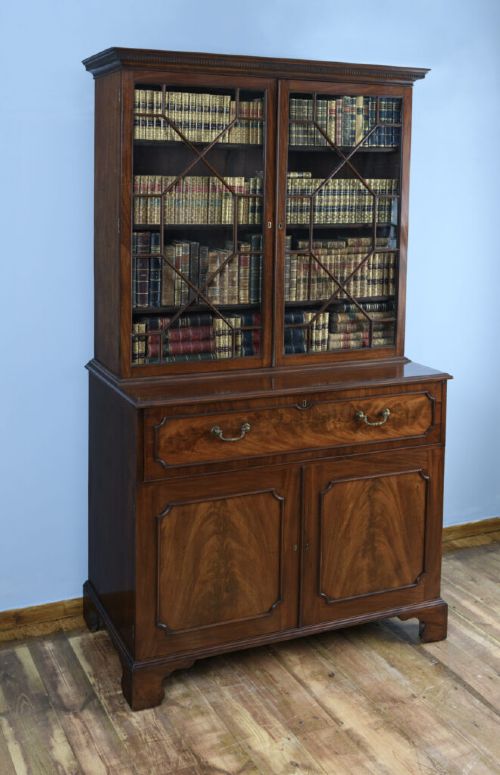
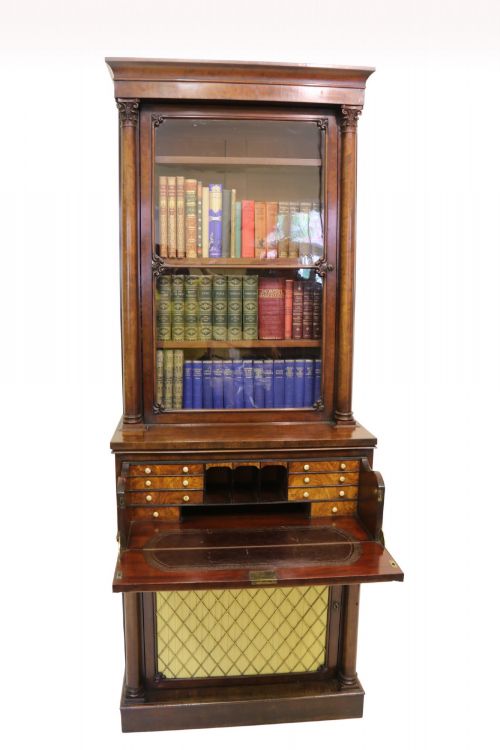


Drop Front Desk Bookcase
A drop front desk bookcase combines a shelved upper display with a fitted writing fall, and these dual-purpose walnut and mahogany pieces bring serious architectural presence to a room.
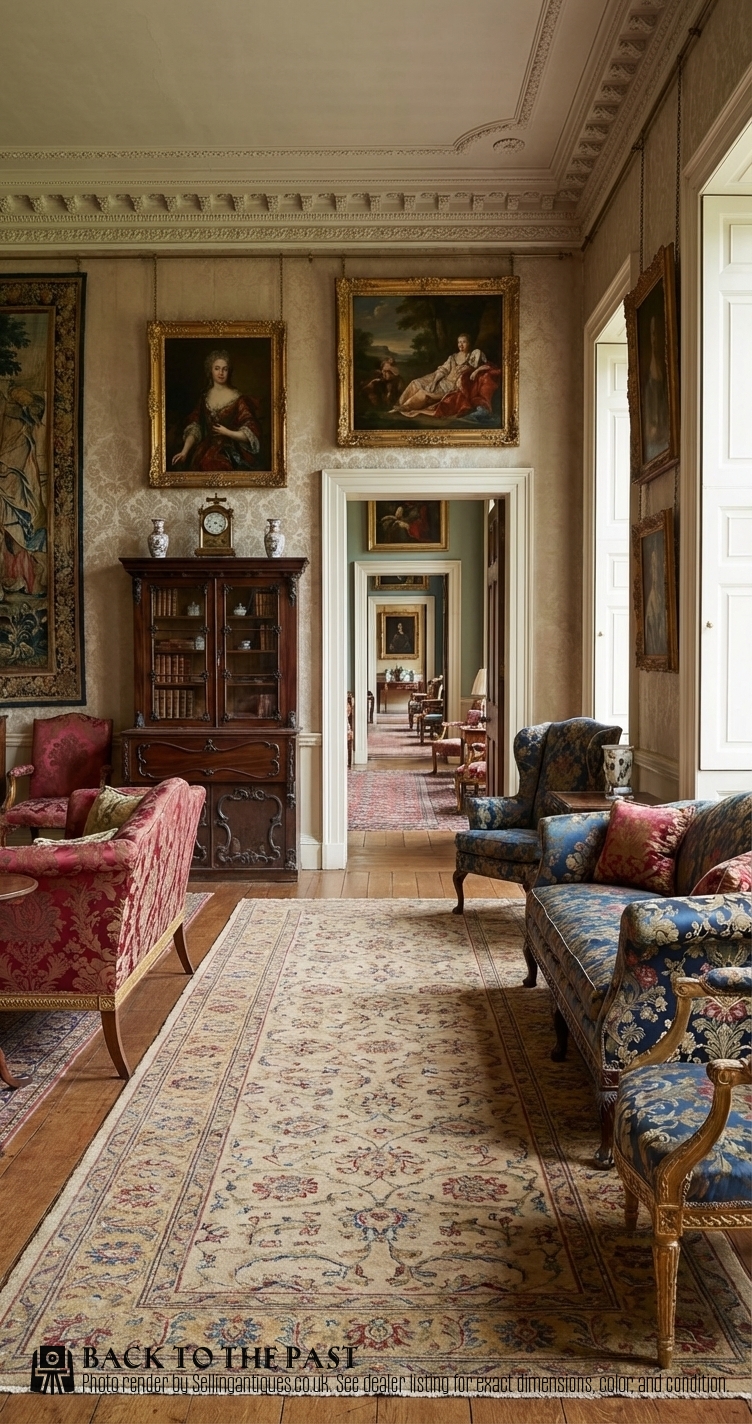
Drop Front Desk Bookcase
A drop front desk bookcase merges a glazed upper cabinet for books with a lower bureau section containing a fold-down writing flap. When searching for a drop front desk bookcase, you encounter forms ranging from early walnut examples to later Edwardian and Art Deco iterations.
The primary forms documented in the listings span Georgian, Regency, and Victorian periods, alongside Edwardian and 1930s interpretations. Mahogany remains the dominant timber, often supplemented by walnut, oak, and satinwood across various centuries.
Materials and construction
Cabinet makers utilised dense hardwoods such as mahogany and walnut, frequently incorporating figured veneers to catch the light on the fall front and drawer panels. Secondary woods like oak or pine appear in the drawer linings and internal shelving structures.
Glazing bars divide the upper bookcase doors into geometric panes of glass, whilst brass handles and escutcheons secure the drawers and fall fronts. Internal pigeonholes and small drawers are constructed with traditional dovetail joints, reflecting period cabinet-making standards.
Some secretaire drawers hide secret compartments behind dummy pigeonholes, designed for stashing family heirlooms.
Assessing quality and proportion
Quality rests heavily on the choice of timber veneer and the crispness of internal drawer construction, where hand-cut dovetails distinguish superior workshops from mass production. The integration of the fall front with the pigeonhole interior shows the maker's hand.
Proportion and scale dictate the visual balance between the upper bookcase and the heavier lower desk compartment. Finer examples display harmonious muntin bars on the glazed doors and unwarped writing surfaces that drop level on robust lopers.
Gillows of Lancaster·George Oakley·F.H. Marshall & Co Glasgow
The Drop Front Desk Bookcase Glossary
- Secretaire
- A desk or cabinet with a pull-out or drop-down writing drawer containing pigeonholes and small drawers. This term frequently appears interchangeably with bureau in period listings.
- Bureau
- A writing desk with a sloping flap that covers a fitted interior. In British usage, this often denotes the lower section of a combination bookcase.
- Glazed
- Fitted with glass panes in the upper doors to display books. These panels are held together by timber glazing bars or muntins.
- Loper
- A pull-out wooden bracket that supports the weight of a drop-down writing flap when opened. They slide out automatically in some mechanical desk designs.
- Escutcheon
- A protective plate surrounding a keyhole, usually fashioned from brass. They prevent the timber from splitting around the lock.
Drop Front Desk Bookcase: Frequently Asked Questions
How do I use the desk?
Pull out the wooden lopers to support the drop front flap before lowering it gently. This reveals the internal writing surface and pigeonholes for correspondence.
Ensure the brass desk stays or hinges take the weight properly before leaning on the writing surface to write letters or place a laptop.
How do I date these pieces?
Examine the timber species, handle styles, and construction methods used in the secondary drawer linings. Walnut dominates early eighteenth-century pieces, while figured mahogany characterises Georgian and Regency examples.
Edwardian and later revival pieces often display lighter internal timbers and machine-cut elements that contrast with eighteenth-century hand craftsmanship.
Will a large bookcase fit?
Measure your ceiling height and floor space carefully, as grand scale nineteenth-century models reach considerable heights. Many examples separate into upper and lower sections for easier transport through doorways.
Allow clearance in front of the piece for the fall front to drop completely horizontal and for a chair to sit comfortably.
How do I care for the timber?
Keep the piece away from direct heat sources and strong sunlight to prevent the mahogany or walnut veneers from drying and splitting. Apply a quality beeswax periodically to nourish the polished wood surface.
Dust the glazed bookcase doors and internal pigeonholes regularly with a soft, dry cloth to prevent moisture build-up.