
Dark Mahogany Desk Cabinet
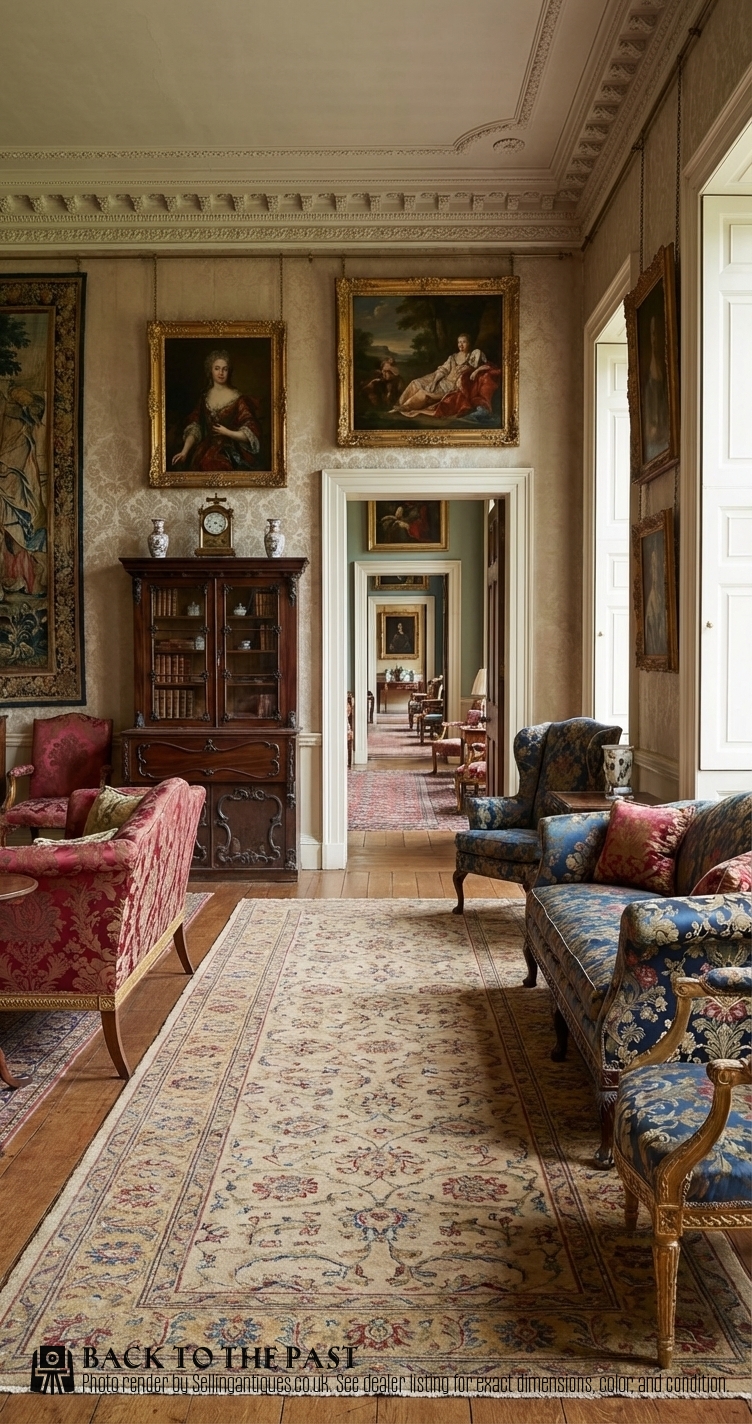
A dark mahogany desk cabinet brings together rich timber and practical writing compartments, offering a classic focal point for a traditional study.
Dark Mahogany Desk Cabinet
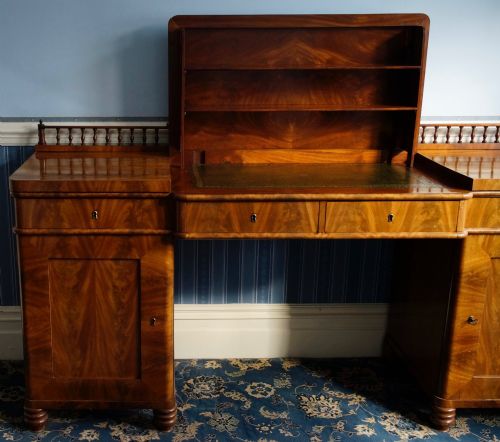
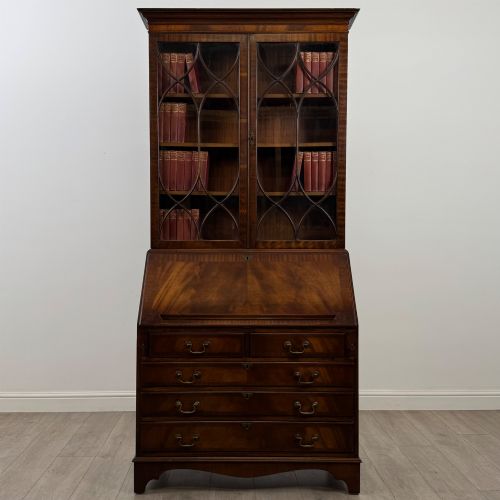
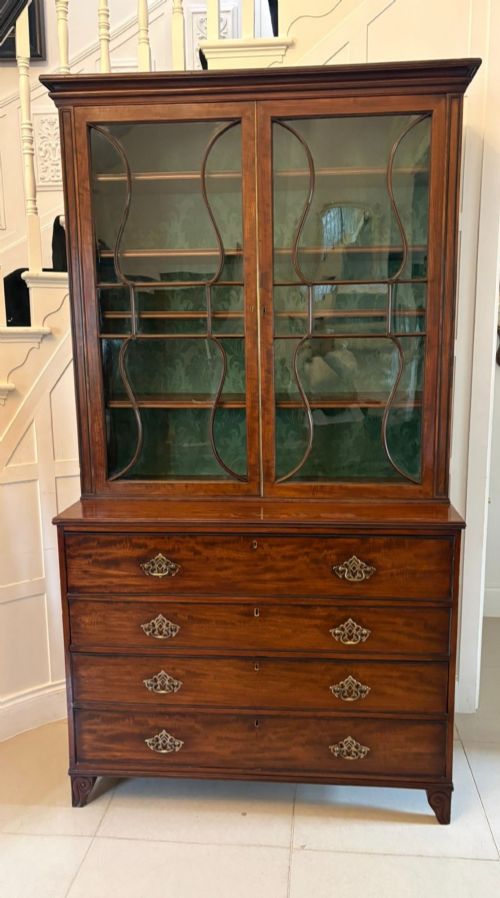
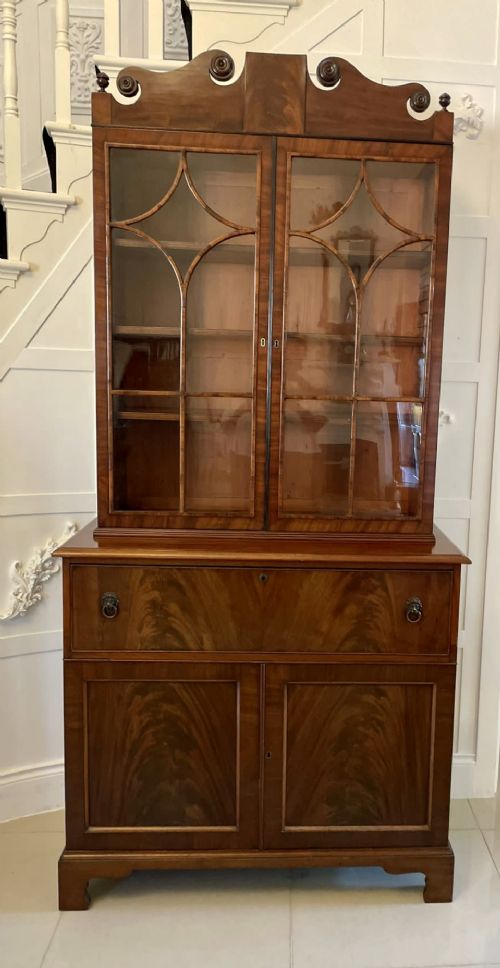
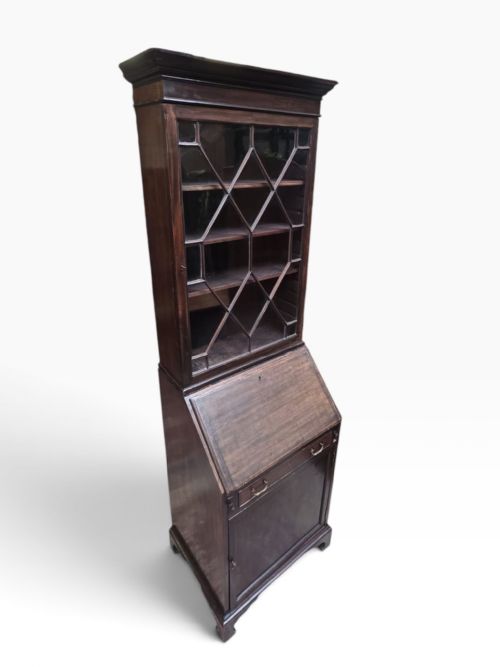
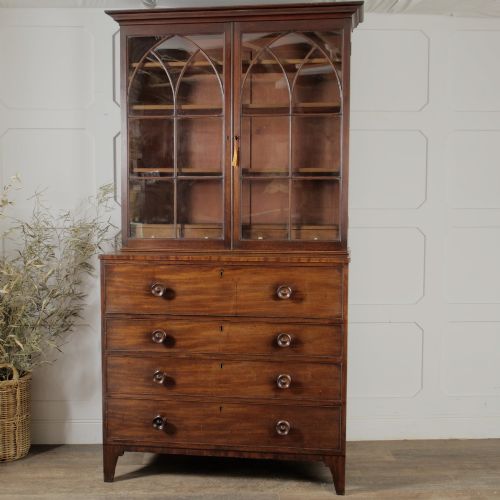
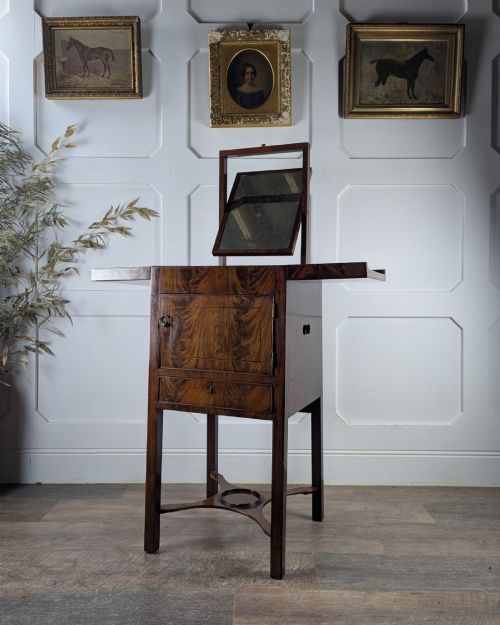
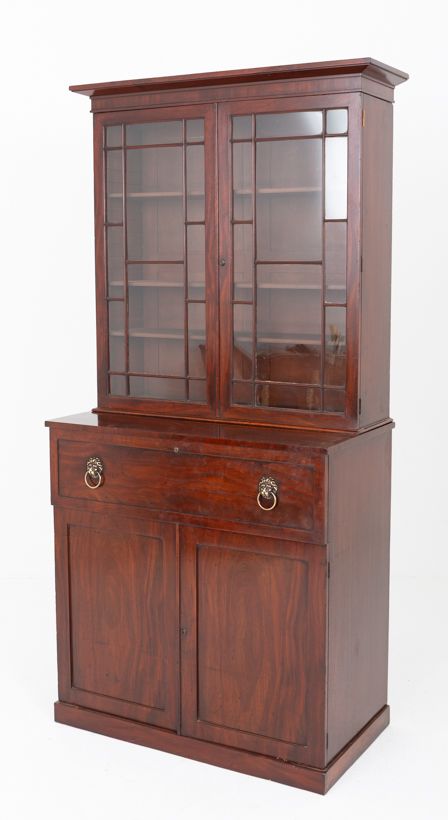
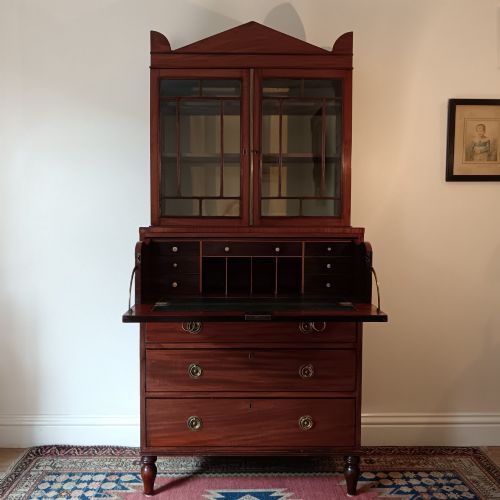
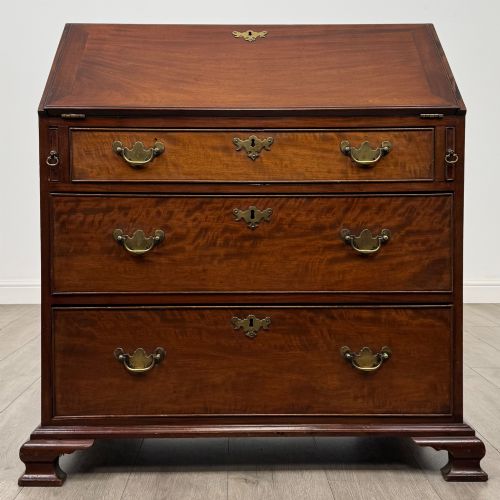
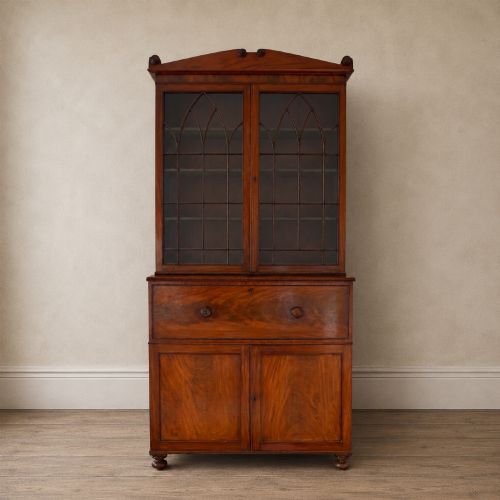
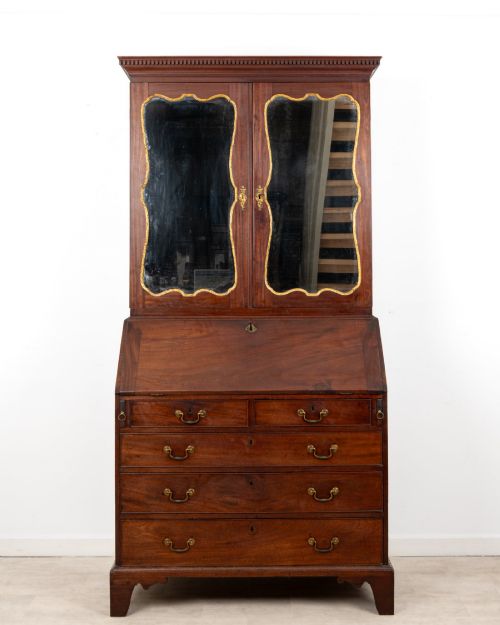
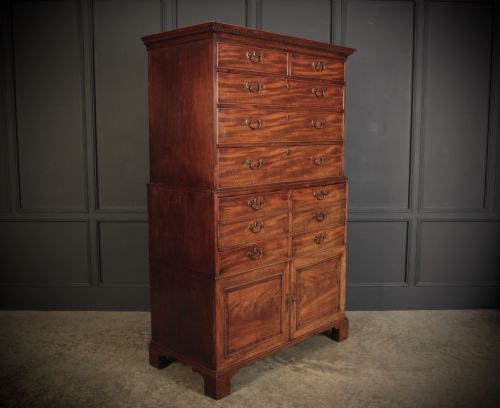
When searching for a dark mahogany desk cabinet, buyers encounter substantial writing furniture primarily spanning the Georgian, Regency, and Victorian periods. These pieces frequently manifest as bureau bookcases, secretaire cabinets, and writing desks designed to conceal functional compartments behind elegant panelled doors or drop-front drawers.
The selections on this page highlight forms originating from the 18th century through the Edwardian era, employing dense tropical hardwoods. Bureau bookcases and secretaire chests dominate the material record, combining upper display shelving with dedicated writing surfaces.
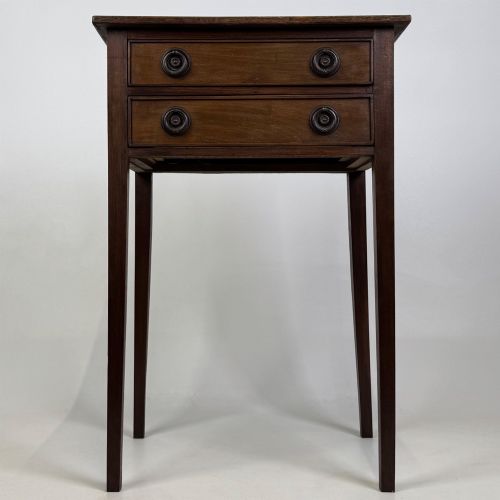
Originating largely from British cabinet makers, these items range from tall library cabinets to compact writing tables. Each variation serves the fundamental purpose of storing correspondence and books while maintaining a formal presence in a room.
Materials and Construction Methods
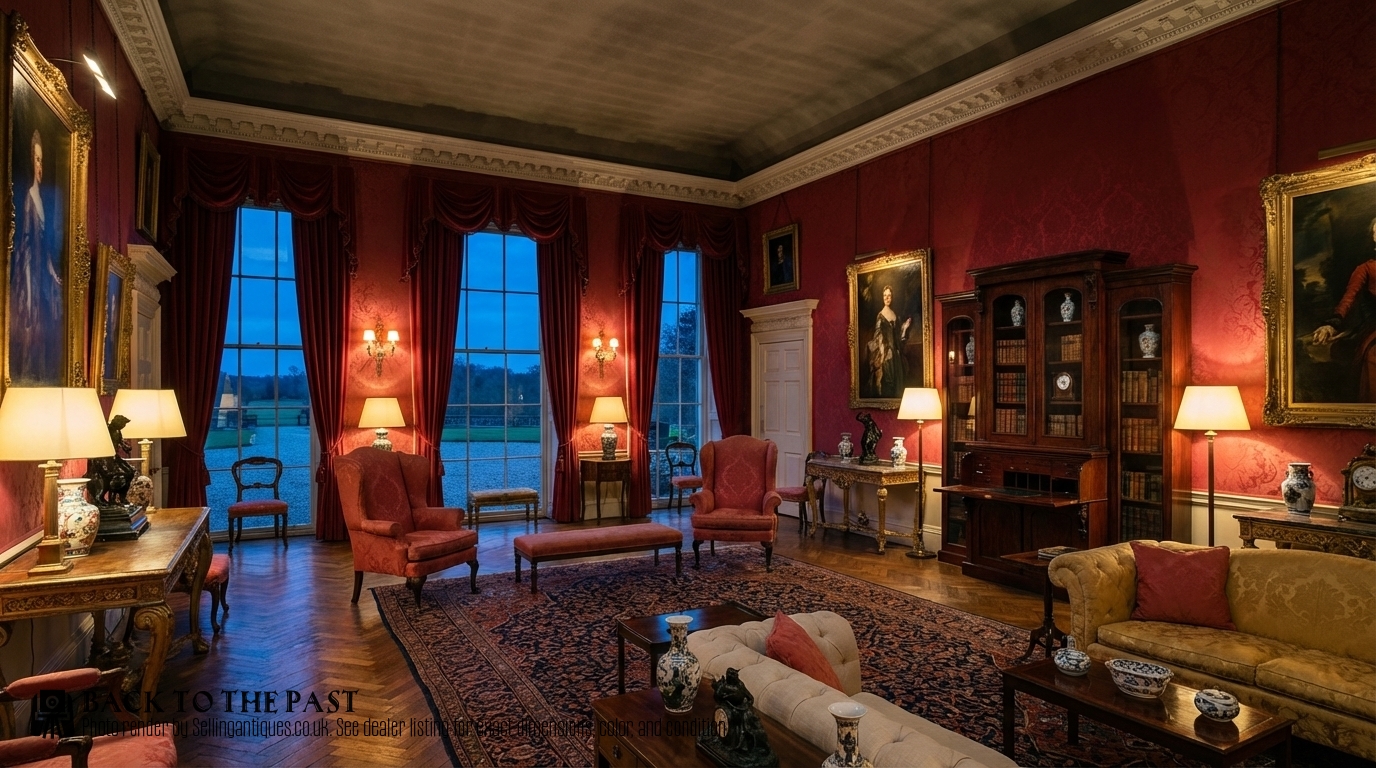
Makers constructed these cabinets using solid mahogany and figured mahogany veneers, often supplemented by secondary timbers such as oak for drawer linings. Workshops utilised brass for handles, escutcheons, and hinges, whilst glass panels appeared in glazed upper bookcase doors.
Advanced joinery techniques allowed craftsmen to integrate folding writing flaps, pigeon holes, and small concealed drawers into fitted interiors. Inlaid details in boxwood and contrasting ebonised wood frequently bordered panels and drawer fronts to accentuate the rich grain of the primary timber.
Miniature apprentice pieces appear among the selections, demonstrating cabinet makers' scaling precision for prospective clients.
Assessing Standard and Craftsmanship
The hierarchy of quality rests on the selection of timber figures, such as highly figured Cuban mahogany, and the crispness of inlaid decorative elements. Superior examples display meticulous attention to internal fittings, including secret compartments and finely dovetailed drawer construction.
Proportion and architectural balance distinguish exceptional workshop output from standard commercial production. Gillows and similar leading makers achieved higher execution standards through refined mouldings and harmonious integration of upper bookcases with lower writing sections.
George Oakley·Gillows·J A Mein Edinburgh Cabinet Maker
The Dark Mahogany Desk Cabinet Glossary
- Secretaire
- A cabinet or desk featuring a pull-out or drop-front drawer that conceals a writing surface and small pigeon holes. This mechanism allows a piece of furniture to serve multiple functions without altering its external appearance as a chest or bookcase.
- Cuban Mahogany
- A dense, dark variety of Swietenia mahagoni prized for its rich grain and deep colour. Cabinet makers favoured this timber for high-status furniture during the 18th and early 19th centuries.
- Astragal Glazed
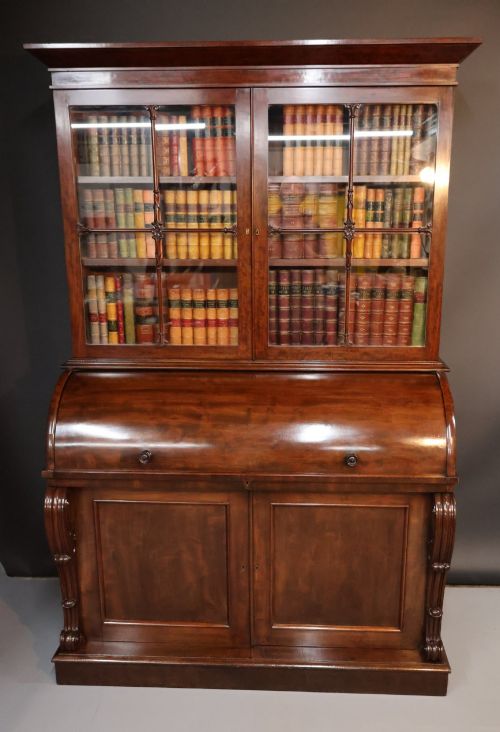
- Descriptive of cabinet doors fitted with narrow wooden strips that divide the glass into smaller panes. This technique is frequently seen on Georgian and Regency library bookcases.
- Davenport
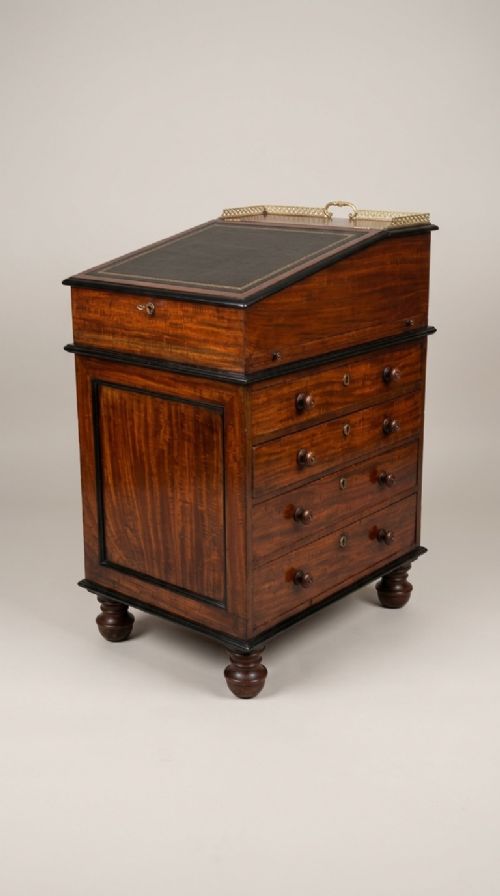
- A compact form of small desk featuring a sloping writing top above a pedestal of drawers. The design became popular during the Regency and Victorian periods for domestic correspondence.
Dark Mahogany Desk Cabinet: Frequently Asked Questions
What is a secretaire bookcase?
A secretaire bookcase combines a shelved upper cabinet with a lower chest containing a dedicated writing drawer. The drop-front mechanism reveals fitted pigeon holes and small drawers for correspondence.
These combination pieces saved space in traditional libraries and studies while keeping writing materials neatly concealed behind panelled or glazed doors.
How do I date an antique mahogany desk?
Dating relies on examining structural characteristics, timber selection, and decorative styles such as Georgian bracket feet or Regency brass mounts. Secondary woods inside drawer construction also provide clues to the period of manufacture.
Cabinet makers altered hardware styles and internal layouts across decades, allowing collectors to sequence pieces from the mid-18th century through the Edwardian era.
Where were these cabinets used?
Owners placed these items in formal libraries, drawing rooms, and private studies to manage correspondence and house personal book collections. They functioned as primary administrative hubs for households before the widespread use of modern office furniture.
The combination of display glass and secure document storage made them versatile furnishings for both public and private rooms.
How do I care for antique mahogany furniture?
Maintenance involves protecting the timber from direct sunlight and maintaining stable room humidity to prevent veneer splitting. Gentle dusting with a dry cloth preserves the polished surface without building up chemical residues.
Harsh cleaning agents should be avoided to protect the original patina developed over centuries of handling and use.