
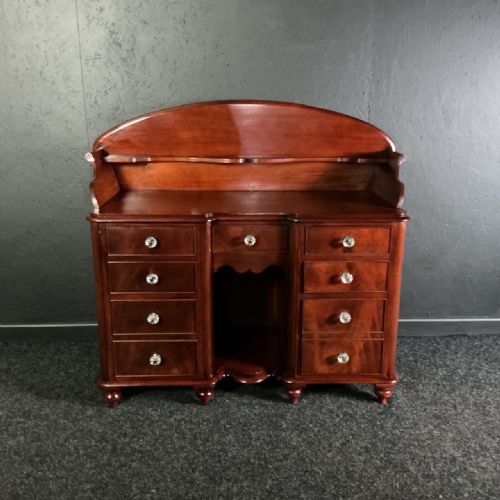


Antique Mahogany Desk Unit
An antique mahogany desk unit represents the finest traditions of cabinet-making, offering both practical workspace and timeless elegance.
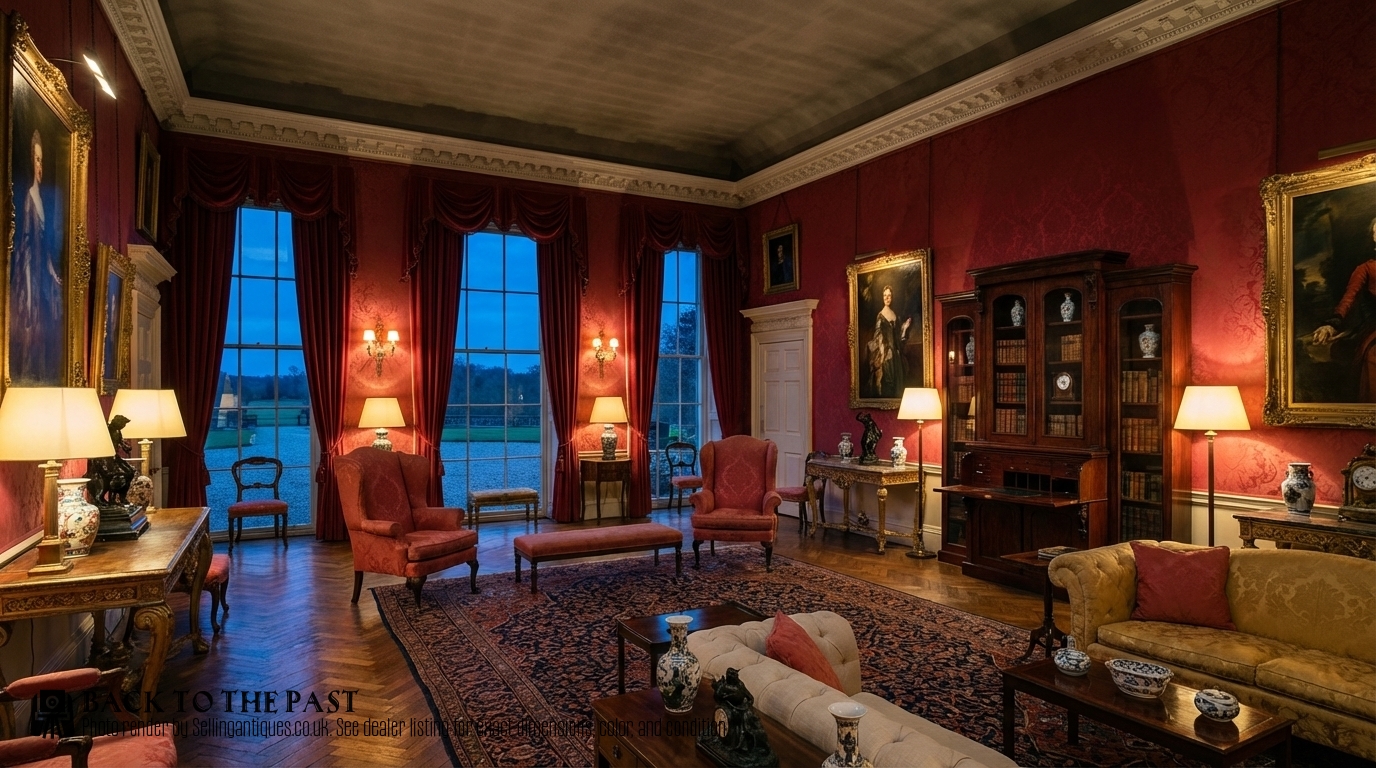
Antique Mahogany Desk Unit
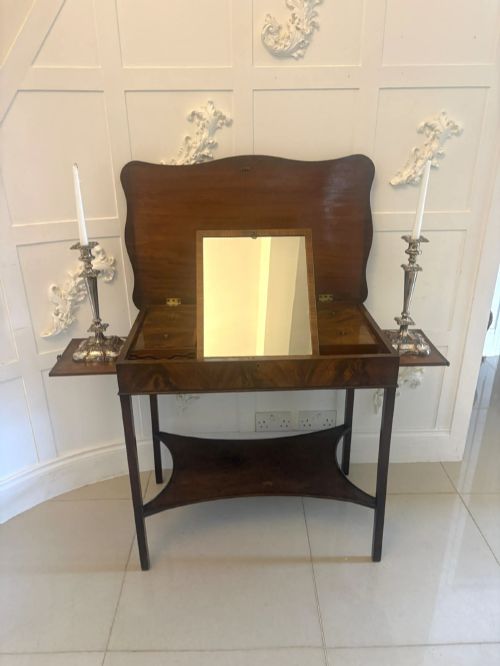
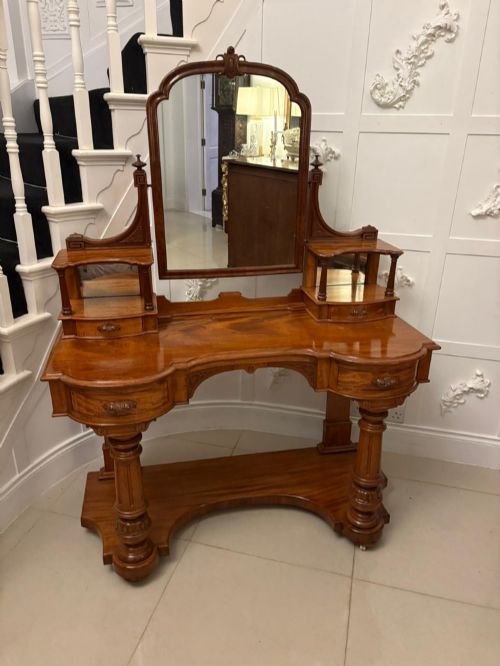
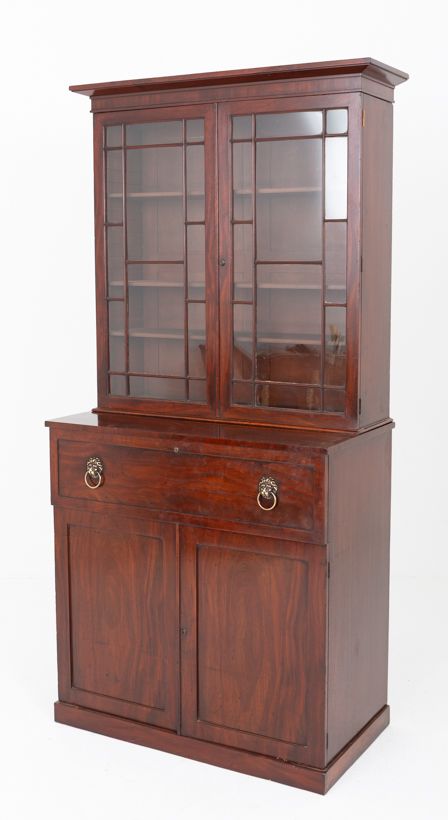
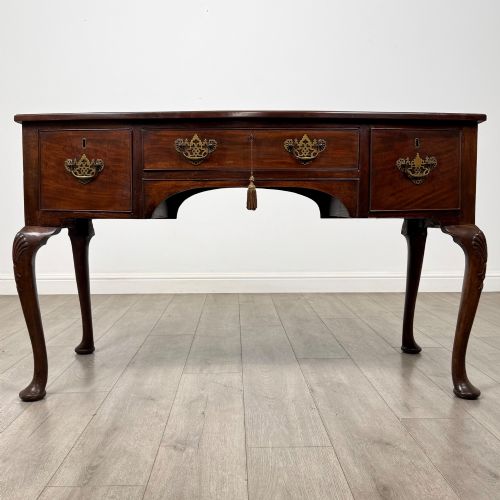
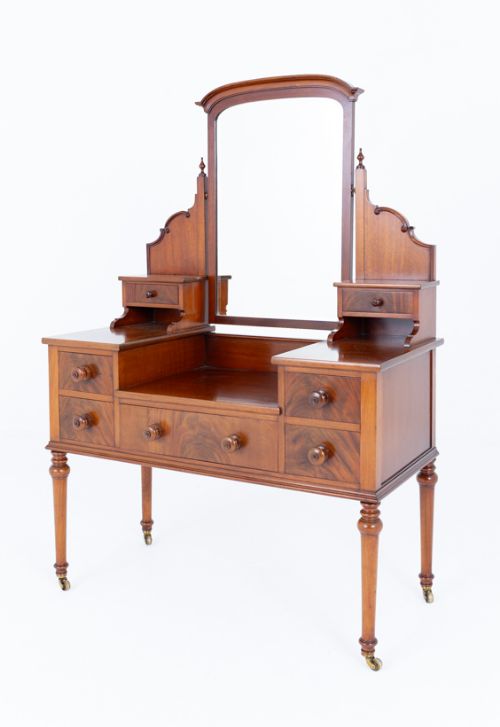
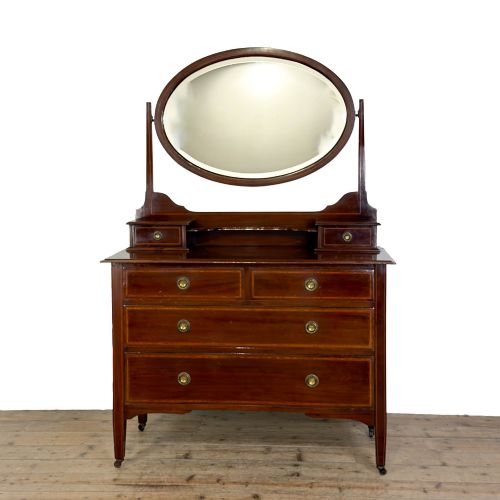
An antique mahogany desk unit brings functional workspace and sophisticated design into any room, drawing on centuries of cabinet-making heritage. When exploring an antique mahogany desk unit, buyers encounter diverse forms ranging from large secretaire bookcases to compact writing tables and dressing furniture.
The pieces available span multiple periods including the Georgian, Victorian, and Edwardian eras, with Victorian examples appearing most frequently. These items often incorporate associated storage solutions, such as pedestal drawers and fitted compartments, designed for daily utility.
How They Were Made
Craftsmen built these pieces primarily using solid mahogany and figured mahogany veneers, often enhanced by contrasting satinwood inlay or crossbanding. Structural integrity relied on traditional joinery methods, while decorative appeal was elevated through carved details and polished wood surfaces.
Mounts in brass or ormolu frequently accent French and period English examples, providing structural reinforcement and visual contrast to the dark timber. Glass panels, marble tops, and detailed marquetry further demonstrate the range of specialised skills employed during construction.
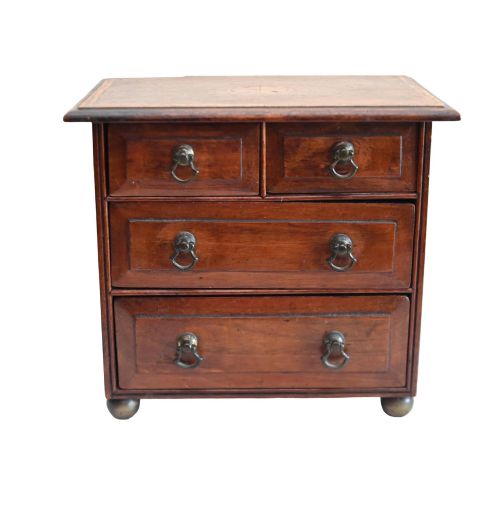
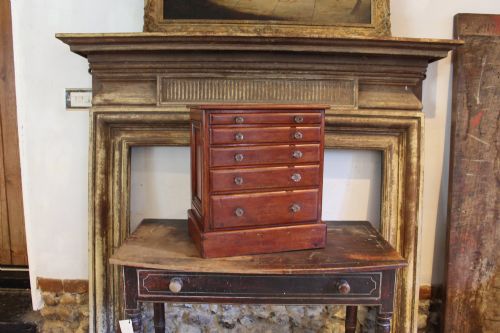
Miniature apprentice pieces offer all the charm of a full-sized desk unit in miniature, scaled down for display rather than paperwork.
What Varies in Quality
The grade of timber and the choice of veneer figure set the baseline for a piece's visual impact, with deeply figured grains commanding greater appreciation. Superior examples display meticulous attention to secondary timbers and drawer linings, reflecting uncompromising standards in hidden construction.
Subtlety of carved ornamentation and the precision of inlaid stringing distinguish workshop execution, moving beyond standard production pieces. Original hardware, well-preserved mounts, and intact glass or mirror components contribute significantly to the integrity of the whole object.
Edwards & Roberts
The Antique Mahogany Desk Unit Glossary
- Secretaire bookcase
- A tall cabinet combining a bookcase top with a pull-down writing drawer that conceals smaller compartments. This dual-purpose form became popular in wealthier homes during the Georgian and Victorian periods.
- Crossbanding
- A decorative border of veneer laid with the grain running perpendicular to the surrounding wood. It frames the central panel and highlights the edge of a writing surface or drawer front.
- Ormolu
- Gilded bronze used for decorative mounts, handles, and feet on finer furniture. It adds metallic contrast to mahogany and featured prominently in French Empire styling.
- Satinwood inlay
- Contrasting light-coloured wood inserted into recesses cut into the mahogany base. This technique creates delicate geometric patterns or floral motifs.
- Marquetry
- Elaborate decorative veneers arranged in pictorial or abstract patterns across a surface. Artisans used various tinted woods to achieve tonal depth.
Antique Mahogany Desk Unit: Frequently Asked Questions
Where were these pieces used?
These items typically occupied private studies, libraries, and principal bedrooms of period residences, serving specific domestic or administrative functions.
Larger secretaire models suited estate management, while dressing tables and writing desks belonged to personal dressing rooms and parlours.
How do I care for mahogany?
Maintain the finish by keeping pieces away from direct heat sources and strong sunlight, which can dry out the timber and fade the rich colour.
Apply traditional beeswax periodically to nourish the wood and preserve the surface sheen without building up synthetic residues.
How do I date an antique desk?
Examine the construction methods, secondary timbers inside drawers, and overall stylistic motifs to determine the likely period of manufacture.
Cabinet-making conventions changed visibly between the Georgian era and the later Victorian and Edwardian periods.
Can I use these for daily writing?
Most examples function well for contemporary writing and laptop use, provided the writing surface height suits modern seating.
Care should be taken with antique leather or wood surfaces to prevent accidental staining or scratching during everyday tasks.