




Decorative Wall Charger Plate
A decorative wall charger plate brings scale and narrative colour to an empty expanse of plaster.
Decorative Wall Charger Plate
A decorative wall charger plate sits at the intersection of tableware and wall display, offering a wide surface that commands attention through sheer diameter and pictorial ambition. When you search for this phrase, you encounter grand platters intended from conception or later adaptation for vertical exhibition rather than dining use.
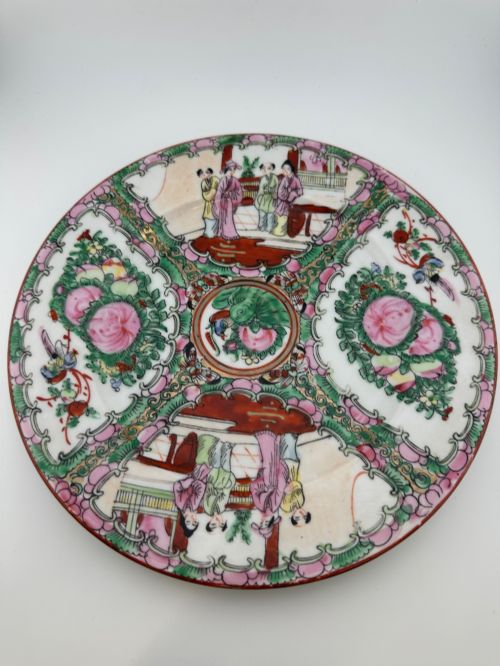
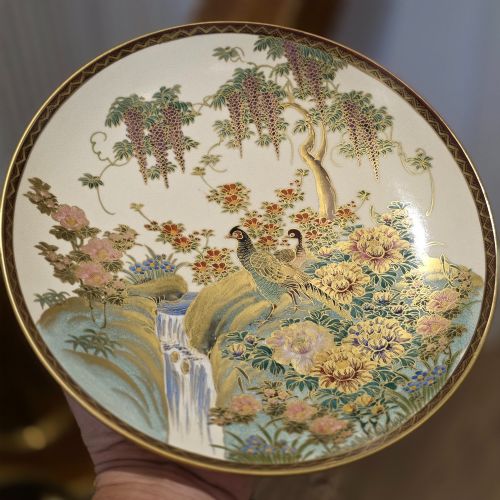
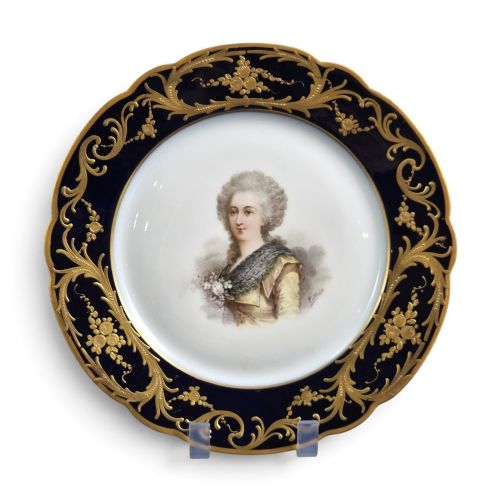
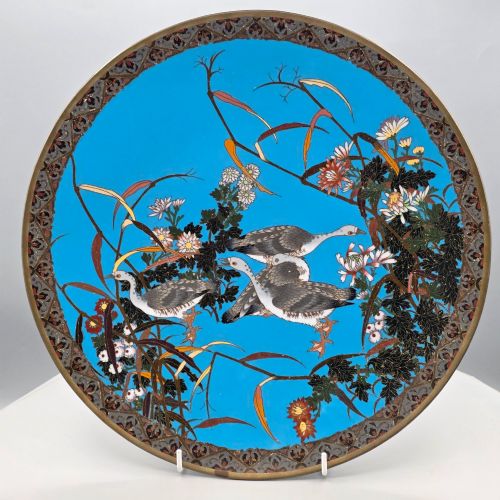
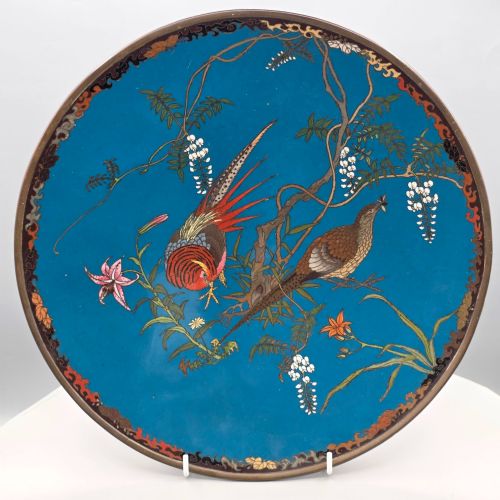
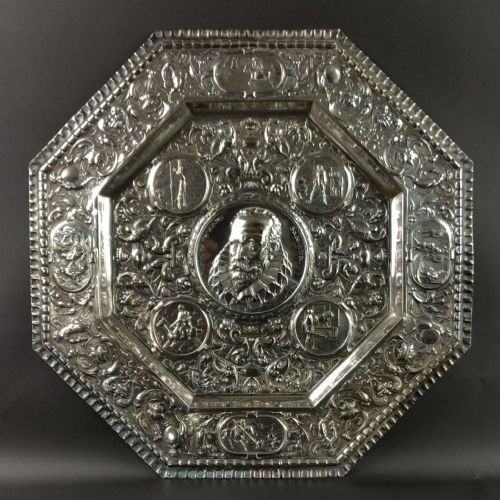
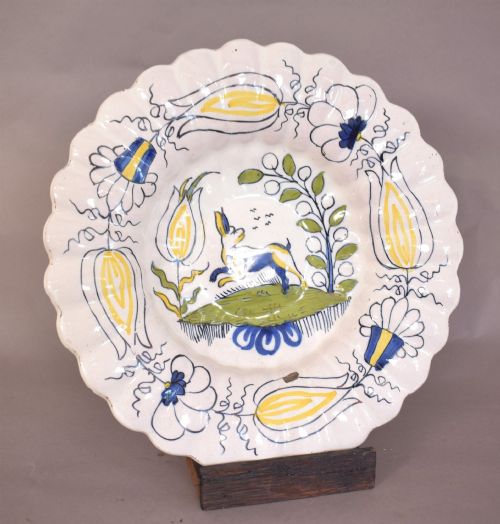
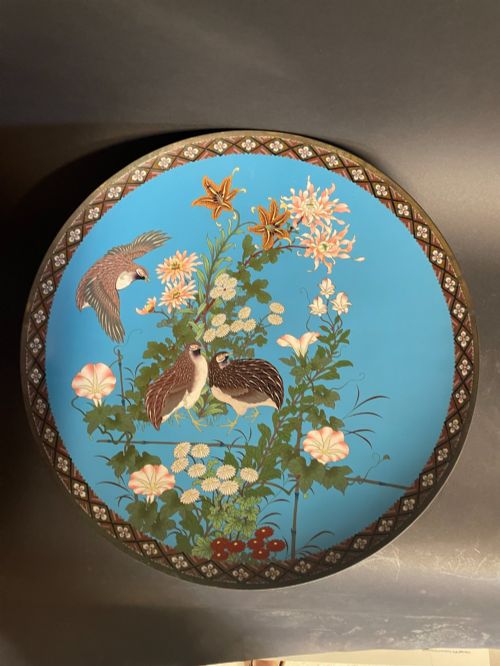
The versions most common on this page span the 18th, 19th and early 20th centuries, drawing heavily upon Japanese Imari porcelain, Dutch and French Delft earthenwares, and detailed metal repoussé work. These pieces range from robust blue and white Delftware depicting Chinoiserie scenes to intricate Meiji period cloisonné enamels and painted Paris porcelain.
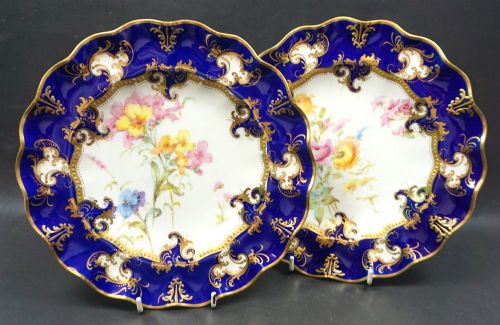
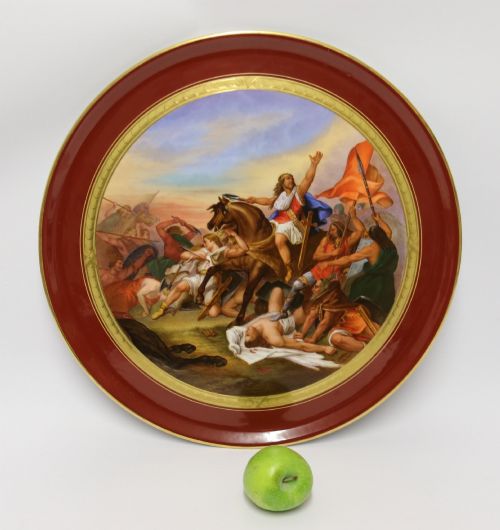
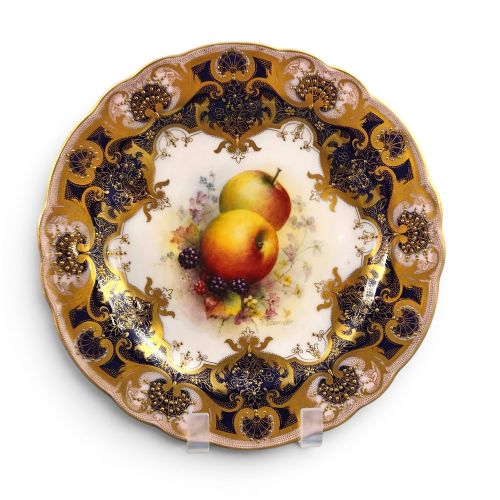
Makers and factories across Europe and Asia utilised these large circular canvases to display portraiture, historical battles, and complex botanical motifs. Whether rendered in ironstone, copper, or maiolica, each object serves as a focal point designed to be hung at eye level.
Materials and methods of construction
Pottery examples rely upon ceramic, earthenware, and porcelain bodies finished with tin glazes or hand-painted cobalt, enamel, and gold leaf pigments before firing. Metal equivalents utilise hammered copper, brass, and patinated iron, often enriched with silver and gold inlay or deep repoussé relief.
Cloisonné pieces require meticulous placement of thin metal wires on a copper base to form cells, which are subsequently filled with coloured enamel pastes and fired multiple times. Ceramic plaques and chargers frequently combine thrown or moulded clay with finely detailed hand painting executed by specialist artists.
Listings span earthenware, porcelain, copper, and brass, running from the 17th century through the 1940s.
Distinctions in execution and design
Superior examples separate themselves through the ambition and precision of the hand-painted or repoussé narrative, where brushwork or metal relief shows a steady, confident hand rather than mechanical repetition. Compositional balance across a wide diameter dictates whether a piece holds the eye from a distance or feels crowded and confused.
The depth of the glaze, the richness of the gilding, and the complexity of secondary motifs such as borders and reverse patterns indicate the standing of the workshop. Pieces bearing identifiable artistic attribution or originating from major manufacturing centres display a sharper definition in detail.
Koshida·John Davenport of Longport·William Yale
The Decorative Wall Charger Plate Glossary
- Charger
- A large ornamental plate traditionally larger than a dinner plate, utilised here primarily for vertical display on walls rather than service at a table. It provides an expansive canvas for elaborate painting or metalwork.
- Cloisonne
- A decorative metalwork technique where thin wires are soldered to a base to create compartments filled with enamel paste. The surface is then ground smooth and polished to reveal the intricate pattern.
- Repousse
- A metalworking method in which a sheet of copper, brass, or iron is hammered from the reverse side to form a raised design in relief. Details are subsequently refined from the front using punches and chisels.
- Maiolica
- Tin-glazed Italian earthenware painted with colourful pigments on an opaque white background, often featuring historical or mythological scenes. The technique spread across Europe, influencing local faience and delftware production.
- Imari
- A style of Japanese porcelain characterised by underglaze blue and overglaze iron red, gold, and green pigments. European factories frequently copied these vibrant palettes on their own porcelain and ironstone.
Decorative Wall Charger Plate: Frequently Asked Questions
How do I hang a heavy charger safely?
Heavy ceramic, brass, or copper plates require robust, adjustable spring-loaded brass hangers that distribute the weight evenly around the rim without slipping. Ensure the wall fixing engages directly with a stud or utilises a proper masonry plug.
Avoid cheap plastic grips or adhesive disks, which fail under the substantial weight of large 19th-century metal or porcelain chargers over time.
Were these plates ever used for dining?
Most large chargers and decorative plaques were made expressly for display on sideboards, cabinets, or walls, particularly during the Victorian and Meiji periods. Their generous scale and delicate surface decoration made them impractical for everyday dining.
Some earlier Delft and earthenware examples originated as serving vessels, but their survival in good condition usually points to a long history of domestic display.
How can I tell Japanese Imari from European copies?
Japanese Imari porcelain from the Meiji period typically exhibits a slightly greyish or granular paste beneath a clear glaze, combined with dense, hand-applied iron red and gilt ornamentation. European ironstone and porcelain imitations often show a brighter, whiter ceramic body with more uniform, mechanically printed transfer lines beneath the hand colour.
Examining the foot ring and any kiln marks on the reverse often reveals the distinct manufacturing practices of European potteries versus Japanese kilns.
What is the difference between Delft and faience?
Delft specifically refers to tin-glazed earthenware produced in the Dutch town of Delft, known for its distinctive blue and white Chinoiserie or maritime motifs. Faience is the broader continental European term for tin-glazed earthenware made in France, Spain, and Germany, which frequently embraces polychrome palettes.
Both share a porous buff or pinkish ceramic body covered in an opaque white tin glaze that accepts painted decoration before firing.