

Decorative Porcelain Pair
A decorative porcelain pair brings symmetry and balanced display to a mantelpiece, table, or cabinet, uniting form and ornament.
Decorative Porcelain Pair
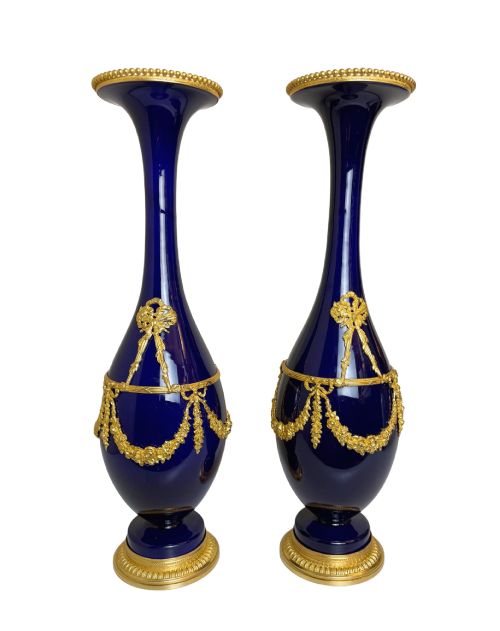
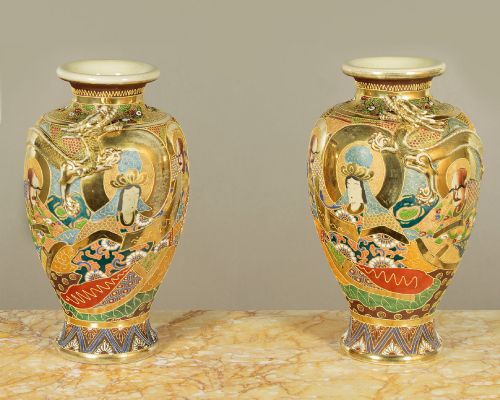
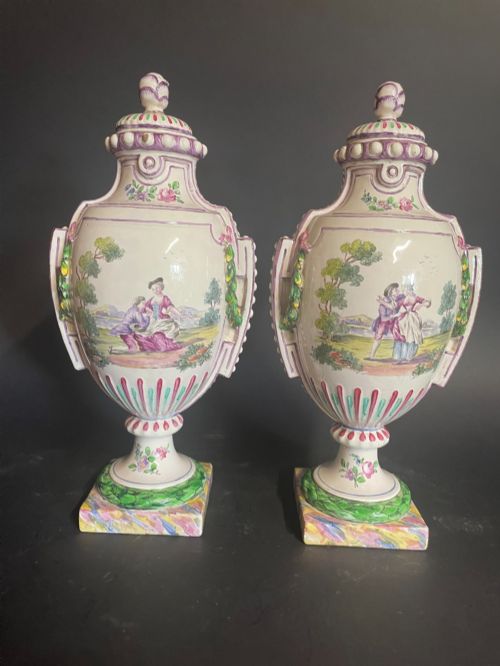
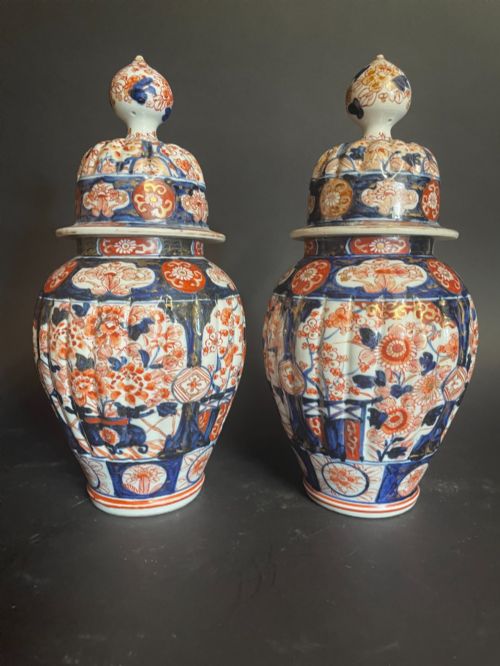
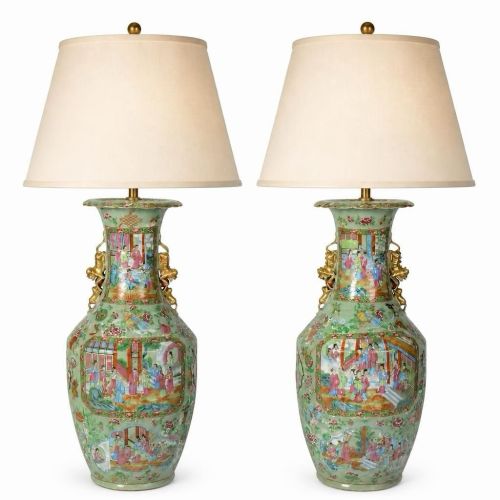
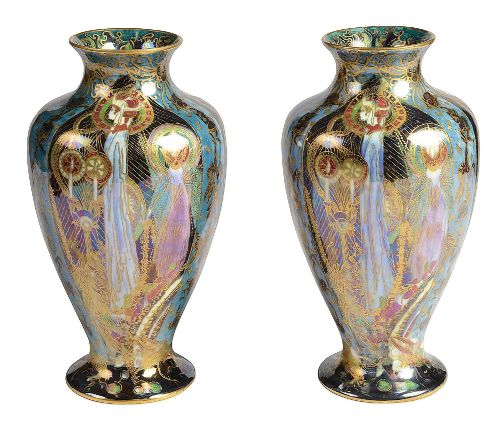
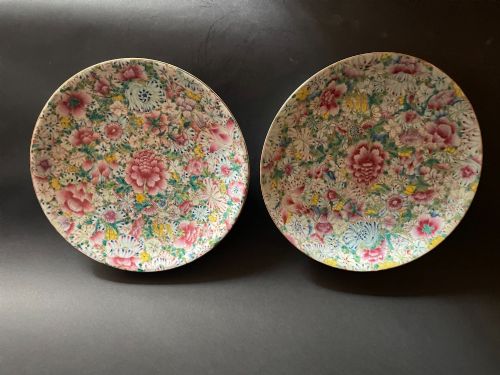
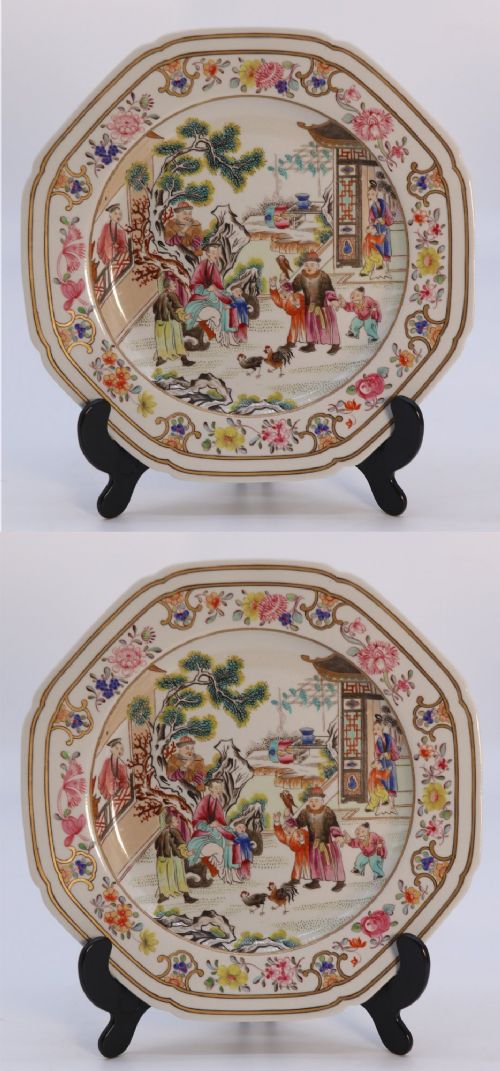
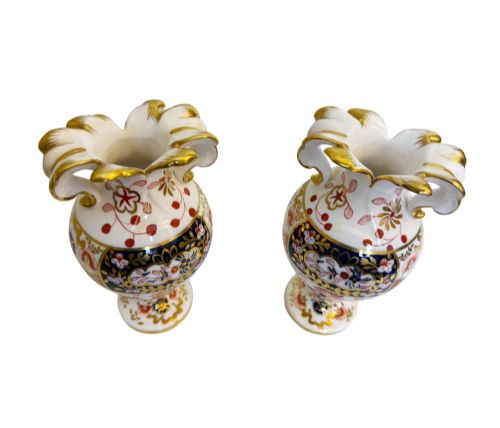
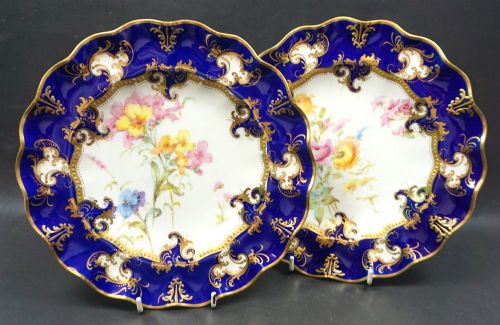
A decorative porcelain pair consists of matching items designed to sit together, most commonly found as vases, plates, or figures. These matched objects originate across the nineteenth and twentieth centuries, reflecting diverse European and Asian ceramic traditions.
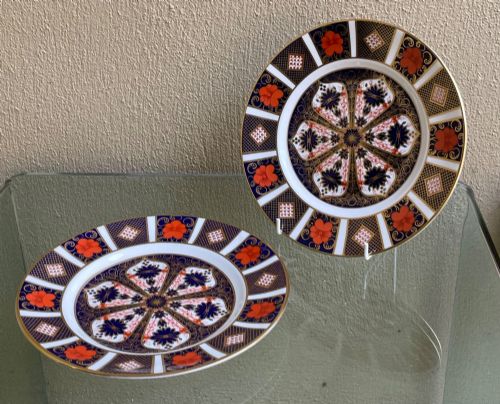
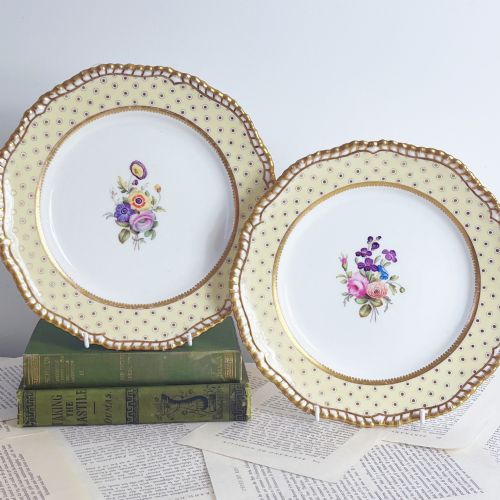
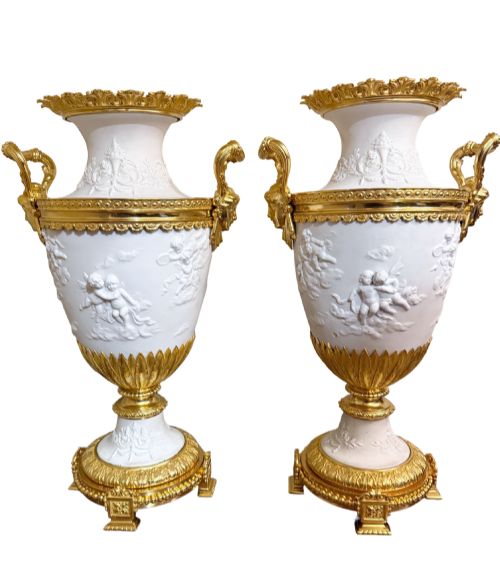
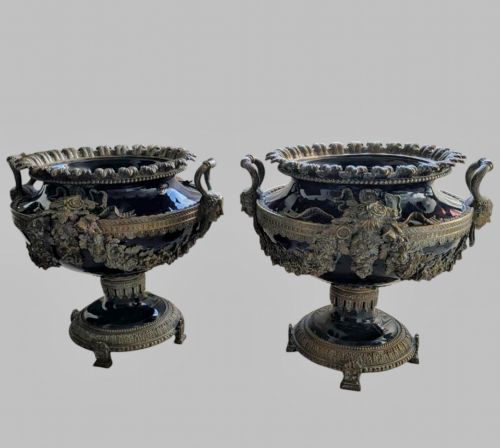
Vases, chargers, and figures dominate the selections on this page, often incorporating gilt bronze mounts or hand-painted enamel details. Pieces range from Japanese Imari chargers and Satsuma vessels to English cabinet plates and French urns.
Buyers encounter items from Victorian, Edwardian, and later twentieth-century periods, showing influences from Rococo Revival, French Neoclassical, and Meiji styles. Each matched pairing demonstrates the historical demand for symmetrical interior decoration.
Assessing quality
Quality rests in the precision of the hand-painting, the crispness of the moulded detail, and the harmony of the matched pair. Superior examples maintain exact symmetry in size and colour saturation between both items.
The integration of metal mounts, where present, distinguishes finer workshops from standard production. Artisans who executed intricate enamel work and cleanly applied gilding achieved lasting visual depth.
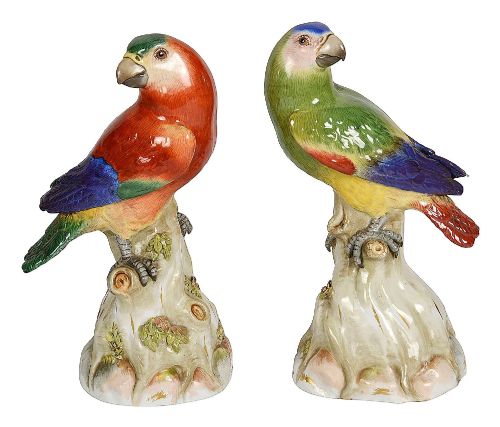
Several pairs feature whimsical animals, including ceramic dogs, parrots, and elephants acting as candlesticks.
Royal Crown Derby·Spode·Sevres·Meissen·Royal Worcester·Wedgwood
The Decorative Porcelain Pair Glossary
- Imari
- A style of Japanese porcelain decorated in underglaze blue and iron red, with supplementary gold. This aesthetic heavily influenced European factories during the nineteenth century.
- Bocage
- An ornamental background of carved or modelled foliage surrounding ceramic figures. It is frequently seen on eighteenth and nineteenth-century candelabras and figural groups.
- Cassolette
- A decorative vessel shaped like a vase or urn, often featuring a reversible lid that acts as a burner or solid cover. These pieces frequently incorporate gilt bronze mounts.
- Campana
- A bell-shaped classical urn form popular on nineteenth-century vases and mantel ornaments. The profile flares outward toward the rim from a narrow pedestal base.
- Moon flask
- A flattened circular ceramic vessel with a short neck and two handles, often decorated with pictorial enamel scenes. This traditional form appears in various Asian ceramic traditions.
Decorative Porcelain Pair: Frequently Asked Questions
What are decorative porcelain pairs?
These items are matched sets of ceramic objects, including vases, plates, and figures, created for symmetrical display.
They span multiple centuries and incorporate styles ranging from Japanese Imari to European Neoclassical.
How were they used historically?
Matched vessels and figures served as mantelpiece ornaments, table centrepieces, and cabinet displays in period homes.
Larger pairs often functioned as floor vases or jardinières for indoor plants.
How do I live with them?
Position matched pairs on stable surfaces where their symmetry can be viewed together, such as sideboards or mantels.
Keep them away from direct sunlight to preserve the enamel colours and gilding.
How to tell periods apart?
Examine the base marks, glaze characteristics, and stylistic traits associated with specific manufacturing eras.
Victorian and Edwardian pieces often reflect revival styles, while twentieth-century examples show simplified forms.