


Brown Glaze Ceramic Statues
Brown glaze ceramic statues bring tactile warmth to a room, ranging from Staffordshire pugs to Chinese Shiwan pottery lions.
Brown Glaze Ceramic Statues
When you search for brown glaze ceramic statues, you encounter a diverse array of figural sculptures spanning multiple centuries and continents. The selection includes decorative figurines, animal studies, and sculptural groups produced in earthenware, porcelain, and stoneware.
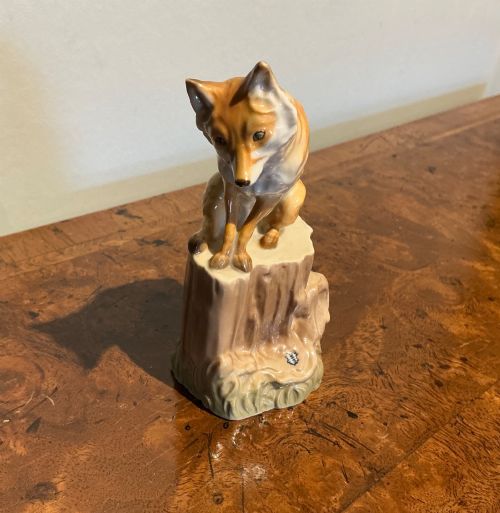
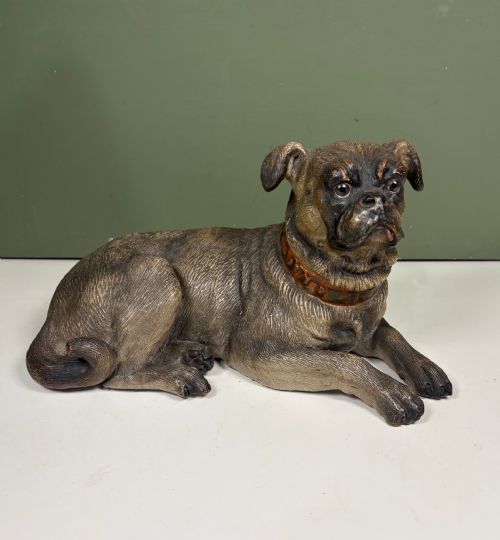
Staffordshire pugs, greyhounds, and lions from the Victorian era appear frequently alongside Chinese Shiwan pottery figures and Tang Dynasty style sancai glazed musicians. European factories such as Royal Worcester, Nymphenburg, and Wedgwood also contribute notable figural works to this category.
Most pieces serve a purely decorative purpose, designed to sit upon mantels, tables, and cabinets. They capture human, animal, and mythological subjects through modelled clay and fired glazes.
Materials and production methods
Makers shaped these sculptures using plastic clays such as earthenware, terracotta, and porcelain, often forming them by hand or pressing them into moulds. Potters then applied liquid mineral slips and rich metallic glazes before firing the pieces in kilns at high temperatures.
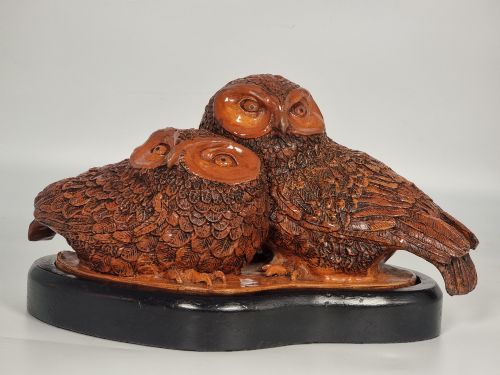
Finishes range from glossy lead and salt glazes to the mottled multi-coloured sancai effects seen on Asian ceramics. Ebonised timber bases sometimes support earthenware pairs, complementing the dark tones of the fired clay.
Listings feature glazed earthenware, porcelain, and terracotta spanning the eighteenth to twentieth centuries.
Factors determining quality
The depth and consistency of the glaze application significantly influence visual appeal. Controlled firing results in even surfaces and rich coloration without distracting bubbles or dry patches.
Nymphenburg·Ralph Wood·Rosenthal·Wedgwood and Co·Royal Worcester·Royal Dux·Lancaster and Sons
The Brown Glaze Ceramic Statues Glossary
- Earthenware
- Porous pottery fired at lower temperatures, commonly used for Staffordshire figures and glazed animal models.
- Shiwan ware
- Chinese pottery produced in Guangdong province, known for expressive figures and thick, heavily textured glazes.
- Sancai
- A traditional Chinese three-colour glaze technique typically combining amber, green, and cream or brown tones.
- Staffordshire figure
- Pottery figures made in the English Midlands, spanning pugs, lions, and human groups from the nineteenth century.
- Pearlware
- A refined earthenware developed by Josiah Wedgwood featuring a thin glaze with a faint bluish tint.
Brown Glaze Ceramic Statues: Frequently Asked Questions
How do I date an old pottery figure?
Dating relies on stylistic clues, paste composition, and any impressed factory marks found on the underside. Comparative study of known manufacturer outputs helps narrow down the decade of production.
glaze characteristics and wear patterns also offer physical evidence of age, separating nineteenth-century originals from later reproductions.
What are Shiwan ceramic figures?
Shiwan figures originate from kilns in southern China, celebrated for realistic modelling and dramatic expressive poses. They frequently depict Buddhist lions, mythical beings, and local figures.
These pieces typically feature thick, streaky brown and green glazes that pool richly around the crevices of the clay.
How were Victorian animal figures displayed?
Victorian dog and lion figures often stood symmetrically on mantelpieces or flanking interior hearths as decorative pairs. Collectors frequently placed them on side tables or within glazed display cabinets.
Some heavy pottery models rested on custom wooden plinths or ebonised bases to protect furniture surfaces.
What is sancai glaze?
Sancai is a low-firing ceramic glaze technique using lead-silicate bases coloured with metallic oxides. The term translates to three colours, typically encompassing amber-brown, green, and cream.
Potters allowed these fluid glazes to run and mix naturally during the kiln firing, creating distinctive mottled patterns on Tang Dynasty style figures.