




Decorative Porcelain Display Plate
These decorative porcelain display plate examples bring hand-painted artistry and rich ceramic history directly into any room.
Decorative Porcelain Display Plate
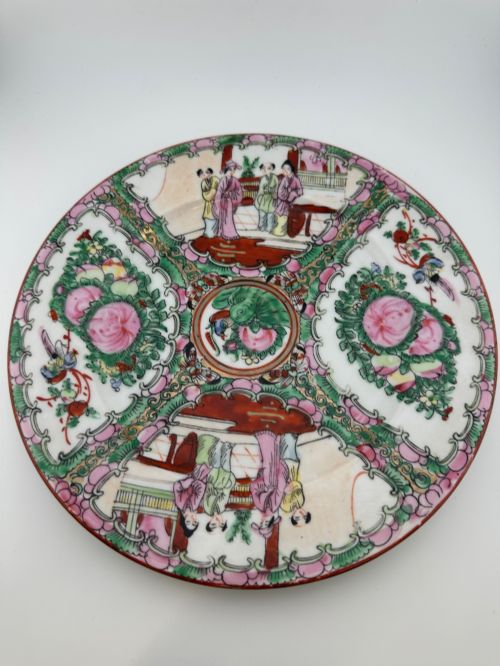
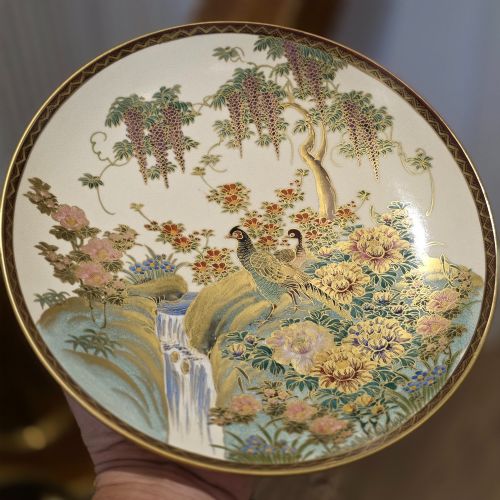
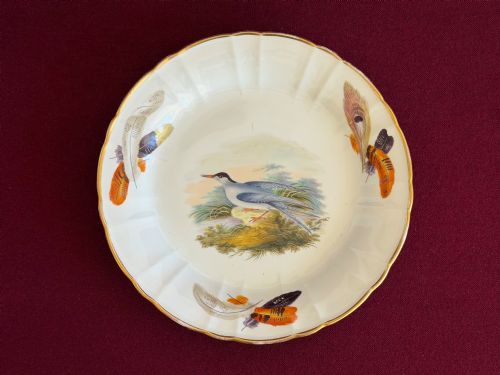
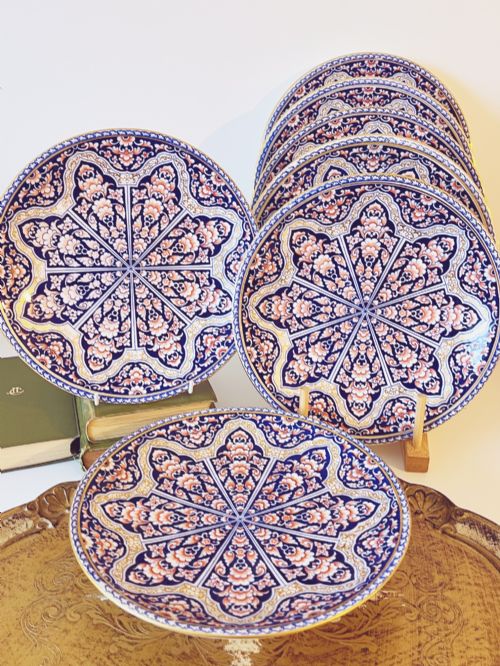
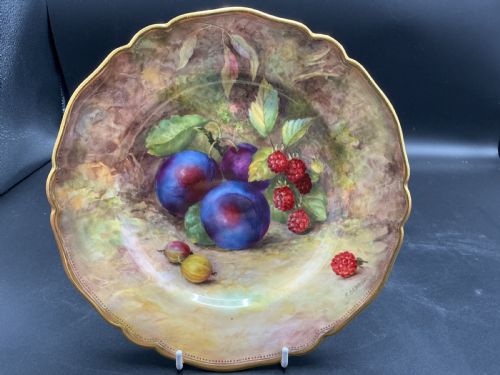
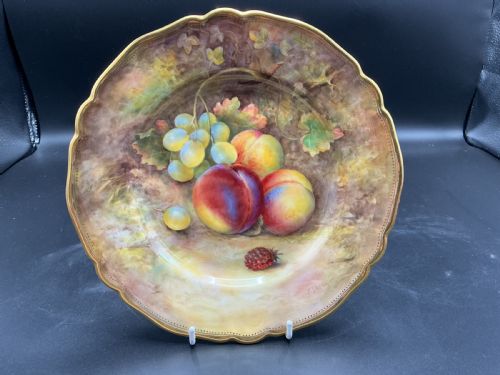
A decorative porcelain display plate serves primarily for visual presentation rather than daily dining. You will frequently encounter nineteenth-century English factory pieces, Japanese Imari chargers, and botanical or fruit cabinet plates.
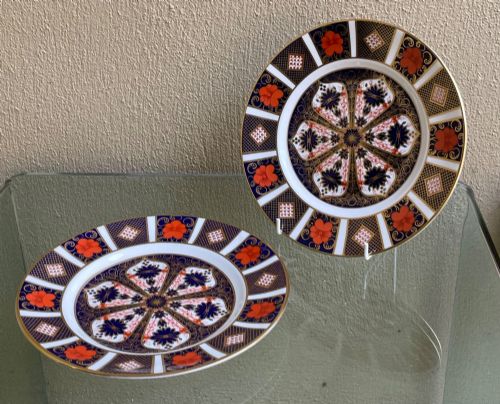
The selection ranges from large scalloped Imari dishes originating in the Meiji period to hand-painted English bone china service items. These objects were made to be showcased on walls, cabinets, or dedicated stands.
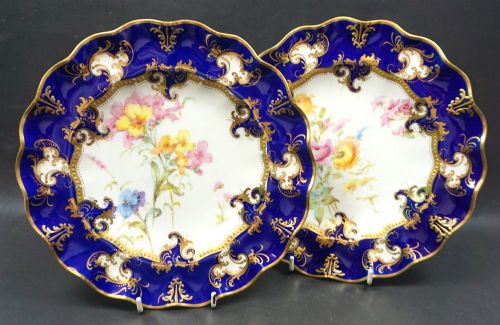
Makers utilised porcelain, bone china, and ceramic bodies as canvases for elaborate painted scenes, armorial crests, and gilt ornamentation. Such items reflect changing domestic interiors across the Victorian, Edwardian, and Art Deco eras.
Materials and production methods
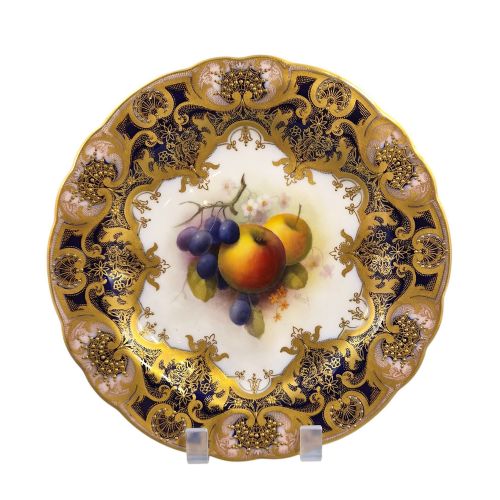
Potters shaped fine porcelain, bone china, and stone china bodies before applying initial underglaze pigments and fired glazes. Artisans then added overglaze enamels, gold leaf, and intricate gilding in subsequent firing stages.
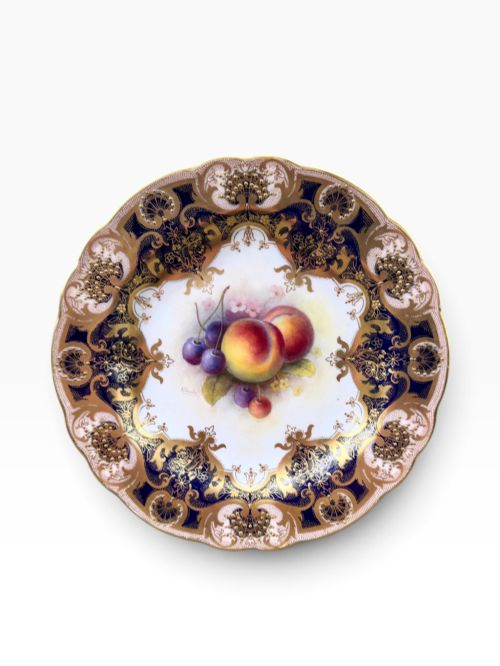
Painting techniques combined delicate brushwork for naturalistic fruit, birds, and portraits with transfer-printed blue and white outlines. Japanese pieces often integrated rich iron-red and cobalt blue pigments within structured floral frameworks.
The listings span the eighteenth century through the 1970s, encompassing Victorian, Edwardian, and Art Deco periods alongside Japanese Meiji examples.
Assessing quality and craftsmanship
Superior examples display crisp brushwork executed by named artists, whereas standard pieces rely on simpler repetitive patterns or transfer printing. The precision of the gilding and the depth of the enamel colours distinguish finer cabinet plates from ordinary tableware.
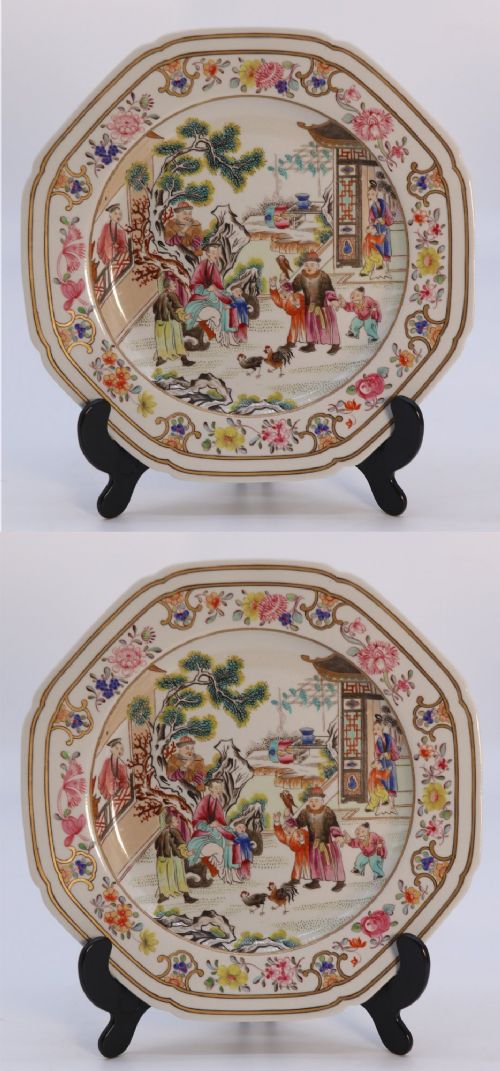
Condition and provenance elevate individual pieces, particularly when accompanied by clear factory date marks or retailer commission details. The complexity of the moulding, such as scalloped edges or octagonal forms, also signals higher manufacturing ambition.
Royal Crown Derby·Royal Worcester·Royal Doulton·Koshida·Wedgwood·Spode·Minton·Aynsley·Copeland·Darte Brothers·Stubbs
The Decorative Porcelain Display Plate Glossary
- Cabinet Plate
- A decorative porcelain plate intended for display in a cabinet or on a wall rather than for practical table use. These pieces often feature elaborate painted scenes or gilt borders.
- Imari
- A style of Japanese porcelain featuring a distinct palette of cobalt blue, iron-red, and gold. It gained immense popularity in European interiors during the nineteenth century.
- Gilding
- The application of gold leaf or powdered gold to the surface of ceramics. It highlights rims, handles, and decorative motifs.
- Bone China
- A type of porcelain incorporating bone ash, producing a strong, slightly translucent ceramic body. English factories utilised it extensively for fine decorative wares.
- Armorial
- A ceramic design incorporating a family crest, coat of arms, or heraldic insignia. Such plates were frequently commissioned by prominent families.
Decorative Porcelain Display Plate: Frequently Asked Questions
How were decorative porcelain display plates used historically?
These pieces functioned as status symbols and interior ornaments rather than functional tableware. Wealthy households showcased them in drawing rooms, cabinets, or on specialised wall mountings.
They also formed parts of larger dessert services reserved for special occasions and formal dining displays. Over time, many transitioned into dedicated cabinet plates collected specifically for their artistic merit.
How do I identify Japanese Imari plates?
Japanese Imari porcelain is instantly recognisable by its distinctive palette combining underglaze cobalt blue and iron-red overglaze enamel, frequently accented with gold leaf. Designs typically incorporate dense floral, bird, and geometric motifs.
Pieces originating from the Meiji period or late nineteenth century often feature scalloped edges and robust porcelain bodies made specifically for export to Western markets.
What distinguishes a cabinet plate from regular tableware?
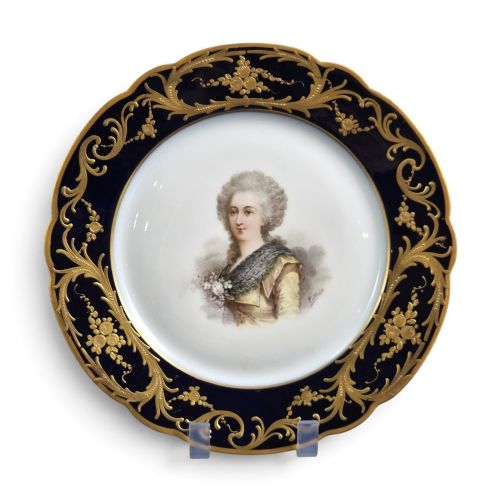
Cabinet plates generally feature intricate hand-painted central subjects, such as botanical studies, fruit, portraits, or armorial crests, surrounded by elaborate gilt borders. Their surfaces are preserved from wear because they were made for display.
They also tend to incorporate finer ceramic bodies, such as bone china or stone china, and often bear specific artist signatures or factory date marks on the reverse.
How can I date nineteenth-century porcelain plates?
Dating relies on examining factory backstamps, impressed marks, and painted registration ciphers specific to English and European potteries. Stylistic shifts from Victorian ornamentation through the Aesthetic period and Art Deco provide further chronological clues.
Additionally, recording techniques like transfer printing versus hand painting help narrow down the production era alongside documented artists active during specific decades.