
Decorative Glazed Urn
These decorative glazed urn pieces bring historic ceramics, majolica, and stoneware into modern interiors through enduring craftsmanship.
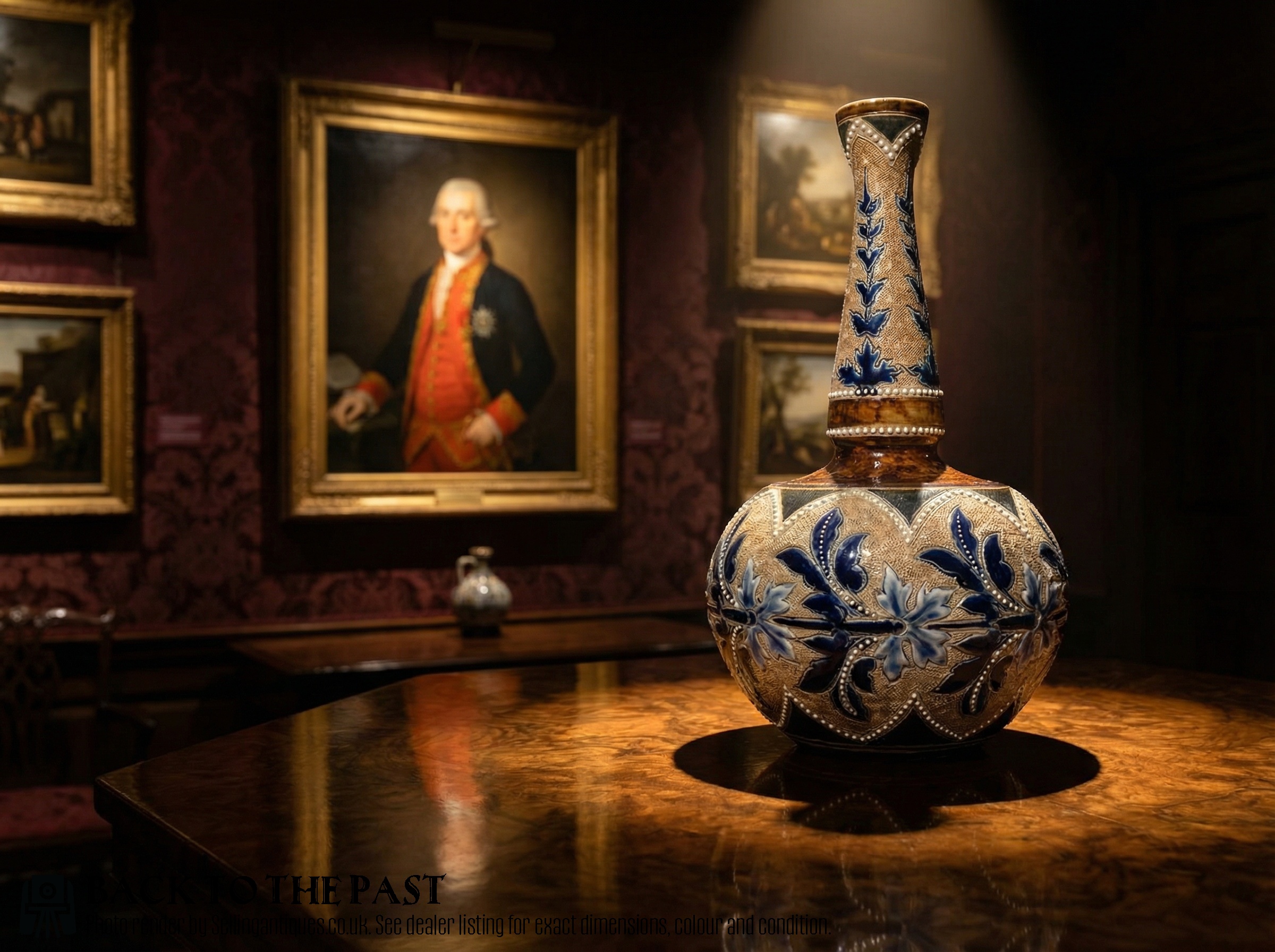
Decorative Glazed Urn
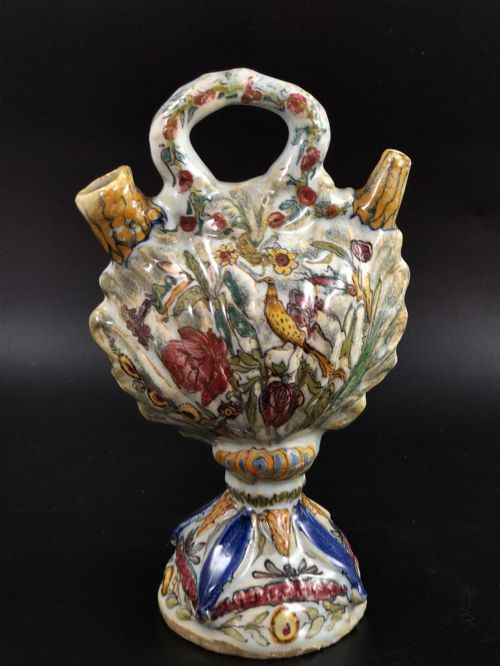
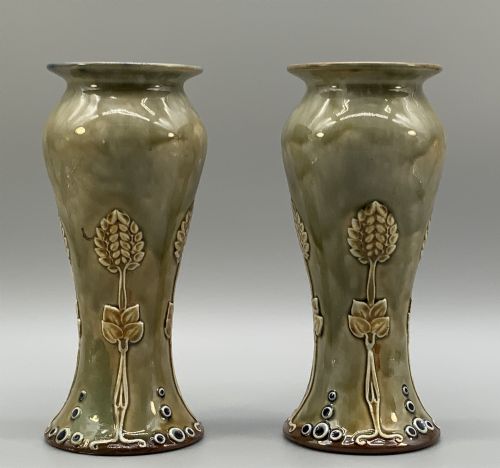
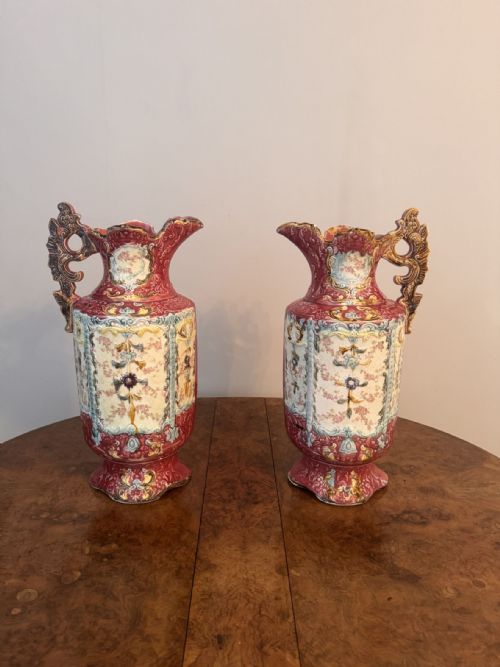
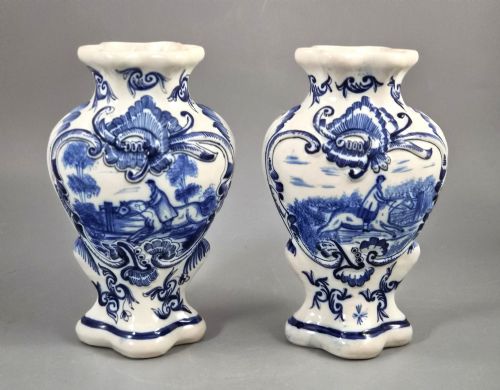
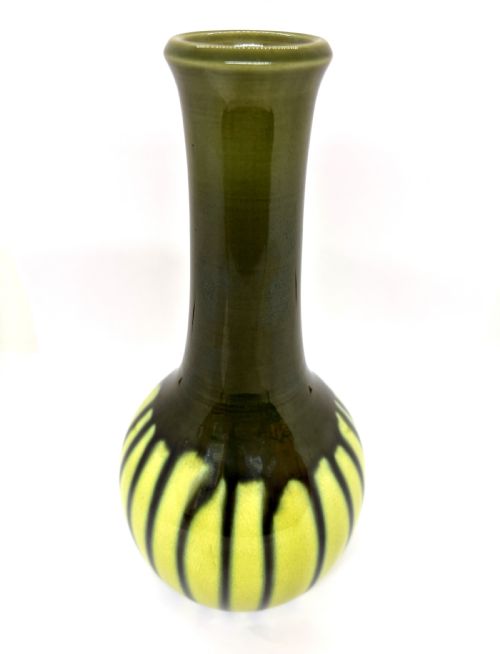
A decorative glazed urn represents centuries of ceramic artistry, spanning earthenware, stoneware, and porcelain forms designed to command attention in a room. Buyers seeking a decorative glazed urn find examples shaped across the Victorian, Art Nouveau, Art Deco, and Meiji periods.
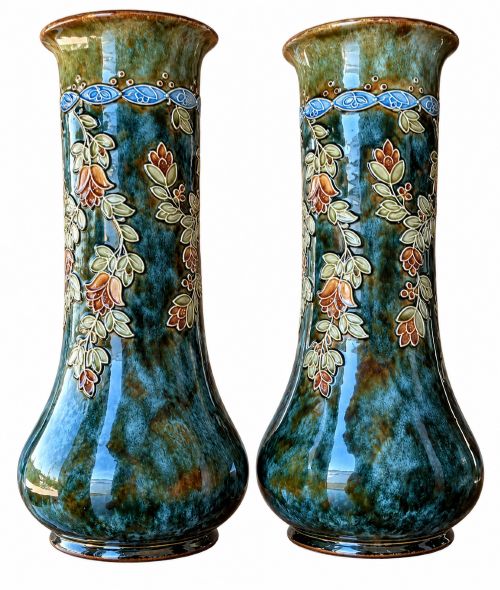
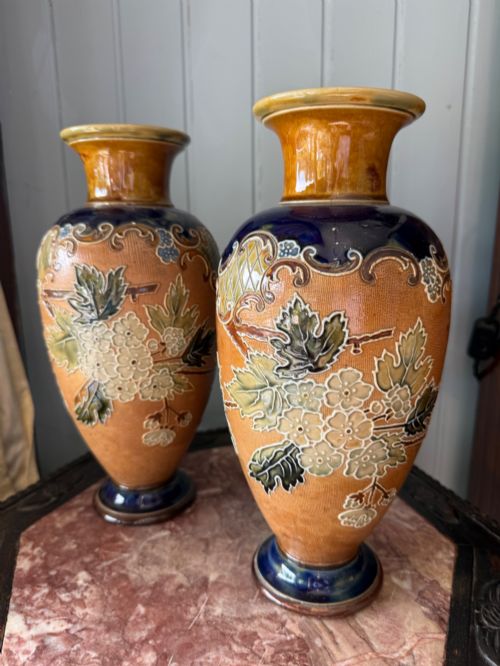
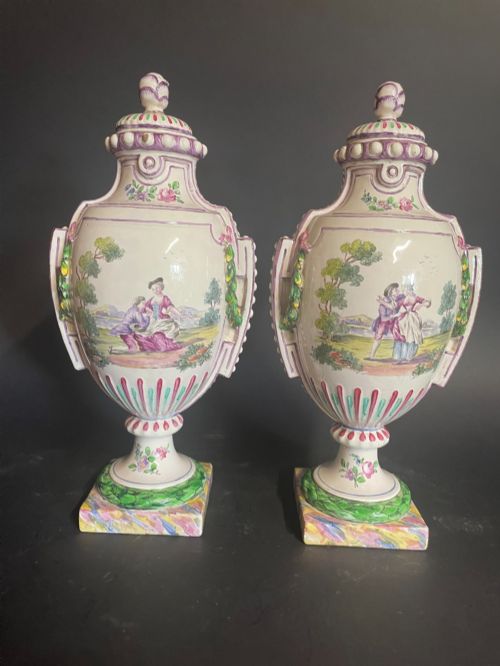
Most entries on this page originate from British potteries like Royal Doulton alongside Continental faience workshops and Japanese Satsuma kilns. These pieces function as standalone statement items, jardinieres, or paired vases with intricate handles and mounts.
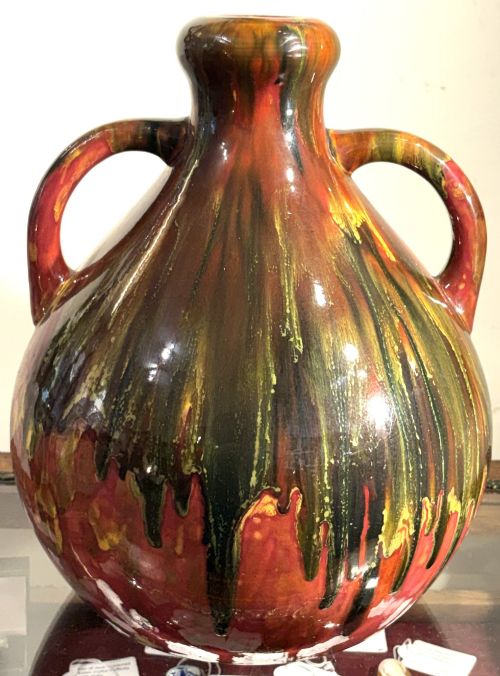
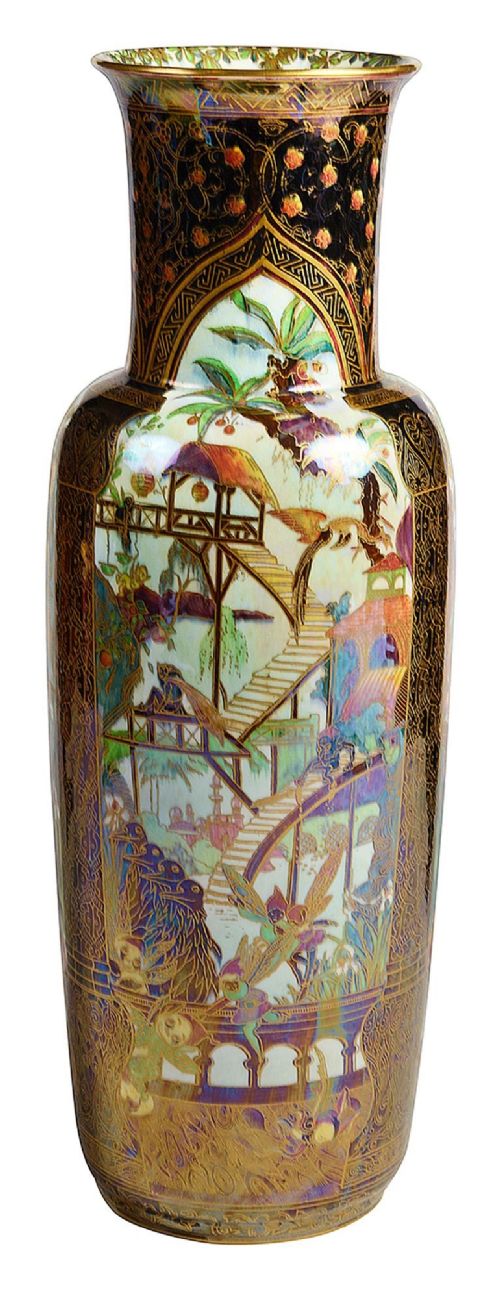
Makers utilised techniques such as hand-painting, gilding, and copper effects to finish surfaces. The resulting forms range from modest miniature vessels to large baluster shapes and ewers.
Materials and construction methods
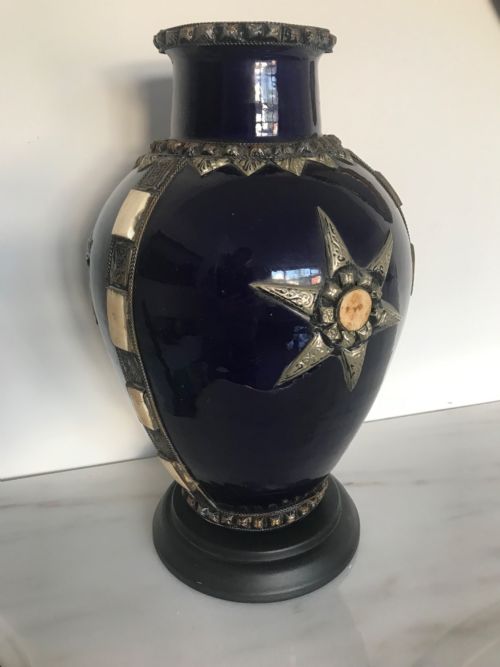
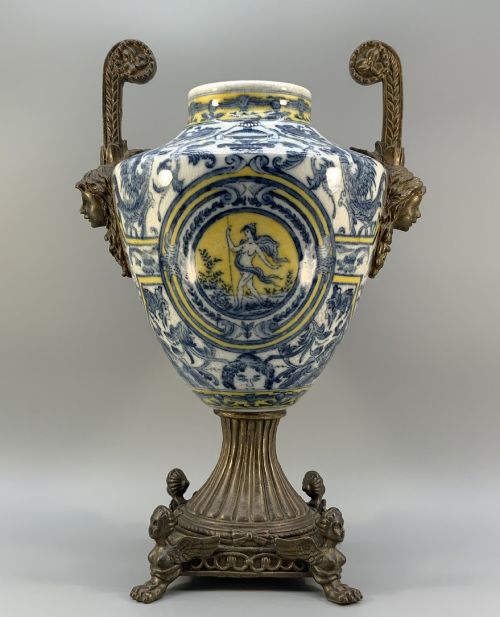
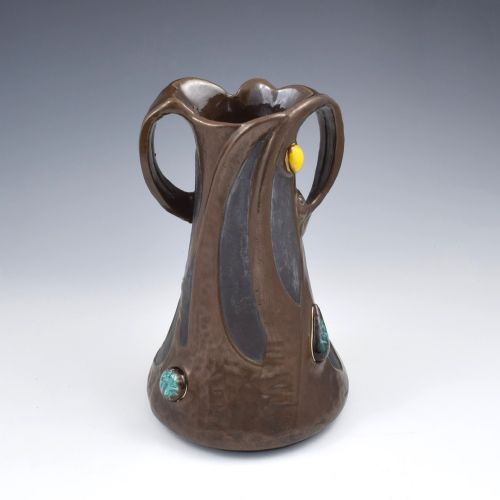
Potters shaped these vessels using clay bodies including porcelain, stoneware, and terracotta, applying rich enamel and glaze layers before firing. Many items feature additional decorative elements like bronze trim, silver cabochons, and gold leaf applied to the ceramic body.
Artisans decorated surfaces through hand-painting and specialised techniques like intarsio or lustre glazes. Workshops incorporated metal mounts and figural stands to elevate the structural presence of the finished ceramic.
Form variations range from pilgrim flasks and miniature vessels to large jardiniere planters on figural stands.
Distinguishing finer examples
Quality rests in the execution of the hand-painted details, the depth and consistency of the glaze, and the crispness of moulded ornament. Superior pieces display deliberate coordination between the ceramic body and any applied metal mounts or handles.
Works attributed to known designers and prominent potteries demonstrate greater refinement in form and glaze chemistry. The distinction lies in the precision of the artistic hand and the complexity of the firing process.
Royal Doulton Lambeth·Fourmaintraux Courquin Desvres·Boch Freres·Kinkozan·William Moorcroft
The Decorative Glazed Urn Glossary
- Baluster
- A tall ceramic form characterised by a rounded lower body that tapers toward a narrow neck. This shape provides a stable canvas for detailed surface patterns and glazes.
- Faience
- Tin-glazed earthenware produced in Europe, often featuring painted decoration on a smooth white background. It gained popularity across various Continental and British workshops.
- Majolica
- Heavy earthenware coated with an opaque tin glaze and painted with brightly coloured metallic oxides. It frequently incorporates moulded relief decoration depicting natural forms.
- Satsuma
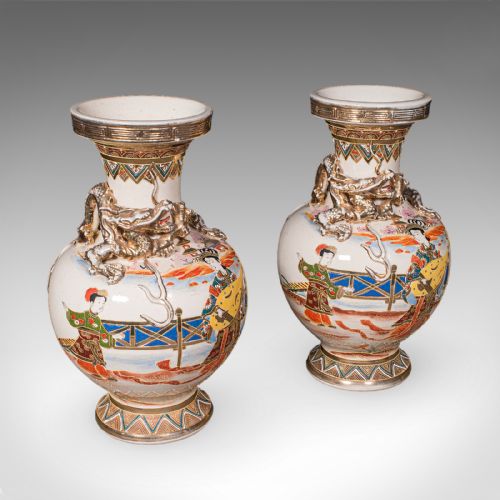
- Japanese earthenware pottery featuring a crackle-phase ivory glaze decorated with intricate enamel patterns and gilding. These pieces were produced extensively during the Meiji period.
- Stoneware
- A dense, impermeable ceramic fired at high temperatures until vitrified. It resists liquids naturally and serves as a durable base for salt and slip glazes.
Decorative Glazed Urn: Frequently Asked Questions
What defines a decorative glazed urn?
These pieces comprise ceramic vessels finished with protective or ornamental glazes, often incorporating handles, covers, or metal mounts. They function primarily as decorative objects rather than utilitarian tableware.
Craftsmen produced them across multiple centuries in Britain, Europe, and Japan, employing earthenware, stoneware, and porcelain bodies.
How do I care for antique ceramic pieces?
Dust these items gently with a dry microfiber cloth and avoid abrasive cleaning agents that might damage delicate enamel or gold leaf. Keep them away from direct sunlight to preserve the original vibrancy of the painted glazes.
Ensure metal mounts remain dry and inspect any fitted bases to maintain structural stability.
How can I tell different periods apart?
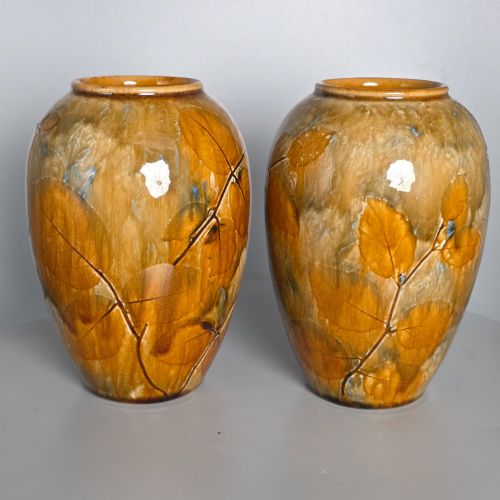
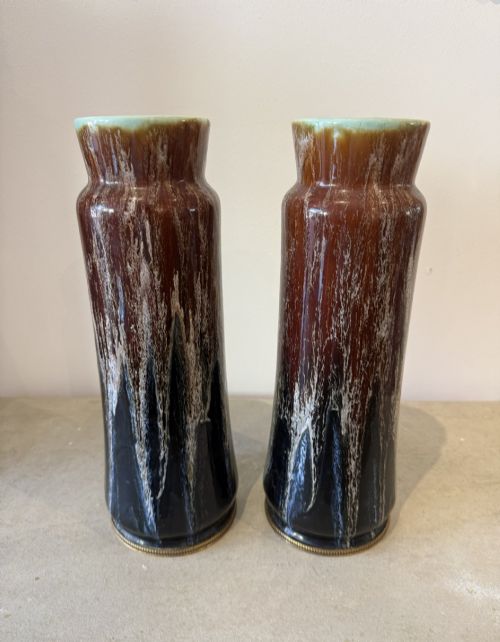
Victorian and nineteenth-century items frequently display heavier moulded relief or dense floral hand-painting. Art Nouveau and Art Deco pieces introduce stylised organic lines, mottled glazes, or geometric motifs.
Japanese Meiji period Satsuma items typically exhibit characteristic crackle glazes combined with intricate gilt and enamel figures.