


Hand Decorated Ceramic Vase
A hand decorated ceramic vase brings colour and character to a room, offering intricate painted details from various periods and traditions.
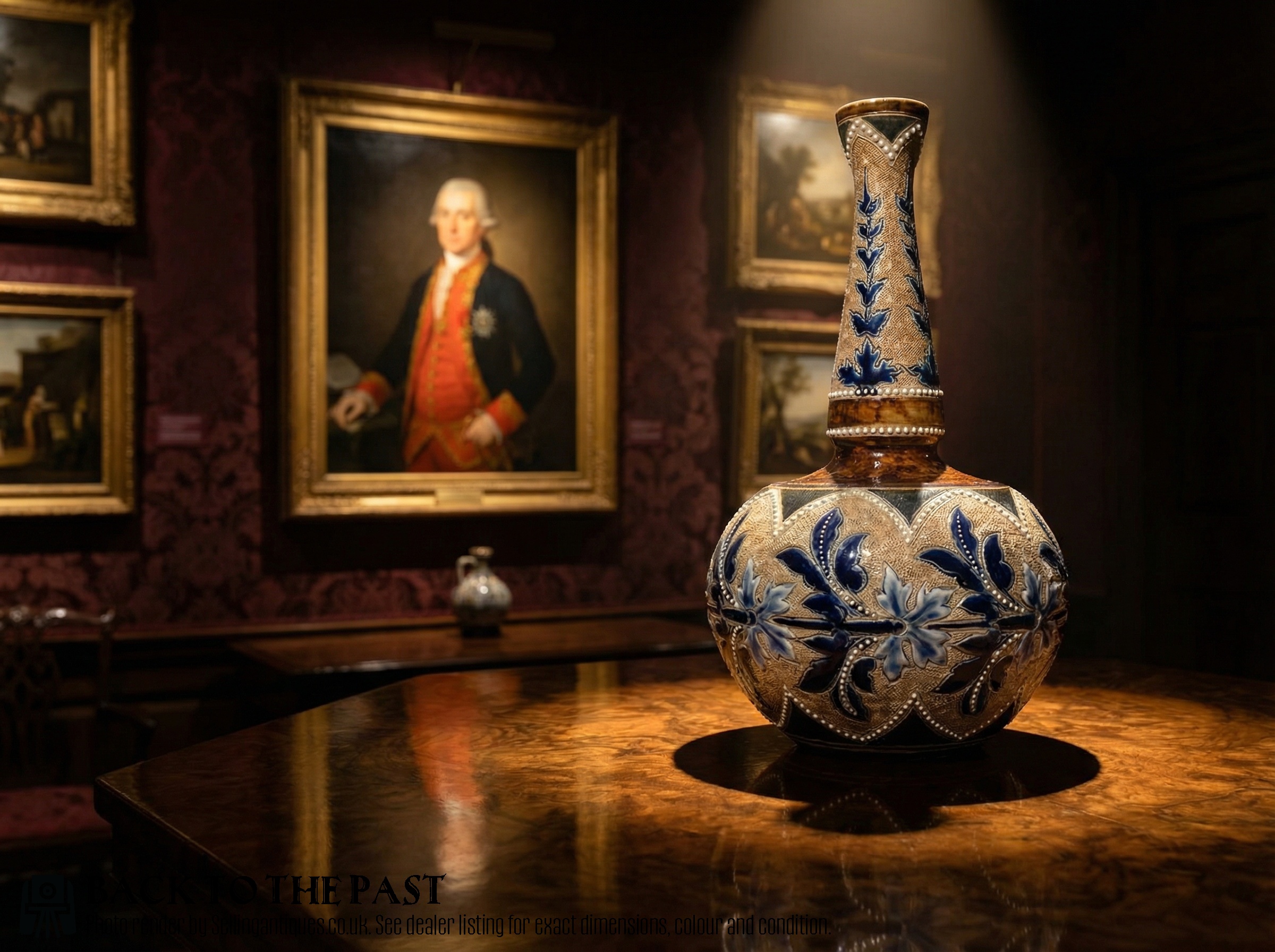
Hand Decorated Ceramic Vase
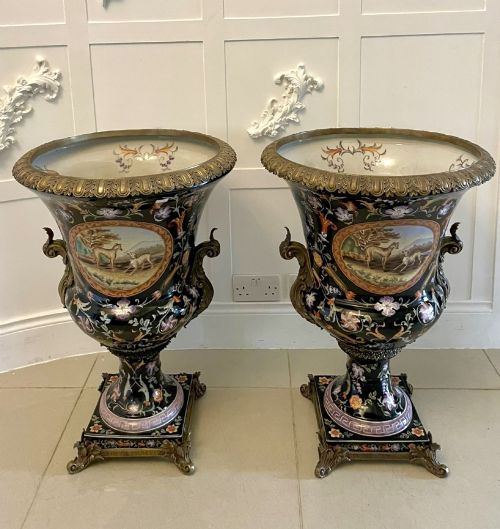
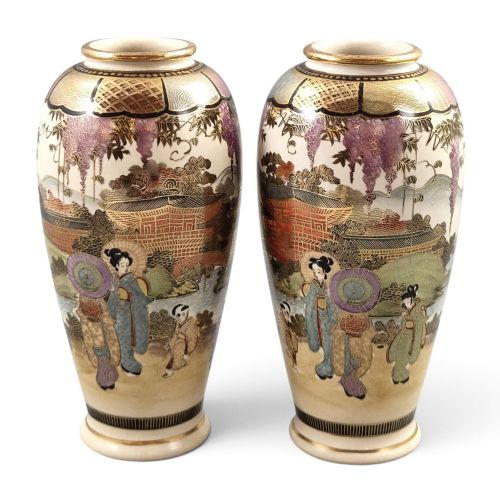
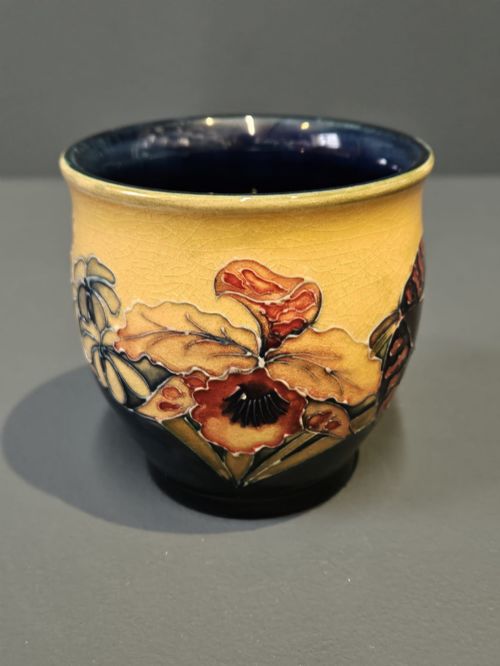
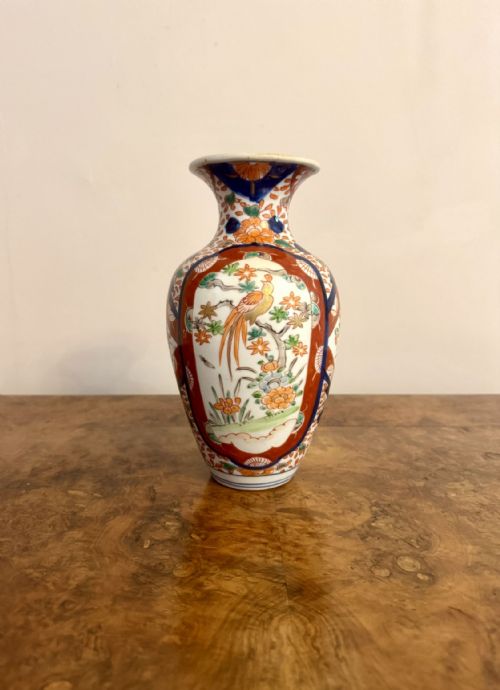
A hand decorated ceramic vase encompasses a wide variety of forms and origins, ranging from nineteenth-century European porcelain to Japanese Satsuma and Imari wares. Buyers seeking a hand decorated ceramic vase will encounter diverse shapes such as beaker-form vessels, lidded urns, jardinieres, and spill vases.
The pieces on this page span the Victorian, Edwardian, and Art Deco eras alongside the Meiji period and Qing dynasty. European factories and Asian workshops alike contributed to this varied selection of decorated vessels.
Materials and techniques
Makers utilised ceramic bodies including porcelain and earthenware, shaping them into urns, jars, and vases before applying detailed surface designs. Many pieces incorporate enamel paints, glaze, and gold leaf or gilding to highlight specific motifs.
Certain items feature applied mounts in brass, uniting metalwork with ceramic forms. Surface decoration ranges from freehand painting of birds, sheep, cattle, and flowers to structured patterns influenced by classical and oriental styles.
Listings feature works from the nineteenth century through the 1930s, incorporating porcelain, earthenware, enamel, and gold leaf.
Assessing quality
Quality in these pieces rests upon the precision of the hand-painted brushwork and the clarity of the glaze and enamel colours. Skilled artists executed detailed scenes of figures, animals, or foliage with notable control and expression.
The refinement of the ceramic body and the successful integration of additional elements, such as gilding or brass mounts, distinguish finer examples. Maker signatures and studio attribution also elevate individual pieces within the wider selection.
Royal Worcester·Doulton Burslem·Doulton Lambeth·Samson of Paris·Wedgwood·Dresden·Poole Pottery
The Hand Decorated Ceramic Vase Glossary
- Satsuma
- A type of Japanese earthenware featuring a crackle glaze and intricate enamel and gilt decoration. These pieces often depict figures, landscapes, or traditional motifs.
- Imari
- A traditional style of Japanese export porcelain characterised by a palette of underglaze blue, iron red, and added gold. The patterns frequently incorporate floral and brocade designs.
- Celadon
- A pale green jade-like glaze originating in China, applied to ceramic vessels. The subtle tone complements carved or incised surface patterns.
- Jardiniere
- A decorative ceramic pot or urn designed to hold plants or flowers. They often appear as part of matched pairs with handles or pedestal bases.
- Spill vase
- A slender vessel traditionally used to hold wooden spills for lighting fires or candles. These small vases were common domestic items.
Hand Decorated Ceramic Vase: Frequently Asked Questions
How do I date a painted ceramic vase?
Dating relies on identifying factory marks, stylistic periods, and the specific materials used in the ceramic body and glaze. Comparing the painting technique to documented pieces from makers helps narrow the decade of production.
Changes in shape and decorative motifs across the nineteenth and early twentieth centuries offer further clues to a piece's age and origin.
Where were Satsuma vases made?
Satsuma wares originated in the Satsuma Province of Kyushu, Japan, though production later expanded to major urban centres like Kyoto and Tokyo for the export market.
These earthenware vessels became particularly popular during the Meiji period, featuring distinctive cream-coloured crackled glazes.
What is the difference between porcelain and earthenware?
Porcelain is fired at a higher temperature, resulting in a dense, non-porous body that often rings when struck and appears translucent in thin sections. Earthenware is a coarser, more porous ceramic that requires glazing to become watertight.
Both materials served as canvases for detailed hand painting by European and Asian decorators.
How should I clean an antique ceramic vase?
Dusting gently with a soft, dry cloth is usually sufficient for routine maintenance of painted ceramic surfaces. Avoid using harsh chemical cleaners or submerging pieces with delicate gilding or brass mounts.
Water should be kept away from antique earthenware bodies with porous glazes to prevent staining or structural damage.