




Decorative Gilded Hanging Mirror
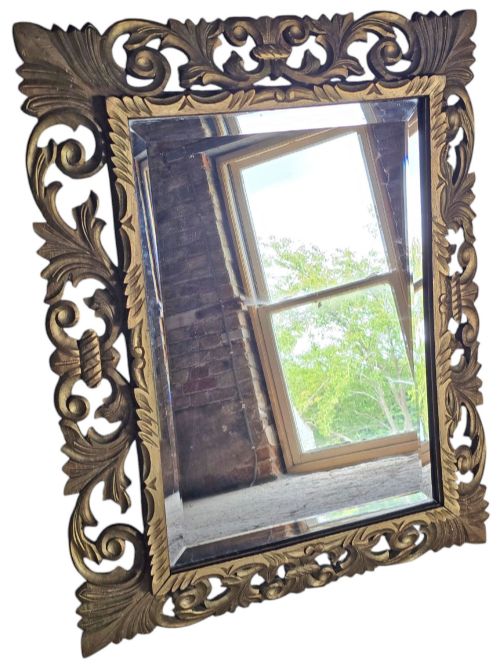
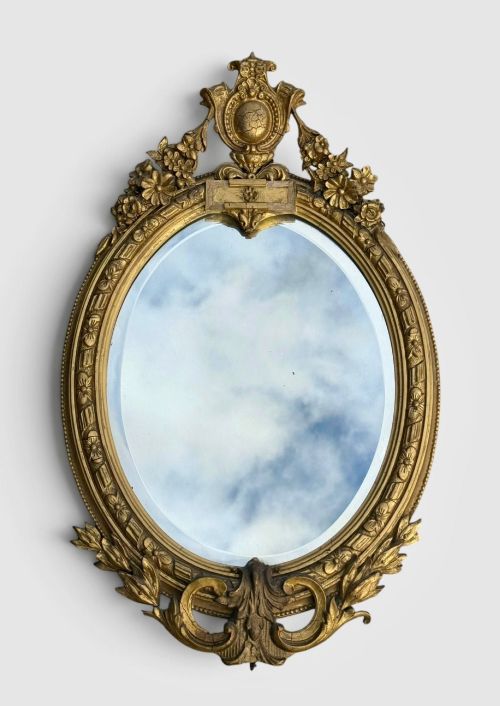
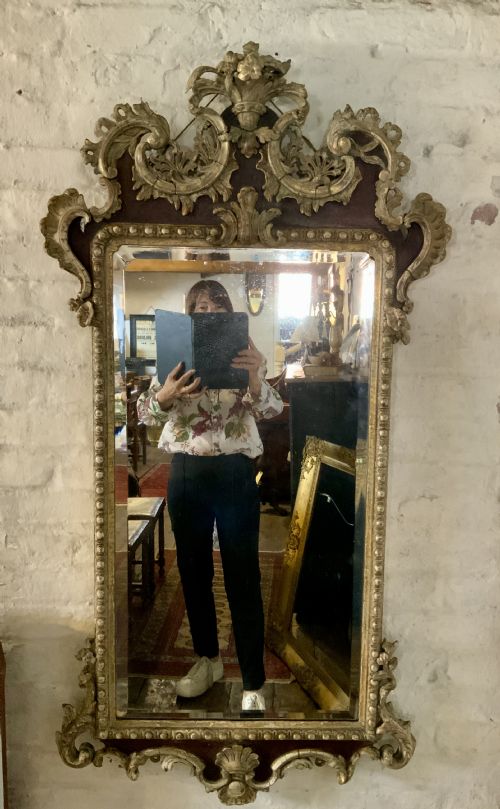
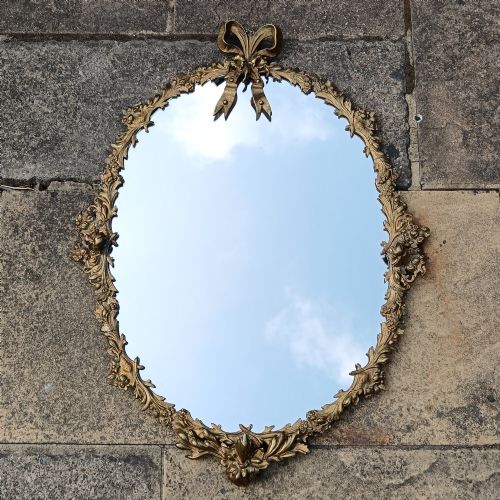
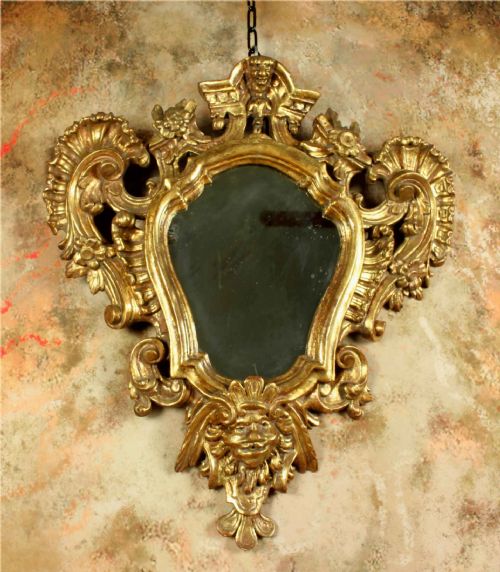
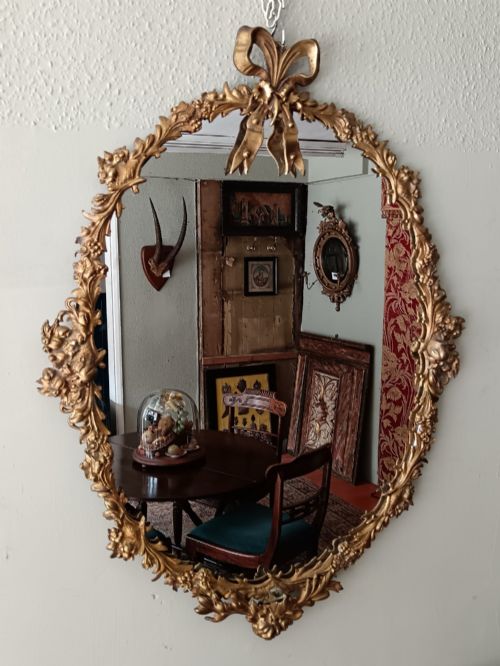
A decorative gilded hanging mirror brings instant light and presence to a room, drawing the eye with carved giltwood and polished glass.
Decorative Gilded Hanging Mirror
A decorative gilded hanging mirror is a wall-mounted glass plate held within a gilded frame, designed to catch and reflect light in domestic interiors. When searching this phrase, buyers encounter a broad selection of wall mirrors, overmantel mirrors, and pier mirrors ranging across the eighteenth, nineteenth, and early twentieth centuries.
The most common examples on this page date from the nineteenth century, including Victorian gesso pieces and French revival designs. These objects span diverse stylistic revivals, from Rococo and Louis XVI to Regency and Adam, reflecting shifting tastes in interior ornamentation.
Formats vary considerably in outline, encompassing rectangular, oval, cushion-framed, and large overmantel proportions. Many incorporate specific decorative motifs such as carved flowers, lions' heads, or decorative masks.
Materials and construction
Makers constructed these frames primarily from wood, such as walnut or carved timber, frequently applying a layer of gesso to build up intricate surface details and relief ornament before gilding. Gold leaf or composition gilding was then applied to the prepared surface to achieve the characteristic metallic sheen.
Gilt bronze and carved gilt-wood also appear among the material records, alongside plate glass mirror inserts. Some pieces retain their original mirror plates, while others incorporate replacement glass fitted during later upkeep.
Listings span multiple eras, encompassing eighteenth-century walnut, Victorian gesso, Edwardian Adam style, and early twentieth-century Florentine work.
Judging the work
Quality rests in the crispness and depth of the carved woodwork and the applied gesso relief, where deep, hand-carved foliage surpasses mechanical or simplified moulding. The integrity of the original gilding surface, whether gold leaf or composition, dictates much of the visual character.
The weight and clarity of the mirror plate, along with how sympathetically it sits within the frame, distinguish finer examples. Structural joinery at the corners and the stability of the hanging mechanisms also mark the standard of workshop production.
The Decorative Gilded Hanging Mirror Glossary
- Giltwood
- Timber that has been coated in gold leaf or gilt finish. This material forms the primary structure of many traditional wall mirrors.
- Gesso
- A plaster-like mixture applied to wood frames and carved or moulded into relief decoration before gilding. It provides a smooth base for gold leaf.
- Overmantel mirror
- A wide mirror designed specifically to hang above a fireplace mantelpiece. These pieces often feature grand proportions and horizontal formats.
- Pier mirror
- A tall, narrow mirror traditionally hung on the wall space between two windows. They reflect natural light back into the centre of a room.
- Rococo Revival
- A nineteenth-century design style emulating the asymmetrical curves, scrolls, and naturalistic motifs of the eighteenth-century French Rococo movement.
Decorative Gilded Hanging Mirror: Frequently Asked Questions
How do I hang a heavy antique mirror?
Heavy gilded mirrors require secure wall fixings anchored directly into masonry or substantial timber studs behind plaster. Steel mirror plates or robust hanging wire attached to the frame structure distribute the weight safely.
Professional installation is recommended for large overmantel and nineteenth-century gesso pieces to ensure the wall can bear the load permanently.
Are the mirror plates original?
Many mirrors retain their original antique glass, which often displays minor foxing, dark spots, or subtle distortions caused by age. Some pieces have received new glass plates to replace damaged or deteriorated originals.
Examining the reflection and the edges of the glass helps determine whether the plate dates from the same period as the frame.
How should I clean a gilded frame?
Gilded surfaces require extremely gentle dusting with a soft, dry brush or a feather duster. Moisture and chemical cleaners can lift delicate gold leaf or soften historic gesso work.
Avoid touching the metallic surface directly with bare hands, as natural oils can dull the finish over time.
What is the difference between gesso and carved wood?
Carved wood involves shaping the timber frame directly with chisels and gouges to create relief ornament. Gesso is a chalk and binder mixture built up over a wooden base and moulded or stamped into decorative patterns.
Many antique frames combine both techniques, using a carved wooden carcass enriched with applied gesso details.