


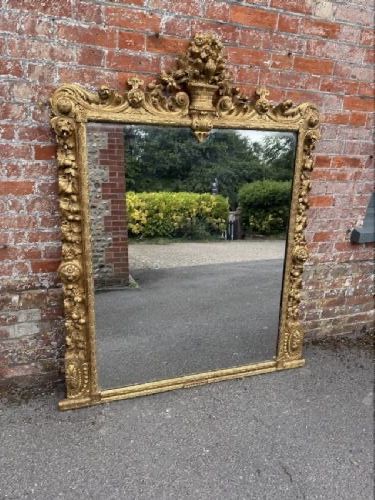
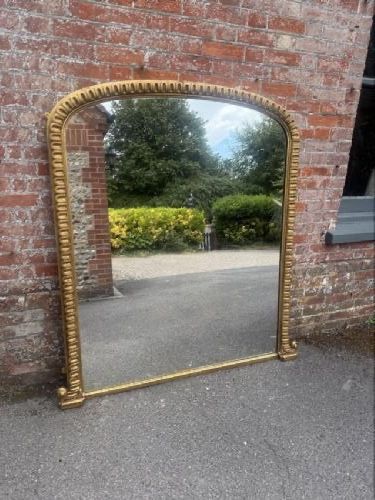
French Style Gilded Mirror
A french style gilded mirror brings architectural presence and reflected light to a room through ornate carved frames and historic glass.
French Style Gilded Mirror
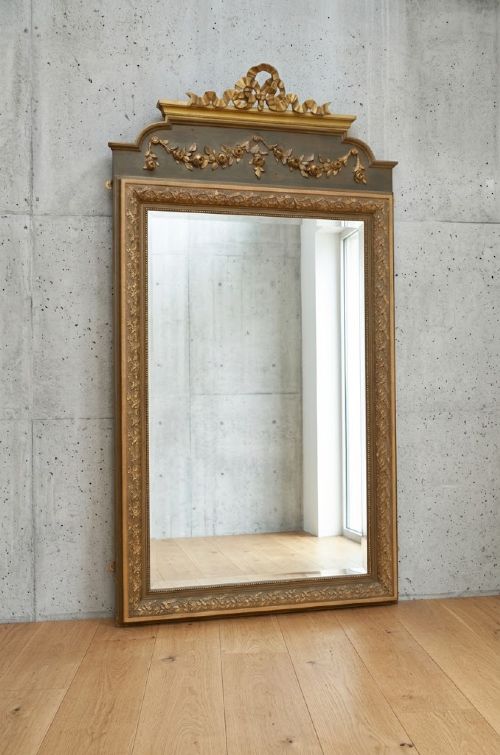
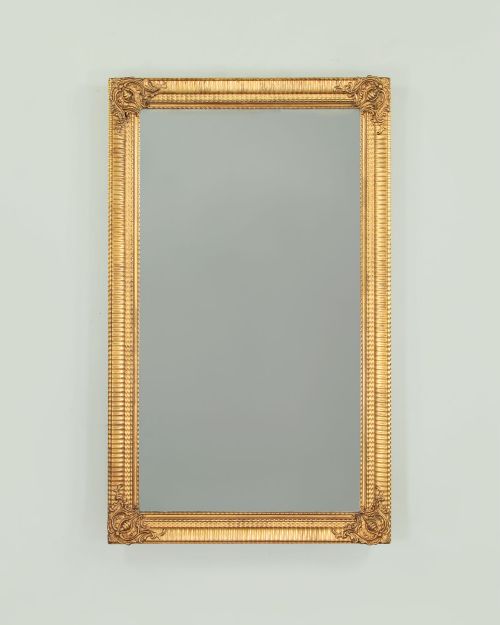
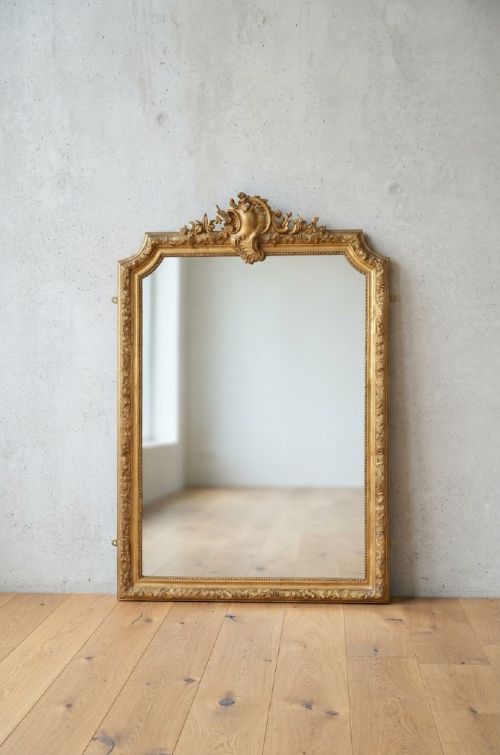
A french style gilded mirror brings together ornate decorative forms and historic frames that suit both period interiors and modern settings. When you search for this phrase, you encounter grand overmantels, full-length leaner mirrors, and smaller wall-hung pieces designed in French Rococo, Louis XV, and Louis XVI styles.
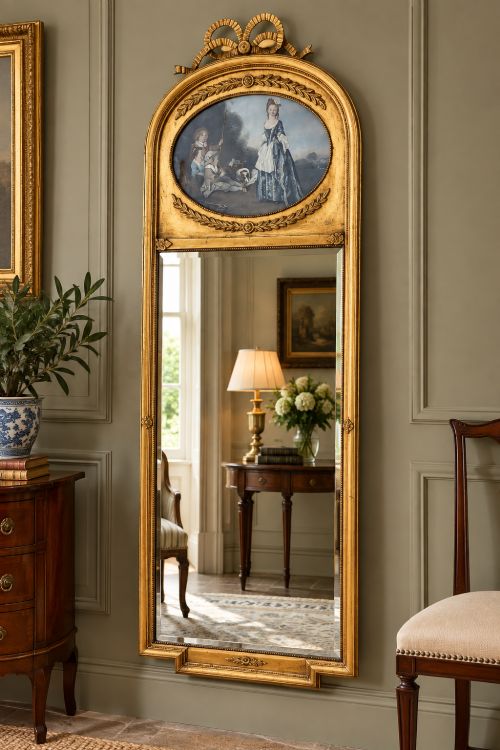
The versions most common on this page date predominantly from the nineteenth century, reflecting periods such as the Victorian era alongside French nineteenth-century production. These objects range from massive architectural overmantels meant to anchor a fireplace to taller trumeau mirrors incorporating pastoral oil paintings.
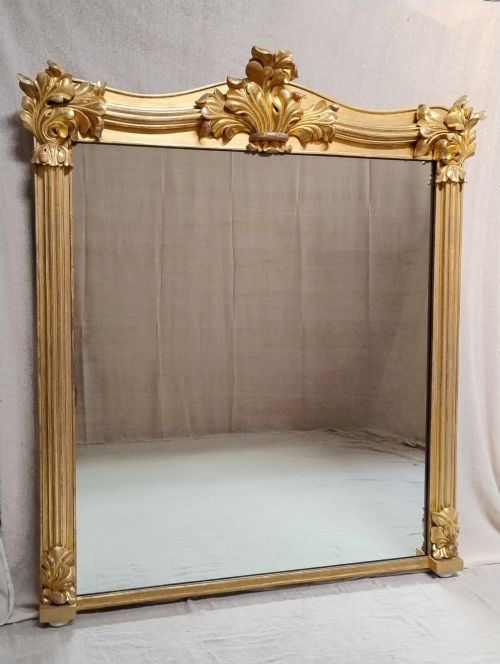
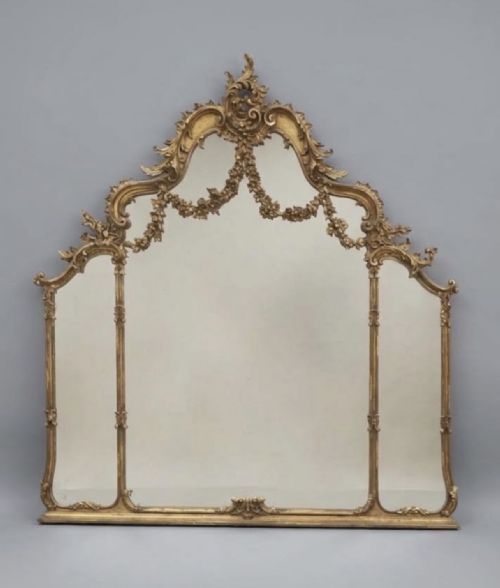
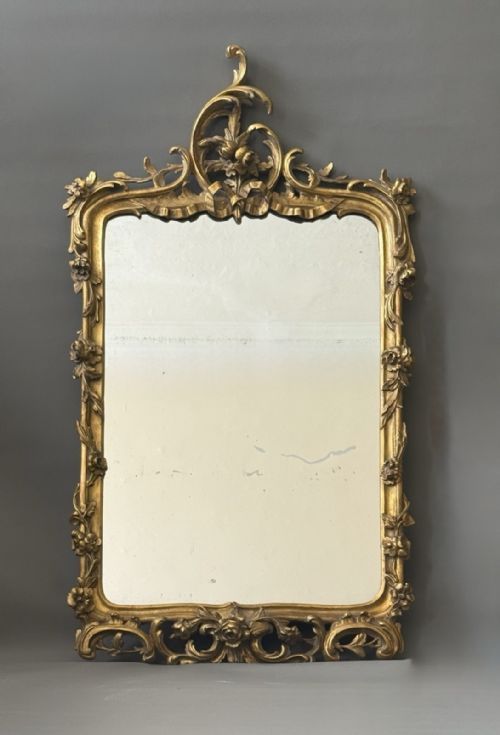
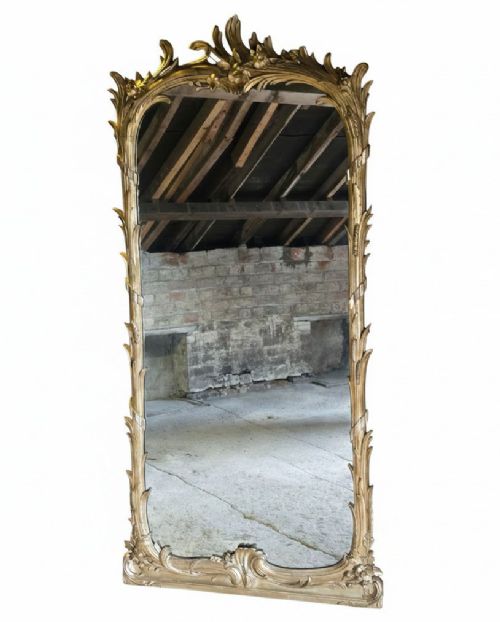
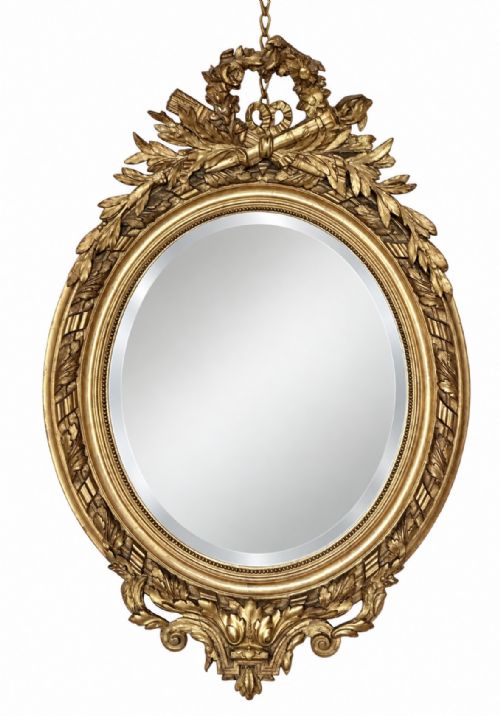
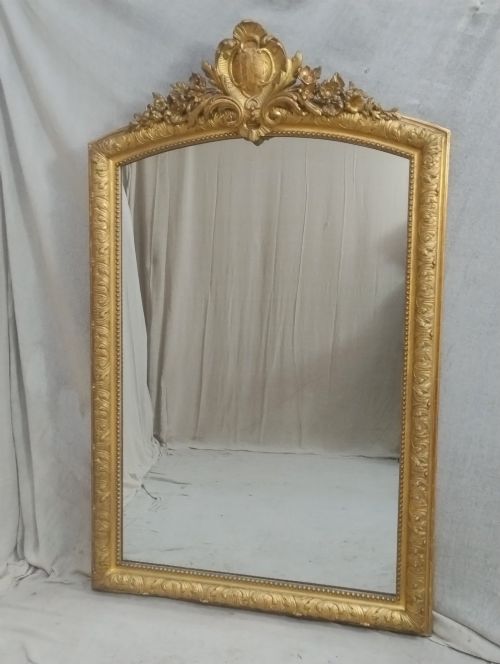
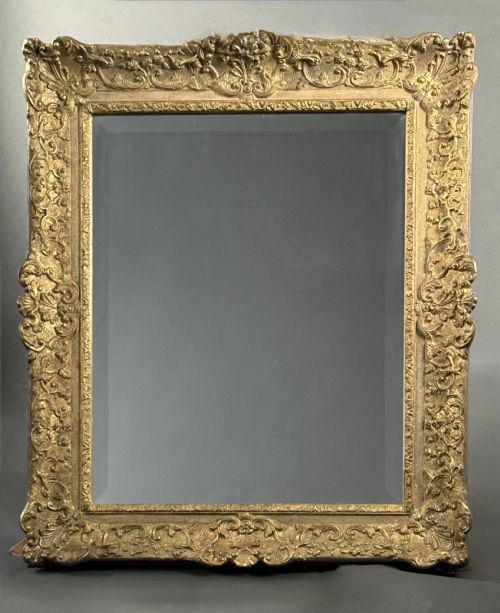
Makers and craftsmen of the period utilised distinct regional designs, including carved wood and gesso frames featuring scrolling foliage, ribbon crests, and rope twist details. Buyers often select these pieces to create a focal point in a reception room or hallway, depending on the scale and proportions of the frame.
Materials and Construction
The construction of these mirrors relies on timber frames built from woods such as oak and pine, which provide a stable foundation for decorative embellishments. Artisans applied layers of gesso - a mixture of chalk and binder - over the wood to create smooth surfaces suitable for intricate carving and moulding.
Gilding was achieved using gold leaf or applied metal finishes, often combined with painted elements such as olive green or parcel gilt highlights. Mirror glass plates were set into the frames, with older examples featuring mercury glass or antique plates showing characteristic foxing and age spots.
Some nineteenth-century makers hid secret rope twist motifs inside carved floral frames, giving searching fingers a tactile surprise behind the gilding.
Distinctions in Quality
The depth and crispness of the carved detail separate standard production from exceptional examples, as skilled carvers undercut the gesso and wood to create three-dimensional movement in floral and scroll motifs. The integrity of the original gilding, whether genuine gold leaf or secondary paint, heavily influences the visual character of the surface.
The retention of original mirror plates, particularly antique mercury glass with natural foxing, adds historical value compared to modern replacement glass. Furthermore, the structural soundness of the underlying timber frame and the survival of secondary elements like original backboards indicate how well the piece has survived.
The French Style Gilded Mirror Glossary
- Gesso
- A plaster-like material applied to wooden frames as a base for carving and gilding. This mixture allows artisans to achieve sharp relief details before applying gold leaf.
- Giltwood
- Timber that has been coated with gold leaf or metallic powder. It forms the primary structural and decorative medium for traditional ornate frames.
- Overmantel Mirror
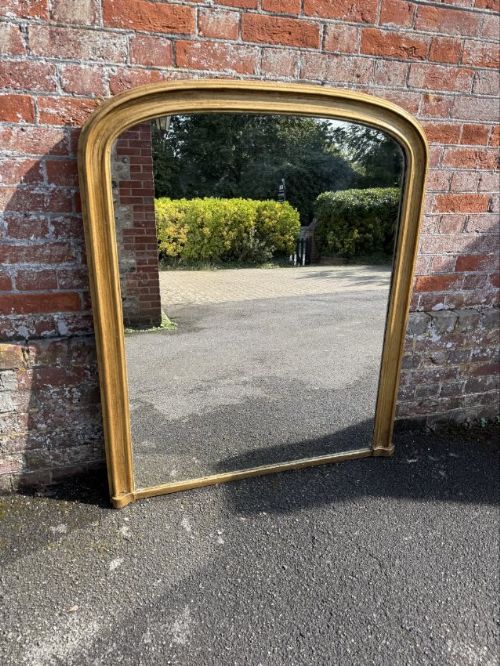
- A large horizontal mirror designed to hang specifically above a fireplace mantelpiece. These pieces often feature arched tops or architectural pediments.
- Trumeau Mirror
- A wall mirror incorporating an integrated panel above the glass, frequently decorated with an oil painting or carved relief. They were traditionally built to fit between room windows.
- Foxing
- The natural ageing of antique mirror glass resulting in dark spots and mottled patches. This chemical oxidation occurs behind the glass plate over many decades.
- Rococo Revival
- A nineteenth-century design movement mimicking the asymmetrical scrolls, shell motifs, and natural curves of the eighteenth-century French Rococo style.
French Style Gilded Mirror: Frequently Asked Questions
How do I hang a heavy antique mirror safely?
Large overmantel and leaner mirrors require secure wall fixings anchored directly into masonry or heavy wall studs to support the substantial weight of wood, gesso, and glass.
Professional mirror hangers often utilise French cleats or heavy-duty brackets distributed evenly across the frame structure to ensure stability.
What is the difference between an overmantel and a leaner mirror?
Overmantel mirrors are traditionally manufactured to sit horizontally above a fireplace, whereas leaner mirrors are tall vertical pieces designed to stand directly on the floor against a wall.
Both share similar decorative French styles, but their proportions dictate whether they function best anchored above furniture or standing at full height.
How should I clean antique giltwood frames?
Giltwood surfaces require gentle dusting with a soft, dry brush to prevent damage to delicate gesso and historic gold leaf applications.
Moisture and modern chemical cleaners should be strictly avoided because they can dissolve the water-gilding underneath and strip the historic finish.
Can I replace a broken mirror plate?
While original antique plates with foxing are preferred by collectors, cracked or dangerously unstable glass can be replaced by a professional glazier.
Choosing aged or distressed replacement glass helps maintain the visual harmony of nineteenth-century frames without compromising safety.