




Decorative Cobalt Wall Plate
A decorative cobalt wall plate brings rich blue pigment and varied ceramic forms into a room, spanning Japanese Imari and English porcelain.
Decorative Cobalt Wall Plate
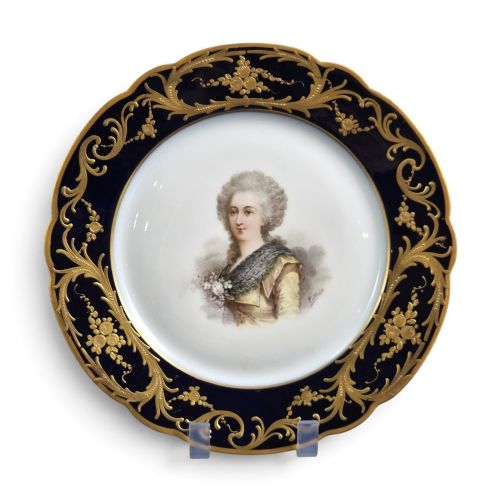
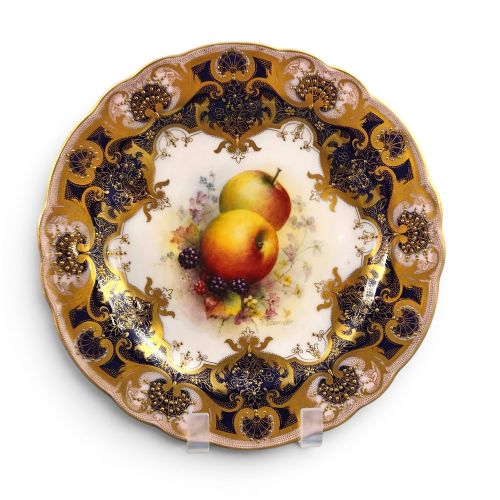
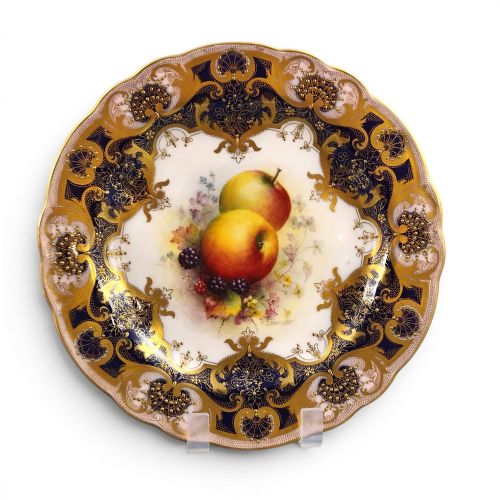
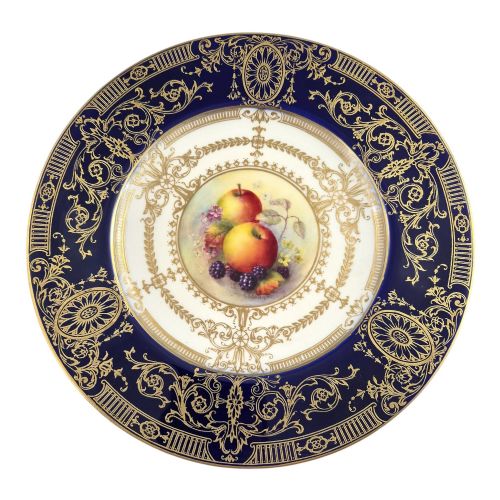
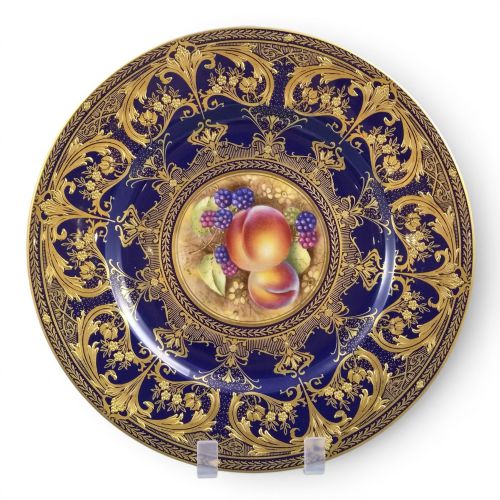
A decorative cobalt wall plate encompasses a range of ceramic and porcelain dishes designed primarily for display rather than dining. The selection includes cabinet plates, chargers, and dessert service pieces spanning the nineteenth and twentieth centuries.
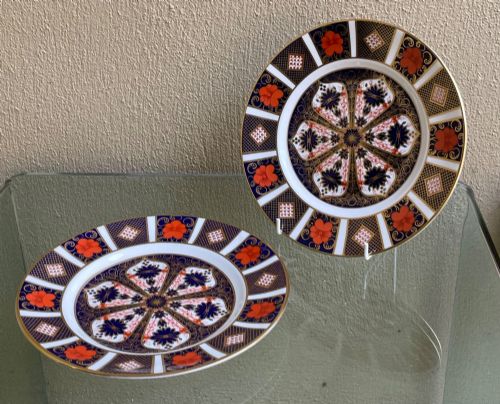
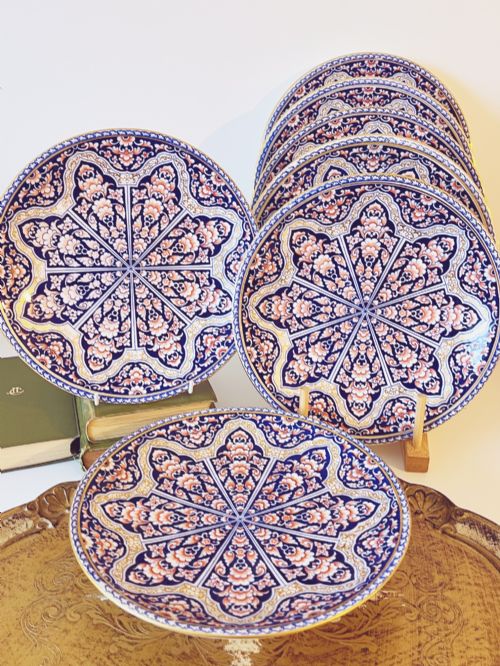
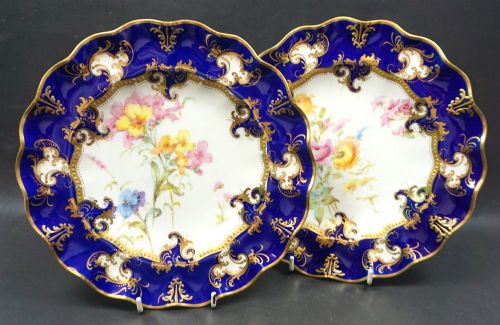
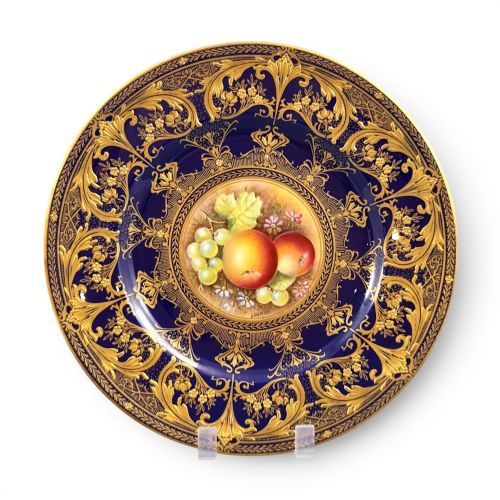
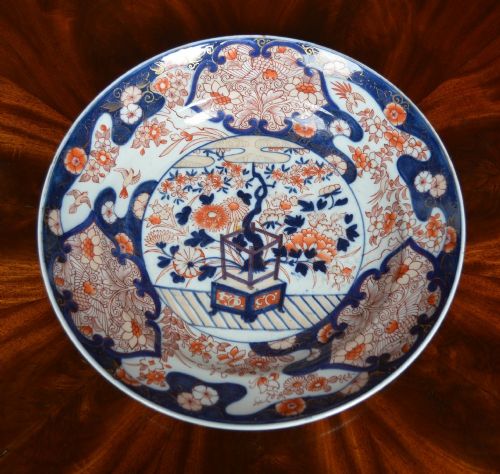
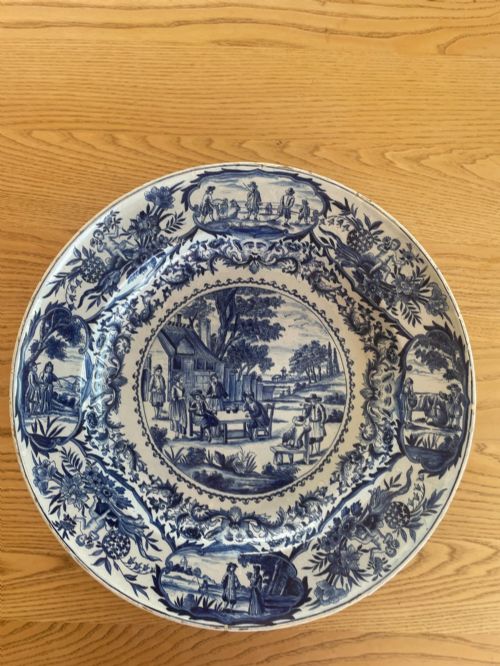
The most common examples encountered are Japanese Imari plates and chargers originating from the Meiji period, alongside English porcelain from factories such as Royal Worcester and Royal Crown Derby. Dutch and continental Delft chargers also appear among the offerings.
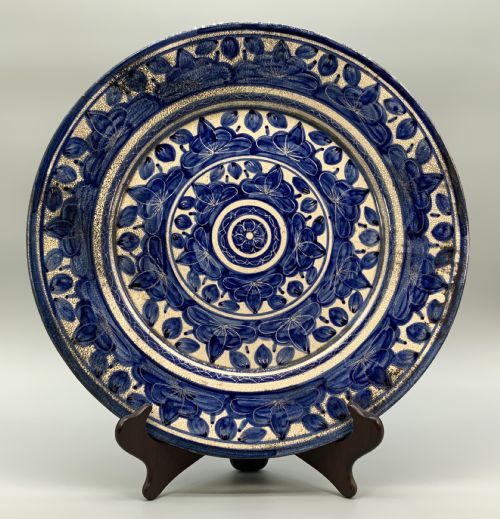
These items take various forms, from standard round dishes to square-shaped plates and scalloped edges. They utilise deep blue cobalt pigments combined with white backgrounds, often supplemented by ironstone, bone china, and earthenware.
How they were made
Potters shaped porcelain, bone china, and ironstone into plates and chargers, applying cobalt blue pigments beneath or over the glaze before firing. Many pieces incorporate supplementary materials such as gold leaf, gilding, and enamel to accent the painted motifs.
Techniques varied by region, with Japanese Arita workshops employing traditional underglaze cobalt and overglaze iron-red and gold, while European factories like Royal Worcester utilised hand-painted pictorial decoration by named artists.
Glazing techniques provided the protective glossy surface found across Dutch Delft faience and French porcelain, sealing the ceramic body and intensifying the blue tones.
Listings feature porcelain, bone china, ironstone, and earthenware spanning the nineteenth and twentieth centuries, including Japanese Meiji period examples.
What varies in quality
The distinction between tiers rests upon the precision of the hand-painted brushwork and the complexity of the design, such as detailed pictorial scenes or armorial crests executed by known artists. Superior examples display crisp cobalt definition and expert integration of gilding or enamel.
The weight and purity of the porcelain or ceramic body also separate standard production wares from cabinet pieces made for specific commissions or exhibitions. Condition of the glaze and the preservation of overglaze gold leaf further influence the standing of an individual plate.
Royal Crown Derby·Royal Worcester·John Davenport of Longport·Darte Brothers·Pucher Deroche·Coalport·Chamberlain's·John Ridgway
The Decorative Cobalt Wall Plate Glossary
- Charger
- A large decorative plate traditionally used for display rather than service at the table. These items measure larger than standard dining plates.
- Imari
- A style of Japanese porcelain originating from Arita, characterised by a palette of cobalt blue, iron red, and gold. This decorative scheme was widely copied in Europe.
- Cabinet Plate
- A high-quality decorative plate intended for display in a cabinet or on a wall. They often feature hand-painted scenes or armorial crests.
- Delft
- Tin-glazed earthenware originating from the Netherlands and England, typically featuring blue and white decoration inspired by imported Asian porcelain.
- Bone China
- A type of soft-paste porcelain composed of bone ash, feldspathic material, and kaolin. It provides a strong, translucent body suited to fine painting.
Decorative Cobalt Wall Plate: Frequently Asked Questions
How do I hang a wall plate safely?
Wall plates require specialised spring-loaded hangers or discreet wire fixtures that grip the rim without damaging the ceramic body. Ensure the support is rated for the weight of the specific charger or plate.
Position the piece away from direct sunlight and high moisture areas to protect the glaze and any applied gold leaf or enamel details.
What is the difference between an Imari plate and Delft?
Imari plates originate from Japan, featuring a distinct palette of cobalt blue combined with iron red and gold leaf accents. They are typically made of hard porcelain.
Delft plates are European tin-glazed earthenware produced in Holland and England, focusing primarily on blue and white pictorial designs without the additional red and gold highlights.
How do I date an antique porcelain plate?
Dating relies on factory backstamps, impressed marks, and painter signatures recorded by manufacturers such as Royal Worcester or Royal Crown Derby. Stylistic clues like Meiji period motifs also narrow down the timeframe.
Physical characteristics such as crazing in the glaze, the composition of the ceramic body, and wear on the foot rim provide further evidence of age.
Can these decorative plates be used for food?
Cabinet plates and historical chargers are intended for display and visual appreciation rather than daily dining. Older glazes and overglaze metallic decorations may contain materials unsuited for modern culinary use.
Displaying them on walls or in cabinets preserves the painted surfaces and prevents accidental scratching of the porcelain.