
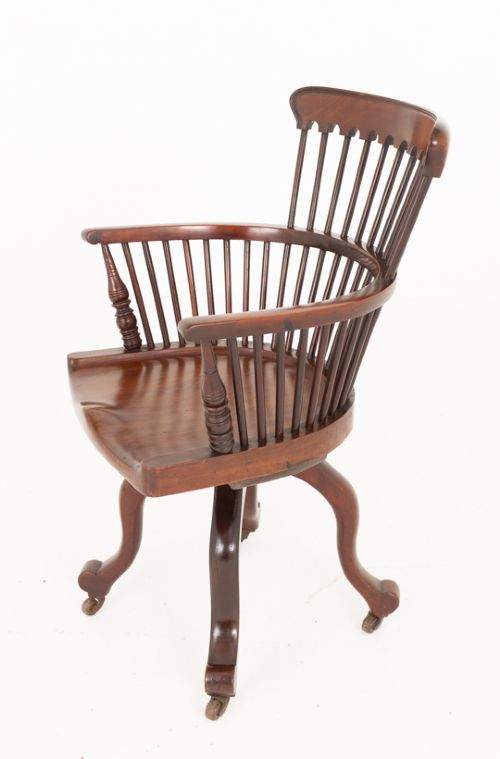
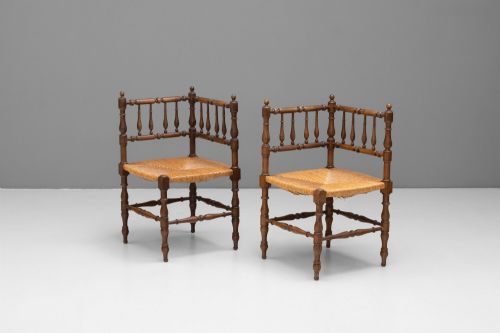
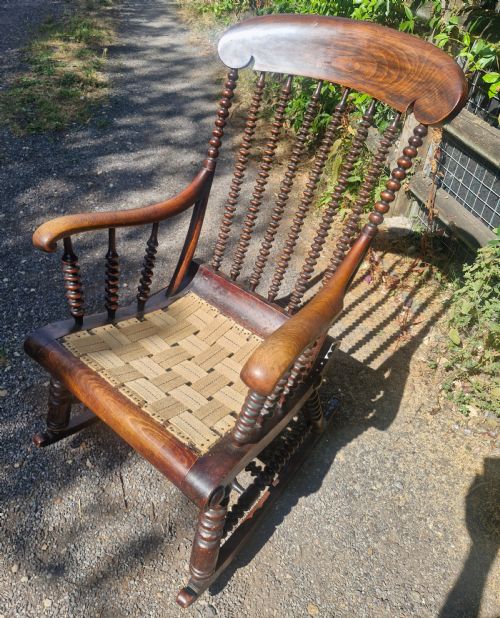
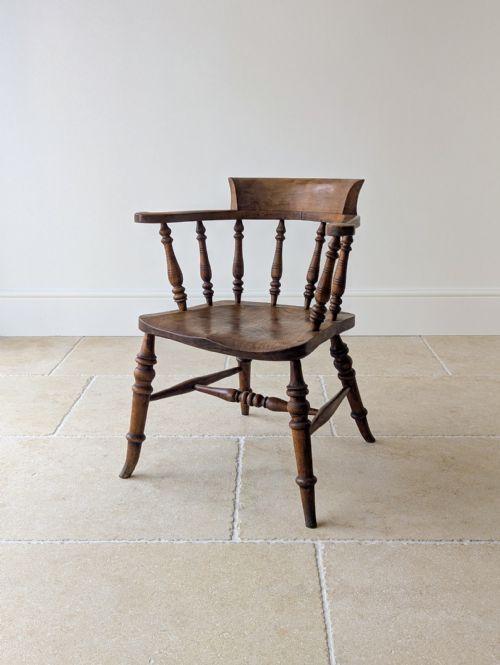
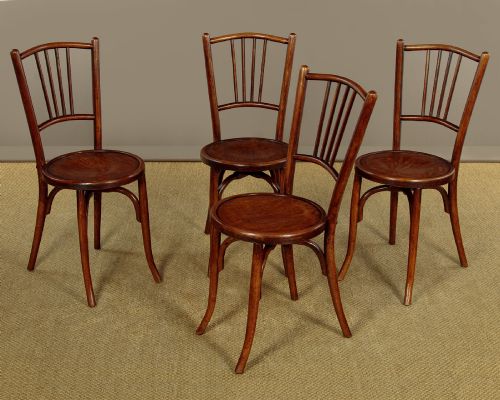
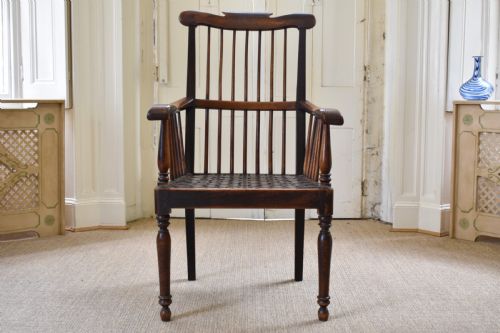
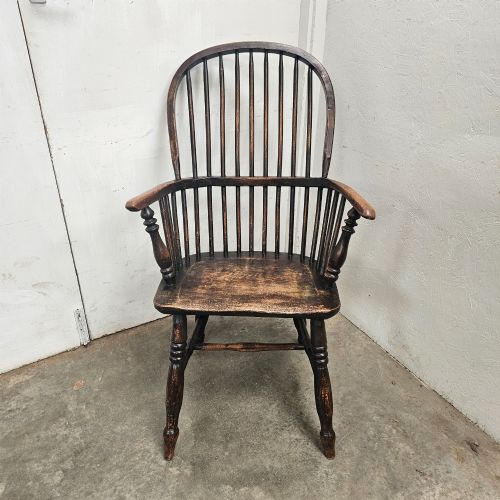
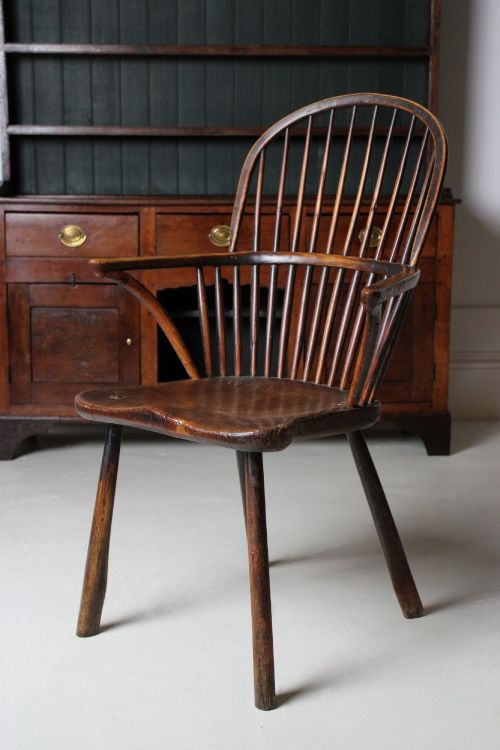
Dark Wood Spindle Chair
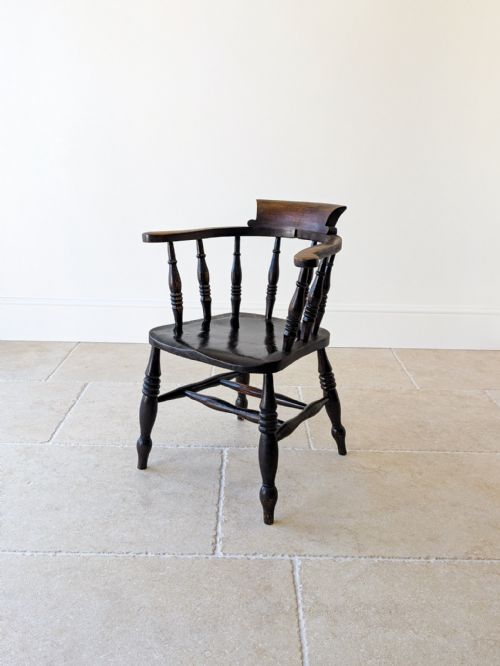
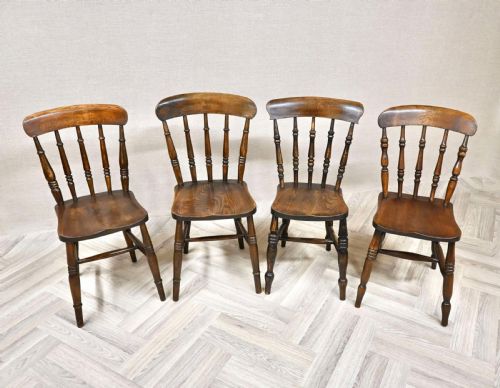
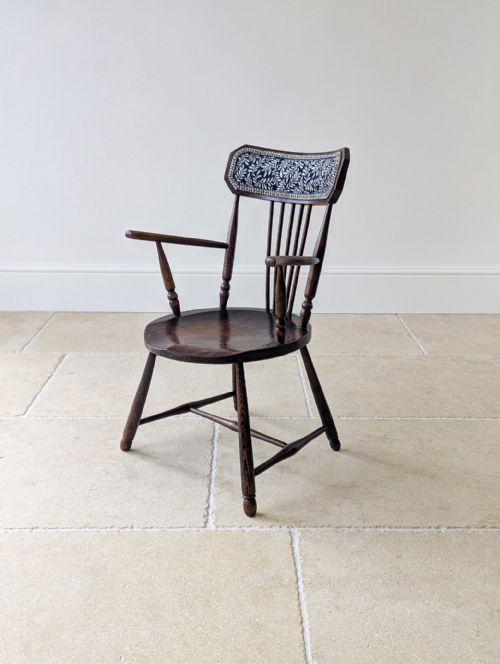
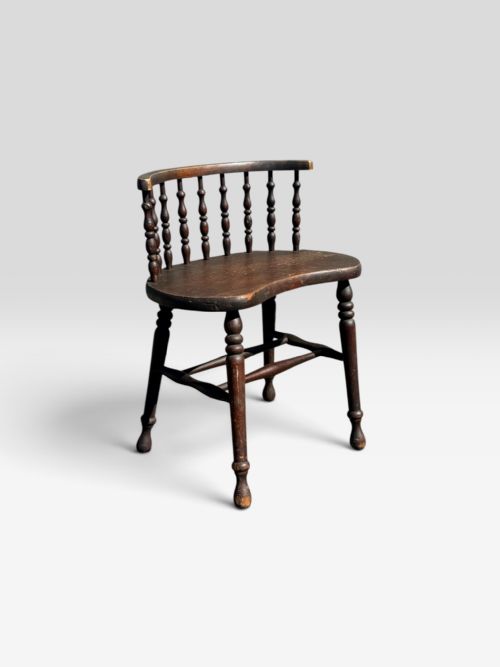
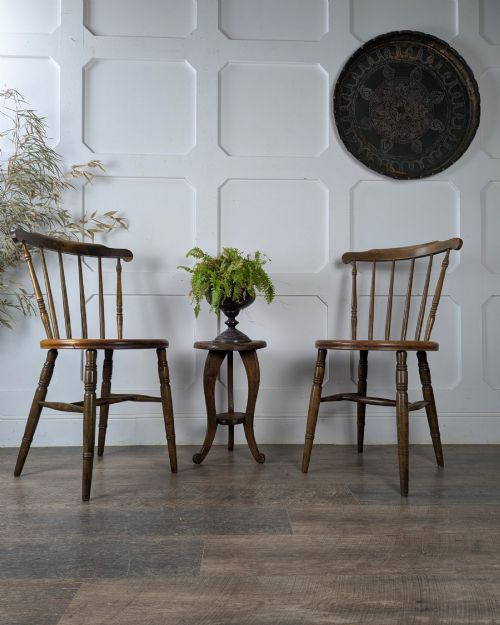
A dark wood spindle chair brings vernacular craft into a room, offering turned uprights and sturdy timber frames built for daily use.
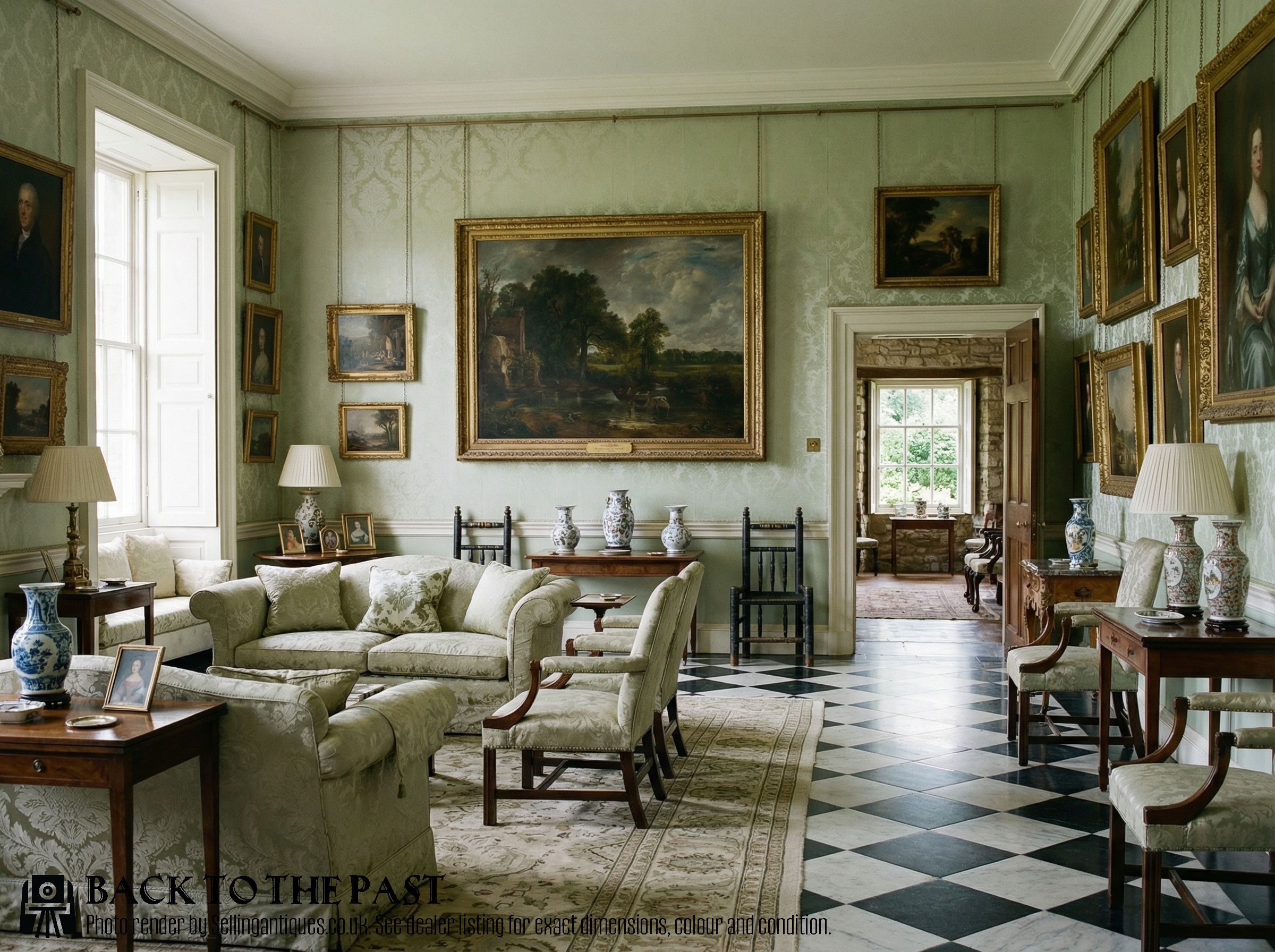
Dark Wood Spindle Chair
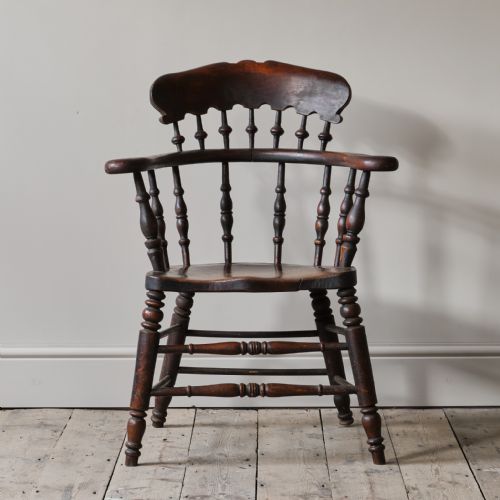
A dark wood spindle chair encompasses a broad range of vernacular and formal seating, from Windsor armchairs to simple dining chairs. The pieces found here span the eighteenth century through to the early twentieth century, taking in Victorian and Edwardian country and town styles.
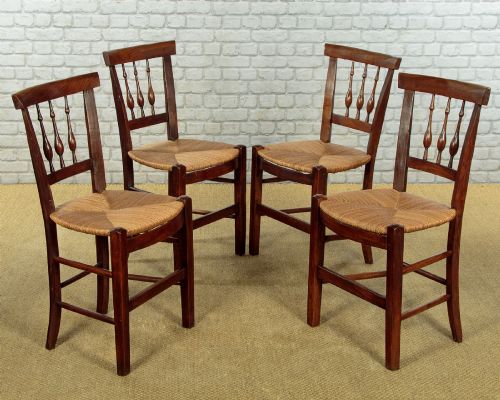
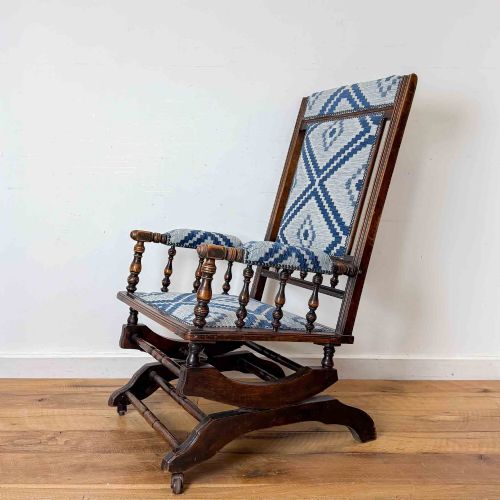
Buyers meet sturdy kitchen chairs, Captain's desks chairs, rocking chairs, and low seaters. Elm, ash, beech, and oak feature heavily in these designs, often paired with rush seats or shaped wooden saddles.
How They Were Made
Constructed from native hardwoods like elm, ash, and beech, these chairs rely on turned spindles fitted into steam-bent or solid wood frames. Joinery typically employs traditional mortise and tenon methods alongside pegged joints to ensure rigidity without metal fixings.
Seats are commonly carved from a single solid plank of elm to form a comfortable saddle, or woven from natural rush over timber frames. Stains and dark finishes were frequently applied to the beech and ash components to unify the contrasting timbers used in a single frame.
Some nineteenth-century rocking chairs were built specifically for nurseries, ensuring tired parents could soothe infants without creaking timber waking the house.
What Varies in Quality
The integrity of the structural joints dictates the longevity and standing of each piece, as dry timber can lead to loose spindles and wobbling legs. Chairs retaining their original surface patination and uncompromised turned members command greater respect than those stripped or heavily restored.
The choice of timber combinations and the complexity of the spindle turnings signal the maker's intent, whether intended for a modest kitchen or a formal parlour. Regional variations in the shaping of the comb backs and arm bows also separate standard workshop output from exceptional vernacular pieces.
E W Godwin·Liberty and Co·Duncan McKellar
The Dark Wood Spindle Chair Glossary
- Spindle
- A slender, turned wooden rod used as a decorative and structural upright in backs and legs. Multiple spindles distribute weight evenly across the curved frame.
- Windsor
- A chair built with a solid wooden seat into which the legs and back spindles are inserted directly. These frames often feature bow backs or comb backs.
- Vernacular
- An architectural or craft style rooted in local traditions and regional materials rather than formal academic design. These objects serve practical domestic needs.
- Rush
- Dried marsh grass woven tightly to create a flexible, textured seat pad. This technique appears frequently on country dining chairs and armchairs.
- Smoker's Bow
- A low-backed Windsor armchair with a continuous curved arm rail resting on short spindles above the seat. This form became common in nineteenth-century smoking rooms and offices.
Dark Wood Spindle Chair: Frequently Asked Questions
How do I date a spindle chair?
Dating relies on observing tool marks, timber shrinkage, and the profile of the turned spindles. Earlier eighteenth-century examples display hand-split components and subtle variances in turning compared to later mass-produced pieces.
Changes in chair geometry, such as the height of the comb back and the shaping of the saddle seat, also shift noticeably between the Georgian and Edwardian periods.
Are these chairs comfortable for daily use?
Most pieces were designed for functional domestic life, featuring ergonomically scooped wooden seats or supportive woven rush pads. Their sturdy hardwood construction handles everyday sitting securely.
Adding a loose cushion can soften the timber seat for prolonged working hours at a desk or dining table.
How do I care for antique timber?
Keep wooden frames away from direct heat sources and drastic humidity changes to prevent the timber from splitting or joints from loosening. Regular dusting with a dry cloth maintains the surface.
Applying a traditional beeswax polish occasionally helps nourish the old finish and preserves the natural lustre of the dark wood.