






Black Painted Wooden Chair
A black painted wooden chair brings domestic utility and striking silhouette together, drawing on centuries of vernacular and formal design.
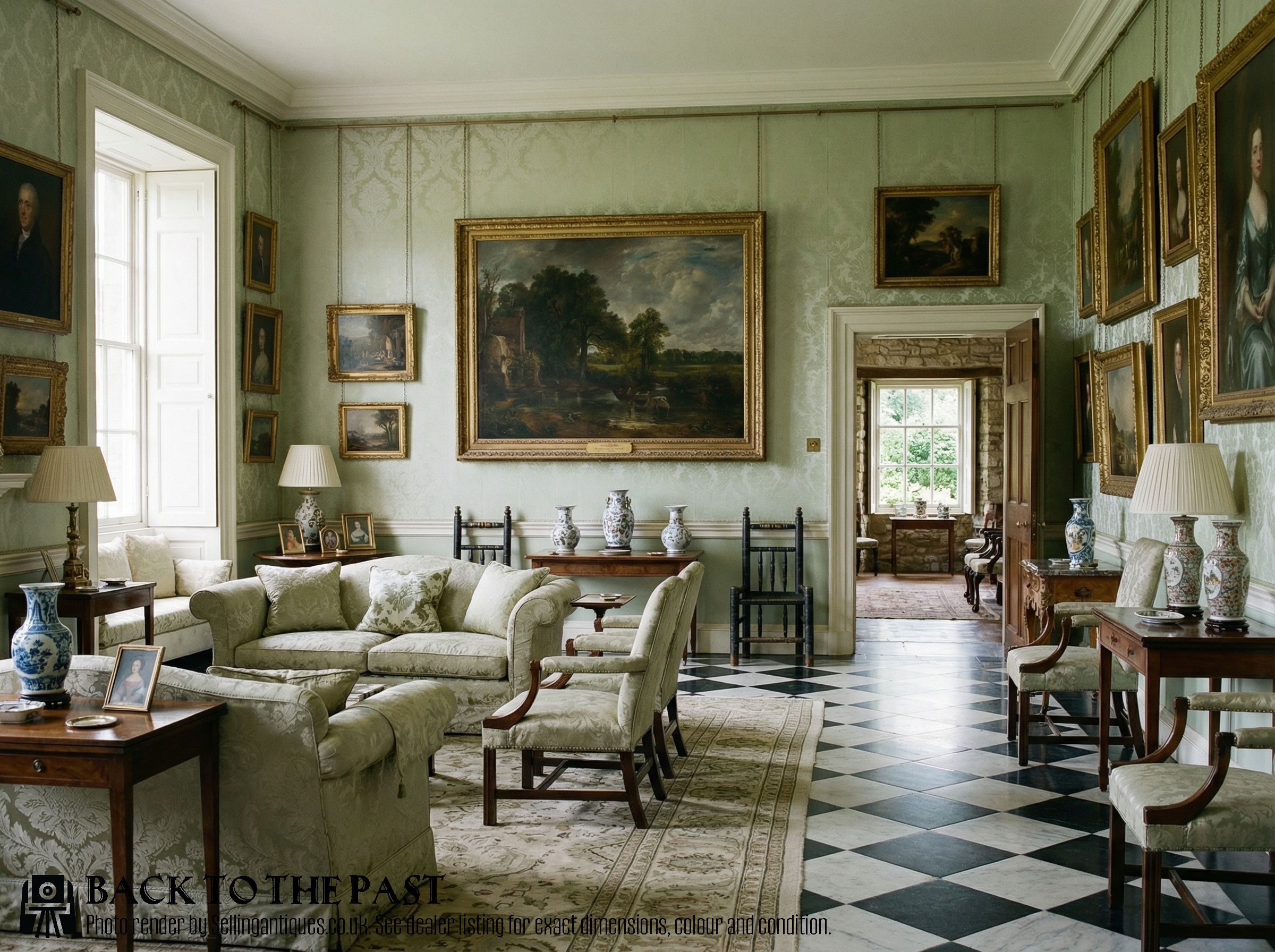
Black Painted Wooden Chair
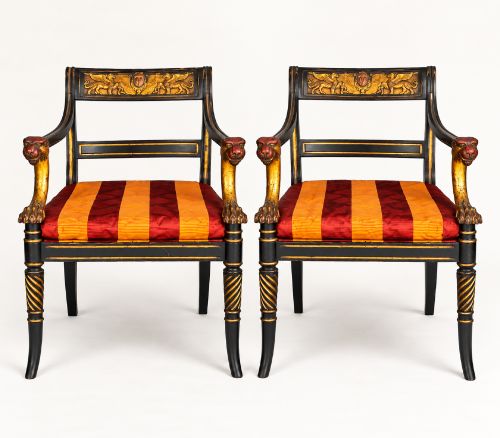
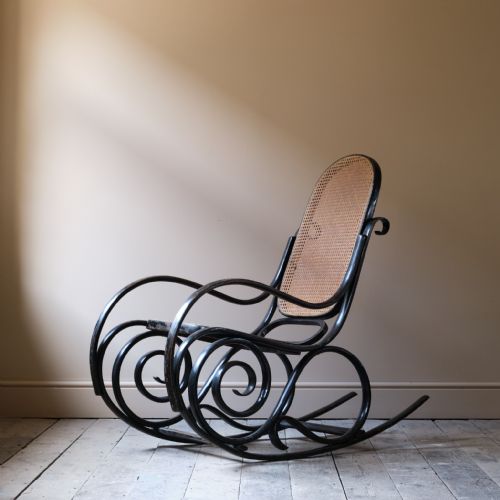
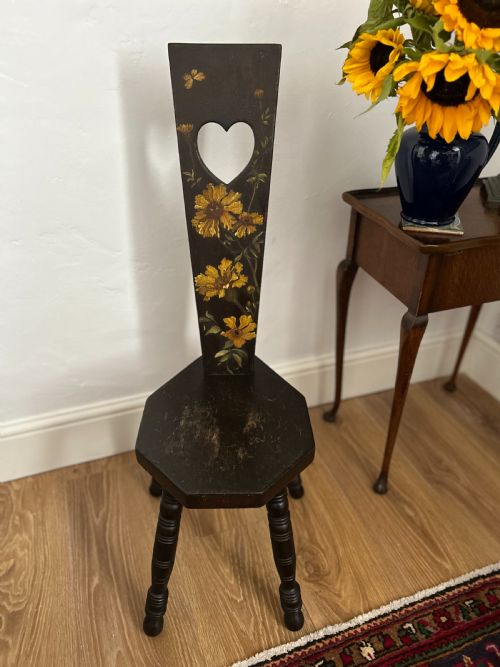
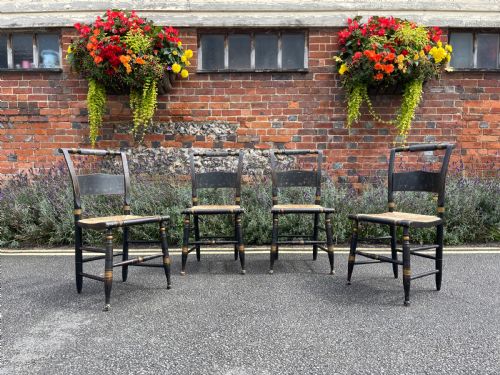
A black painted wooden chair spans rustic country seating and formal revival models from several centuries. When you search for a black painted wooden chair, you encounter forms ranging from Windsor and ladder-back chairs to spinning chairs and rocking variants.
The selection on this page demonstrates regional diversity across European and British Isles traditions, including Irish vernacular pieces, Welsh turned examples, and Swedish rocking models. Makers utilised local hardwoods and softwoods before applying surface colour.
Domestic seating from the eighteenth and nineteenth centuries dominates the available inventory, alongside early twentieth-century interpretations. These items served daily functional roles in kitchens, parlours, and nurseries before entering the collector market.
How they were made
Construction relies upon traditional timber framing, utilising native woods such as beech and various hardwoods shaped by turning, steam-bending, and joinery. Makers selected timber for strength in structural components like legs, stretchers, and spindles.
Surface treatments involve historical applications of paint, ebonising, and hand-painted decoration over plain wood. Surviving examples often display layers of original or subsequent dark finishes that protect the underlying material while defining the aesthetic.
Black Painted Wooden Chair Retail Price Guide 2026
Typical asking prices for black painted wooden chair among the pieces listed under this phrase on Sellingantiques today, from the lower quarter to the upper quarter. They describe what is for sale here now, not the wider market.
Current listings span the eighteenth, nineteenth, and early twentieth centuries, featuring beech, cane, and painted timber.
What varies in quality
The distinction between standard utility seating and exceptional examples lies in the integrity of the original surface and the sophistication of the turning or joinery. Pieces retaining untouched early paint layers hold greater interest than those stripped and refinished.
Proportion and regional character dictate desirability, with particular attention given to vernacular details such as block feet, spindle arrangements, and comfortable saddle seats. Finer workshop production shows greater precision in construction while retaining regional charm.
The Black Painted Wooden Chair Glossary
- Vernacular
- Everyday furniture made by local craftsmen for regional use rather than high-style metropolitan workshops. These items reflect traditional local construction methods and available materials.
- Windsor
- A chair built with a solid wooden seat into which the legs and back spindles are direct-inserted. This construction provides robust stability.
- Ebonised
- Wood finished to imitate ebony through staining, painting, or chemical treatment. This technique gained popularity during the Victorian period for formal and decorative seating.
- Spindle
- A slender, turned piece of wood forming part of a chair back or leg. Spindles contribute to both structural support and visual lightness.
Black Painted Wooden Chair: Frequently Asked Questions
How do I date a black painted wooden chair?
Dating relies upon examining construction marks, timber types, and the method of joining components together. Hand-turned spindles and tool marks often indicate earlier manufacture.
Surface analysis helps determine whether the black paint is an original finish or a later application. Wear patterns around the footrests and seat edges provide further clues to age and usage.
Were these chairs meant for everyday use?
Most of these chairs were produced as practical seating for kitchens, cottages, and farmhouses. Their sturdy construction suited daily domestic tasks.
Over generations, many transitioned from utility items to decorative pieces within the home. Their durable wooden frames allow them to remain functional today.
Should I remove flaking paint?
Preserving original surface layers is generally preferred by collectors, even when the paint shows age and wear. Removing historical finish can diminish the character and historical value of the piece.
Stabilisation by a professional restorer is recommended if the paint is actively separating from the wood. Gentle cleaning preserves the patina accumulated over centuries.
What is the difference between vernacular and revival styles?
Vernacular chairs were made by local joiners to meet immediate regional needs without reference to formal academic design. They display idiosyncratic local traits.
Revival pieces, such as Chippendale revival models, consciously copied historical high-style furniture from earlier centuries. These later interpretations often incorporated decorative flourishes absent in basic country seating.