

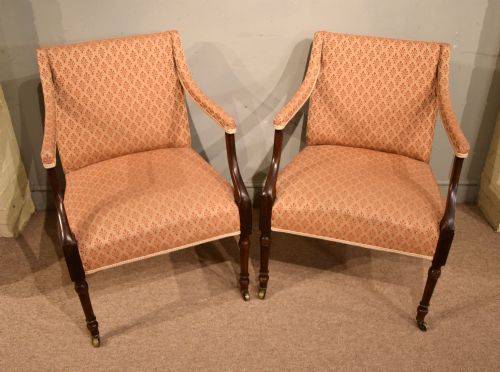
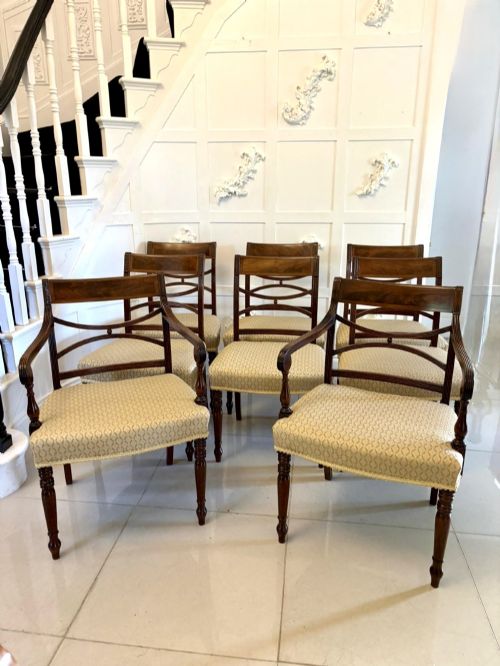
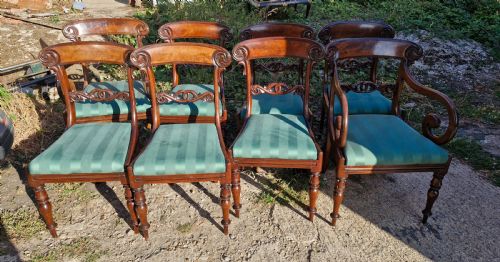
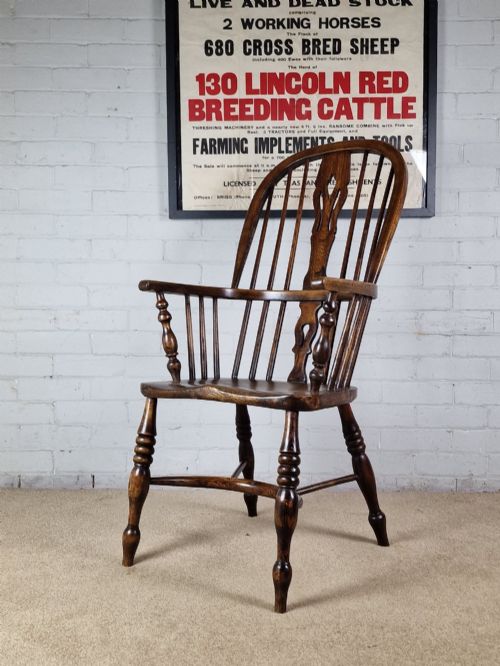
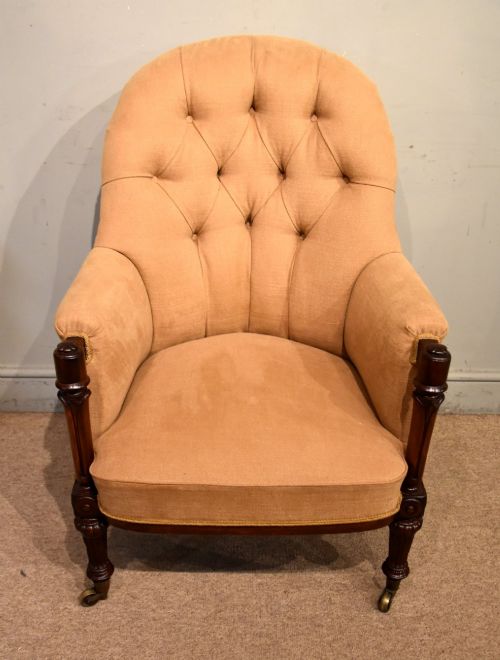
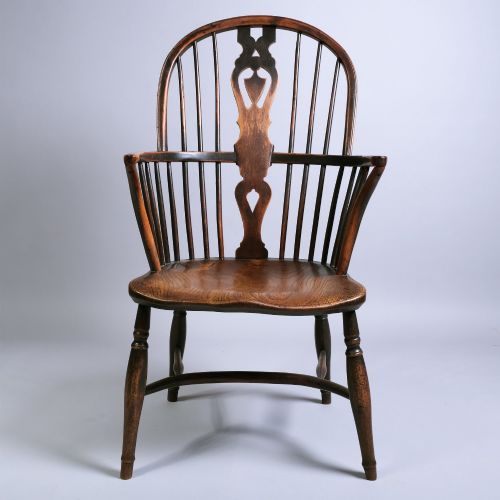
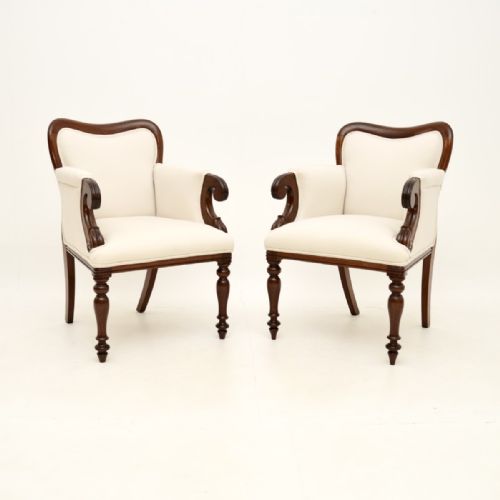
Georgian Turned Armchairs
Georgian turned armchairs bring honest vernacular construction into domestic spaces, offering sturdy timber frames and classic spindle details that collectors prize.
Georgian Turned Armchairs
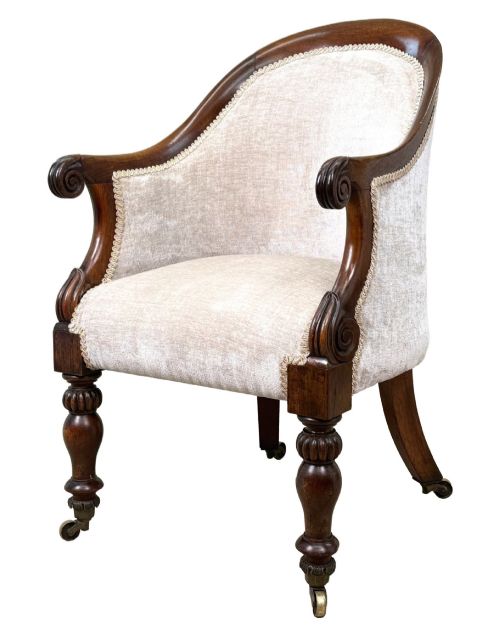
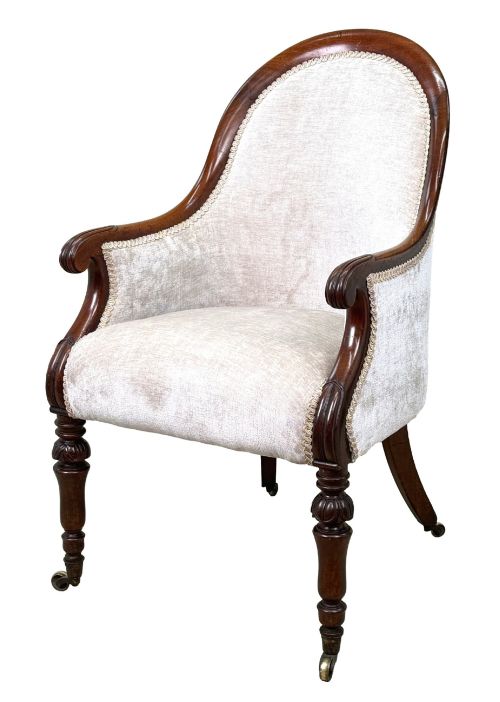
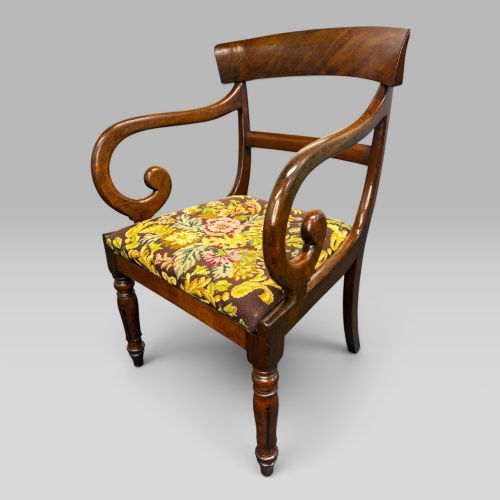
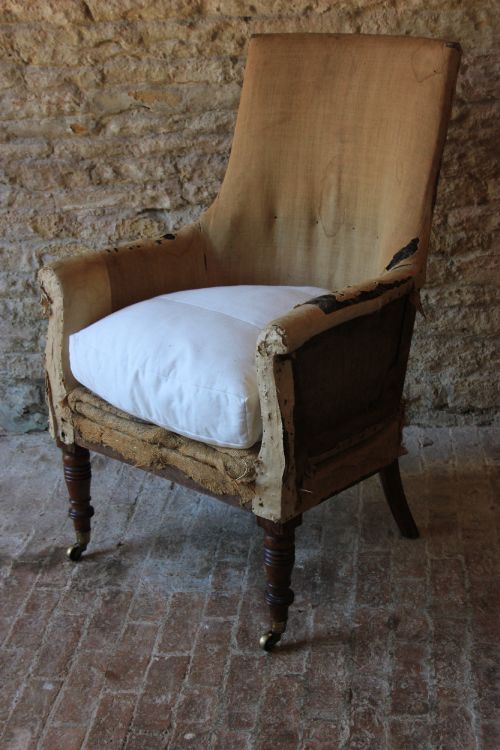
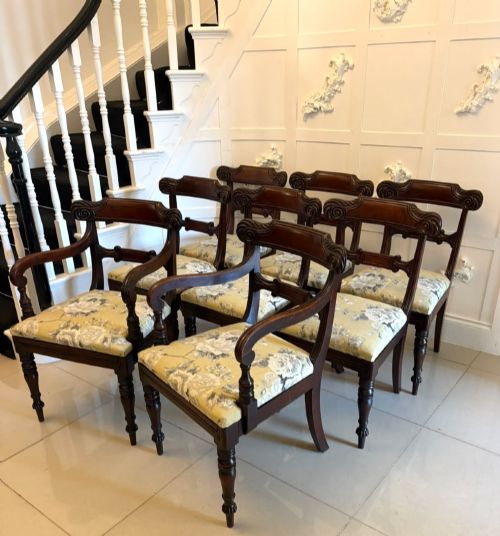
When searching for georgian turned armchairs, buyers encounter seating rooted in country vernacular traditions alongside formal Regency and George III library designs. The selection spans robust Windsor forms, spindlebacks, and solid elbow chairs intended for everyday utility.
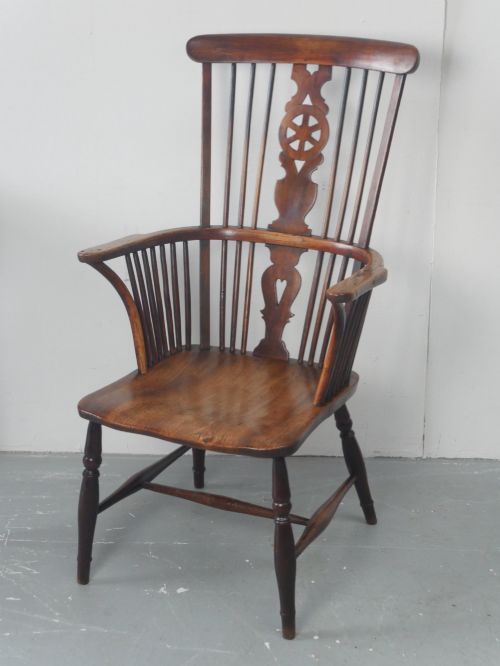
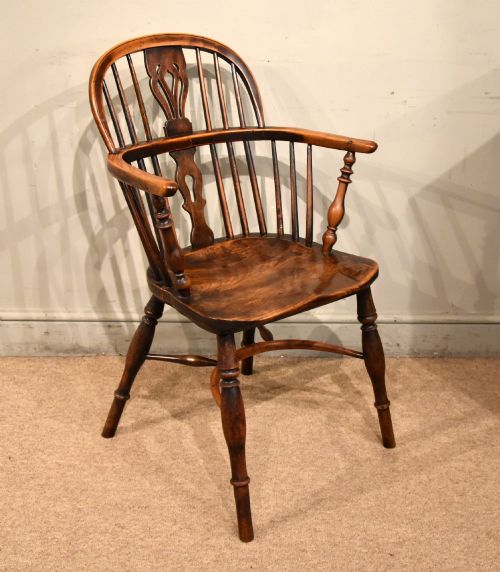
Most examples meet on this page hail from the nineteenth century and the Georgian period, utilising traditional regional framing. Forms range from low-back and hoop-back Windsor variations to rush-seated ladderbacks and library carvers.
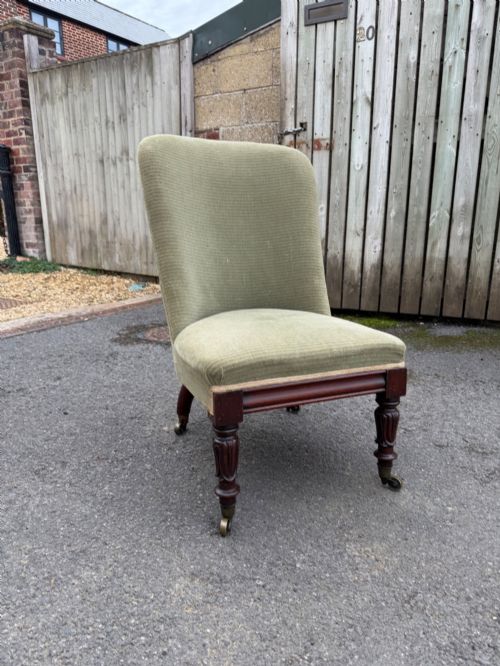
Makers shaped these items for practical longevity, producing sturdy rocking chairs, children's seating, and heavy desk chairs. Elm, ash, and mahogany dominate the structural design, paired with rush or upholstered seats.
How they were made
Craftsmen utilised native timbers like elm, ash, and yew for the turned spindles, legs, and bentwood components of country seating. Mahogany and rosewood appear in formal Regency and library armchairs, demonstrating finer cabinet-making techniques.
Turned components relied on lathe work to shape structural stretchers and spindles, while steam-bending formed the arched hoop backs of Windsor chairs. Joinery incorporated wedged mortise and tenon joints to secure the seat boards without modern adhesives.
Seats were frequently carved from solid elm or woven from natural rush, occasionally finished with brass details or fabric upholstery. Original surfaces range from bare aged timber to remnants of early paint.
Listings feature eighteenth and nineteenth-century pieces, including Regency and Victorian eras, constructed from elm, ash, mahogany, yew, and rush.
What varies in quality
The sophistication of the turning work and the choice of timber dictate the standing of individual pieces. Well-figured yew wood and crisp, deep lathe turnings elevate country chairs above basic utility items.
Proportion and structural integrity separate standard examples from superior survivals. Retaining original rush seating, early paint surfaces, and unclipped legs preserves the authentic character demanded by discerning buyers.
The Georgian Turned Armchairs Glossary
- Windsor chair
- A wooden armchair featuring a solid sculpted seat into which the legs and back spindles are directly inserted. This form utilises turned components and bentwood bows.
- Crinkle stretcher
- A curved horizontal support joining the legs of a chair together for added stability. It is often found on vernacular country seating from specific English regions.
- Rush seat
- A seating surface woven from dried marsh rushes, common in traditional country chairs. It provides a flexible and durable platform.
- Elbow chair
- An armchair with wooden armrests, frequently produced as part of a dining set or for library use. These items provide sturdy support during prolonged sitting.
- Hoop back
- A continuous curved wooden piece forming the top rail and arms of a Windsor chair. This element is typically steam-bent from a single piece of ash or yew.
Georgian Turned Armchairs: Frequently Asked Questions
What is a turned armchair?
A turned armchair is a seating form constructed primarily from cylindrical wooden members shaped on a lathe. These components form the structural framework, legs, and back spindles of the chair.
Such pieces range from utilitarian country seating to formal library armchairs. They rely on interlocking turned joints rather than heavy upholstery for their visual and structural appeal.
How do I identify a Windsor chair?
A Windsor chair is defined by its thick solid wood seat, into which the undercarriage legs and upper back spindles are bored directly. This construction method dispenses with a traditional frame.
They appear in various regional styles, including hoop-back and low-back configurations. Timbers typically include elm, ash, and yew.
What timbers were used?
Makers selected native British hardwoods depending on the intended function and regional availability. Elm provided strong, splitting-resistant timber for solid seats.
Ash and yew offered the necessary flexibility for steam-bent hoops and turned spindles. Mahogany and rosewood were reserved for formal Regency and library seating.
How should I care for rush seats?
Rush seating requires stable indoor humidity to prevent the natural dried marsh fibres from becoming brittle. Regular gentle dusting keeps the woven strands free from abrasive particles.
Avoid placing these chairs in direct sunlight or damp environments. Protective wax should be applied solely to the wooden frame, keeping moisture away from the woven seat.