
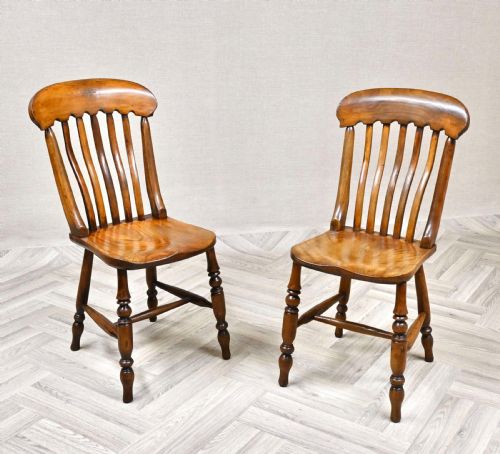
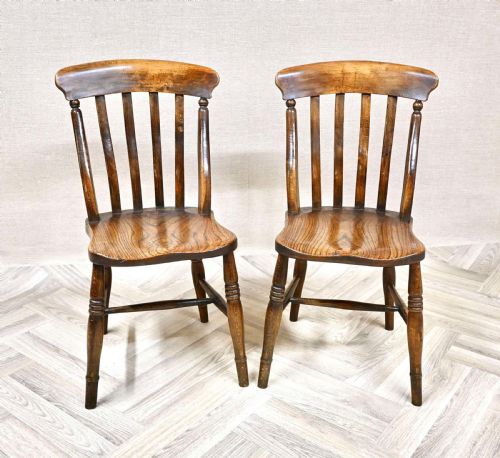
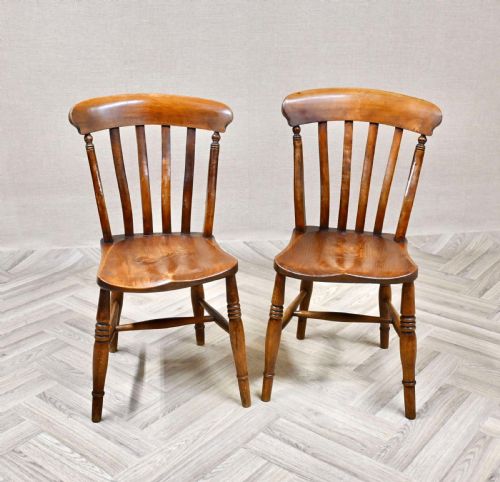
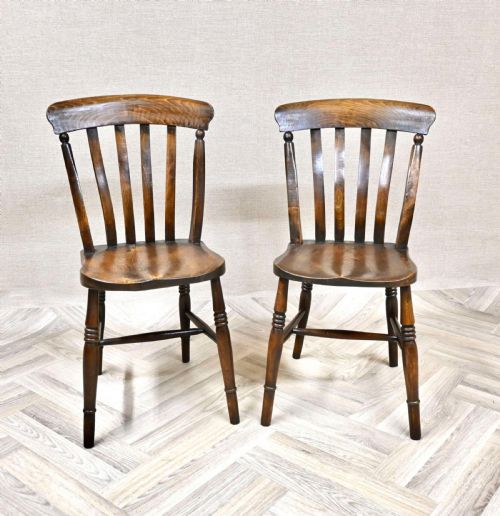
Pair of Country Chairs
When you search for a pair of country chairs, you encounter sturdy timber seating rooted in domestic workshops and rural estates.
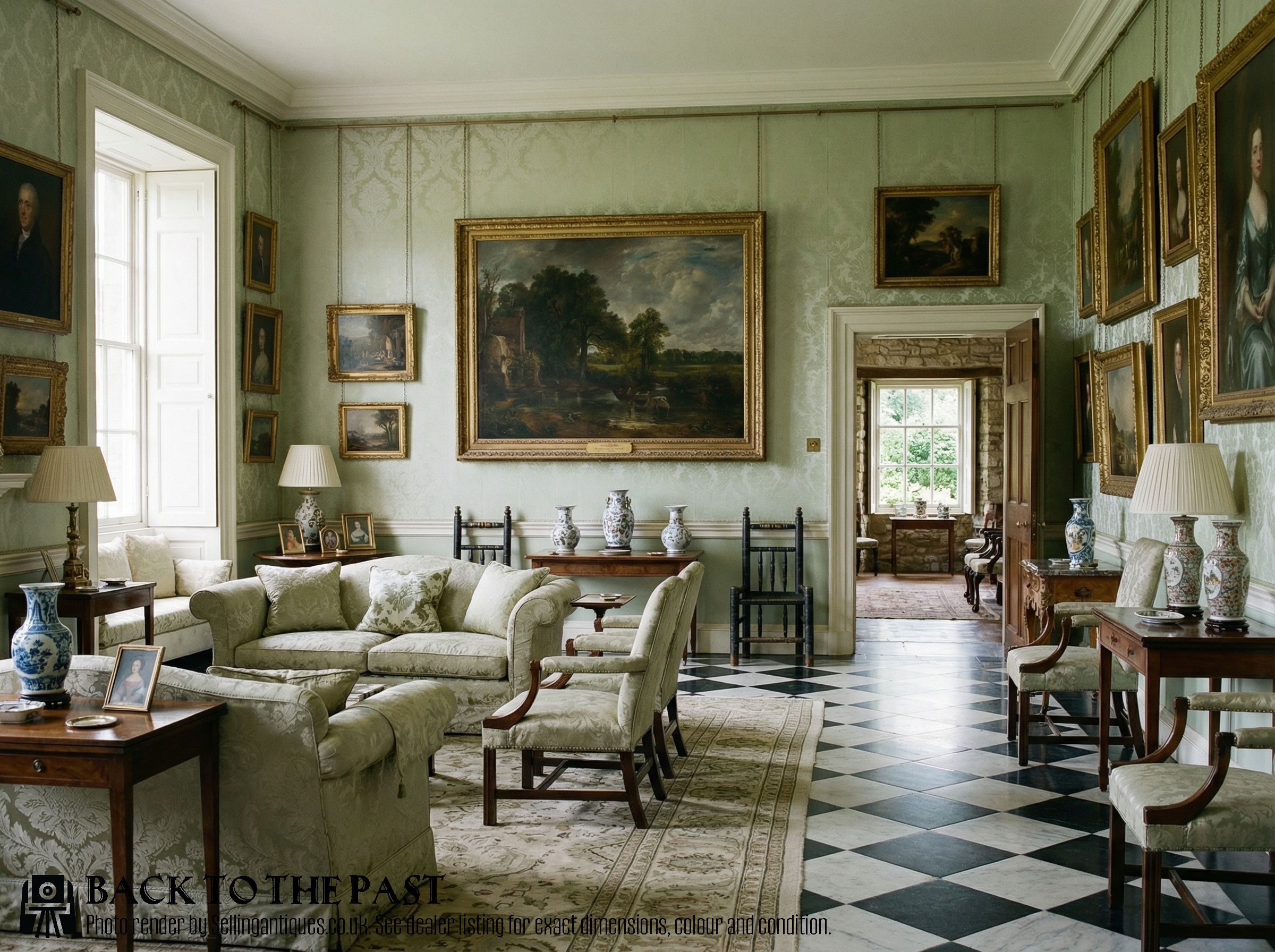
Pair of Country Chairs
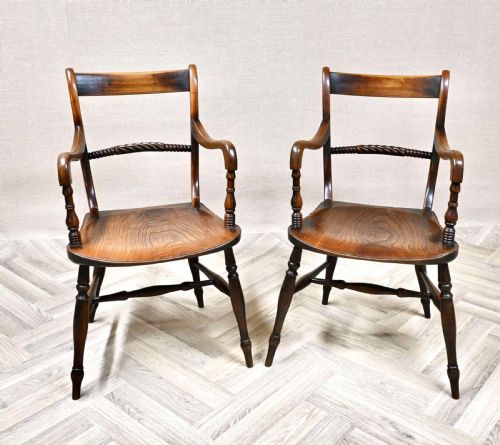
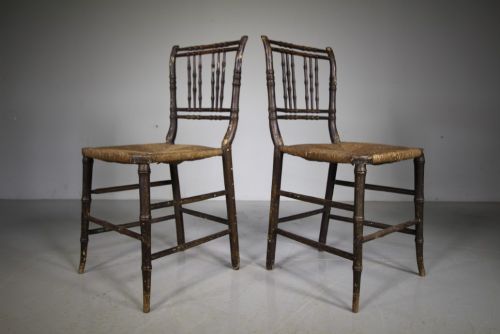
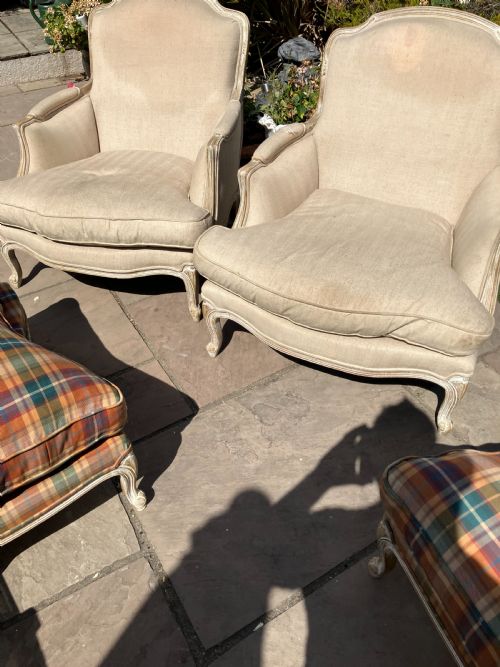
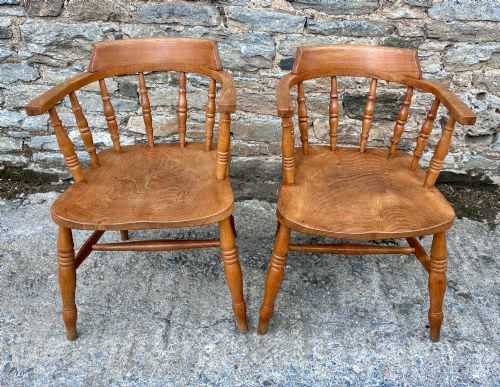
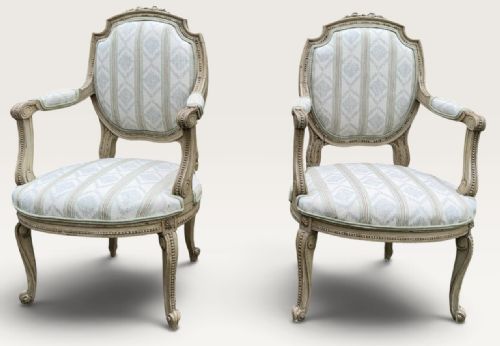
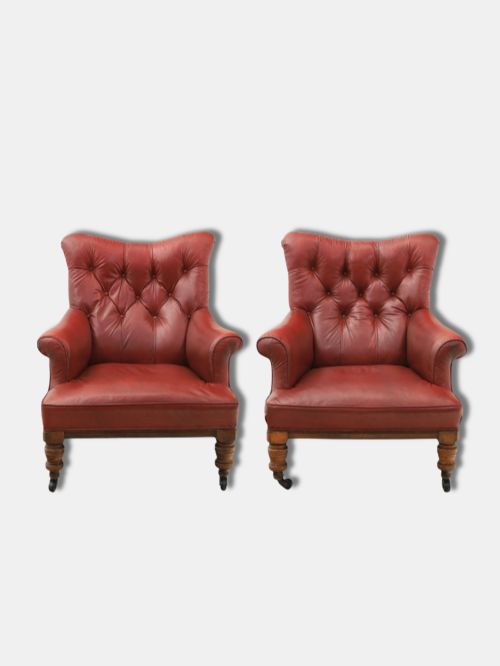
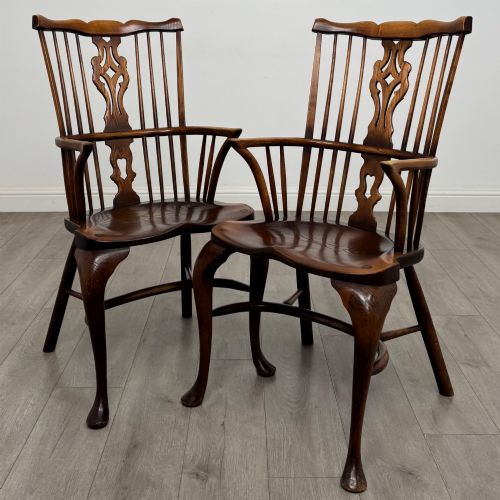
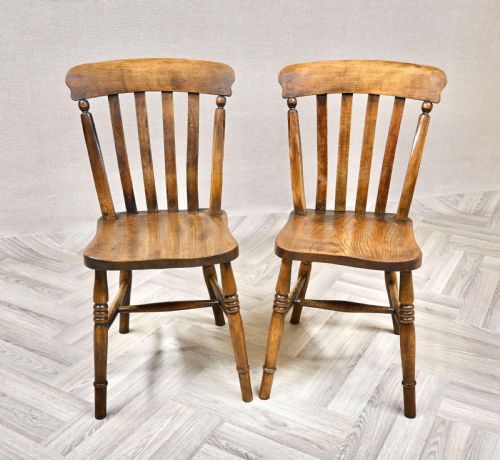
A pair of country chairs covers domestic seating originating from rural homes, farmhouses, and estate properties rather than urban workshops. The selection centres on vernacular forms like Windsor armchairs, spindle backs, and sturdy kitchen or dining chairs made in matching pairs.
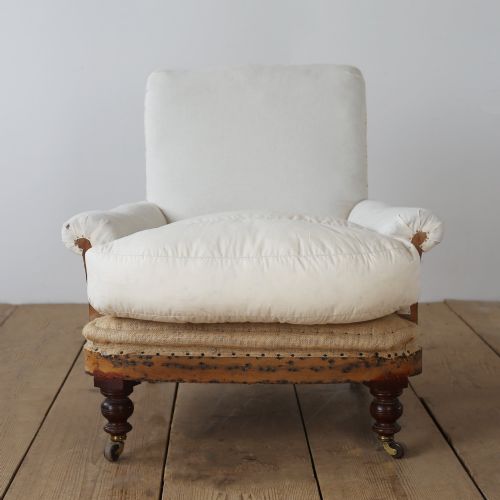
The forms vary from high-backed Windsor chairs and captains' chairs to simpler kitchen side chairs and low slung parlour seating. Each pair shares construction traits and timber choices typical of regional cabinet makers and local bodgers.
How They Were Made
Timbers like elm, oak, ash, and beech form the structural backbone of these rural seats, often utilised in combination for seats, bends, and spindles. Elm provided tough, splinter-resistant timber for carved saddle seats, while ash and beech offered flexible strength for steam-bent components.
Traditional construction relied on wedged mortise and tenon joints, hoop frames, and turned spindles shaped on pole lathes. Many surviving examples retain traces of original paint or wax finishes applied to protect the native woods.
Some nineteenth century captains managed to doze off so thoroughly they left distinct head dents in the low back bows.
What Varies in Quality
Quality rests upon the selection of timber, the integrity of the original construction, and the preservation of surface patination. Matched pairs showing uniform grain, minimal replacement parts, and deep, honest wear command greater interest.
The sophistication of the turning work, the comfort of the saddle-shaped seat, and the balance of the spindle arrangement distinguish vernacular pieces made by skilled regional makers from utilitarian workshop output.
Whytock and Reid·Howard and Sons·Gillows·Holland and Sons
The Pair of Country Chairs Glossary
- Windsor chair
- A wooden chair constructed with a solid elm seat into which the legs, back spindles, and bow are separately socketed. This form relies on the strength of combined timbers for its stability.
- Captain's chair
- A low-backed wooden armchair designed with a continuous curved armrail supported by numerous spindles. These low profiles allowed freedom of movement for writing or dining.
- Spindle back
- A chair back filled with vertical turned wooden rods rather than a solid splat or upholstered pad. This lighter construction method distributes support evenly across the frame.
- Patina
- The surface sheen and colour acquired by wood through decades of handling, polishing, and natural ageing. A rich patina indicates long-term domestic use and proper maintenance.
- Country house style
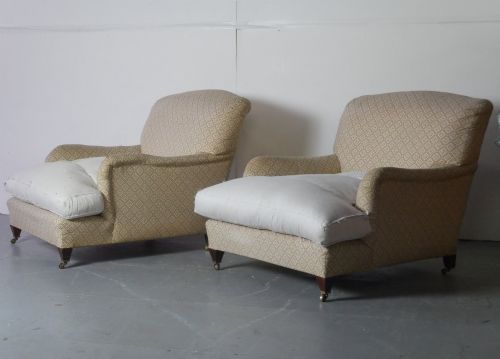
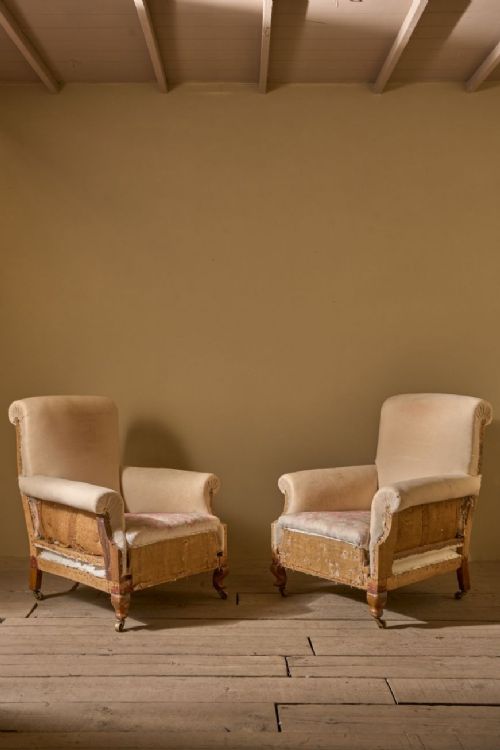
- An interior aesthetic reflecting relaxed, accumulated furnishing rather than formal suite matching. Pieces gathered under this description often combine deep upholstery with practical utility.
Pair of Country Chairs: Frequently Asked Questions
Are these chairs comfortable for daily use?
Many Windsor and kitchen examples offer surprisingly supportive seating due to carved saddle seats and angled backs. Upholstered varieties provide deeper lounging comfort suited to sitting rooms.
Selecting the right pair depends on whether the intended use involves dining tables or relaxed fireside lounging.
How do I identify a matched pair?
Matched pairs share identical timber species, turning patterns, dimensions, and similar wear patterns acquired over time. Minor variations often confirm hand-turned production methods rather than factory uniformity.
Inspecting the underside of the seats reveals construction similarities and tool marks unique to the maker.
What is the difference between kitchen and parlour chairs?
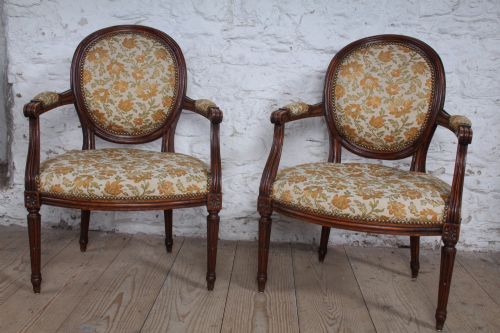
Kitchen chairs prioritise unpretentious utility, featuring solid wood seats and straightforward spindle or lath backs designed for heavy daily wear. Parlour and country house armchairs incorporate padding, fabric coverings, or finer turned details.
Both categories share rural origins but served different social spaces within older homes.
Should I maintain original paint finishes?
Original painted surfaces contribute significantly to the character and historical value of rural seating. Preserving these remnants requires gentle cleaning rather than stripping or aggressive sanding.
Consulting a specialist helps determine the best approach for protecting fragile historical finishes.