


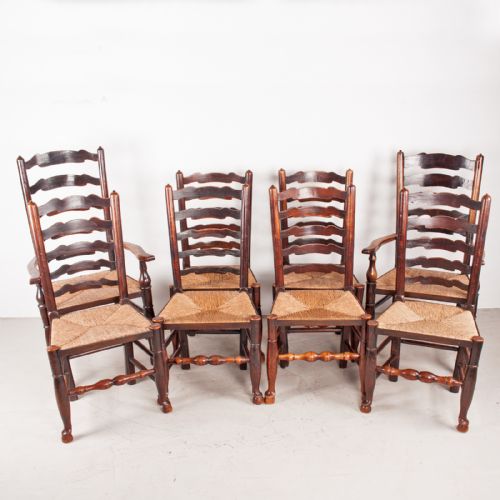


Traditional Ash Dining Chair
A traditional ash dining chair brings honest vernacular craftsmanship and robust timber construction straight into the modern dining room.
Traditional Ash Dining Chair
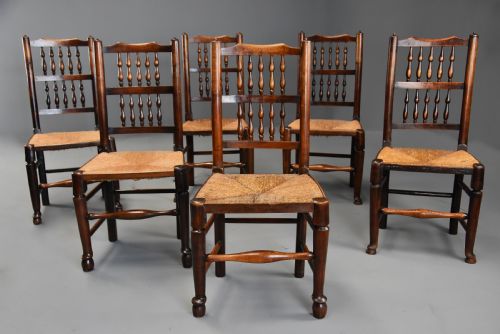
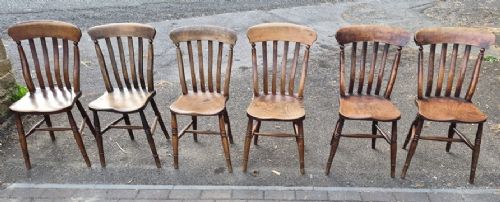
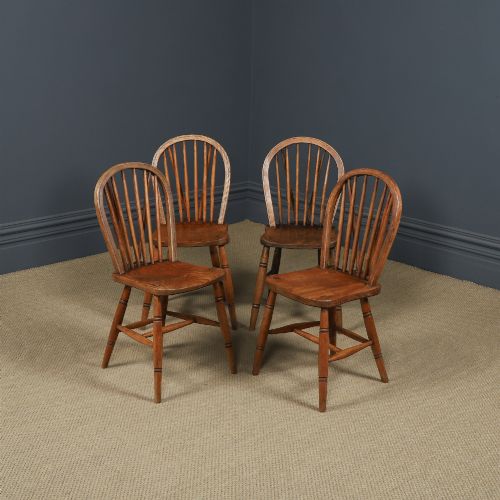
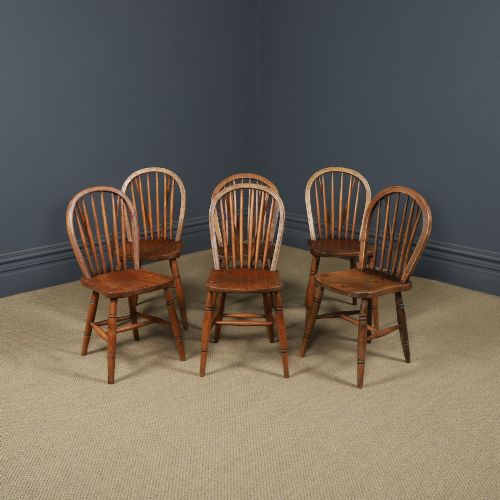
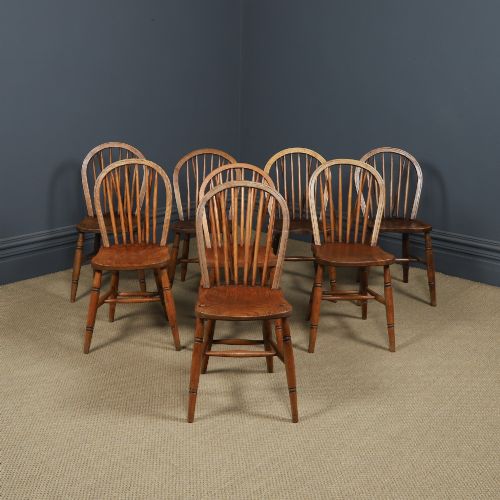
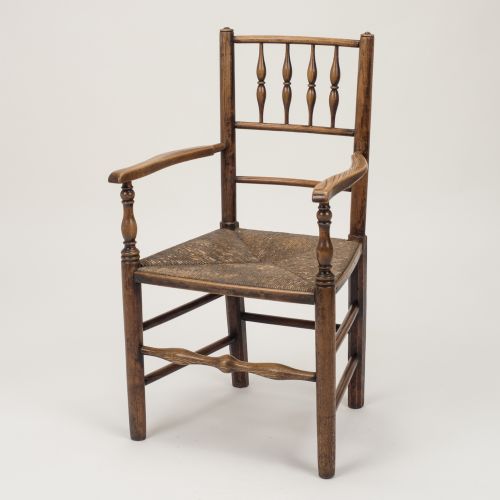
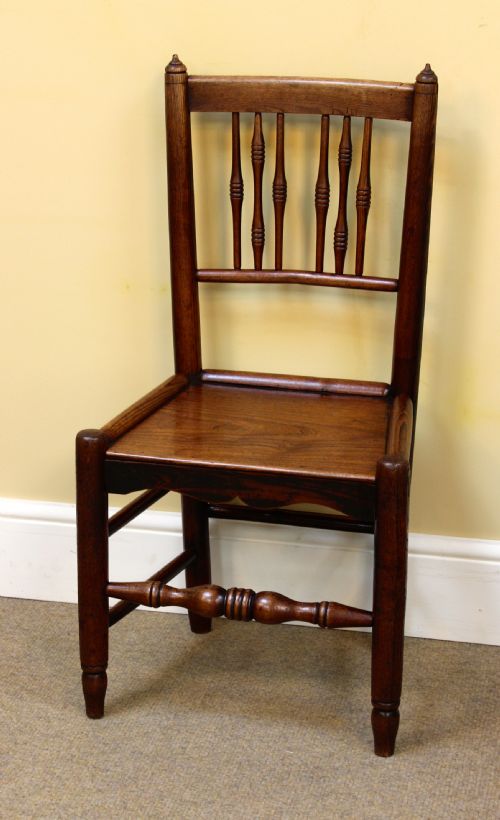
A traditional ash dining chair typically appears as a Windsor, ladderback or spindle-back form rooted in English country vernacular design traditions. Buyers searching this phrase most frequently encounter 19th-century and Victorian kitchen and farmhouse chairs shaped by regional woodworking practices.
These seating pieces span single side chairs, carvers, and larger matched sets originating from districts such as the Thames Valley, Yorkshire, and Lancashire. Materials commonly pair an ash frame with a solid elm seat, alongside rush, plait or wood surfaces.
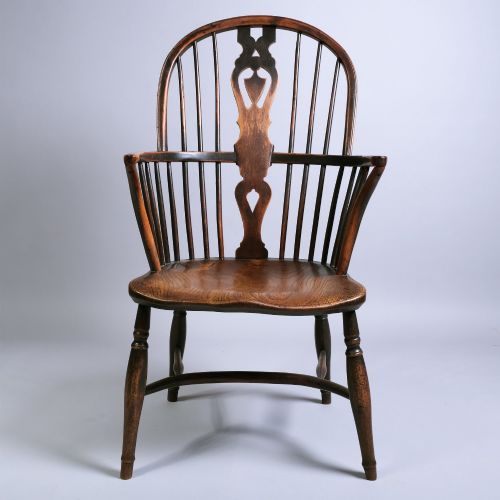
Makers utilised local timbers to build functional furniture for everyday domestic use, resulting in sturdy hoop backs, low backs, and comb back Captain's chairs. Surviving examples range from primitive rustic carvers to refined regional ladderbacks.
Assessing build quality and timber character
Quality rests upon the integrity of the original timber frame, the depth of the seating saddle, and the crispness of the turned spindles. Better pieces retain balanced proportions and tight structural joints without excessive replacement parts.
Surface appearance heavily influences distinction, with superior examples displaying deep natural patination developed through decades of daily use. Lesser items often show heavy timber degradation or unsympathetic modern repairs that obscure the original vernacular character.
The inventory records regional variations such as Thames Valley, Yorkshire, and Lancashire kitchen chairs dating from the Georgian era to the early twentieth century.
Fred Walker Rockley·Lawrence Neal
The Traditional Ash Dining Chair Glossary
- Ash
- A tough, pale hardwood valued for its elasticity and strength in chairmaking. It bends well under steam and forms the structural frame of many country chairs.
- Elm
- A durable, interlocking timber traditionally used for solid chair seats because it resists splitting when nailed or bored. Its dense grain yields a characterful surface texture.
- Windsor chair
- A chair built with a solid wooden seat into which the legs and back sticks are independently inserted. Regional variations include hoop backs, stick backs, and comb backs.
- Ladderback
- A chair featuring horizontal slats or rails between the upright rear posts. These backs often accompany rush seats in farmhouse dining sets.
- Rush seat
- A seating surface woven from dried marsh reeds or straw over a wooden frame. It provides a flexible and supportive base favoured in country vernacular seating.
Traditional Ash Dining Chair: Frequently Asked Questions
How do I identify a Windsor chair?
A Windsor chair is characterised by a heavy solid wooden seat that acts as the central anchor for all other components. The legs and back spindles fit directly into bored holes drilled straight through the plank.
Traditional versions feature steam-bent hoop backs or comb backs constructed in ash and elm. This construction method creates a durable, unified chair frame without traditional box stretchers on every example.
What is a rush seat?
A rush seat consists of natural dried marsh grasses twisted into cords and hand-woven over an internal wooden frame. This technique produces a textured, supportive platform found frequently on country ladderback chairs.
Over time, genuine rush develops a warm golden tone through exposure to light and air. Care involves keeping the woven strands dry and free from excessive moisture.
Are these chairs comfortable for daily dining?
Country chairs were built for practical domestic life, featuring ergonomically shaped wooden seats known as saddle seats. These scooped depressions distribute weight effectively for prolonged sitting.
Adding loose squab cushions can provide extra padding if desired while preserving the original timber surface. Their sturdy ash frames easily handle regular use around a busy dining table.
How do I tell regional styles apart?
Regional variations often manifest in the turning of the legs and the shaping of the back rails. Thames Valley and Yorkshire makers developed distinct Windsor profiles with differing bow shapes and arm designs.
Examining the secondary woods and local building habits helps pinpoint where a chair was made. Spindle details and stretcher arrangements further distinguish Lancashire pieces from southern country models.