

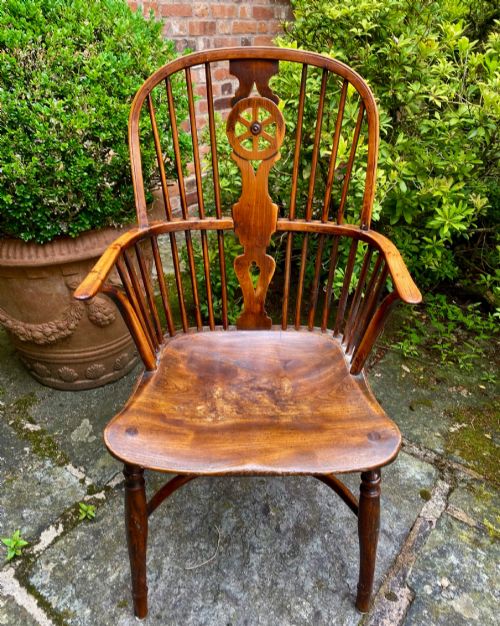
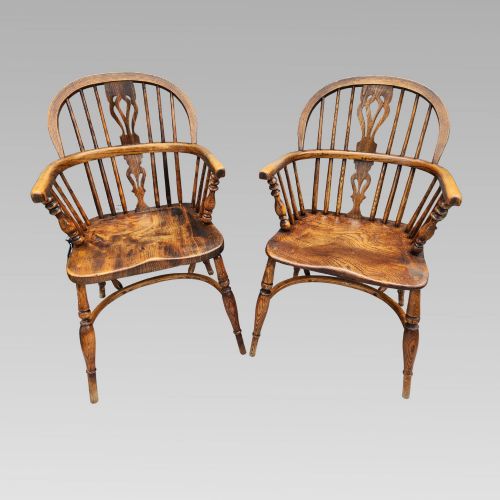

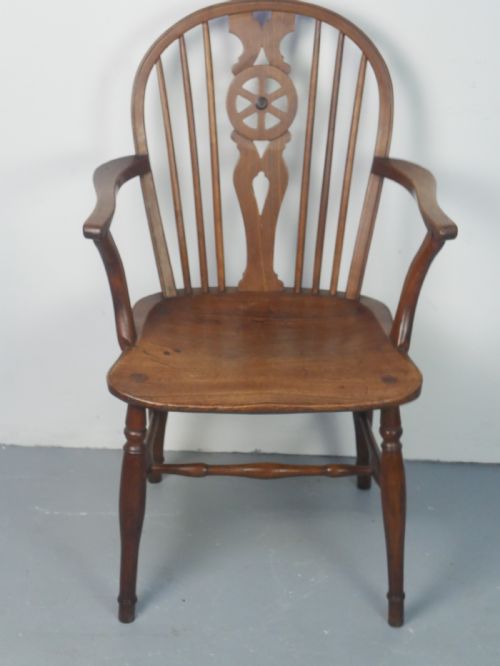
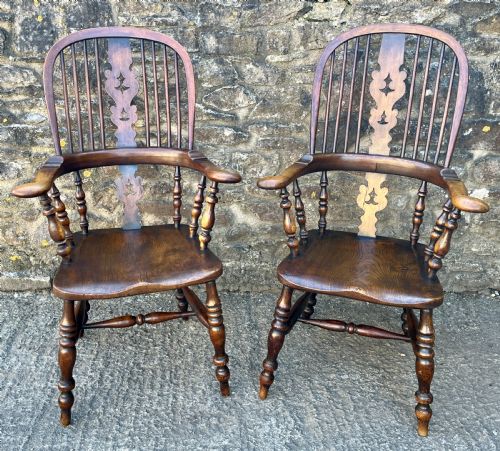
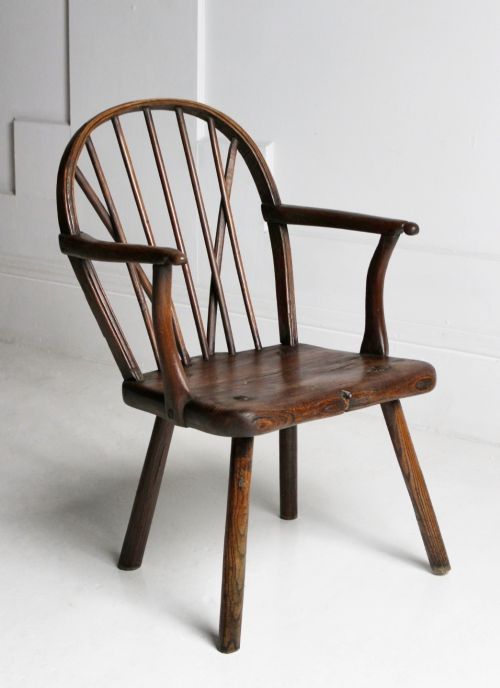

Hoop Back Elbow Chair
A hoop back elbow chair offers robust country seating, combining traditional wood-bent framing with comfortable armrests for daily use.
Hoop Back Elbow Chair
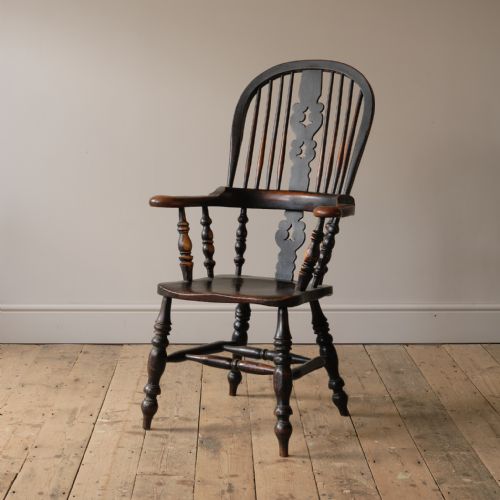
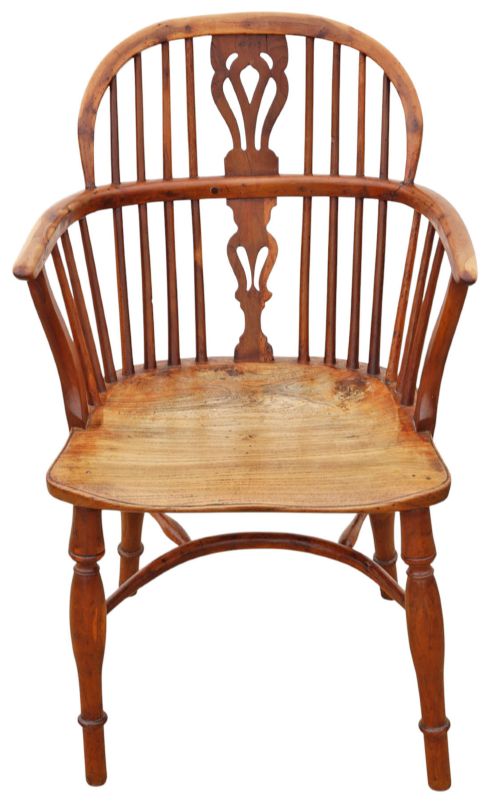
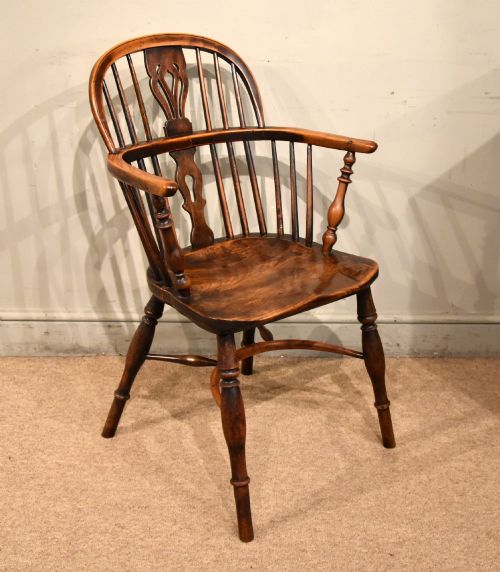
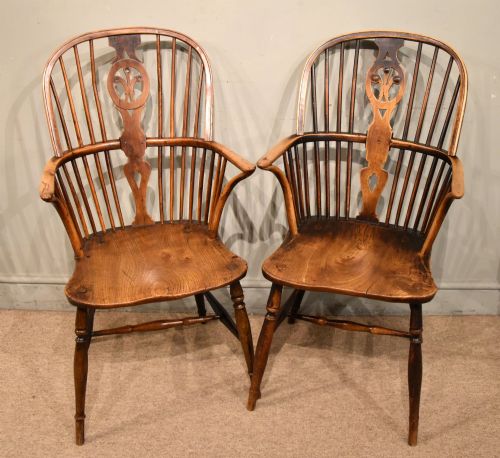
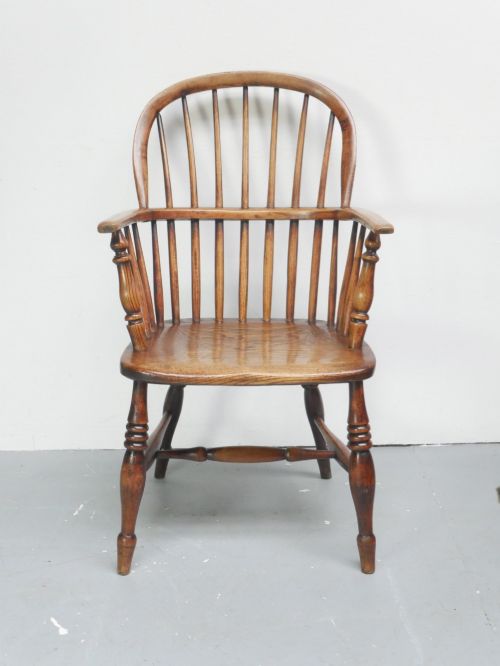
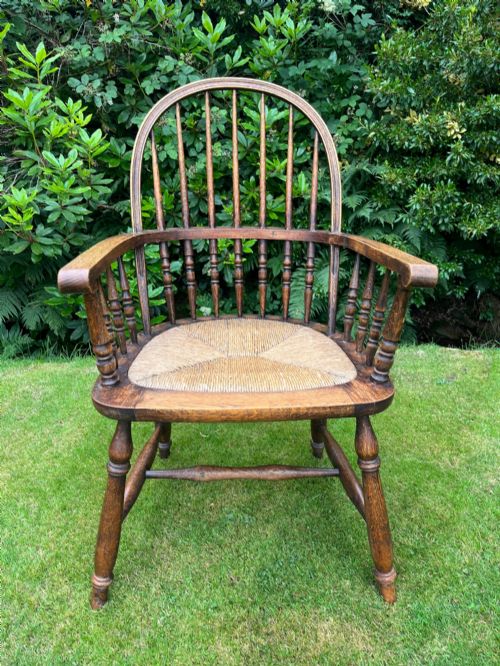
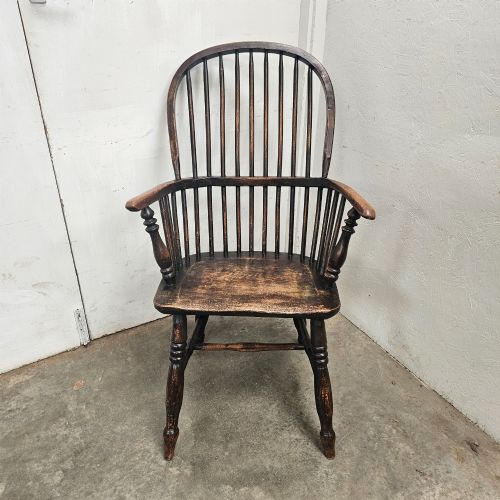
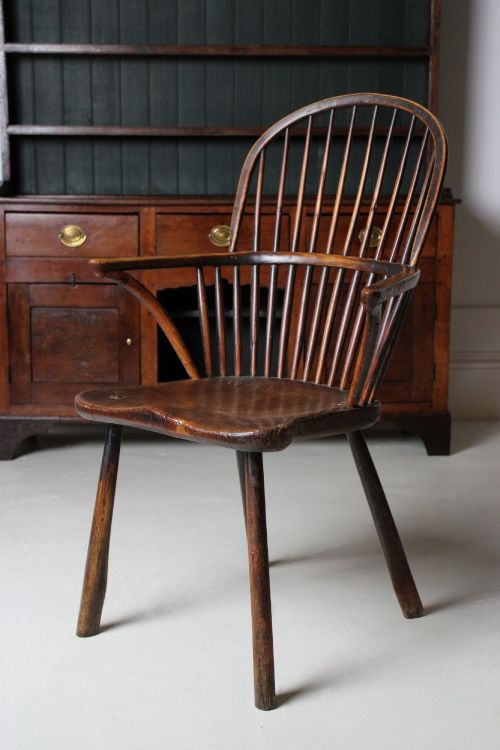
A hoop back elbow chair is a traditional Windsor armchair featuring a continuous bentwood bow or hoop forming the back and arm supports. Buyers seeking a hoop back elbow chair will find pieces spanning the eighteenth, nineteenth, and early twentieth centuries, rooted in English country vernacular furniture traditions. These versatile seats appear in various regional styles, including West Country, Yorkshire, and Scottish variants, as well as broader Victorian interpretations.
The materials and construction reflect utilitarian country craftsmanship, utilising native timbers such as elm, yew, ash, oak, beech, and fruitwood. Many examples employ a combination of woods, pairing elm seats with yew or ash superstructures to balance flexibility and strength. They serve equally as functional armchairs, carver chairs, or decorative elements in traditional and modern interiors.
Materials and construction methods
Makers utilised steam-bending techniques to shape green timber around forms for the continuous back hoops. Elm provided a stable, split-resistant plank for the saddle-shaped seat, while ash or yew supplied resilient spindles and legs.
Construction relied on wedged tenon joints, where legs and back spindles pass directly through the solid wooden seat and are secured with wedges. Surfaces were often finished with plain polish, wax, or historic painted layers, highlighting the natural grain of the timber.
Some provincial makers thoughtfully hollowed out the elm seats so deeply that generations of sitters left them polished to a mirror-like sheen.
Assessing quality and proportion
Quality in a hoop back elbow chair depends largely on the choice of timber and the depth of the seat's sculptural carving. Finer examples display highly figured yew wood, distinct burr grain, or richly patinated elm seats with generous proportions.
Structural harmony also dictates value, seen in the balance of the wheel or spindle arrangement and the retention of original turned undercarriages. Pieces with broad arms or documented maker stamps reflect superior regional workshop standards.
John Moss Worksop·Prior
The Hoop Back Elbow Chair Glossary
- Hoop back
- A single piece of bent timber forming the upper back and armrests of a Windsor chair. This steam-bent bow distributes weight and provides ergonomic support.
- Windsor chair
- A wooden armchair constructed with a solid sculpted seat into which the legs and back spindles are directly tenoned. These chairs originated in rural English workshops before developing into diverse regional forms.
- Elm
- A dense, interlocking timber commonly used for chair seats because it resists splitting when nailed or drilled. Its complex grain pattern contributes significantly to the visual texture of country furniture.
- Yew
- A tough, flexible softwood prized for its rich amber colour and decorative grain, frequently utilised in high-status vernacular chairs. It allowed makers to turn slender, resilient spindles without snapping.
- Carver
- A traditional term for an armchair designed to sit at the head of a dining table or serve as a principal seat in a room. These chairs typically match a set of smaller side chairs.
Hoop Back Elbow Chair: Frequently Asked Questions
What is a hoop back elbow chair?
A hoop back elbow chair is a traditional wooden seating form characterised by a continuous bentwood bow that shapes both the backrest and the arm supports. These pieces combine a solid sculpted wooden seat with turned legs and vertical spindles.
They emerged from English country vernacular traditions, designed to offer sturdy, ergonomic support for daily domestic use. The style encompasses various regional British types produced across the eighteenth and nineteenth centuries.
How do I date an antique Windsor chair?
Dating relies on examining the timber selection, tool marks, construction methods, and regional design characteristics. Earlier eighteenth-century examples often feature heavier undercarriages and deeply dished elm seats, while Victorian pieces show standardised turning and varied wood combinations.
Makers' stamps, burn marks, and the presence of historic surface patination also provide reliable chronological markers. Comparing the spindle arrangement and arm shape to documented regional styles helps narrow the period of manufacture.
Are these chairs comfortable for daily use?
These armchairs were engineered for practical domestic tasks, featuring ergonomically dished wooden seats and supportive back hoops. Their sturdy construction makes them well-suited for regular seating at desks, tables, or in living spaces.
While they lack upholstered cushioning, the contoured wooden seats provide natural support. Adding a loose squab cushion can further enhance comfort for prolonged sitting.
What woods were used to build them?
Craftsmen selected native British hardwoods based on their specific physical properties and local availability. Elm served primarily for solid, crack-resistant seats, while ash, oak, and fruitwood provided strong legs and stretchers.
Yew was frequently chosen for its flexibility and rich decorative grain, particularly in high-back and hoop back variations. Many regional chairs combine two or three of these timbers within a single frame.