

Dark Wood Dressing Table
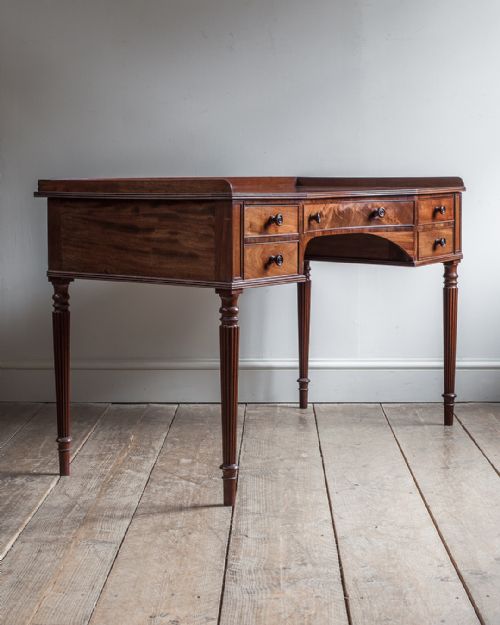
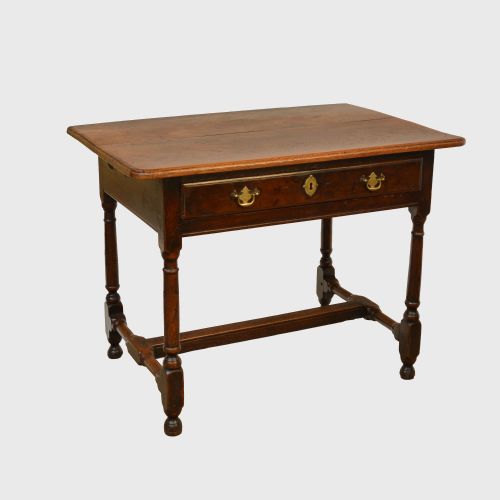
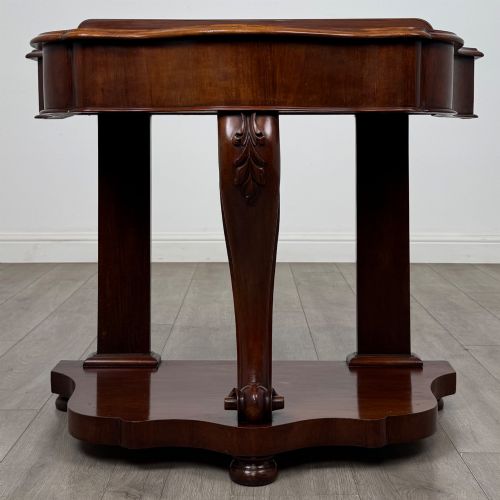
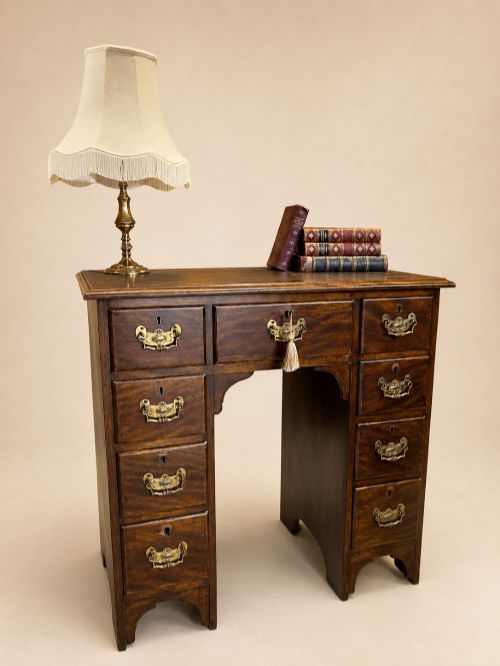
A dark wood dressing table brings deep mahogany, walnut and oak tones into a bedroom through centuries of cabinet-making.
Dark Wood Dressing Table
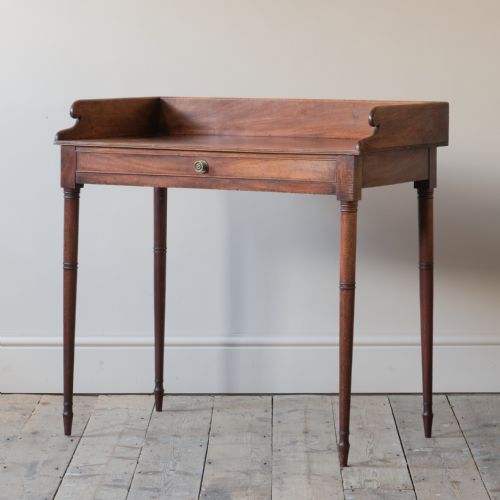
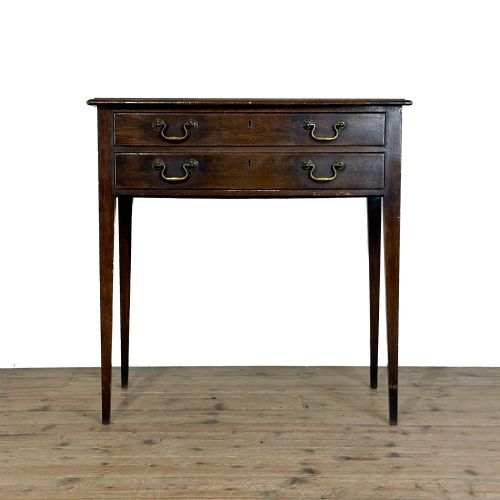
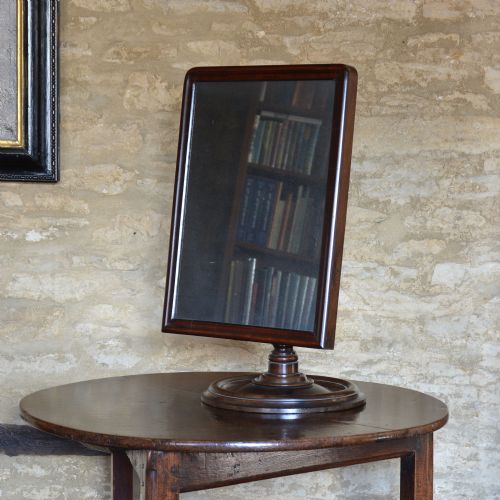
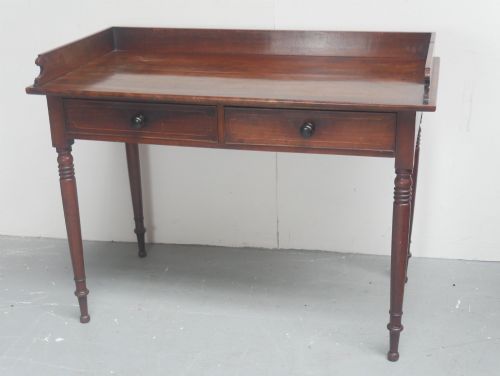
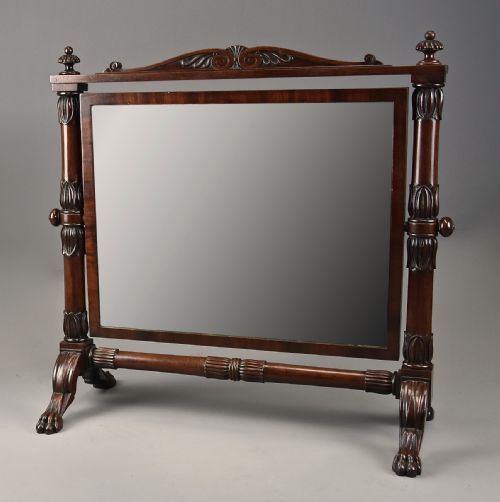
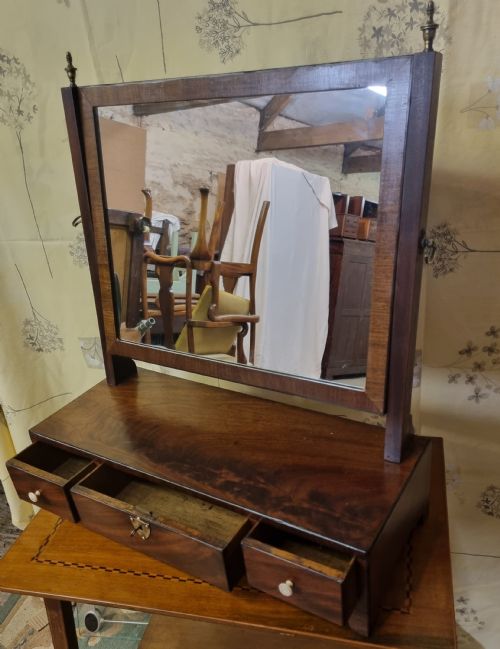
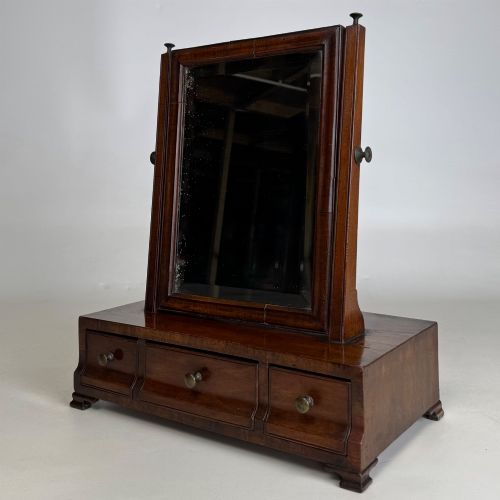
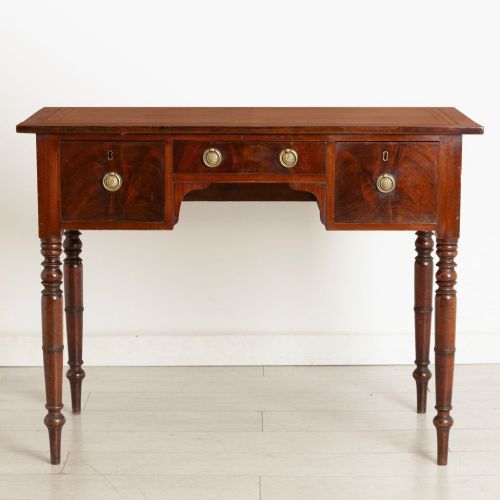
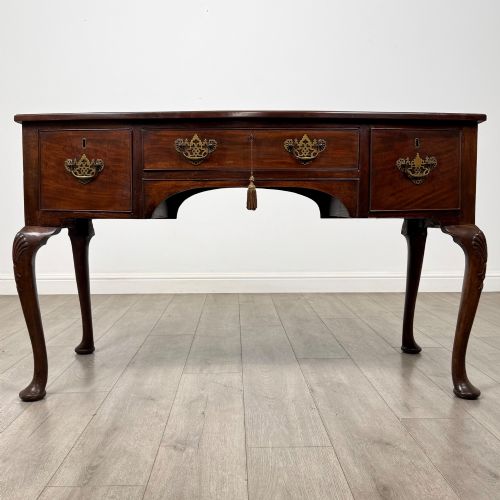
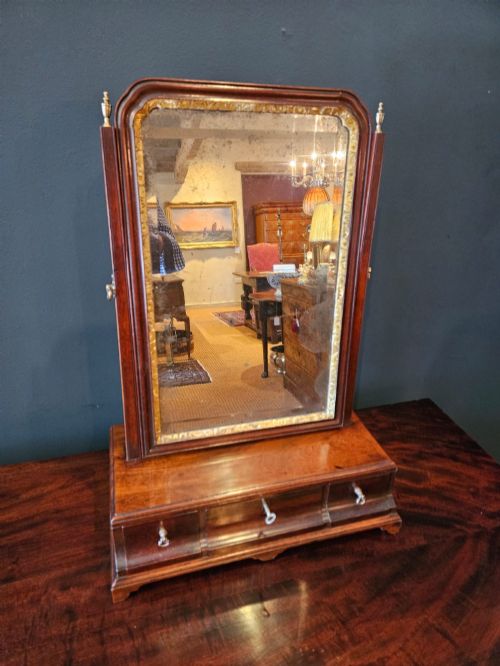
A dark wood dressing table search encompasses various forms including lowboys, toilet mirrors, washstands and writing desks spanning from the 17th century through the Edwardian era. You will frequently encounter mahogany and oak pieces from the Georgian and Victorian periods, often equipped with drawers or original glass mirrors.
The pieces on this page range from compact shaving stands to large kneehole desks and cheval mirrors. Makers such as Heal & Sons and Gillows appear alongside pieces in the manner of P & MA Nicholson, showing both workshop craft and regional cabinet-making.
Form follows function closely in these items, shifting from simple 18th century lowboys with multiple drawers to elaborate Victorian and Edwardian dressing chests. Buyers select these tables for their functional storage and rich timber surfaces.
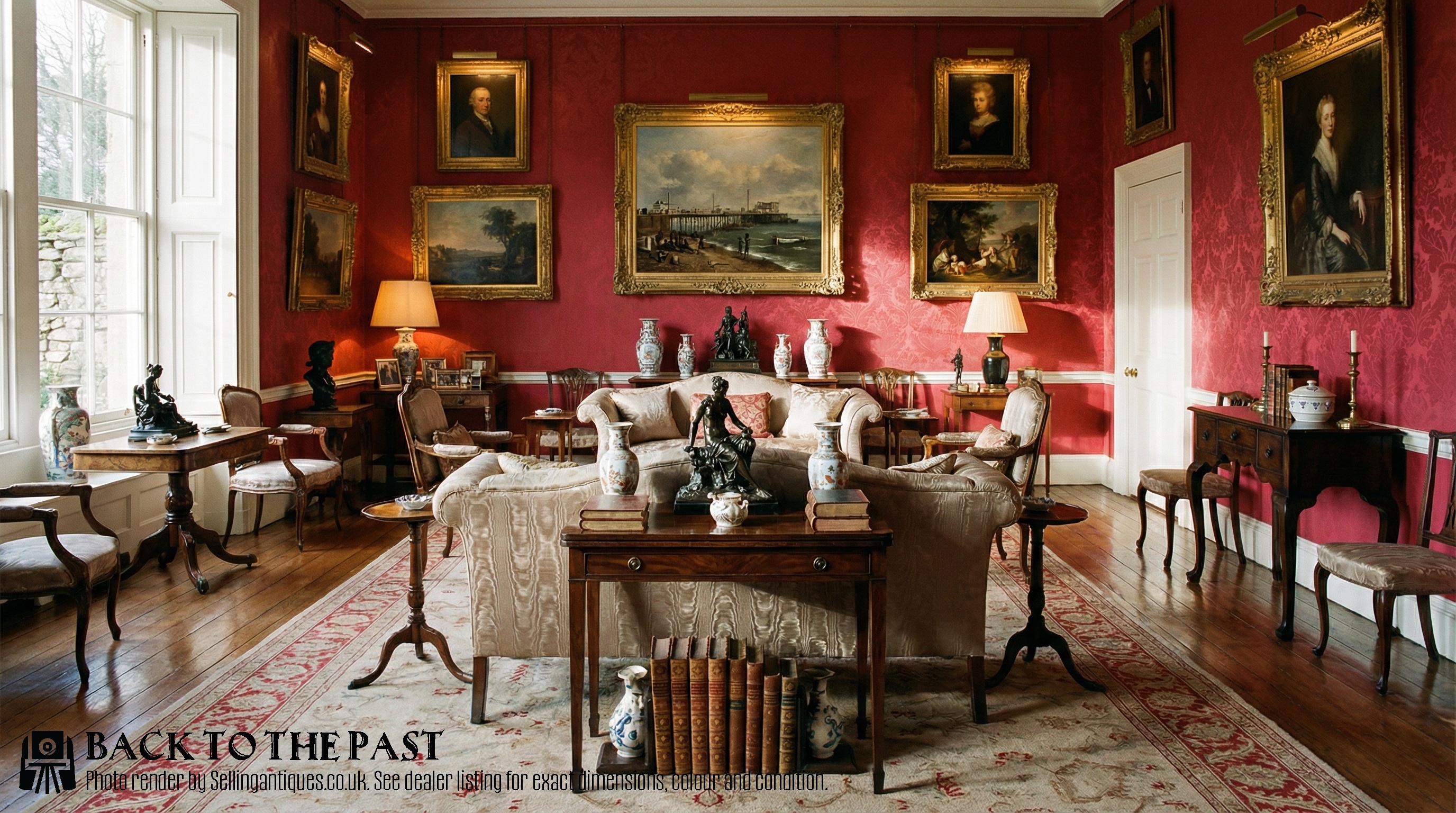
Materials and construction
Cabinet-makers relied primarily on solid mahogany, oak and walnut, frequently accented with boxwood stringing, brass handles and mother of pearl inlay. Elm, yew, goncalo alves and rosewood also appear in specific regional or period items.
Joinery techniques matched the dense qualities of these hardwoods, utilising dovetailed drawers, turned legs and carved scroll details. Glass elements range from adjustable shaving mirrors to large cheval plates supported by pivoting frames.
Dark Wood Dressing Table Retail Price Guide 2026
Typical asking prices for dark wood dressing table among the pieces listed under this phrase on Sellingantiques today, from the lower quarter to the upper quarter. They describe what is for sale here now, not the wider market.
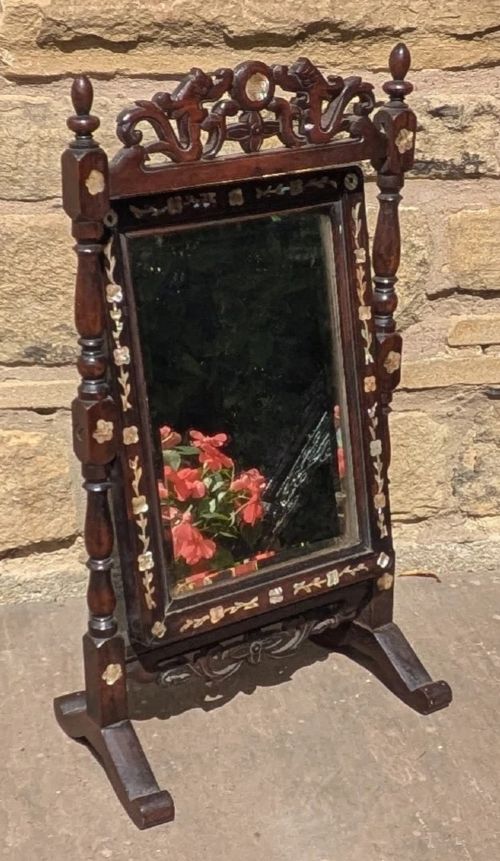
Several pieces include delicate boxwood stringing and mother of pearl inlay to catch the morning light.
Assessing quality in dark wood furniture
Quality reveals itself in the selection of figured timber, such as Cuban mahogany, and the crispness of carved details on legs and drawer fronts. Superior pieces retain original brass hardware, leather tops and stable mirror frames rather than replacement elements.
Construction integrity distinguishes workshop pieces, particularly those bearing attribution to makers like Gillows or Heal & Sons. Refined secondary woods and precise dovetailing signal higher standards of period production.
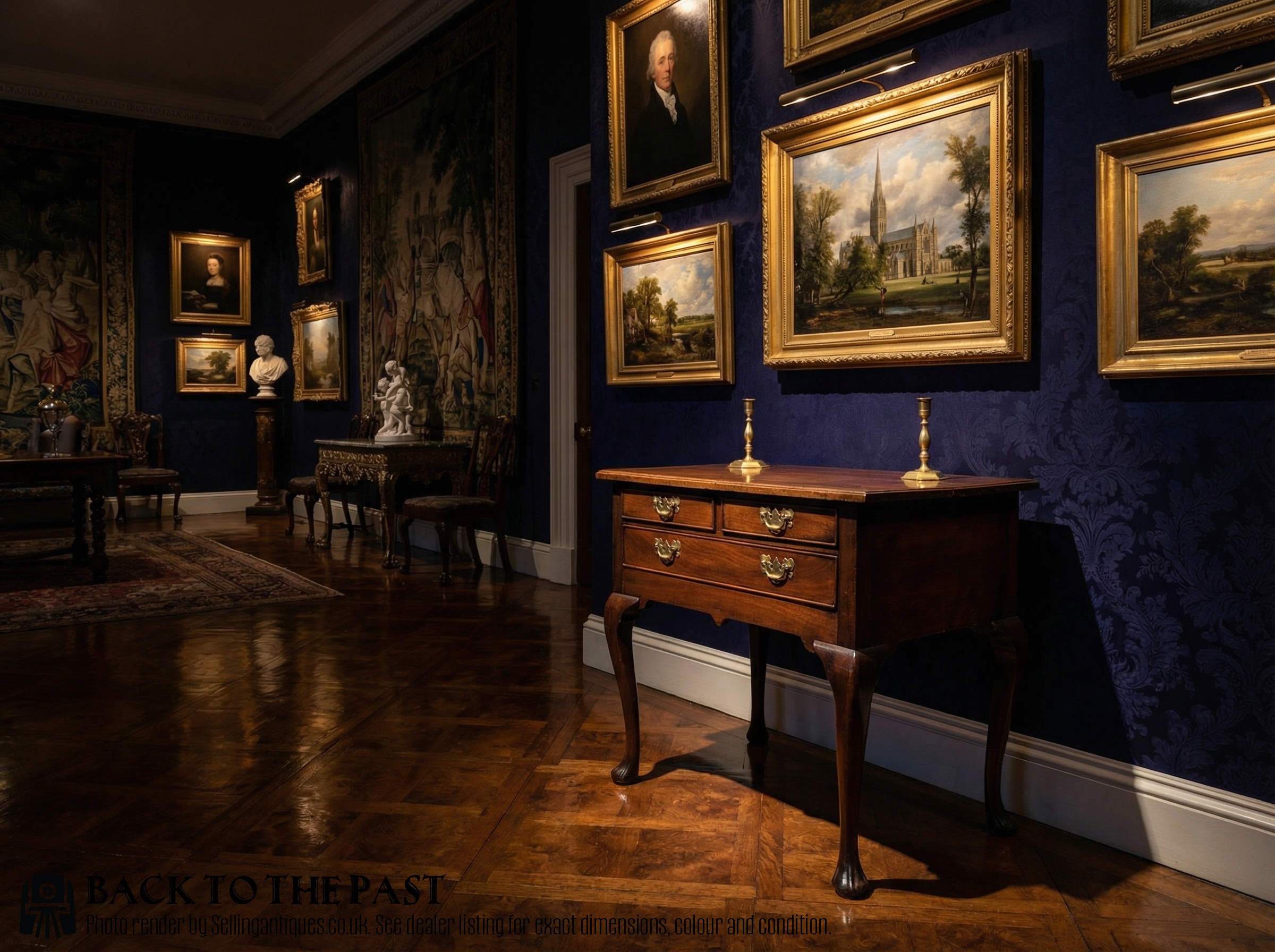
Heal & Sons·Gillows·P & MA Nicholson
The Dark Wood Dressing Table Glossary
- Lowboy
- A small oak or mahogany side table with drawers, frequently used as a dressing table in the 18th century.
- Toilet mirror
- A smaller glass mirror mounted on a miniature chest of drawers or swing frame, placed on top of a table for grooming.
- Cheval mirror
- A full-length plate glass mirror supported on a vertical frame that swivels on pivots.
- Kneehole desk
- A writing table or dressing desk featuring a central recess for the legs, flanked by pedestals of drawers.
- Washstand
- A specialised table designed to hold a basin and pitcher, often incorporating timber surfaces and mirrors.
Dark Wood Dressing Table: Frequently Asked Questions
How do I date a dark wood dressing table?
Dating relies on examining the construction methods of the drawers, the turning of the legs and the specific timber varieties used. Georgian and Victorian pieces show distinct shifts in hardware style and secondary wood choices.
Secondary indicators include the presence of original glass in mirrors and the wear patterns on writing surfaces or handles.
What is the difference between a lowboy and a dressing table?
A lowboy is typically a compact table with one or more rows of drawers, originating in the 17th and 18th centuries and serving versatile functions including dressing.
Dressing tables often evolved into larger fitted furniture pieces or incorporated attached swing mirrors by the Victorian period.
Are dressing mirror glasses usually original?
Many surviving pieces retain their original mercury or early silvered glass, which often exhibits characteristic foxing or minor age spots.
Replacement glass is common in pieces dating back to the 17th and 18th centuries due to the fragile nature of mirrors.
How do I care for antique mahogany and oak?
Maintaining these surfaces requires avoiding direct sunlight and excessive humidity to prevent timber splitting or warping.
Regular dusting with a dry cloth and occasional application of appropriate wax preserves the polished finish of the hardwood.