
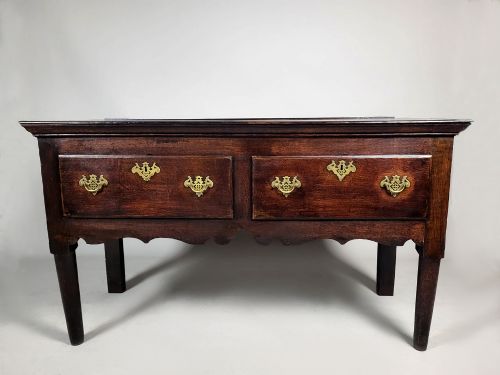
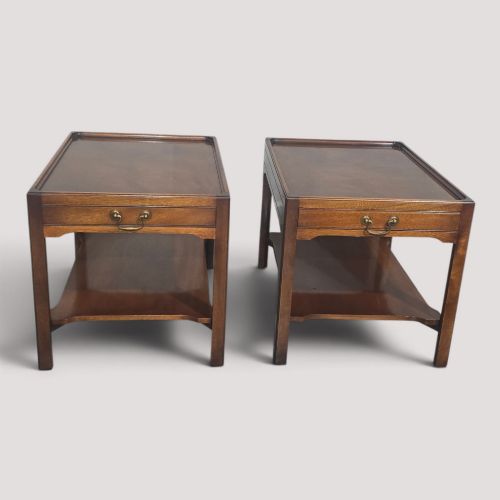
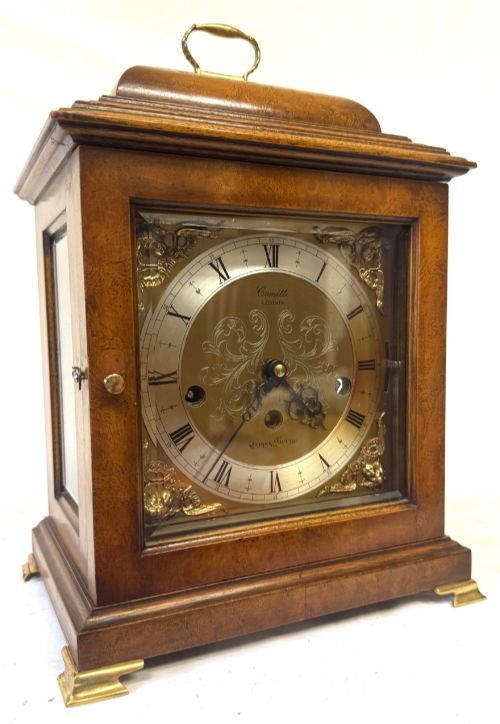
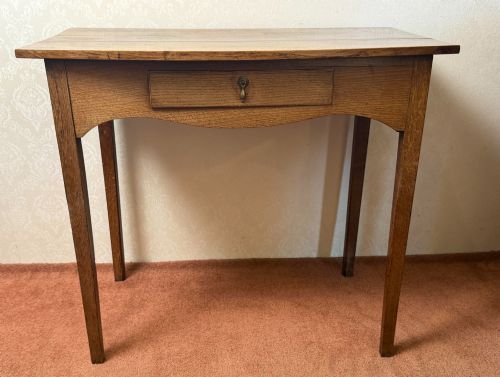
Georgian Side Table Brass Handles
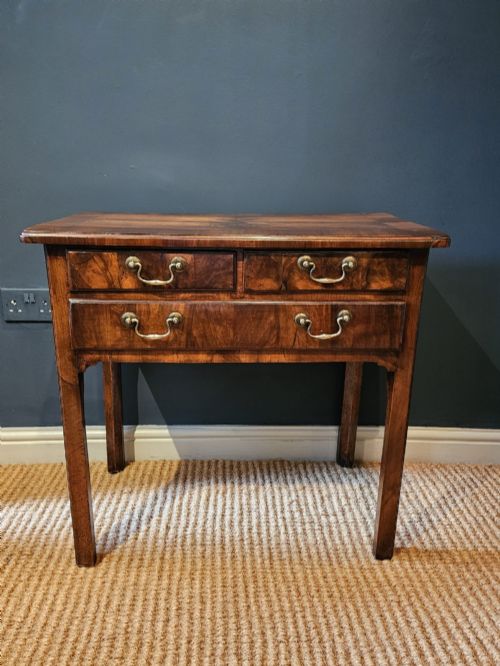
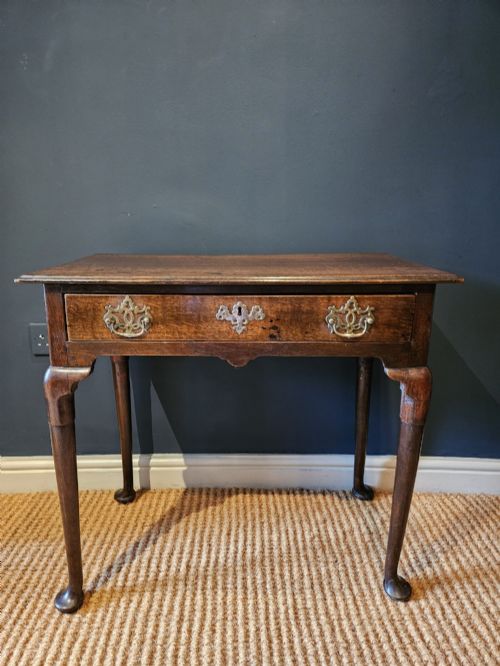
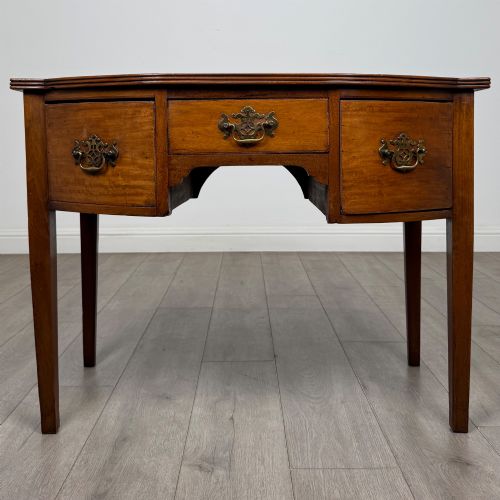
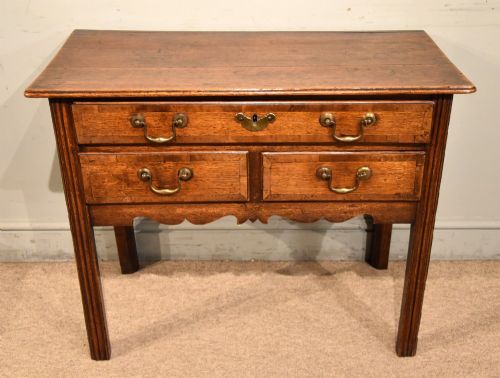
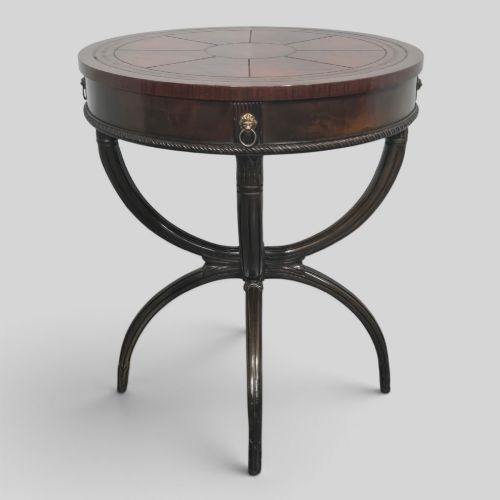
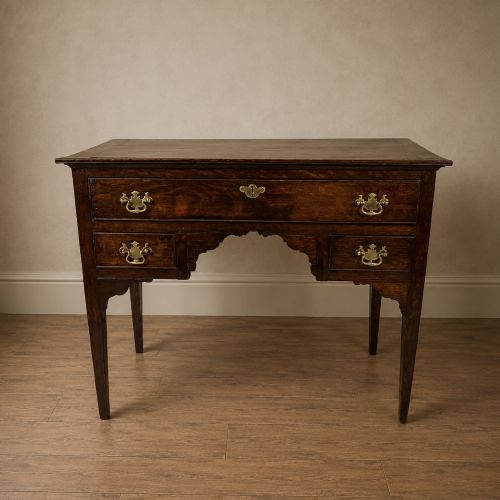
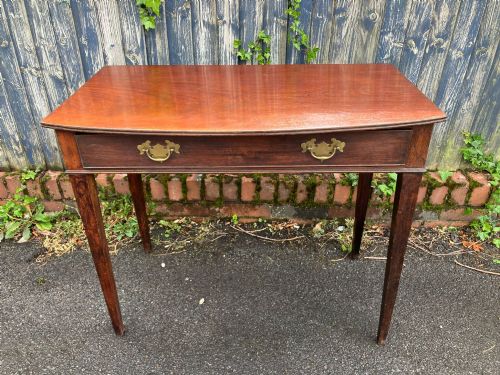
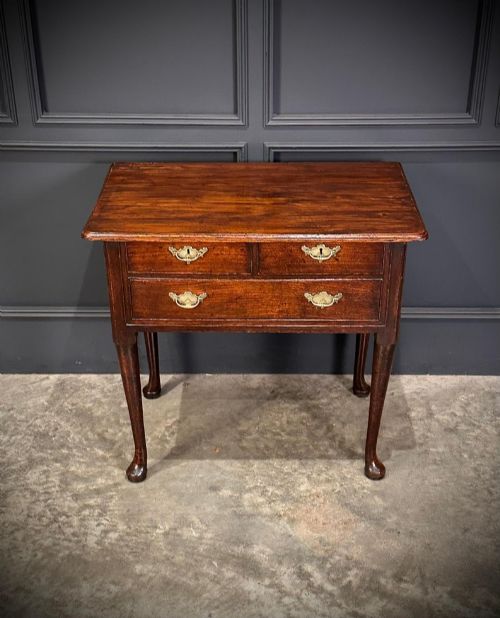
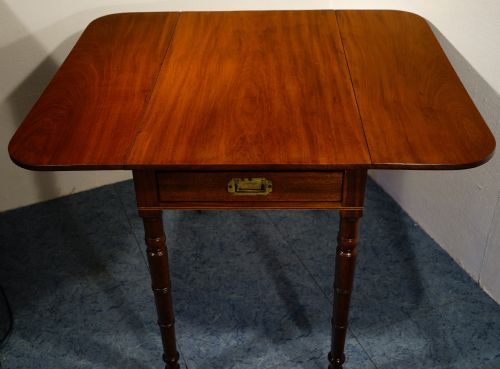
Georgian side table brass handles bring together period timbers and metalwork, offering practical surfaces with fitted drawers.
Georgian Side Table Brass Handles
The pieces appearing most frequently on this page combine timber construction with original or period brass hardware, serving as functional tables for halls, bedrooms, and living spaces.
Origins stretch from rural English country houses to formal urban settings, reflecting diverse regional cabinetmaking traditions across oak, mahogany, and walnut.
Materials and construction
Cabinetmakers utilised dense hardwoods such as mahogany, oak, and walnut, frequently selecting burr walnut and satinwood for decorative grain patterns and inlay work.
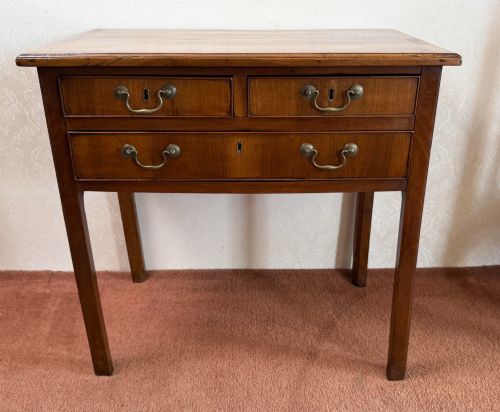
Metalwork played a defining role, with cast brass drop handles, swan neck pulls, and backplates secured to drawer fronts using traditional fixings.
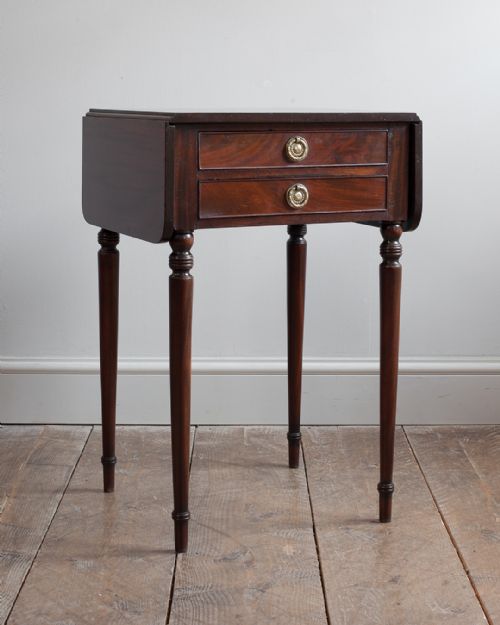
Even the tiniest bedside table demanded three tiers of mahogany and proper brass drops.
Quality variations
The standard of timber selection and cabinet construction sets finer examples apart, particularly where drawer linings show hand-cut dovetailing and uniform secondary woods.
Retention of original brass hardware and untouched surface patination significantly elevate a piece, distinguishing honest period survivors from heavily restored or later revival items.
Muirhead Moffat And Co·Comitti Of London
The Georgian Side Table Brass Handles Glossary
- Lowboy
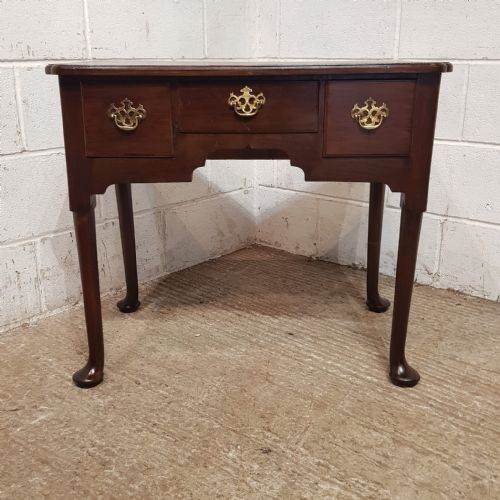
- A small table with one or more drawers, typically standing on four legs and functioning as a dressing or side table. These compact pieces date frequently from the eighteenth century.
- Dovetail
- A joint formed by interlocking wedge-shaped fingers, used extensively in drawer construction. Hand-cut examples indicate traditional cabinetmaking methods.
- Swan neck handle
- A brass drawer pull shaped like an elongated 'S', fastened through a backplate. This hardware style appears commonly on period furniture.
- Lowboy
- A small table with one or more drawers, typically standing on four legs and functioning as a dressing or side table. These compact pieces date frequently from the eighteenth century.
Georgian Side Table Brass Handles: Frequently Asked Questions
What is a lowboy?
A lowboy is a small, low table featuring one or more drawers, historically used for dressing or writing.
These versatile items appear across various eighteenth and nineteenth-century timbers.
Are the brass handles original?
Many listings specify original brassware, though replacement handles from later periods also occur.
Examining the fixing holes and metal patination helps determine age.
Which timbers were used?
Cabinetmakers relied predominantly on oak and mahogany, alongside walnut, fruitwood, and occasional satinwood.
Regional pieces often feature native oak or fruitwood.
How do I date a table?
Dating relies on construction methods, timber choice, leg profiles, and handle styles.
Eighteenth-century examples display hand-cut joinery differing from later revival pieces.