


18th Century Mahogany Side Table
An 18th century mahogany side table brings durable timber craftsmanship and timeless Georgian design to a home.
18th Century Mahogany Side Table
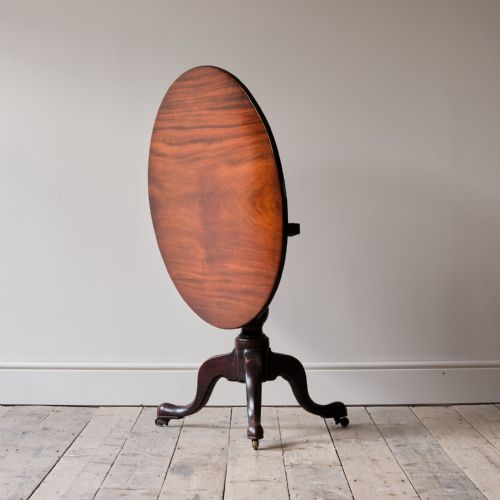
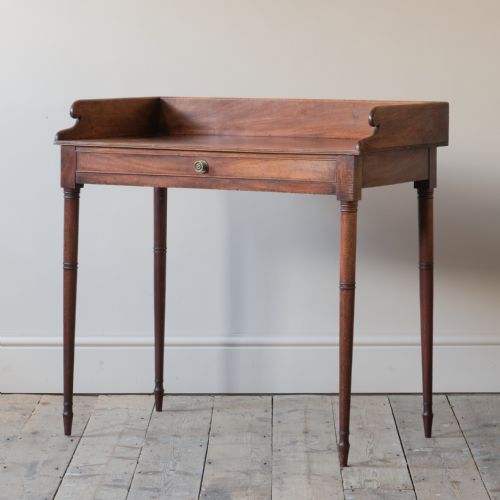
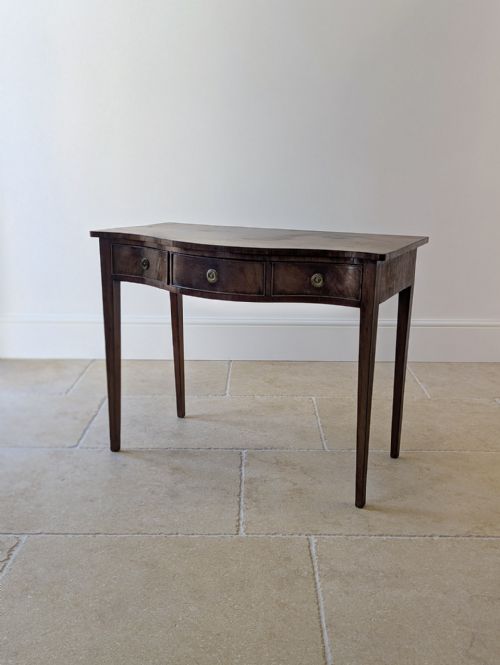
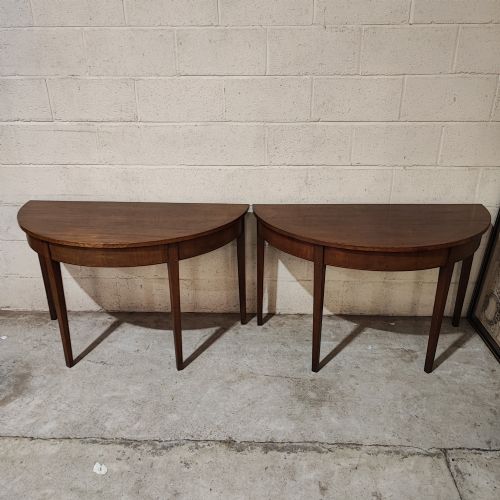
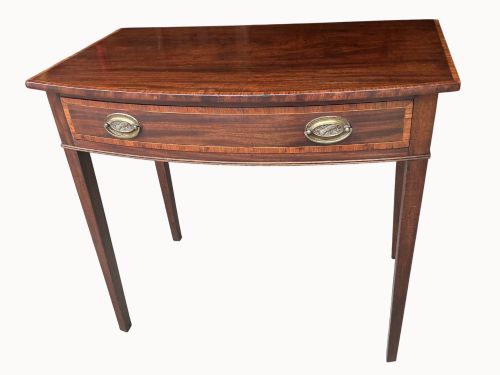
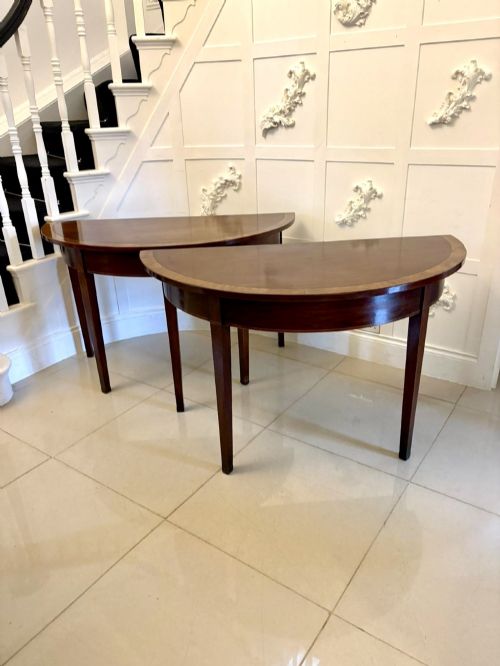
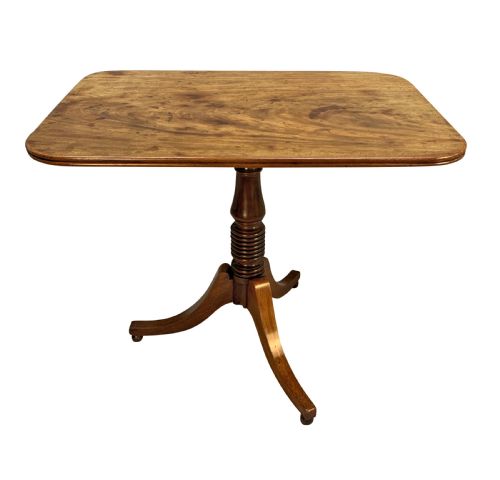
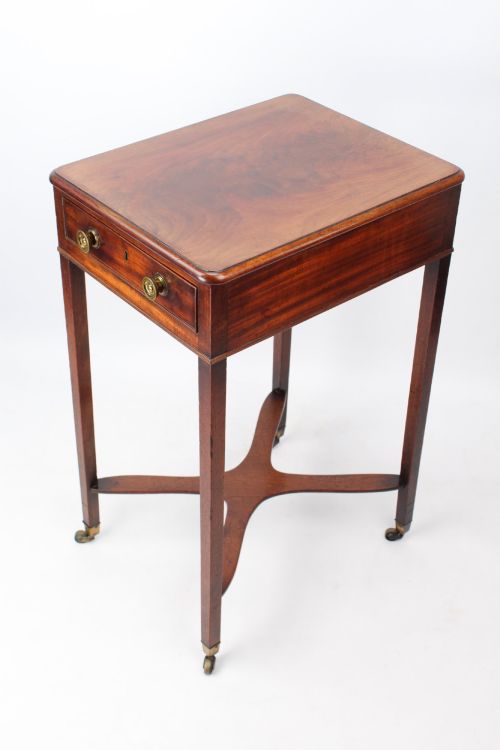
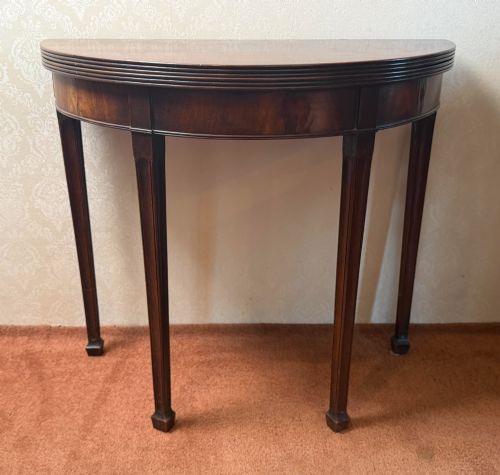
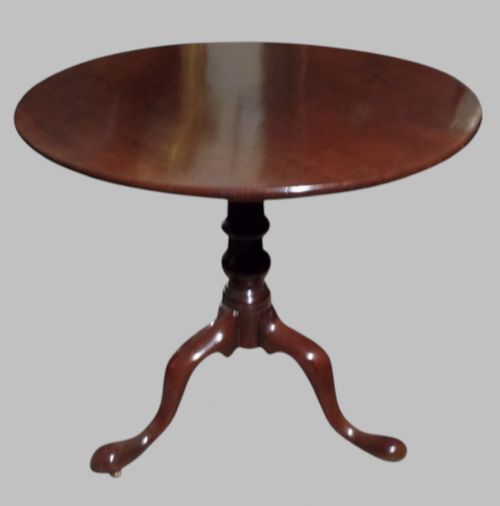
You are most likely to meet rectangular side tables with single drawers, drop-leaf variations, and demi-lune console shapes on this page. Many examples utilise tilt-top mechanisms or feature serpentine fronts that reflect the shifting interior fashions of the seventeen-hundreds.
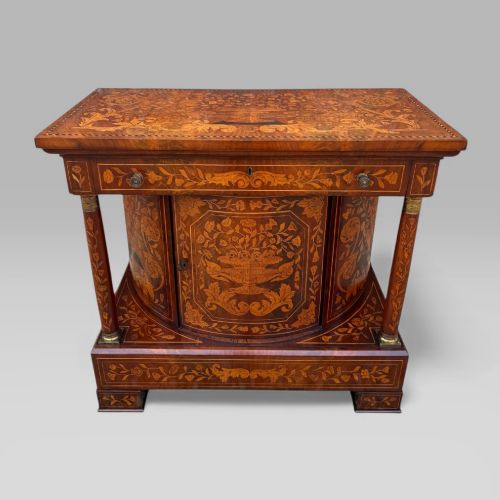
The materials span standard mahogany and dense Cuban mahogany, often enhanced with boxwood, satinwood, or fruitwood marquetry. Makers of these tables applied diverse styles ranging from straightforward vernacular designs to elaborate interpretations associated with Thomas Chippendale, Sheraton, and Hepplewhite.
How They Were Made
Cabinet makers constructed these tables primarily using solid mahogany and figured wood veneers applied to secondary framing timbers. Workshops frequently selected Cuban mahogany for its heavy density and rich grain patterns, pairing structural integrity with refined surface appearance.
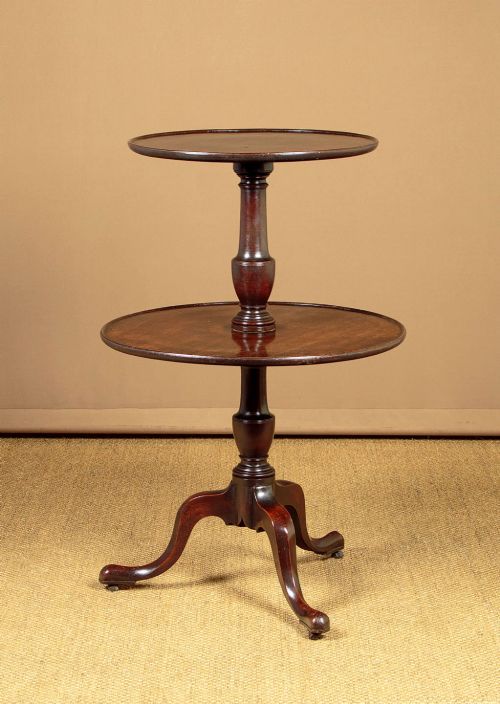
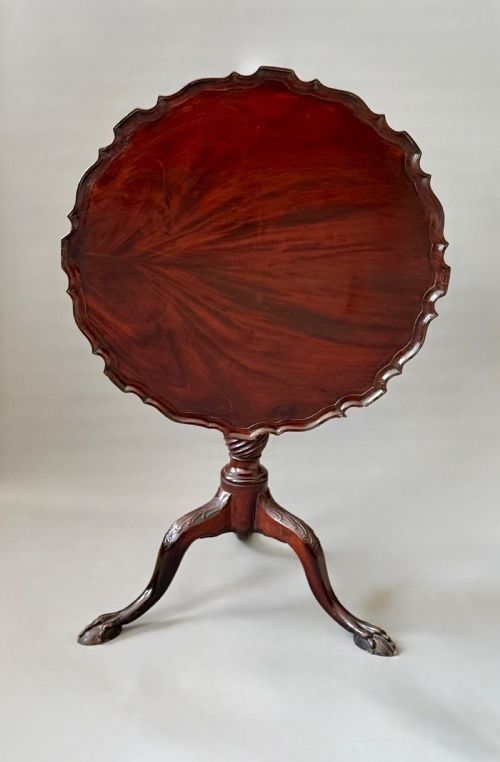
Makers integrated decorative details through contrasting wood inlay, boxwood and satinwood stringing, and delicate fruitwood marquetry. Tripod bases, turned pillars, and carved cabriole legs with pad or claw-and-ball feet required precise joinery to support tilting and folding top configurations.
Spider leg tables proved wonderfully agile, though leaning too heavily on them during tea was discouraged.
What Varies in Quality
The grade of timber and the complexity of the cabinet work dictate the distinction between standard domestic items and high-end examples. Superior tables display highly figured mahogany grain, meticulous book-matching on veneer surfaces, and refined hand-carved details such as pie-crust rims or acanthus leaf motifs.
Structural execution also determines standing, seen in the smooth operation of drop leaves, drawer runners, and tilt-top mechanisms. Well-preserved patination and original brass hardware further elevate the status of a piece within historical ranges.
Gillows Lancaster·Thomas Chippendale·Mayhew and Ince·Hepplewhite
The 18th Century Mahogany Side Table Glossary
- Lowboy
- A small dressing table or side table featuring one or more rows of drawers beneath a flat top, typically raised on four slender legs. These utilitarian items became common in British homes during the eighteenth century.
- Pembroke table
- A small rectangular table featuring two hinged drop leaves on opposing sides and frequently a single drawer. This form offered flexible surface space for writing or tea drinking.
- Demilune
- A half-moon shape utilised for console and side tables designed to sit flush against a wall. Such tables were often produced as pairs to balance formal room layouts.
- Tilt-top table
- An occasional table featuring a mechanism that allows the wooden top to pivot into a vertical position when not in use. This clever design saved valuable floor space in period interiors.
- Patination
- The lustrous surface sheen and deep colour developed by aged timber through decades of handling, polishing, and exposure to light. Collectors prize undisturbed patination as a sign of authenticity.
18th Century Mahogany Side Table: Frequently Asked Questions
What is a lowboy used for?
A lowboy served primarily as a small dressing table or occasional writing surface in private bedchambers during the Georgian era. Their compact proportions allowed them to fit easily into smaller domestic spaces.
Over time, owners also utilised these versatile tables in hallways and reception rooms to hold small decorative items or lighting. Their single or multiple drawers provided discreet storage for personal documents and accessories.
Where were console tables placed?
Console tables were traditionally designed to stand flat against a wall, frequently anchored with wall brackets for added stability. They occupied prominent positions in entrance halls, dining parlours, and formal drawing rooms.
Pairing demi-lune console tables together allowed owners to create a larger circular or oval surface when required. These pieces often displayed the most elaborate carving and inlay work to impress arriving guests.
How do I care for mahogany surfaces?
Maintaining 18th century mahogany requires regular dusting with a soft, dry cloth to prevent microscopic particle buildup on the aged polish. Avoiding direct sunlight and extreme temperature fluctuations protects the wood from drying or warping.
Applying traditional beeswax sparingly helps nourish the timber and maintain its natural lustre over time. Harsh chemical cleaners and modern silicon polishes should be strictly avoided to preserve the historic finish.