

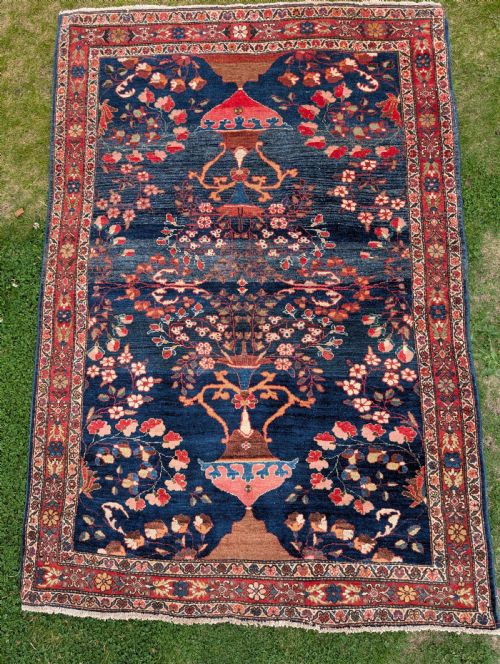
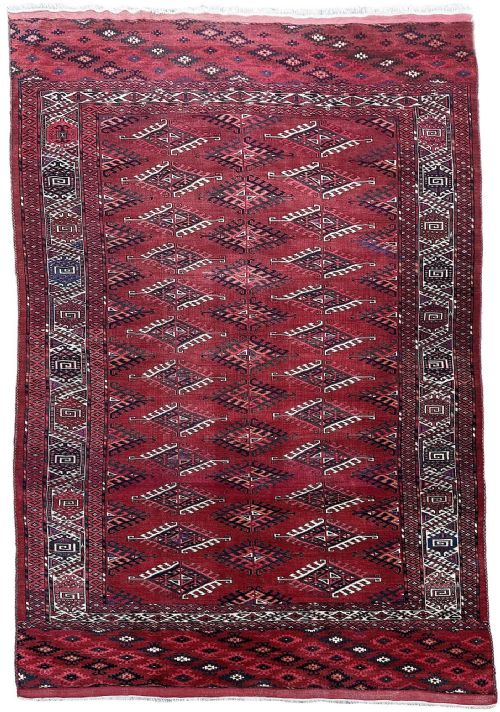
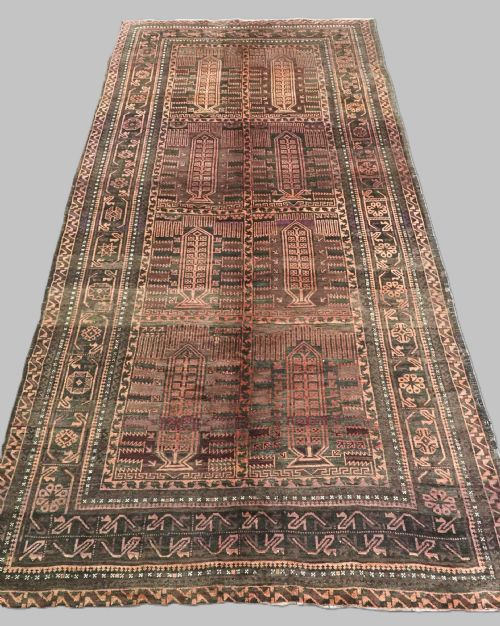
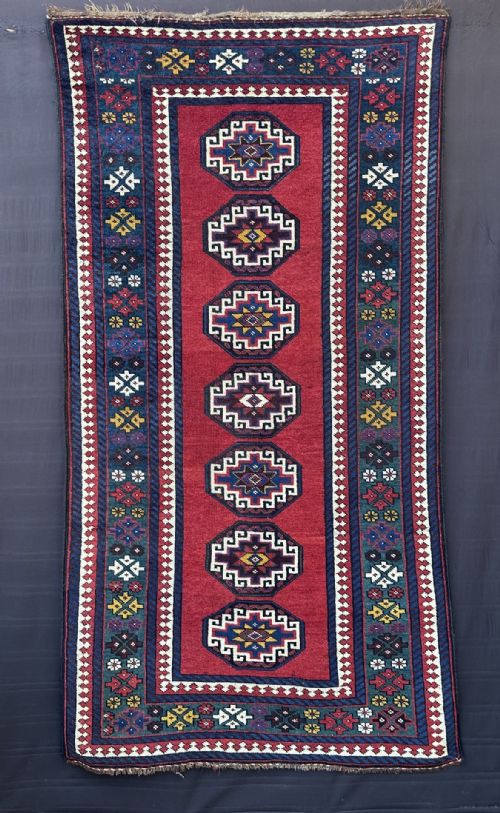
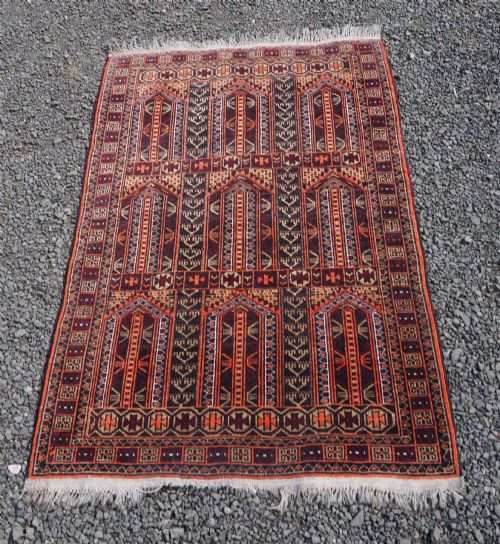
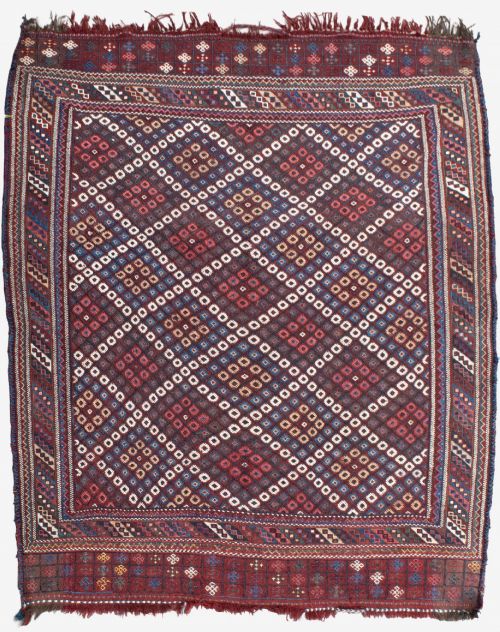


Dark Red Area Rug
A dark red area rug brings rich, deep tones and traditional tribal patterns into a room, grounding your space with centuries of textile history.
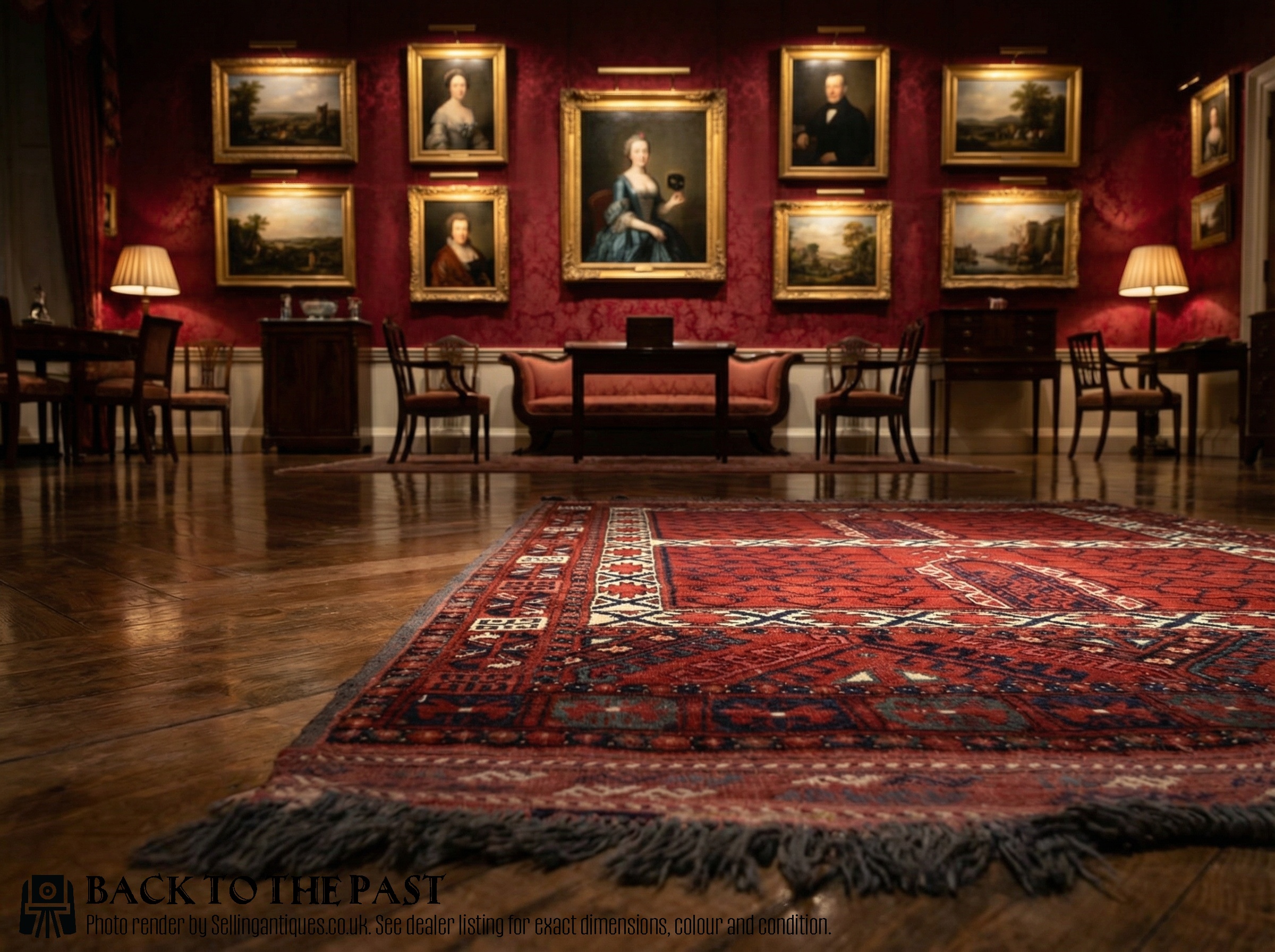
Dark Red Area Rug
A dark red area rug draws on centuries of weaving traditions originating from Persia, Afghanistan, and surrounding regions. These floor coverings range from compact prayer rugs to room-sized carpets woven by tribal and village makers.
You are most likely to encounter pieces from the late nineteenth century up to the 1930s on this page. These floor coverings frequently display nomadic patterns, geometric medallions, and repeated motifs executed in deep madder and crimson tones.
The assortment includes specific regional types such as Baluch, Yomut, Qashqai, and Kurdish weaves. Each group contributes distinct structural qualities and design vocabularies built on traditional floor-covering formats.
Assessing Quality and Execution
Quality rests on the density of the knotting and the precision of the geometric or tribal drawing. Finer weaves show greater clarity in intricate motifs like the pencil box, mina khani, or dyrnak gul designs.
The depth and nuance of the natural dyes separate standard examples from superior ones. Hand-spun wool taking rich, varied tones across the field indicates a higher tier of traditional rug production.
The listings span production dates from the nineteenth century through the 1930s, featuring wool, cotton, goat hair, and silk.
The Dark Red Area Rug Glossary
- Mihrab
- The niche design found on prayer rugs, often indicating the direction of prayer. This architectural motif is frequently repeated in multiple arches on village pieces.
- Sofreh
- A spreading cloth or utilitarian textile used for sharing meals or processing food. These flatwoven or piled pieces share construction methods with carpets.
- Kelleh
- A long, narrow format carpet traditionally suited for the sides or ends of a grand room. These formats require specific scaling of tribal medallions.
- Gul
- A medallion or repeating octagonal motif used extensively by Turkmen and Baluch weavers. Each tribal group utilised distinct variations of these primary design elements.
Dark Red Area Rug: Frequently Asked Questions
How do I care for an antique rug?
Vacuum gently without using a rotating brush roll to protect the wool pile from unnecessary friction and fibre loss.
Professional specialist cleaning is recommended every few years to remove embedded dust safely without harming the natural dyes.
Where were these rugs made?
The pieces originate primarily from tribal and village communities across Persia, Afghanistan, and Western Central Asia. Nomadic groups and settled villagers produced them for domestic use and local trade.
Specific regions represented include Baluchistan, Khorasan, and the broader northwest territories.
What materials make up the pile?
Weavers relied heavily on sheep wool, often hand-spun, to create a durable and resilient surface pile. Goat hair and cotton also appear in the mix, particularly within foundation structures.
Natural dyes provided the rich reds, browns, and dark tones characteristic of these regional textiles.
How can I date my rug?
Stylistic markers, structural techniques, and the presence of natural dyes help assign these textiles to specific decades between the mid nineteenth century and the 1930s. Certain repeating motifs and weave densities correlate directly with known historical production periods.
Comparing knot counts and wool characteristics against documented tribal examples provides further chronological context.