





Afghan Baluch Carpet
When seeking an afghan baluch carpet, you step into a world of tribal textile artistry defined by rich regional motifs and deep wool piles.
Afghan Baluch Carpet
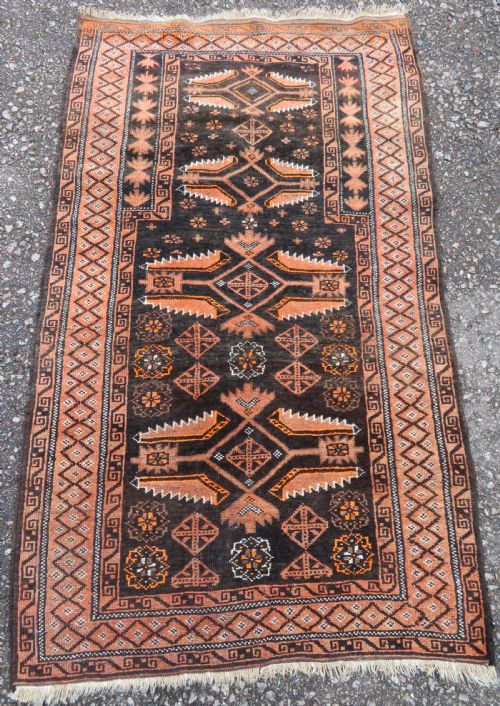
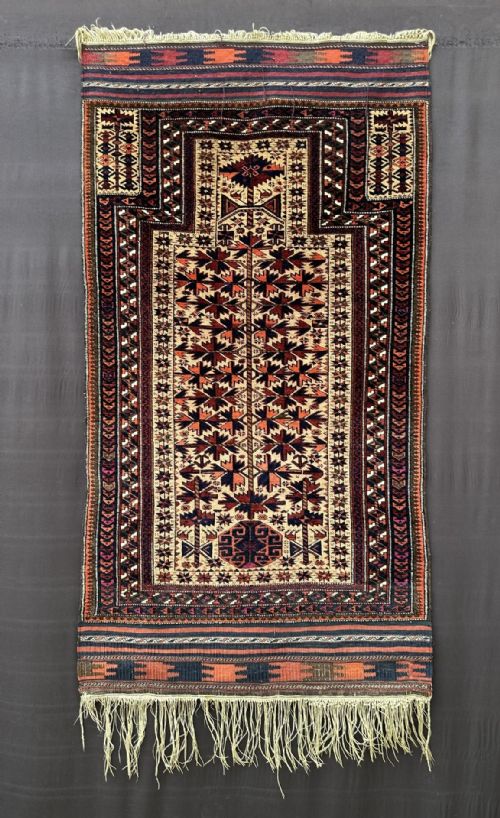
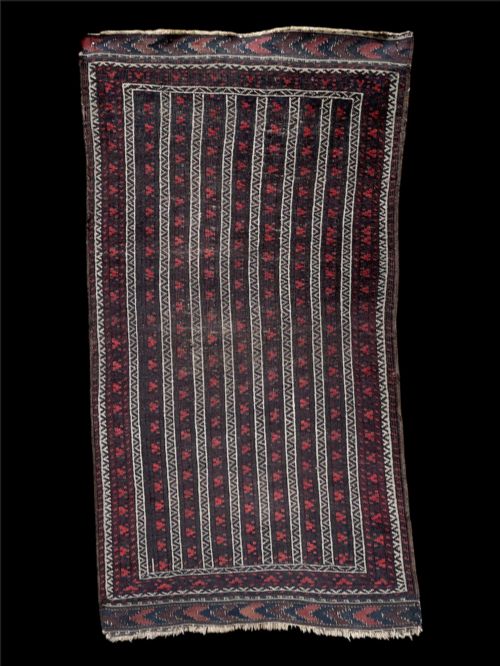
An afghan baluch carpet represents the traditional weaving heritage of nomadic and semi-nomadic tribes inhabiting the borderlands of western Afghanistan and north-east Persia. These textiles span various formats including large main carpets, intricate prayer rugs, runners, flatweave kilims, and utilitarian eating cloths.
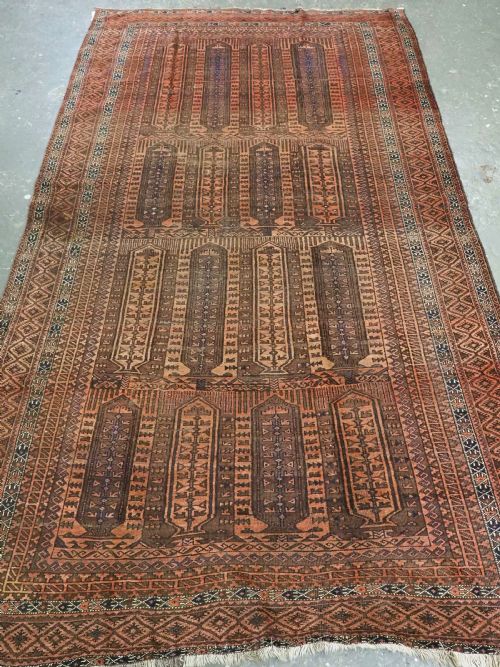
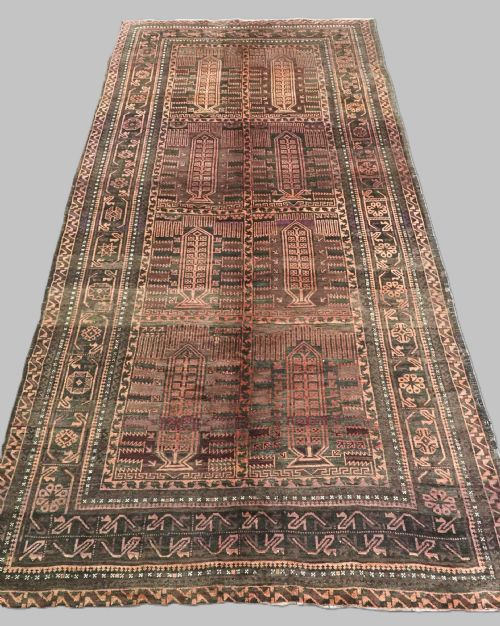
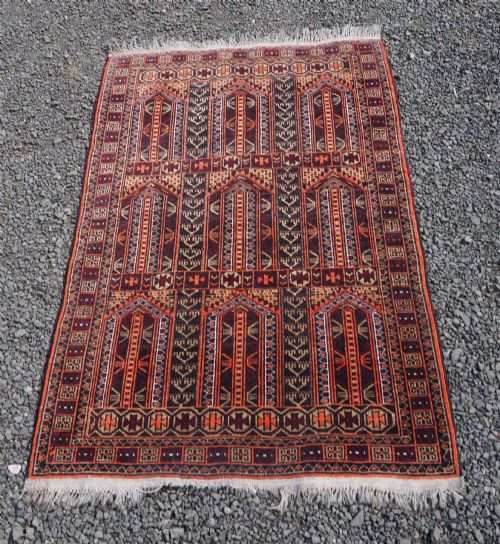
Makers utilised distinct regional patterns such as the classic pencil box motif, kalam donneh designs, and multi-mihrab layouts. Pieces date primarily from the late nineteenth century through to the early decades of the twentieth century, capturing an era of authentic tribal craftsmanship.
How they were made
Weavers constructed these textiles using hand-spun wool, often incorporating camel hair, goat hair, and cotton foundations to add structural durability and textural contrast. Natural dyes provided the deep, saturated colour palettes that characterise older tribal work.
The production methods combine pile knotting with flatweave techniques, occasionally employing mixed techniques or multi-part construction to create functional floor coverings and hanging rugs.
Afghan Baluch Carpet Retail Price Guide 2026
Typical asking prices for afghan baluch carpet among the pieces listed under this phrase on Sellingantiques today, from the lower quarter to the upper quarter. They describe what is for sale here now, not the wider market.
Listings feature pieces spanning the nineteenth century through to the 1930s, utilising hand-spun wool, camel hair, and natural dyes.
What varies in quality
The degree of fineness in the knotting and the handling of the wool dictate the tactile appeal of each piece. Tightly spun yarns and complex secondary borders show the weaver's technical command.
Design clarity and the preservation of natural dye variations across the field elevate certain examples above standard utilitarian formats. Unusual prayer mihrabs or scarce structural formats also mark out exceptional pieces.
The Afghan Baluch Carpet Glossary
- Mihrab
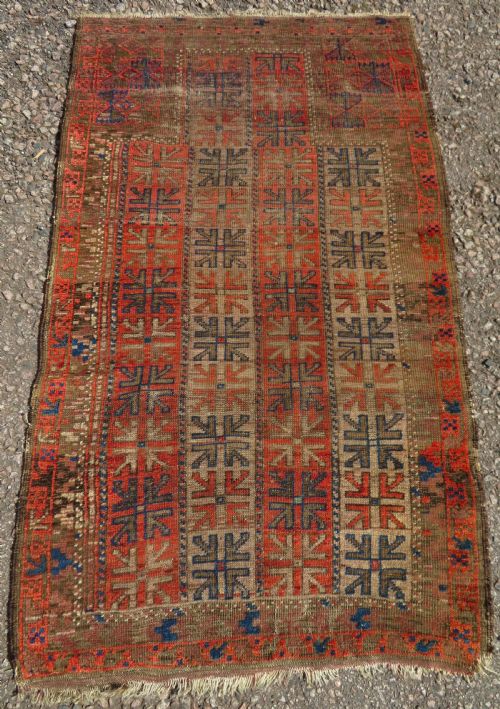
- The arched design element found on prayer rugs, often indicating the direction of prayer. Afghan baluch prayer rugs frequently feature single, double, or multiple mihrabs.
- Kilim
- A flatweave textile produced without a pile, often featuring horizontal bands of weftwork or geometric chevron patterns. These serve as lightweight floor coverings or spreads.
- Gul
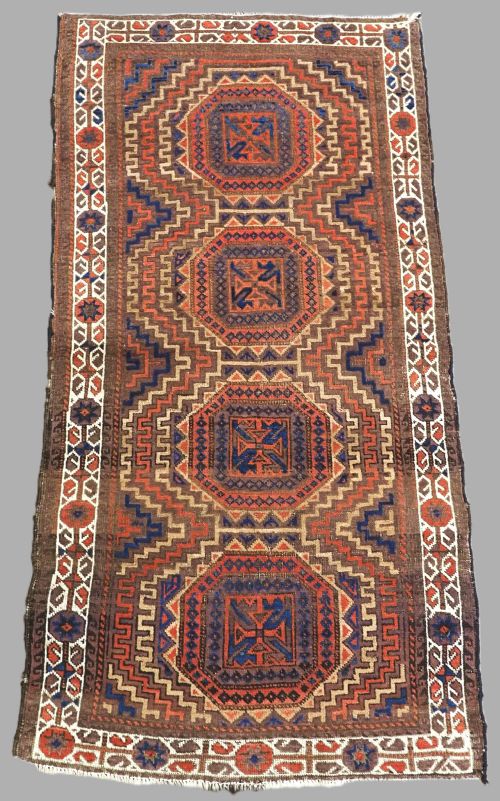
- A medallion or repeating floral motif embedded in the field of tribal carpets. These octagonal or gabled forms identify specific tribal groups.
- Sofreh
- An eating cloth or dining spread woven for domestic use. These textiles display specialised field designs distinct from standard floor rugs.
- Kalam Donneh
- A repeating boteh or shrub pattern resembling a pencil box design. This layout is typical of western Afghan weaving traditions.
Afghan Baluch Carpet: Frequently Asked Questions
What is an afghan baluch carpet?
An afghan baluch carpet is a hand-knotted or flatwoven textile made by nomadic and tribal groups in the border regions of Afghanistan and Persia. They are characterised by wool piles, natural dyes, and geometric or pictorial motifs.
These pieces were traditionally created for domestic floor use, prayer rituals, or utilitarian purposes like eating cloths and storage bags.
How do I identify a prayer rug?
Prayer rugs feature a distinctive architectural arch known as a mihrab at one or both ends of the field. This design guided the user during daily devotions.
Many examples in this tradition display single, double, or triple mihrabs, occasionally accompanied by star motifs or rams horn patterns.
Where were these textiles made?
They originated in the tribal borderlands of western Afghanistan and north-eastern Persia. Specific groups such as the Timuri, Taimani, Mushwani, and Sistan tribes contributed distinct regional styles.
Weavers utilised local materials available to nomadic communities, including sheep wool, camel hair, and goat hair.
How do I care for an antique rug?
Antique wool textiles require gentle maintenance, including regular light vacuuming without a beater bar to protect the pile and foundation. Professional cleaning should be undertaken sparingly by specialists in tribal carpets.
Keep pieces out of direct sunlight to protect the natural dye colours from fading over time.